Sharp Brains: Brain Fitness and Cognitive Health News

Neuroplasticity, Brain Fitness and Cognitive Health News

Six tips to build resilience and prevent brain-damaging stress

Stress symbolThese days, we all live under con­sid­er­able stress — eco­nomic chal­lenges, job demands, fam­ily ten­sions, always-on tech­nol­ogy and the 24-hour news cycle all con­tribute to cease­less worry. While many have learned to sim­ply “live with it,” this ongo­ing stress can, unless prop­erly man­aged, have a Read the rest of this entry »

The Neurobiology of Stress: The Human Brain Likes to Be in Balance

(Editor’s note: below you have part 5 of the 6-part The Neu­ro­bi­ol­ogy of Stress series. If you are join­ing the series now, you can read the pre­vi­ous part Here.)

Stayin’ Alive

Under­stand­ing the Human Brain and How It Responds to Stress

The Human Brain Likes to Be in Balance

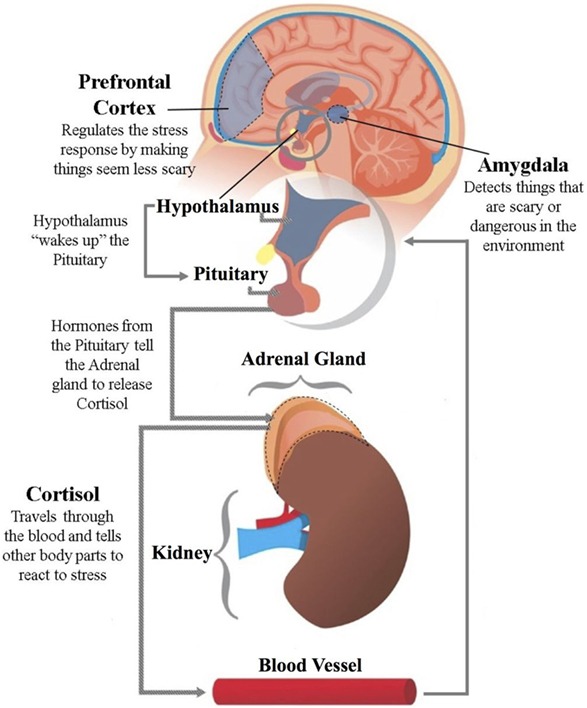
For­tu­nately, the brain has some built — in safety sys­tems. Too much cor­ti­sol in the blood sig­nals the brain and adrenal glands to decrease cor­ti­sol pro­duc­tion. And under nor­mal con­di­tions, when the stress is over­come or brought under con­trol (by fight­ing, flee­ing, or turn­ing into an immo­bile statue, or by mas­ter­ing the threat), the hypo­thal­a­mus starts send­ing out the orders to stand down. Stop pro­duc­ing cor­ti­sol!  Event over!  Under con­tin­u­ous stress, how­ever, this feed­back sys­tem breaks down. The hypo­thal­a­mus keeps read­ing the stress as a threat, furtively send­ing mes­sages to the pitu­itary gland, which screams out to the adrenal glands to keep pump­ing out cor­ti­sol, which at this point begins to be neu­ro­toxic — poi­son to the brain. Read the rest of this entry »

The Neurobiology of Stress: The Stress Response Explained

(Editor’s note: below you have part 4 of the 6-part The Neu­ro­bi­ol­ogy of Stress series. If you are join­ing the series now, you can read the pre­vi­ous part Here.)

Stayin’  Alive

Under­stand­ing the Human Brain and How It Responds to Stress

THE STRESS RESPONSE EXPLAINED

Stress was put on the map, so to speak, by a Hun­gar­ian — born Cana­dian endocri­nol­o­gist named Hans Hugo Bruno Selye (ZEL — yeh) in 1950, when he pre­sented his research on rats at the annual con­ven­tion of the Amer­i­can Psy­cho­log­i­cal Asso­ci­a­tion. To explain the impact of stress, Selye pro­posed some­thing he called the Gen­eral Adap­ta­tion Syn­drome (GAS), which he said had three com­po­nents. Accord­ing to Selye, when an organ­ism expe­ri­ences some novel or threat­en­ing stim­u­lus it responds with an alarm reac­tion. This is fol­lowed by what Selye referred to as the recov­ery or resis­tance stage, a period of time dur­ing which the brain repairs itself and stores the energy it will need to deal with the next stress­ful event.

Read the rest of this entry »

Brain Quiz: Do You Have a Brain?

Have you already read The Sharp­Brains Guide to Brain Fit­ness?

Let’s see…brain health and brain fitness

1. Pick the only part of your body that does not con­tain fat:

a. Arm
b. Thigh
c. Brain
d. None

Answer: d) Fats are also present in the brain: in neu­rons’ mem­branes to keep them flex­i­ble. These fats are the omega 3 and omega 6 fatty acids mol­e­cules. (Page 32 of the book)

2. Pick the only food prod­uct that doesn’t con­tain Omega-3 fatty acids

a. Tuna
b. Wal­nut
c. Kiwi
d. Jelly Beans

Answer: d) Fatty acids can be found in cold-water fish (such as mack­erel, her­ring, salmon, and tuna), kiwi, and wal­nuts. (Page 33)

3. Pick the only food prod­uct that doesn’t con­tain antioxidants

a. Olive oil
b. Milk
c. Nuts
d. Berries

Answer: b) Antiox­i­dants can be found in veg­etable oils, nuts, green leafy veg­eta­bles (e.g., spinach), cit­rus fruit, and berries. (Page 33)

4. Chronic Stress cannot:

a. Pre­vent you from being cre­ative
b. Kill brain cells
c. Pre­vent you from sleep­ing
d. Kill liver cells

Answer: d) Pro­longed expo­sure to adrenal steroid hor­mones like cor­ti­sol, which is released into the blood stream when we are stressed, can lead to cell death and block the for­ma­tion of new neu­rons. (Page 35)

5. What type of phys­i­cal exer­cise is the best for your brain health?

a. Weight lift­ing
b. Aer­o­bic exer­cises
c. Flex­i­bil­ity exer­cises Read the rest of this entry »

Relaxing for your Brain’s Sake

What stresses you out ?Meditation School Students

What­ever it is, how you respond to it may have more con­se­quences than you think. Let me show you how.

Recap­ping from last months arti­cle (see Stress and Neural Wreck­age: Part of the Brain Plas­tic­ity Puz­zle)…our bod­ies are a com­plex bal­anc­ing act between sys­tems work­ing full time to keep us alive and well. Any change which threat­ens this bal­ance can be referred to as stress. Cor­ti­sol, a key com­po­nent of the stress response, does an excel­lent job of allow­ing us to adapt to most stres­sors which last more than a cou­ple of min­utes. How­ever, hav­ing to endure a high stres­sor for longer than about 30 min­utes to an hour neg­a­tively impacts the brain in var­i­ous ways.

Read the rest of this entry »

Stress and Neural Wreckage: Part of the Brain Plasticity Puzzle

Victoria Crater MarsBelow you have a very insight­ful arti­cle on stress by one of our new Expert Con­trib­u­tors, Gre­gory Kel­let, a researcher at UCSF. Enjoy! (Credit for Pic of Vic­to­ria Crater in Mars: Mars Recon­nais­sance Orbiter, via Wikipedia).

———————————————-

My brain is fried, toast, fraz­zled, burnt out. How many times have you said or heard one ver­sion or another of these state­ments. Most of us think we are being fig­u­ra­tive when we utter such phrases, but research shows that the bio­log­i­cal con­se­quences of sus­tained high lev­els of stress may have us being more accu­rate than we would like to think.

Crash Course on Stress

Our bod­ies are a com­plex bal­anc­ing act between sys­tems work­ing full time to keep us alive and well. This bal­anc­ing act is con­stantly adapt­ing to the myr­iad of changes occur­ring every sec­ond within our­selves and our envi­ron­ments. When it gets dark our pupils dilate, when we get hot we sweat, when we smell food we sali­vate, and so forth. This con­stant bal­anc­ing act main­tains a range of sta­bil­ity in the body via change; and is often referred to as allosta­sis. Any change which threat­ens this bal­ance can be referred to as allo­sta­tic load or stress.

Allo­sta­tic load/stress is part of being alive. For exam­ple just by get­ting up in the morn­ing, we all expe­ri­ence a very impor­tant need to increase our heart rate and blood pres­sure in order to feed our newly ele­vated brain. Although usu­ally man­age­able, this is a change which the body needs to adapt to and, by our def­i­n­i­tion, a stressor.

Stress is only a prob­lem when this allo­sta­tic load becomes over­load. When change is exces­sive or Read the rest of this entry »

Brain Essay Contest for High School Students

We are very excited to announce sub­mis­sions are open for our Brain Essay Con­test held in con­junc­tion with four other blogs. The hosts are:

The goal of this con­test is to con­nect high-school stu­dents and teach­ers of biol­ogy and psy­chol­ogy with sci­ence and psy­chol­ogy blog­gers. Stu­dents will need to answer in 400–800 words:

Based on brain and mind research (within the past 5 years),

  1. How do we learn?
  2. How can this new knowl­edge improve edu­ca­tion and the lives of all people?”

Sub­mis­sions are due by May 10, 2007.

The ten best essays, as selected by the jury of the host blogs, will be posted on the host blogs and entered into blog car­ni­vals. The win­ners will gain recog­ni­tion in the blo­go­phere and get a com­pli­men­tary annual sub­scrip­tion to Tuition­Coach, a per­son­al­ized, internet-based pro­gram that de-mystifies the col­lege finan­cial aid process for stu­dents and their fam­i­lies and helps fam­i­lies find the best options to finance col­lege choices.

Are you a high school stu­dent? Do you know a high school stu­dent? If so, get those key­boards warmed up and send us your best!

Here you have some use­ful advice from a fel­low blog­ger.

Top Articles on Brain, Cognition and Neuroplasticity

  1. Do you believe these neu­romyths?, by SharpBrains
  2. Brain Plas­tic­ity: How learn­ing changes your brain, by Pas­cale Michelon
  3. In the Age of Google, Should Schools Teach Mem­o­riza­tion Skills?, by Bill Klemm
  4. Does cog­ni­tive train­ing work? (For Whom? For What?), by Pas­cale Michelon
  5. The Emo­tional Life of Your Brain, by by Richard David­son, Sharon Begley
  6. Cur­rent State of the Sci­ence behind Neu­ro­feed­back Treat­ment for ADHD, by David Rabiner
  7. To Be (Your Con­nec­tome), or Not to Be (Your Genome), by Sebas­t­ian Seung
  8. Top 10 Brain Fit­ness Future Trends, by Alvaro Fernandez
  9. Biofeed­back now a “Level 1 — Best Sup­port” Inter­ven­tion for ADHD, by SharpBrains
  10. When 1 + 1 = 5: Dyscal­cu­lia and Work­ing Mem­ory, by Tracy Alloway
  11. Train­ing Atten­tion and Emo­tional Self-Regulation — Inter­view with Michael Pos­ner, by Alvaro Fernandez
  12. The Ten Habits of Highly Effec­tive Brains, by Alvaro Fernandez
  13. Why do You Turn Down the Radio When You’re Lost?, by Car­o­line Latham
  14. Brain fit­ness Q&A: Mem­ory, stress, emo­tions, by Alvaro Fernandez
  15. Cog­ni­tive ther­apy or med­ica­tion? Brain scans may help per­son­al­ize treat­ments, by SharpBrains
  16. New Study shows Teens with ADHD helped by Cog­ni­tive Behav­ioral Ther­apy, by David Rabiner
  17. How Do Words Change Our Brains and Lives?, by Andrew New­berg, Mark Waldman
  18. BBC “Brain Train­ing” Exper­i­ment: the Good, the Bad, the Ugly, by Alvaro Fernandez
  19. Sci­en­tific cri­tique of BBC/ Nature Brain Train­ing Exper­i­ment, by Liz Zelinski
  20. From Anti-Alzheimer’s “Magic Bul­lets” to True Brain Health, by Alvaro Fer­nan­dez, Peter Whitehouse
  21. Why Agile Minds Deploy Both Ratio­nal and Intu­itive Problem-Solving, by Judith Tingley
  22. Why I Wrote The Woman Who Changed Her Brain, by Bar­bara Arrowsmith-Young
  23. The Busi­ness and Ethics of the Brain Fit­ness Boom, by Alvaro Fernandez
  24. Break­ing Down the Cog­ni­tion & Alzheimer’s Dis­ease Alpha­bet Soup, by Dharma Singh Khalsa
  25. Top 10 Quotes on Life­long Neu­ro­plas­tic­ity, by Alvaro Fernandez
  26. To Har­ness Neu­ro­plas­tic­ity, Start with Enthu­si­asm, by Helena Popovic
  27. Q&A with Yaakov Stern on Brain Reserve, Exer­cise, Cog­ni­tive Train­ing, Angry Birds, by Alvaro Fernandez
  28. It is Not Only Cars That Deserve Good Main­te­nance: Brain Care 101, by Alvaro Fernandez
  29. Eval­u­a­tion Check­list for Brain Fit­ness prod­ucts and games, by Alvaro Fernandez
  30. Mind­ful­ness and Med­i­ta­tion in Schools for Stress Man­age­ment, by Jill Sutie
  31. Stress and Neural Wreck­age: Part of the Brain Plas­tic­ity Puz­zle, by Gre­gory Kellet
  32. Cog­ni­tive and Emo­tional Devel­op­ment Through Play, by David Elkind
  33. AARP’s Brain Fit­ness Best Books List, by SharpBrains
  34. Judith Beck: Train Your Brain to Think Like a Thin Per­son, by Alvaro Fernandez
  35. Improve Mem­ory with Sleep, Prac­tice, and Test­ing, by Bill Klemm
  36. 10 Brain Tips To Teach and Learn, by Lau­rie Bartels
  37. Dr. Elkhonon Gold­berg on Cog­ni­tive Train­ing and Brain Fit­ness, by Alvaro Fernandez
  38. Mind­ful­ness Med­i­ta­tion for Adults & Teens with ADHD, by David Rabiner
  39. Phys­i­cal Exer­cise and Brain Health, by Pas­cale Michelon
  40. Sleep, Tetris, Mem­ory and the Brain, by Shan­non Moffet

Welcome to SharpBrains.com

As seen in The New York Times, The Wall Street Jour­nal, CNN and more, Sharp­Brains is an inde­pen­dent mar­ket research and think tank track­ing health, edu­ca­tion, and pro­duc­tiv­ity appli­ca­tions of neuroscience.

Register Now at Discounted Rates

2013 SharpBrains Summit

Watch 10 Predictions on Digital Brain Health in 2013 (3 minutes)

Cover_video
Enter Your Email and Sub­scribe to our free Monthly eNewslet­ter:
Join more than 40,000 Sub­scribers and stay informed and engaged.

Follow Us Via…

twitter_logo_header