Sharp Brains: Brain Fitness and Cognitive Health News

Neuroplasticity, Brain Fitness and Cognitive Health News

Why I Wrote The Woman Who Changed Her Brain
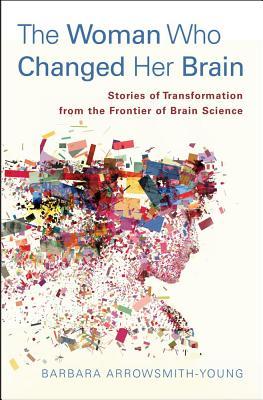
We have always thought that “our brain shapes us.” I wrote my new book, The Woman Who Changed Her Brain (May 2012; Free Press, Fore­word by Nor­man Doidge), to prove that the reverse is equally true. I wanted to demon­strate how “we can shape our brains.”

Imag­ine hav­ing a brain that is capa­ble and inca­pable at the same time. Grow­ing up, I had severe learn­ing dis­abil­i­ties. I lived in a world that was con­fus­ing and incom­pre­hen­si­ble. As I was to later dis­cover, a crit­i­cal part of my brain was not work­ing prop­erly, the end result being that all lan­guage was expe­ri­enced as for­eign and my trans­la­tor was Read the rest of this entry »

The Arrow­smith Pro­gram to Sponsor 2012 SharpBrains Summit; upcoming book by Barbara Arrowsmith-Young

Arrowsmith ProgramThe Arrow­smith Pro­gram has agreed to become a Gold Spon­sor @ 2012 Sharp­Brains Vir­tual Sum­mit (June 7-14th): Opti­miz­ing Health through Neu­ro­plas­tic­ity, Inno­va­tion and Data. Thank you!

The Arrow­smith Pro­gram,  avail­able in pub­lic and pri­vate schools in  the U.S. and Canada, is a com­pre­hen­sive suite of cog­ni­tive pro­grams for stu­dents with learn­ing dis­abil­i­ties that tar­gets 19 areas of the brain that are most com­monly involved in learn­ing. The Arrow­smith Pro­gram iden­ti­fies and strength­ens the weak cog­ni­tive areas that affect learn­ing and each stu­dent works on cog­ni­tive pro­grams that are indi­vid­u­ally designed for his or her areas of learn­ing difficulty.

Please note that Bar­bara Arrowsmith-Young, the founder of the pro­gram whose back­ground story was described in the best­selling book The Brain That Changes Itself, by Nor­man Doidge, is releas­ing her own book this May.  Titled, The Woman Who Changed Her Brain. Learn More Here.


Using Brain Plasticity to help Children with Learning Disabilities

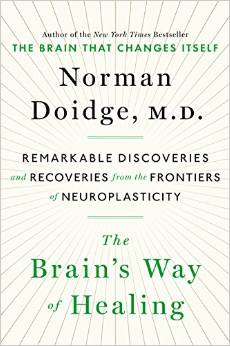
Did you read The Brain That Changes Itself: Sto­ries of Per­sonal Tri­umph from the Fron­tiers of Brain Sci­ence, the great book on neu­ro­plas­tic­ity by Nor­man Doidge? If  so, you will have heard about the Arrow­smith School/ Pro­gram, which was also one of the Top Ten Final­ists in 2010 Brain Fit­ness Inno­va­tion Awards.  The fol­low­ing is an excerpt from Brain School: Sto­ries of chil­dren with learn­ing dis­abil­i­ties and atten­tion dis­or­ders who changed their lives by improv­ing their cog­ni­tive func­tion­ing (Novem­ber 2010; $22), a new book from Eaton Arrow­smith School’s (EAS) founder and direc­tor, Howard Eaton. It tells the story of how chil­dren with learn­ing dis­abil­i­ties (dyslexia, ADHD, etc.) can over­come edu­ca­tional obsta­cles by reor­ga­niz­ing their brains. An inspir­ing book about how cog­ni­tive pro­grams can result in both aca­d­e­mic and social suc­cess.  Read the rest of this entry »

Brain fitness & training heads towards its tipping point

How do you know when some­thing is fast mov­ing towards a Glad­wellian tip­ping point? When health insur­ance com­pa­nies and pub­lic pol­icy mak­ers launch sig­nif­i­cant initiatives.

For exam­ple, the gov­ern­ment of Ontario recently announced a $10 mil­lion invest­ment with Bay­crest Research Cen­tre who will part­ner with MaRS Ven­ture Group to develop and com­mer­cialise brain fit­ness tech­nolo­gies. The invest­ment was matched by an addi­tional $10 mil­lion from pri­vate sources.

Another impor­tant devel­op­ment was the $18 mil­lion agree­ment between the Australian-based Brain Resource Com­pany (ASX:BRC) and OptumHealth in the US. This will allow for the pro­vi­sion of web-based cog­ni­tive assess­ments as part of a clinician’s deci­sion sup­port systems.

These are some ini­tia­tives cov­ered in a webi­nar Top Ten Cog­ni­tive Fit­ness Events of 2008 pre­sented in Decem­ber for Sharp­Brains’ clients. Alvaro Fer­nan­dez described the state of play and main dri­vers behind the growth of the bur­geon­ing brain fit­ness mar­ket — which I will try and sum­ma­rize here.

The key dri­vers seem to be Read the rest of this entry »

Top 10 Cognitive Health and Brain Fitness Books

Here you have The 10 Most Pop­u­lar Brain Fit­ness & Cog­ni­tive Health Books, based on book pur­chases by Sharp­Brains’ read­ers dur­ing 2008.

Enjoy!

Brain Rules-John Medina
1. Brain Rules: 12 Prin­ci­ples for Sur­viv­ing and Thriv­ing at Work, Home, and School (Pear Press, March 2008)
- Dr. John Med­ina, Direc­tor of the Brain Cen­ter for Applied Learn­ing Research at Seat­tle Pacific Uni­ver­sity, writes an engag­ing and com­pre­hen­sive intro­duc­tion to the many daily impli­ca­tions of recent brain research. He wrote the arti­cle Brain Rules: sci­ence and prac­tice for Sharp­Brains readers.
2. The Beck Diet Solu­tion: Train Your Brain to Think Like a Thin Per­son (Oxmoor House, March 2007)
- Dr. Judith Beck, Direc­tor of the Beck Insti­tute for Cog­ni­tive Ther­apy and Research, con­nects the world of research-based cog­ni­tive ther­apy with a main­stream appli­ca­tion: main­tain­ing weight-loss. Inter­view notes here.
3. The Brain That Changes Itself: Sto­ries of Per­sonal Tri­umph from the Fron­tiers of Brain Sci­ence (Viking, March 2007)
- Dr. Nor­man Doidge, psy­chi­a­trist and author of this New York Times best­seller, brings us “a com­pelling col­lec­tion of tales about the amaz­ing abil­i­ties of the brain to rewire, read­just and relearn”. Lau­rie Bar­tels reviews the book review here.
Spark John Ratey
4. Spark: The Rev­o­lu­tion­ary New Sci­ence of Exer­cise and the Brain(Lit­tle, Brown and Com­pany, Jan­u­ary 2008)
- Dr. John Ratey, an asso­ciate clin­i­cal pro­fes­sor of psy­chi­a­try at Har­vard Med­ical School, sum­ma­rizes the grow­ing research on the brain ben­e­fits of phys­i­cal exer­cise. Lau­rie Bar­tels puts this research in per­spec­tive here.
5. The Art of Chang­ing the Brain: Enrich­ing the Prac­tice of Teach­ing by Explor­ing the Biol­ogy of Learn­ing (Sty­lus Pub­lish­ing, Octo­ber 2002)
- Dr. James Zull, Direc­tor Emer­i­tus of the Uni­ver­sity Cen­ter for Inno­va­tion in Teach­ing and Edu­ca­tion at Case West­ern Reserve Uni­ver­sity, writes a must-read for edu­ca­tors and life­long learn­ers. Inter­view notes here.
6. Train Your Mind, Change Your Brain: How a New Sci­ence Reveals Our Extra­or­di­nary Poten­tial to Trans­form Our­selves (Bal­lan­tine Books, Jan­u­ary 2007)
- Sharon Beg­ley, Newsweek’ excel­lent sci­ence writer, pro­vides an in-depth intro­duc­tion to the research on neu­ro­plas­tic­ity based on a Mind & Life Insti­tute event.
7. Thanks: How the New Sci­ence of Grat­i­tude Can Make You Hap­pier (Houghton Mif­flin, August 2007)
- Prof. Robert Emmons, Pro­fes­sor of Psy­chol­ogy at UC Davis and Editor-In-Chief of the Jour­nal of Pos­i­tive Psy­chol­ogy, writes a solid book that com­bines a research-based syn­the­sis of the topic as well as prac­ti­cal sug­ges­tions. Inter­view notes here.
8. The Exec­u­tive Brain: Frontal Lobes and the Civ­i­lized Mind (Oxford Uni­ver­sity Press, Jan­u­ary 2001)
- Dr. Elkhonon Gold­berg, clin­i­cal pro­fes­sor of neu­rol­ogy at New York Uni­ver­sity School of Med­i­cine, pro­vides a fas­ci­nat­ing per­spec­tive on the role of the frontal roles and exec­u­tive func­tions through the lifes­pan. Inter­view notes here.
Brain Trust Program 9. The Brain Trust Pro­gram: A Sci­en­tif­i­cally Based Three-Part Plan to Improve Mem­ory (Perigee Trade, Sep­tem­ber 2007)
- Dr. Larry McCleary, for­mer act­ing Chief of Pedi­atric Neu­ro­surgery at Den­ver Children’s Hos­pi­tal, cov­ers many lifestyle rec­om­men­da­tions for brain health in this prac­ti­cal book. He wrote the arti­cle Brain Evo­lu­tion and Health for SharpBrains.
10. A User’s Guide to the Brain: Per­cep­tion, Atten­tion, and the Four The­aters of the Brain (Pan­theon, Jan­u­ary 2001)
– In this book (pre­vi­ous to Spark), Dr. John Ratey pro­vides a stim­u­lat­ing descrip­tion of how the brain works. An excel­lent Brain 101 book to any­one new to the field.

5 Tips on Lifelong Learning & the Adult Brain

Learn­ing & the Brain is a con­fer­ence that gets marked on my cal­en­dar annu­ally because I always return home hav­ing either been exposed to new infor­ma­tion, or with a new brain teasers job interviewper­spec­tive on an old topic. Last month’s con­fer­ence in Cam­bridge, MA, themed Using Emo­tions Research to Enhance Learn­ing & Achieve­ment, was no excep­tion. As with pre­vi­ous con­fer­ences, in addi­tion to the many keynote ses­sions, I focused on the adult learn­ing strand, since so much of my time is spent pro­vid­ing pro­fes­sional devel­op­ment for, and col­lab­o­rat­ing with adults. Here are five con­fer­ence cues as they relate to education.

1. CHALLENGE YOURSELF WITH NEW LEARNING

Aaron Nel­son stated that our mem­ory starts to decline between ages twenty-five and thirty, or to phrase it a bit more pos­i­tively, Sam Wang says our mem­ory peaks around age thirty. On the other end of the age spec­trum, accord­ing to Ken Kosik, there is unequiv­o­cal evi­dence that edu­ca­tion pro­tects against Alzheimer’s. Both Nel­son and Kosik men­tioned the the­ory of cog­ni­tive reserve, which trans­lates roughly to the more we learn, the more con­nec­tions we cre­ate, and there­fore the greater the neu­ronal buffer we have to draw upon as we age.

Elkhonon Gold­berg, at last April’s con­fer­ence, stated that “as one ages, the domain of the novel shrinks, and the domain of what is known grows”. He cau­tioned the audi­ence to beware of being on men­tal autopi­lot. Thus, the goal is not to sim­ply get bet­ter at doing more of the same. The type of learn­ing that makes a dif­fer­ence con­sists specif­i­cally of new, novel chal­lenges. The result of such engage­ment is that Read the rest of this entry »

Towards a Healthy Living & Cognitive Health Agenda

Here you have the Novem­ber edi­tion of our monthly newslet­ter cov­er­ing cog­ni­tive health and brain fit­ness top­ics. Please remem­ber that you can sub­scribe to receive this Newslet­ter by email, sim­ply by brain fitness and health newslettersub­mit­ting your email at the top of this page.

Thank you for your inter­est, atten­tion and par­tic­i­pa­tion in our Sharp­Brains com­mu­nity. As always, we appre­ci­ate your com­ments and suggestions.

Sum­mit of the Global Agenda

How can we per­suade busi­ness lead­ers, policy-makers and researchers of the urgency to develop and pro­mote an inte­grated “Healthy Liv­ing” agenda focused on main­tain­ing life­long phys­i­cal and cog­ni­tive health, vs. the usual mind­set focused on deal­ing with spe­cific dis­eases and prob­lems once they arise?

In The Future of the Aging Soci­ety: Bur­den or Human Cap­i­tal?, I sum­ma­rize some of the key themes dis­cussed at the World Eco­nomic Forum event in Dubai on Novem­ber 7-9th. The world is aging — and in health­ier ways. But our health­care and retire­ment sys­tems are on track to go bank­rupt — their premises are out­dated. The cur­rent disease-based research agenda com­pounds the prob­lem. Solu­tions? 1) Pro­mote Healthy Lifestyles that help Main­tain Phys­i­cal and Cog­ni­tive Func­tional Abil­i­ties, 2) Redesign Envi­ron­ments to Fos­ter Health, Engage­ment and Finan­cial Secu­rity, 3) Develop an Inte­grated Healthy Liv­ing & Aging Research Agenda. Specif­i­cally, we could work with the UN and Global 2000 com­pa­nies to move for­ward a new agenda.

Planet Earth 2.0: A New Oper­at­ing Sys­tem: Imag­ine see­ing a top sheik in Dubai, wrapped in tra­di­tional Arab cloth­ing, exclaim “Yes We Can (a la Obama) in front of the 800 global experts, adding that “we build the future with our own hands. Some of the atten­dants of the World Eco­nomic Forum’s Sum­mit of the Global Agenda urged us to “reboot” the sys­tem. More than a “reboot”, we may have to upgrade to a new global “Yes We Can” oper­at­ing system.

Brain Fit­ness Research

Train­ing Atten­tion and Emo­tional Self-Regulation: Dr. Michael Pos­ner, a promi­nent  cog­ni­tive neu­ro­sci­en­tist and first recip­i­ent of the Dogan Prize, grants us a fas­ci­nat­ing inter­view on what atten­tion, self-regulation, and effort­ful con­trol are, and how to improve them using soft­ware, med­i­ta­tion, and par­ent­ing. In his words, “we have found no ceil­ing for abil­i­ties such as atten­tion, includ­ing among adults. The more train­ing (…) the higher the results.”

Neu­ro­plas­tic­ity and the Brain That Changes Itself: Lau­rie Bar­tels reviews the excel­lent book by Nor­man Doidge, explain­ing that “the neu­ro­science behind Doidge’s book involves neu­ro­plas­tic­ity, which is the brain’s abil­ity to rewire itself. This means that the brain  is our intel­li­gence,  is not some­thing fixed in con­crete but rather a chang­ing, learn­ing entity.”

Can We Pick Your Brain re: Cog­ni­tive Assess­ments?: In our view, a crit­i­cal com­po­nent in the matu­rity of the brain fit­ness mar­ket will be the avail­abil­ity of inex­pen­sive, valid and reli­able objec­tive cog­ni­tive assess­ments,  to help mea­sure how our brain func­tions change over time and iden­tify pri­or­i­ties for tar­geted improve­ments. Dr. Joshua Stein­er­man asks if you would be up for them?

Use It (Prop­erly) or Lose It

Mem­ory Prob­lems? Per­haps you are Multi-tasking: Dr. Bill Klemm tells us that “Multi-tasking vio­lates every­thing we know about how mem­ory works.” He explains that “(multi-tasking) prob­a­bly does make learn­ing less tedious, but it clearly makes learn­ing less effi­cient and less effective.”

Phys­i­cal and men­tal exer­cise to pre­vent cog­ni­tive decline: The Amer­i­can Med­ical News, a weekly news­pa­per for physi­cians pub­lished by the Amer­i­can Med­ical Asso­ci­a­tion, just pub­lished an excel­lent arti­cle on the impor­tance of phys­i­cal and men­tal exer­cise. We are very happy to see efforts like these to train physi­cians and health pro­fes­sion­als in gen­eral,  given that most of them were trained under a very dif­fer­ent under­stand­ing of the brain than the one we have today.

Brain Fit­ness 2: Sight & Sound: PBS recently announced the sec­ond install­ment of their pop­u­lar Brain Fit­ness Pro­gram show, to start air­ing soon.

MetaCar­ni­val #1: a con­ver­sa­tion across the blo­gos­phere: We often insist on “Nov­elty, Vari­ety and Chal­lenge” as key ingre­di­ents for good “brain exer­cise”. There are many ways to mix those ingre­di­ents — you may enjoy this one, the first inter­dis­ci­pli­nary gath­er­ing of blogs and blog car­ni­vals cov­er­ing health, sci­ence, anthro­pol­ogy, gen­eral advice and more.

Brain Teasers

Top 15 Brain Teasers and Games for Men­tal Exer­cise: Over the last 2 years we have pub­lished close to 100 puz­zles, teasers, rid­dles, and every kind of men­tal exer­cise (with­out count­ing our in-depth inter­views with top neu­ro­sci­en­tists). Which ones have proven most stim­u­lat­ing for you. Let us know. Here is a selec­tion of our Top 15 teasers.

Final Details

That’s all for now. Next month, we will be offer­ing another great selec­tion of arti­cles: Dr. Andrew New­berg will dis­cuss the brain value of med­i­ta­tion,  Dr. David Rabiner will review a recent study on how neu­ro­feed­back may assist in the diag­nos­tic of atten­tion deficits, and much more.

Please share this newslet­ter with your friends and col­leagues if you haven’t done so already.

Have a Happy Thanksgiving!

Top Articles on Brain, Cognition and Neuroplasticity

  1. Do you believe these neu­romyths?, by SharpBrains
  2. Brain Plas­tic­ity: How learn­ing changes your brain, by Pas­cale Michelon
  3. In the Age of Google, Should Schools Teach Mem­o­riza­tion Skills?, by Bill Klemm
  4. Does cog­ni­tive train­ing work? (For Whom? For What?), by Pas­cale Michelon
  5. The Emo­tional Life of Your Brain, by by Richard David­son, Sharon Begley
  6. Cur­rent State of the Sci­ence behind Neu­ro­feed­back Treat­ment for ADHD, by David Rabiner
  7. To Be (Your Con­nec­tome), or Not to Be (Your Genome), by Sebas­t­ian Seung
  8. Top 10 Brain Fit­ness Future Trends, by Alvaro Fernandez
  9. Biofeed­back now a “Level 1 — Best Sup­port” Inter­ven­tion for ADHD, by SharpBrains
  10. When 1 + 1 = 5: Dyscal­cu­lia and Work­ing Mem­ory, by Tracy Alloway
  11. Train­ing Atten­tion and Emo­tional Self-Regulation — Inter­view with Michael Pos­ner, by Alvaro Fernandez
  12. The Ten Habits of Highly Effec­tive Brains, by Alvaro Fernandez
  13. Why do You Turn Down the Radio When You’re Lost?, by Car­o­line Latham
  14. Brain fit­ness Q&A: Mem­ory, stress, emo­tions, by Alvaro Fernandez
  15. Cog­ni­tive ther­apy or med­ica­tion? Brain scans may help per­son­al­ize treat­ments, by SharpBrains
  16. New Study shows Teens with ADHD helped by Cog­ni­tive Behav­ioral Ther­apy, by David Rabiner
  17. How Do Words Change Our Brains and Lives?, by Andrew New­berg, Mark Waldman
  18. BBC “Brain Train­ing” Exper­i­ment: the Good, the Bad, the Ugly, by Alvaro Fernandez
  19. Sci­en­tific cri­tique of BBC/ Nature Brain Train­ing Exper­i­ment, by Liz Zelinski
  20. From Anti-Alzheimer’s “Magic Bul­lets” to True Brain Health, by Alvaro Fer­nan­dez, Peter Whitehouse
  21. Why Agile Minds Deploy Both Ratio­nal and Intu­itive Problem-Solving, by Judith Tingley
  22. Why I Wrote The Woman Who Changed Her Brain, by Bar­bara Arrowsmith-Young
  23. The Busi­ness and Ethics of the Brain Fit­ness Boom, by Alvaro Fernandez
  24. Break­ing Down the Cog­ni­tion & Alzheimer’s Dis­ease Alpha­bet Soup, by Dharma Singh Khalsa
  25. Top 10 Quotes on Life­long Neu­ro­plas­tic­ity, by Alvaro Fernandez
  26. To Har­ness Neu­ro­plas­tic­ity, Start with Enthu­si­asm, by Helena Popovic
  27. Q&A with Yaakov Stern on Brain Reserve, Exer­cise, Cog­ni­tive Train­ing, Angry Birds, by Alvaro Fernandez
  28. It is Not Only Cars That Deserve Good Main­te­nance: Brain Care 101, by Alvaro Fernandez
  29. Eval­u­a­tion Check­list for Brain Fit­ness prod­ucts and games, by Alvaro Fernandez
  30. Mind­ful­ness and Med­i­ta­tion in Schools for Stress Man­age­ment, by Jill Sutie
  31. Stress and Neural Wreck­age: Part of the Brain Plas­tic­ity Puz­zle, by Gre­gory Kellet
  32. Cog­ni­tive and Emo­tional Devel­op­ment Through Play, by David Elkind
  33. AARP’s Brain Fit­ness Best Books List, by SharpBrains
  34. Judith Beck: Train Your Brain to Think Like a Thin Per­son, by Alvaro Fernandez
  35. Improve Mem­ory with Sleep, Prac­tice, and Test­ing, by Bill Klemm
  36. 10 Brain Tips To Teach and Learn, by Lau­rie Bartels
  37. Dr. Elkhonon Gold­berg on Cog­ni­tive Train­ing and Brain Fit­ness, by Alvaro Fernandez
  38. Mind­ful­ness Med­i­ta­tion for Adults & Teens with ADHD, by David Rabiner
  39. Phys­i­cal Exer­cise and Brain Health, by Pas­cale Michelon
  40. Sleep, Tetris, Mem­ory and the Brain, by Shan­non Moffet

Welcome to SharpBrains.com

As seen in The New York Times, The Wall Street Jour­nal, CNN and more, Sharp­Brains is an inde­pen­dent mar­ket research and think tank track­ing health, edu­ca­tion, and pro­duc­tiv­ity appli­ca­tions of neuroscience.

Register Now at Discounted Rates

2013 SharpBrains Summit

Watch 10 Predictions on Digital Brain Health in 2013 (3 minutes)

Cover_video
Enter Your Email and Sub­scribe to our free Monthly eNewslet­ter:
Join more than 40,000 Sub­scribers and stay informed and engaged.

Follow Us Via…

twitter_logo_header