Sharp Brains: Brain Fitness and Cognitive Health News

Neuroplasticity, Brain Fitness and Cognitive Health News

Using Your Head: What is the Future of Brain Health? (Interview Part 1)
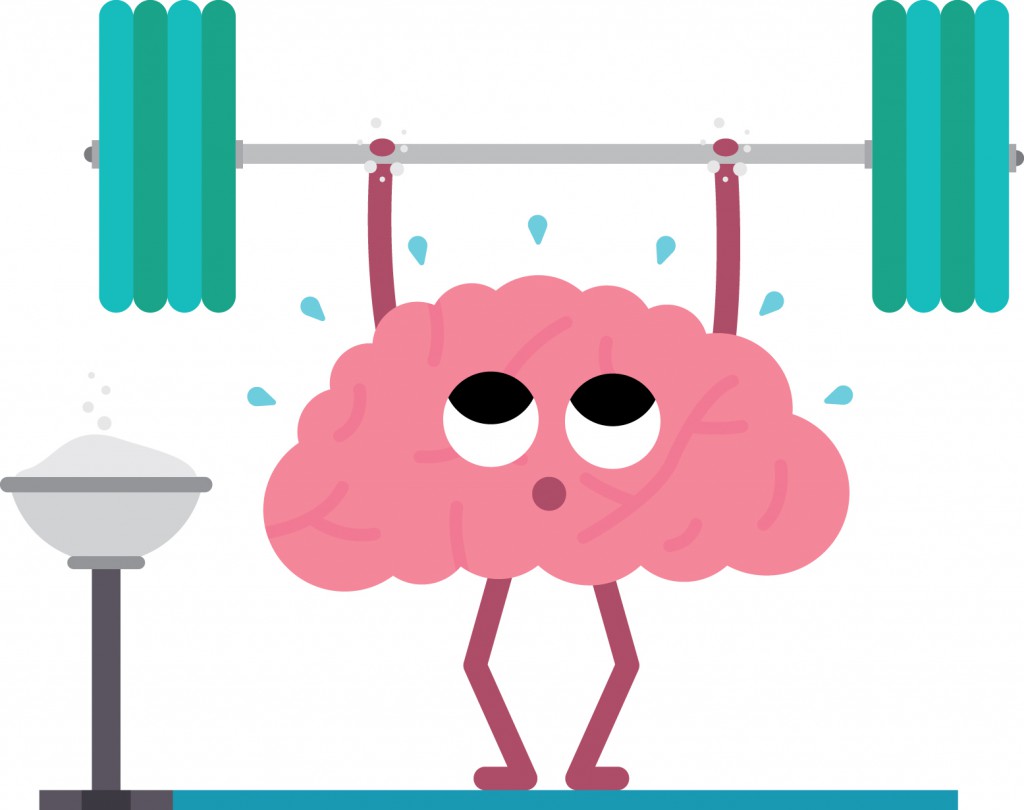
Much of health­care deliv­ery has tra­di­tion­ally been set-up to deal with a ‘brain­less body’; yet we con­sis­tently com­plain that we can­not change patient and con­sumer behav­iours and main­tain adher­ence to treat­ment pro­grammes. Health­care sys­tems are now recog­nis­ing the lim­its of this model and that there are major ben­e­fits to bet­ter com­pre­hend­ing and engag­ing cog­ni­tive func­tion Read the rest of this entry »

Research: Does Nintendo Brain Age work as a brain training game?
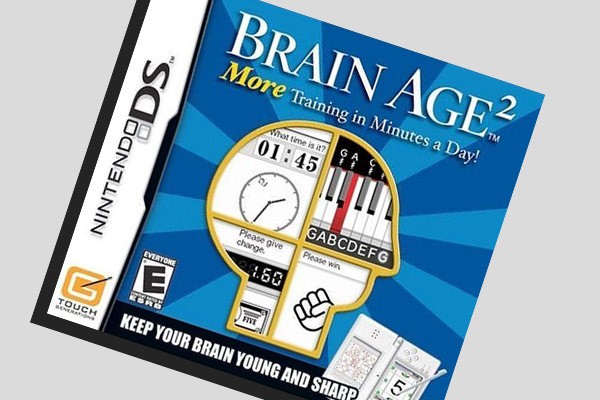
A new study tries to, but unfor­tu­nately doesn’t, answer that ques­tion. Study: Brain Train­ing Game Improves Exec­u­tive Func­tions and Pro­cess­ing Speed in the Elderly: A Ran­dom­ized Con­trolled Trial (PLoS ONE).

Con­clu­sions: Our results showed that play­ing Brain Age for 4 weeks could lead to improve cog­ni­tive func­tions (exec­u­tive func­tions and pro­cess­ing speed) in the elderly. This result indi­cated that there is a pos­si­bil­ity which the elderly could improve exec­u­tive func­tions and pro­cess­ing speed in short term train­ing. The results need repli­ca­tion in large sam­ples. Long-term effects and rel­e­vance for every-day func­tion­ing remain uncer­tain as yet.” Read the rest of this entry »

Transcript: Alvaro Fernandez on Brain Health and Non-invasive Cognitive Enhancement
Below you can find the full tran­script of our engag­ing Q&A ses­sion yes­ter­day on life­long cog­ni­tive fit­ness, “men­tal cap­i­tal­ism”, and more,  with Alvaro Fer­nan­dez, co-author of The Sharp­Brains Guide to Brain Fit­ness, mod­er­ated by Harry Moody, Direc­tor of Aca­d­e­mic Affairs at AARP.

Read the rest of this entry »

Needed: funding for innovative research on slowing cognitive decline via cognitive training

I was really inter­ested in the recent cri­tique of the BBC brain train­ing exper­i­ment by Dr. Eliz­a­beth Zelin­ski. I think Owens et al (2010) was a crit­i­cal piece of research which was not con­ducted in the right way and was focus­ing on the wrong sam­ple pop­u­la­tion.  I totally agree with the com­ments by Dr. Zelin­ski regard­ing the poten­tial for sam­ple bias and the use of some ques­tion­able cog­ni­tive mea­sures. How­ever, I would like to take this cri­tique fur­ther and ques­tion whether the study was value for money when there are other stud­ies which can­not achieve fund­ing but would, in my opin­ion, show the criticism/scepticism of the use-it-or-lose-it theory.

I think there is not enough crit­i­cism about the age of the sam­ple pop­u­la­tion used in Owens et al. (2010). We have con­clu­sive cog­ni­tive and neu­ro­log­i­cal evi­dence that cognitive/neurological plas­tic­ity exists in young adults. There is also ade­quate evi­dence that neu­ro­plas­tic­ity is evi­dent in older adults. The crit­i­cal point which I want to make about the sam­ple pop­u­la­tion in Owens et al. study is that it did not tar­get the cor­rect sam­ple pop­u­la­tion, that is, older adults who are at risk of cognitive/neuronal atro­phy. It does not mat­ter if younger adults improve on brain train­ing tasks, or if skills picked up by younger adults from brain train­ing are not trans­ferred to other cog­ni­tive domains, sim­ply because younger adults are good at these skills/cognitive func­tions. There­fore there is a pos­si­bil­ity that ceil­ing or scal­ing effects mask the true find­ings in Owens et al. (2010), as indi­cated by Zelinski.

The recruit­ment of the sam­ple pop­u­la­tion is also very con­cern­ing and I do not feel that their con­trol group was appro­pri­ate. Read the rest of this entry »

BBC “Brain Training” Experiment: the Good, the Bad, the Ugly

You may already have read the hun­dreds of media arti­cles today titled “brain train­ing doesn’t work” and sim­i­lar, based on the BBC “Brain Test Britain” experiment.

Once more, claims seem to go beyond the sci­ence back­ing them up … except that in this case it is the researchers, not the devel­op­ers, who are responsible.

Let’s recap what we learned today.

The Good Sci­ence

The study showed that putting together a250px-ClintEastwood vari­ety of brain games in one web­site and ask­ing peo­ple who hap­pen to show up to play around for a grand total of 3–4 hours over 6 weeks (10 min­utes 3 times a week for 6 weeks) didn’t result in mean­ing­ful improve­ments in cog­ni­tive func­tion­ing. This is use­ful infor­ma­tion for con­sumers to know, because in fact there are web­sites and com­pa­nies mak­ing claims based on sim­i­lar approaches with­out sup­port­ing evi­dence. And this is pre­cisely the rea­son Sharp­Brains exists, to help both con­sumers (through our book) and orga­ni­za­tions (through our report) to make informed deci­sions. The paper only included peo­ple under 60, which is sur­pris­ing, but, still, this is use­ful infor­ma­tion to know.

A TIME arti­cle sum­ma­rizes the lack of trans­fer well:

But the improve­ment had noth­ing to do with the interim brain-training, says study co-author Jes­sica Grahn of the Cog­ni­tion and Brain Sci­ences Unit in Cam­bridge. Grahn says the results con­firm what she and other neu­ro­sci­en­tists have long sus­pected: peo­ple who prac­tice a cer­tain men­tal task — for instance, remem­ber­ing a series of num­bers in sequence, a pop­u­lar brain-teaser used by many video games — improve dra­mat­i­cally on that task, but the improve­ment does not carry over to cog­ni­tive func­tion in general.”

The Bad Sci­ence

The study, which was not a gold stan­dard clin­i­cal trial, angeleyescleef1.thumbnailcon­tained obvi­ous flaws both in method­ol­ogy and in inter­pre­ta­tion, as some neu­ro­sci­en­tists have started to point out. Back to the TIME article:

Kling­berg (note: Torkel Kling­berg is a cog­ni­tive neu­ro­sci­en­tist who has pub­lished mul­ti­ple sci­en­tific stud­ies on the ben­e­fits of brain train­ing, and founded a com­pany on the basis of that pub­lished work)…criticizes the design of the study and points to two fac­tors that may have skewed the results.

On aver­age the study vol­un­teers com­pleted 24 train­ing ses­sions, each about 10 min­utes long — for a total of three hours spent on dif­fer­ent tasks over six weeks. “The amount of train­ing was low,” says Kling­berg. “Ours and oth­ers’ research sug­gests that 8 to 12 hours of train­ing on one spe­cific test is needed to get a [gen­eral improve­ment in cognition].”

Sec­ond, Read the rest of this entry »

Update: 15 FAQs on Neuroplasticity / Brain Plasticity

Here you have the Octo­ber edi­tion of our monthly newslet­ter cov­er­ing cog­ni­tive health and brain fit­ness topics.

We recently run an online sur­vey among sub­scribers of our monthly eNewslet­ter, and over 500 peo­ple neuroplasticity faqssaid we have helped them make bet­ter per­sonal or pro­fes­sional deci­sions on how to main­tain and improve brain fit­ness. Respon­dents also had many good ques­tions to ask, so I have selected 15 com­mon ones, paraphrased/ syn­the­sized them below, and answered them by link­ing to our most rel­e­vant posts and resources. I hope you enjoy the FAQ session.

Q: I teach a brain fit­ness class at my library/ senior center/ school, using much of your info. Can you share some of your pre­sen­ta­tions?
A: Yes, we have just decided to share, using a Cre­ative Com­mons Attri­bu­tion No Deriv­a­tives License, the full pre­sen­ta­tion of my recent book talk at New York Pub­lic Library (opens video in YouTube). As long as you give credit to Sharp­Brains and don’t mod­ify it, you are free to use the pre­sen­ta­tion you can view and down­load HERE.

Q: What exactly does neu­ro­plas­tic­ity neurons in actionmean, and why is it so impor­tant for edu­ca­tion and health?
A: Start by read­ing how learn­ing changes your brain.

Q. Is this only rel­e­vant for older adults? Can I also apply it in the work­place (I am 47)
A. I strongly sus­pect you do have a human brain, so you may ben­e­fit from these Ten Habits of Highly Effec­tive Brains. Fur­ther, HR depart­ments would do well to start pay­ing more atten­tion to Cog­ni­tive Fit­ness and the Mature Work­force trends.

Q. I read so many con­flict­ing things I don’t know where to start.
A. You are not alone. We should all be aware that It is Not Only Cars That Deserve Good Main­te­nance: Brain Care 101.

Q. How can my orga­ni­za­tion deliver brain fit­ness activ­i­ties as a com­mu­nity ser­vice?
A. These arti­cles will pro­vide good guide­lines and ideas: Retool­ing Use It or Lose It , and Pub­lic Libraries: Community-Based Health Clubs for the Brain.

Q. Every­one seems obsessed with brain games. What about med­i­ta­tion?
A. Check out Yes, You Can Build Willpower, and Mind­ful­ness Med­i­ta­tion in Schools.

Q. Are software-based cog­ni­tive inter­ven­tions effec­tive?
A. As a cat­e­gory, it cer­tainly seems so, as long as we ask the right ques­tions, For Whom, For What?. For exam­ple, did you see this Sci­ence paper on how Cog­ni­tive Train­ing Can Influ­ence Dopamine Sys­tem?.

Q. What about the trade-off between time invested vs ben­e­fits real­ized.
A. Effi­ciency and replic­a­bil­ity of cog­ni­tive and brain-based out­comes seem to be, in fact, the strongest points of struc­tured cog­ni­tive inter­ven­tions. They seem to max­i­mize the Cog­ni­tive Value of your Men­tal Work­out.


Q. It some­times looks like the whole field came out of nowhere, due to Nin­tendo Brain Age’s suc­cess, so we can’t be talk­ing about some­thing seri­ous.

A: Nin­tendo did indeed cre­ate con­sumer aware­ness (for a prod­uct with lit­tle evi­dence) but “brain train­ing” has solid roots in neu­ropsy­chol­ogy and cog­ni­tive neu­ro­science, as you can read in our inter­view with Elkhonon Gold­berg.

Q. What about neu­ro­feed­back?
A. After years of much clin­i­cal use and lit­tle solid evi­dence, sev­eral impor­tant tri­als have been pub­lished since 2009, show­ing how neu­ro­feed­back can help diag­nose and treat ADHD patients, for exam­ple.

Q. How can one improve mem­ory?

A. Well, the answer deserves a whole book, but we can offer some Tips to Improve Mem­ory includ­ing Sleep, Prac­tice and Test­ing.

Q. How can I brain fitness bookschoose one among the num­ber of prod­ucts mak­ing mem­ory and brain claims?
A. We sug­gest you use this Eval­u­a­tion check­list, and con­sider read­ing our con­sumer guide/ book.

Q. Any gen­eral tips for edu­ca­tors and life­long learn­ers?
A. Indeed, here you have these 10 Brain Tips to Teach and Learn.

Q. How can I keep track of all the new brain fitness market infographictrends, com­pa­nies and prod­ucts? Our health system/ insurer/ senior community/ ven­ture firm/ com­pany needs to make good deci­sions.
A. Well, that’s why we pub­lish mar­ket research, such as the one sum­ma­rized in this Info­graphic: State of the Mar­ket 2009 and also recently launched a pro­fes­sional Net­work for Brain Fit­ness Inno­va­tion.

Q: Thank you for all the infor­ma­tion you provide…but what I want more of is… brain teasers!
A. Under­stood. We will make sure to offer more, but you can try, right now, these Top 50 Brain Teasers and con­tinue with more recent puz­zles and brain games.

Brain Training Market Talk, at MIT/ BoomerTech Series

We’ll have an excit­ing ses­sion in Palo Alto on Octo­ber 6th, as part of the BoomerTech series orga­nized by the MIT Club and Smart­Sil­vers. Let me share the details now.

Fact or Fad: Who is Shap­ing the Brain Fit­ness Mar­ket?
Descrip­tion: Lots of buzz … Per­haps you think that “Senior Moments” are an inevitable part of aging. MIT Club Northern CaliforniaBut research shows you may be able to keep your brain young and fit the same way you do your body, with exer­cise and train­ing. With the suc­cess of Nintendo’s Brain Age, Posit Sci­ence and dozens of new soft­ware pro­grams and games that promise “brain fit­ness”, the real ques­tion is: “Are we expe­ri­enc­ing a fad, or an emerg­ing new con­sumer market?”

Join our speaker, Alvaro Fer­nan­dez, author of the new book, The Sharp Brains Guide to Brain Fit­ness, and our expert panel to discuss:

* What are the top prod­ucts on the mar­ket today?
* Can the emerg­ing field of Brain fit­ness improve your job per­for­mance?
* How will con­sumers make informed deci­sions on what to buy and use?
* What are the emerg­ing trends to lever­age for entre­pre­neurs to jump into the marketplace?

Click Here to Register

Speaker, Pan­elist & Moderator

Alvaro Fer­nan­dez, Sharp­Brains — Alvaro is co-founder and CEO of Sharp­Brains, a lead­ing mar­ket research firm that tracks the mar­ket and research for cog­ni­tive assess­ments, train­ing, and games. A mem­ber of the World Eco­nomic Forum’s Global Agenda Coun­cils, he has been quoted in The New York Times, The Wall Street Jour­nal, USA Today, and more, and recently co-authored the book, The Sharp­Brains Guide to Brain Fit­ness: 18 Inter­views with Sci­en­tists, Prac­ti­cal Advice, and Prod­uct Reviews, to Keep Your Brain Sharp. Alvaro received mas­ters’ degrees in edu­ca­tion and busi­ness from Stan­ford Uni­ver­sity, and teaches at UC-Berkeley Osher Life­long Learn­ing Institute.

Pan­elists

Roger Quy, Gen­eral Part­ner, Tech­nol­ogy Part­ners — Roger has been respon­si­ble for the life sci­ence prac­tice of Tech­nol­ogy Part­ners since 1989. He spe­cial­izes in neu­rotech­nol­ogy, invest­ing in both bio­pharma and med­ical device com­pa­nies. Roger began his career at the Queen Square Insti­tute of Neu­rol­ogy, Lon­don where he was a Research Fel­low for the British Med­ical Research Coun­cil. He devel­oped and com­mer­cial­ized tech­niques for mon­i­tor­ing the brains of ambu­la­tory patients. He con­tributed to a text­book on epilepsy and holds eight patents. Roger earned a BA with hon­ors in psy­chol­ogy and law and a PhD in neu­ro­science from the Uni­ver­sity of Keele, Eng­land. He received an MBA from the Haas School of Busi­ness at the Uni­ver­sity of Cal­i­for­nia, Berkeley.

Jan Zivic, Founder, Vibrant Brains — Jan’s inter­est in Brain Fit­ness is very per­sonal. She suf­fered a trau­matic brain injury after an auto­mo­bile acci­dent sev­eral years ago, and expe­ri­enced the con­cept of neu­ro­plas­tic­ity first-hand as she reha­bil­i­tated from not being able to walk or think ratio­nally to restor­ing much of her pre­vi­ous function.

Jan has served in a vari­ety of lead­er­ship roles includ­ing: the Board of Direc­tors of the Yerba Buena Cen­ter for the Arts where she cur­rently serves as Pres­i­dent of the Board, the Library Com­mis­sion of SF, the Cal­i­for­nia Exec­u­tive Recruiters Asso­ci­a­tion (its first female Pres­i­dent), the Kather­ine Del­mar Burke Inde­pen­dent School, and The Fam­ily Ser­vices Agency of SF — Pres­i­dent of the Board. Jan was rec­og­nized as The SF Cable Car Awards “Woman of the Year,” and later as the recip­i­ent of the Maya Angelou Com­mu­nity Lead­er­ship Award, from the Uni­ver­sity of Cal­i­for­nia, San Fran­cisco Med­ical School’s Cen­ter Of Excellence.

Date: Tues­day, Octo­ber 6, 2009

Time:

* 6:00PM Reg­is­tra­tion, Hors d’oeuvres and Net­work­ing
* 7:00PM Pre­sen­ta­tion and Panel Discussion

Cost:

* $20.00 in advance on the web­site
* $25.00 Walk-ins at the door (cash or check please, no credit cards accepted at door)

Con­tact:

Michael Sar­fatti
tel 415–885-2293
sarfatti@alum.mit.edu

Loca­tion:

Wil­son Son­sini
950 Page Mill Road
Palo Alto, CA 94301

Click Here to Register

Top Articles on Brain, Cognition and Neuroplasticity

  1. Do you believe these neu­romyths?, by SharpBrains
  2. Brain Plas­tic­ity: How learn­ing changes your brain, by Pas­cale Michelon
  3. In the Age of Google, Should Schools Teach Mem­o­riza­tion Skills?, by Bill Klemm
  4. Does cog­ni­tive train­ing work? (For Whom? For What?), by Pas­cale Michelon
  5. The Emo­tional Life of Your Brain, by by Richard David­son, Sharon Begley
  6. Cur­rent State of the Sci­ence behind Neu­ro­feed­back Treat­ment for ADHD, by David Rabiner
  7. To Be (Your Con­nec­tome), or Not to Be (Your Genome), by Sebas­t­ian Seung
  8. Top 10 Brain Fit­ness Future Trends, by Alvaro Fernandez
  9. Biofeed­back now a “Level 1 — Best Sup­port” Inter­ven­tion for ADHD, by SharpBrains
  10. When 1 + 1 = 5: Dyscal­cu­lia and Work­ing Mem­ory, by Tracy Alloway
  11. Train­ing Atten­tion and Emo­tional Self-Regulation — Inter­view with Michael Pos­ner, by Alvaro Fernandez
  12. The Ten Habits of Highly Effec­tive Brains, by Alvaro Fernandez
  13. Why do You Turn Down the Radio When You’re Lost?, by Car­o­line Latham
  14. Brain fit­ness Q&A: Mem­ory, stress, emo­tions, by Alvaro Fernandez
  15. Cog­ni­tive ther­apy or med­ica­tion? Brain scans may help per­son­al­ize treat­ments, by SharpBrains
  16. New Study shows Teens with ADHD helped by Cog­ni­tive Behav­ioral Ther­apy, by David Rabiner
  17. How Do Words Change Our Brains and Lives?, by Andrew New­berg, Mark Waldman
  18. BBC “Brain Train­ing” Exper­i­ment: the Good, the Bad, the Ugly, by Alvaro Fernandez
  19. Sci­en­tific cri­tique of BBC/ Nature Brain Train­ing Exper­i­ment, by Liz Zelinski
  20. From Anti-Alzheimer’s “Magic Bul­lets” to True Brain Health, by Alvaro Fer­nan­dez, Peter Whitehouse
  21. Why Agile Minds Deploy Both Ratio­nal and Intu­itive Problem-Solving, by Judith Tingley
  22. Why I Wrote The Woman Who Changed Her Brain, by Bar­bara Arrowsmith-Young
  23. The Busi­ness and Ethics of the Brain Fit­ness Boom, by Alvaro Fernandez
  24. Break­ing Down the Cog­ni­tion & Alzheimer’s Dis­ease Alpha­bet Soup, by Dharma Singh Khalsa
  25. Top 10 Quotes on Life­long Neu­ro­plas­tic­ity, by Alvaro Fernandez
  26. To Har­ness Neu­ro­plas­tic­ity, Start with Enthu­si­asm, by Helena Popovic
  27. Q&A with Yaakov Stern on Brain Reserve, Exer­cise, Cog­ni­tive Train­ing, Angry Birds, by Alvaro Fernandez
  28. It is Not Only Cars That Deserve Good Main­te­nance: Brain Care 101, by Alvaro Fernandez
  29. Eval­u­a­tion Check­list for Brain Fit­ness prod­ucts and games, by Alvaro Fernandez
  30. Mind­ful­ness and Med­i­ta­tion in Schools for Stress Man­age­ment, by Jill Sutie
  31. Stress and Neural Wreck­age: Part of the Brain Plas­tic­ity Puz­zle, by Gre­gory Kellet
  32. Cog­ni­tive and Emo­tional Devel­op­ment Through Play, by David Elkind
  33. AARP’s Brain Fit­ness Best Books List, by SharpBrains
  34. Judith Beck: Train Your Brain to Think Like a Thin Per­son, by Alvaro Fernandez
  35. Improve Mem­ory with Sleep, Prac­tice, and Test­ing, by Bill Klemm
  36. 10 Brain Tips To Teach and Learn, by Lau­rie Bartels
  37. Dr. Elkhonon Gold­berg on Cog­ni­tive Train­ing and Brain Fit­ness, by Alvaro Fernandez
  38. Mind­ful­ness Med­i­ta­tion for Adults & Teens with ADHD, by David Rabiner
  39. Phys­i­cal Exer­cise and Brain Health, by Pas­cale Michelon
  40. Sleep, Tetris, Mem­ory and the Brain, by Shan­non Moffet

Welcome to SharpBrains.com

As seen in The New York Times, The Wall Street Jour­nal, CNN and more, Sharp­Brains is an inde­pen­dent mar­ket research and think tank track­ing health, edu­ca­tion, and pro­duc­tiv­ity appli­ca­tions of neuroscience.

Register Now at Discounted Rates

2013 SharpBrains Summit

Watch 10 Predictions on Digital Brain Health in 2013 (3 minutes)

Cover_video
Enter Your Email and Sub­scribe to our free Monthly eNewslet­ter:
Join more than 40,000 Sub­scribers and stay informed and engaged.

Follow Us Via…

twitter_logo_header