

Posts Tagged ‘cognitive-exercises’
Click Therapeutics raises further $52M to build up digital therapeutics pipeline for depression, insomnia, smoking cessation and more

With Sanofi still on board, Click Therapeutics closes $52M series B for digital therapeutics in depression, chronic pain and more (Fierce Biotech): Another medtech developer’s plans to create digital therapeutics to treat a wide range of illnesses are clicking into place, thanks to a third multimillion-dollar investment in Click Therapeutics in barely a year.
Read MoreSurvey finds significant promise for home-based, data-rich cognitive therapy among stroke survivors
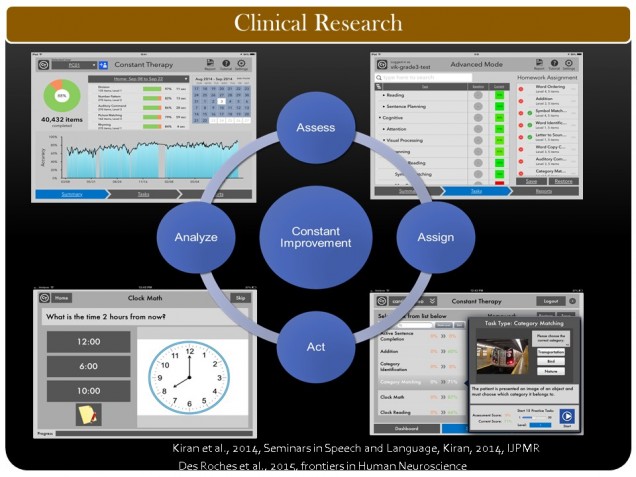
Telehealth Sees Success in Therapy (MHealth Intelligence): “Telehealth-based therapy programs for stroke survivors have helped increase cognitive and language skills and enabled patients to receive therapy five times more often, according to one company.
Read MoreBrain health research study by AARP: Consumers pursue brain training to support a more enjoyable, self-managed life

. AARP just released a very interesting brain health research study based on 1,200 online interviews conducted in August 2014. Key findings include: Maintaining a healthy lifestyle is important to all consumers (99% find it at least somewhat important). Brain health is the second most important component in maintaining a healthy lifestyle, after heart health (37%…
Read MoreUpdate: Let’s transform brain health from “suffer-in-silence” to “let-me-take-control”

Time for our September 2014 e‑newsletter, featuring a wealth of insights and innovations reports…including four thought-provoking interviews with Sponsors of the 2014 SharpBrains Virtual Summit (October 28–30th). Enjoy! New perspectives at the frontier of Brain, Health & Innovation: Barbara Arrowsmith Young: Every kid should practice stress reduction and targeted cognitive exercises at school Michael Meagher (Cogniciti): Let’s transform brain…
Read MoreBarbara Arrowsmith Young: Every kid should practice stress reduction and targeted cognitive exercises at school

What is your current job title and organization, and what excites you the most about working there? As discussed in The Brain that Changes Itself and in my own book, The Woman Who Changed Her Brain, I launched the Arrowsmith Program, a suite of cognitive exercises–now in more that 60 schools–designed to strengthen weak cognitive areas…
Read MoreWhy I Wrote The Woman Who Changed Her Brain
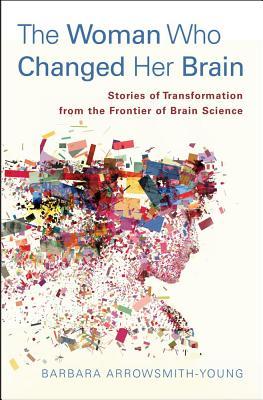
We have always thought that “our brain shapes us.” I wrote my new book, The Woman Who Changed Her Brain (May 2012; Free Press, Foreword by Norman Doidge), to prove that the reverse is equally true. I wanted to demonstrate how “we can shape our brains.” Imagine having a brain that is capable and incapable at…
Read More