

Posts Tagged ‘treatment’
Study on the “ABCs of Mental Health” finds that simply believing you can improve mental wellbeing helps actually improve it

The number of people struggling with poor mental health and mental disorders has been rising around the world over the past few decades. Those who are struggling are increasingly facing difficulties accessing the kind of support they need – leaving many waiting months for help, if they even qualify for treatment. While it’s clear that…
Read MoreDigital therapeutics pioneer Akili Interactive plans to go public in mid-2022 at a $1B valuation

Palihapitiya-Led SPAC to Merge With Akili in $1 Billion Deal (Bloomberg): Akili Interactive, a startup that has developed a video game to help treat attention-deficit disorders in kids, has agreed to go public through a merger with one of Chamath Palihapitiya’s blank-check companies. The deal, which confirms a Bloomberg News report, values the combined entity…
Read MoreWebinar on Tuesday, June 16th: Harnessing neuroplasticity to transform brain rehabilitation

Quick heads-up on an opportunity for clinicians to learn about an innovative program transforming brain injury rehab up in Canada. When: Tue, June 16, 2020. 3:00 PM – 4:00 PM EDT
Read MoreLarge study finds positive yet mixed results from Akili’s digital therapeutic for kids with ADHD

__ Full publication of pivotal trial data outlines Akili’s case for FDA regulation (MobiHealthNews): “A full transcript of STARS-ADHD — the pivotal trial of Akili Interactive’s video game-like pediatric attention deficit treatment — has been published in The Lancet Digital Health journal, providing onlookers a clear view of data fueling the digital therapeutic company’s pending…
Read MoreMachine-learning study finds EEG brain signatures that predict response to antidepressant treatments
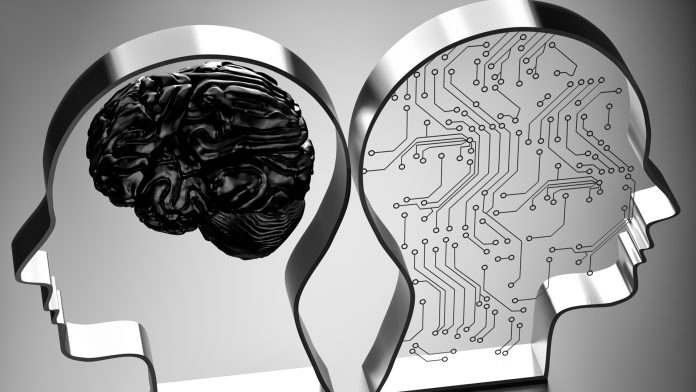
– Brain-wave pattern can identify people likely to respond to antidepressant, study finds (Stanford Medicine press release): “A new method of interpreting brain activity could potentially be used in clinics to help determine the best treatment options for depression, according to a study led by researchers at the Stanford School of Medicine. Stanford researchers and…
Read MoreStudy finds combined pharma + non-pharma treatment most beneficial to help youth with ADHD address long-term academic difficulties

__ Academic difficulties are one of the most important adverse consequences of ADHD, and they frequently contribute to parents’ decision to seek treatment for their child. Whether treatment consistently yields a positive impact on long-term academic success is thus an important issue; however, the answer to this question has been somewhat controversial.
Read More