

Posts Tagged ‘thinking’
Five thoughts to think about when thinking about the speed of thought
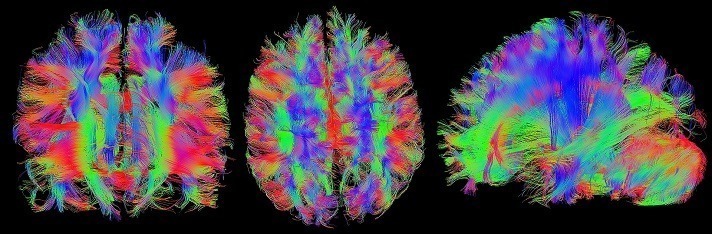
As inquisitive beings, we are constantly questioning and quantifying the speed of various things. With a fair degree of accuracy, scientists have quantified the speed of light, the speed of sound, the speed at which the earth revolves around the sun, the speed at which hummingbirds beat their wings, the average speed of continental drift…. These…
Read MoreWishing you a Happy New Decade (and sharing eight brain wellness tips to make it possible)

___ Ready for a Happy New Year and Happy New Decade? Here’s a special edition of the SharpBrains monthly e‑newsletter featuring the latest on brain health and mental well-being — we hope you enjoy these tips and advice about what to do, and what not to, to promote brain wellness in 2020 and beyond: Practice…
Read MoreThe World Economic Forum hosts Global Future Council on Neurotechnologies in Dubai (November 10–12th)

Quick heads-up on a very promising event. Description: Quickly developing neurotechnologies will have an impact on entire industries, governments, and societies in the future. The Global Future Council on Neurotechnologies will explore these technological developments and their ethical implications for society.
Read MoreForget thinking vs. feeling dichotomy. Think/ feel holistic brain functioning
Mental Math and the Fine-Tuning of Emotions (The Dana Foundation) “You often hear the word “calculating” used to describe someone who always seems to act deliberately, guided by reason rather than emotion. The idea behind this characterization is that human nature straddles a deep divide between thinking and feeling, but current research suggests otherwise. Brain-imaging studies,…
Read MoreUpdate: To improve memory and thinking, try the Mediterranean diet with added olive oil and nuts

. Time for SharpBrains’ May e‑newsletter, wrapping up this month’s key brain and mind studies, pervasive neurotechnology news, and brain fitness insights. New research: To improve memory and thinking skills, try the Mediterranean diet with added olive oil and nuts Sports-related concussions can impact academic performance, especially in high school Scientists issue a call to action for TBI patients…
Read MoreApril 2015 Update: Latest neuroscience studies, neurotechnology news and brain fitness insights

. Time for SharpBrains’ April e‑newsletter, wrapping up this month’s key neuroscience studies, neurotechnology news and brain fitness insights…and including a fun brain teaser at the end. Upcoming events: NeuroGaming conference + ESCoNS Summit in San Francisco (discount code: SharpBrains) Online course on ADHD treatments to include complementary 1‑year treatment monitoring system (discount code: sharp2015) New research: The best brain supplement…
Read More