

Posts Tagged ‘public-health’
US Senator Joe Manchin calls for a new FDA Commissioner to replace current (acting) one who “has repeatedly ignored public health concerns and shown a dereliction of duty” over opioids and aducanumab

Key Democrat Manchin Bashes FDA Leader on Alzheimer’s Approval (Bloomberg): Senator Joe Manchin, a moderate Democrat considered a crucial vote within the party’s slim Senate majority, said Janet Woodcock, the temporary head of the Food and Drug Administration, should be quickly replaced with a permanent leader. Manchin blasted an FDA decision to approve the controversial…
Read MoreGiven cognitive strengths and needs are diverse, what brain training may work best for each person and under which conditions?
Does ‘Brain Training’ Actually Work? (Scientific American): If there were an app on your phone that could improve your memory, would you try it? Who wouldn’t want a better memory? After all, our recollections are fragile and can be impaired by diseases, injuries, mental health conditions and, most acutely for all of us, aging.
Read MoreLarge UC study to investigate when and how brain training transfers (or does not) to broader cognitive and health benefits
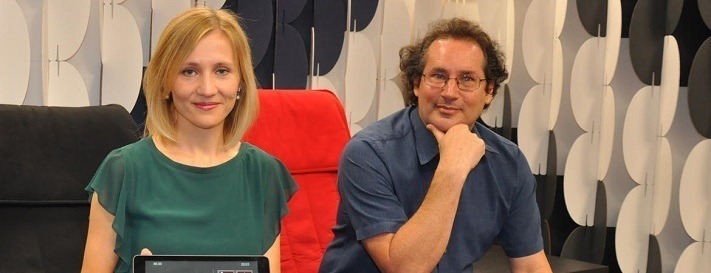
Nationwide project seeks to understand how brain exercises produce cognitive benefits (UC press release): How does memory training lead to cognitive benefits? Aaron Seitz, director of the Brain Game Center for mental fitness and well-being at the University of California, Riverside, has wrestled with this question for several years. Now he and Susanne Jaeggi, an associate professor…
Read MoreTime to adopt Mindfulness-Based Cognitive Therapy (MBCT) as a public health intervention to ease depression?

___ As nearly 10,000 freshmen and transfers arrived on campus at the University of California, Los Angeles, last fall, they were invited to try something never before offered during student orientation: depression screening. The hope, administrators explained, is that by identifying their risk for depression, students can get the support they need before they face…
Read MoreExplore the Future of Public Health & Brain Health with David Bartrés-Faz, PI of the Barcelona Brain Health Initiative

We’re happy to announce that David Bartrés-Faz, Principal Investigator of the new Barcelona Brain Health Initiative, will be speaking at the 2017 SharpBrains Virtual Summit (December 5–7th). The Barcelona Brain Health Initiative (BBHI) is a new research project promoted by the Institut Guttmann, with the support from members of Harvard Catalyst and Harvard Medical School, already recruiting over 3,000…
Read MoreReport: 35% of worldwide dementia cases could be prevented by modifying these 9 modifiable risk factors
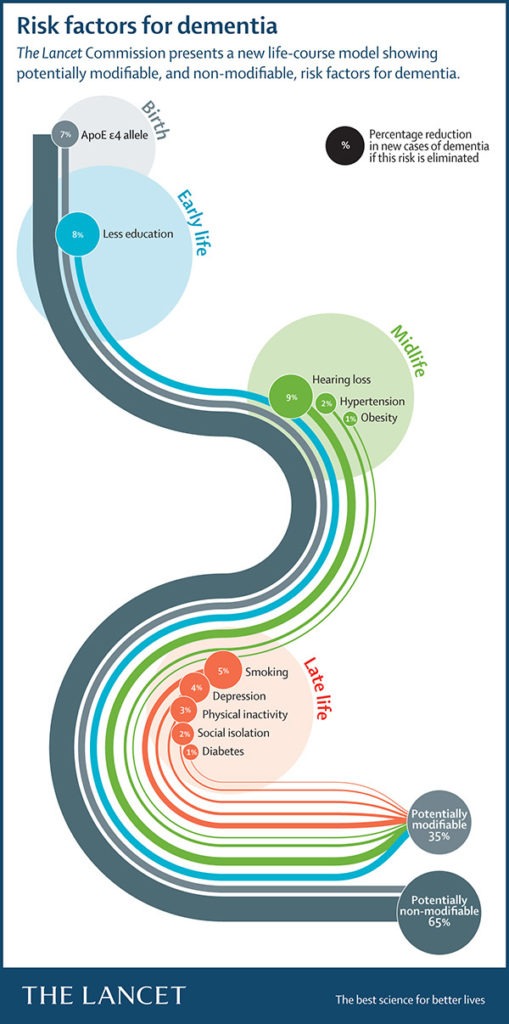
The Lancet Commission: One Third of Dementia May Be Preventable (Lancet report release): “Today’s findings are extremely hopeful,” said Maria Carrillo, PhD, chief science officer at the Alzheimer’s Association. “At an individual level, many people have the potential to reduce their risk of cognitive decline, and perhaps dementia, through simple, healthful behavior changes. At a…
Read More