

Posts Tagged ‘cognitive-fitness’
Best books on brain health and cognitive fitness according to ChatSpot and ChatGPT

Out of curiosity we queried a couple popular AI chatbots, ChatSpot and ChatGPT free versions, about the best books in a couple of key topics we discuss a lot in this blog. Here are the fascinating results, and some brief commentary at the end. (Links open corresponding Amazon book pages.) Best books on brain health, per…
Read MoreCumulus Neuroscience raises $8.3M to develop EEG-based wireless ‘Fitbit for the brain’
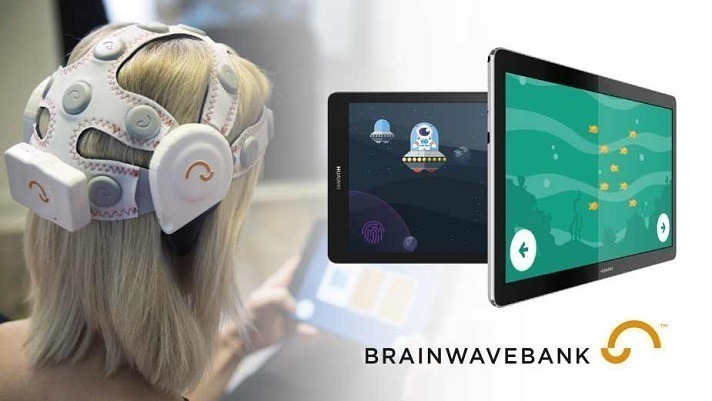
Belfast-based Cumulus raises €6.9m for its ‘Fitbit for the brain’ (The Irish Times): … Formerly known as BrainWaveBank, the company has developed a wireless electroencephalogram (EEG) headset and proprietary software platform that use advanced analytics and machine learning to measure cognitive fitness. “This funding will allow us to build on the ground-breaking advances we have made…
Read MoreDebate: Should heads of state and candidates to high office pass a cognitive/ mental fitness test?

Wow, that was quite a discussion over at Facebook groups on Neuroscience, Neuroplasticity, Psychiatry & Clinical Psychology, Singularity and beyond as a response to the question Should heads of state and candidates to high office pass a cognitive/ mental fitness test? Here are (lightly edited, randomly ordered, anonymized) some of the sharpest comments among the 100+…
Read MoreStudy finds continued birth of new neurons (neurogenesis) well into our 70s
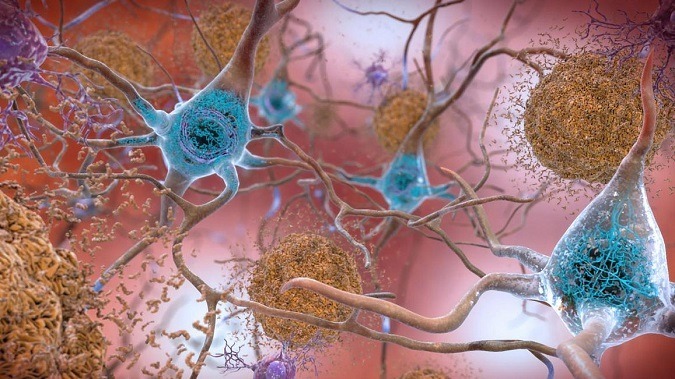
___ New brain memory cells develop well into old age (Reuters): “Well into our 70s, we continue to develop new cells in an area of the brain responsible for new memories and exploration of new environments, scientists report. “These new brain cells sustain our abilities to make new memories, learn, and cope with the environment,…
Read MoreDance training: The ultimate way to delay brain decline by combining physical, cognitive, and social engagement

Study: Dancing may offset some effects of aging in the brain (CSU release): “A new study led by a Colorado State University researcher shows that kicking up your heels can actually be good for your noggin. The research team demonstrated for the first time that decline in the brain’s “white matter” can be detected over…
Read MoreThe American Academy of Clinical Neuropsychology (AACN) launches Disruptive Technology Initiative to shape the future of Neuropsychology
Technological breakthroughs are creating enormous potential for the future of neuropsychology and triggering opportunities to create novel strategies for both assessment and intervention. Cognitive fitness is growing into a multi-billion dollar industry. Targets have shifted from diagnosis and treatment of established diseases to early intervention, prevention, and cognitive enhancement. Ubiquitous mobile devices enable both active…
Read More