Sharp Brains: Brain Fitness and Cognitive Health News

Neuroplasticity, Brain Fitness and Cognitive Health News

Lifelong cognitive exercise may ward off Alzheimer’s protein beta amyloid
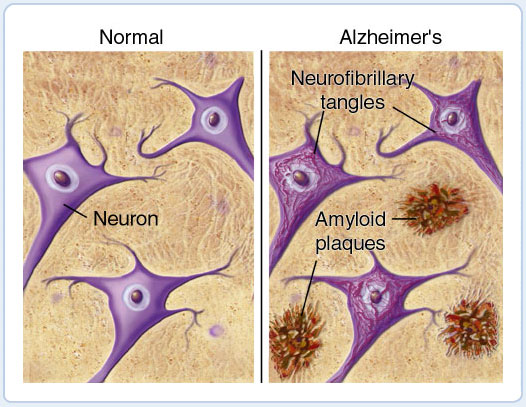
Very sig­nif­i­cant find­ings reported today. Keep­ing brain sharp may ward off Alzheimer’s pro­tein (Reuters):

Peo­ple who chal­lenge their brains through­out their life­times — through read­ing, writ­ing and play­ing games — are less likely to develop pro­tein deposits in the brain linked with Alzheimer’s, researchers said on Mon­day.” Read the rest of this entry »

The Business and Ethics of the Brain Fitness Boom — Part 4: The Future

Build­ing Blocks for a Bet­ter Future

The best alter­na­tive for tomor­row should be bet­ter than the best alter­na­tive avail­able today. How do we get there, when “cog­ni­tion” and “brain fit­ness” remain elu­sive con­cepts in pop­u­lar cul­ture? I believe that the lack of pub­lic edu­ca­tion is the major obsta­cle that lim­its the brain fit­ness field’s poten­tial to deliver real-world ben­e­fits, since only informed demand will ensure the ongo­ing devel­op­ment of ratio­nal, struc­tured “rules of the road.” What could be done to address this and other par­tic­u­lar obsta­cles? Read the rest of this entry »

The Business and Ethics of the Brain Fitness Boom — Part 3: The Real Need

Engag­ing peo­ple where they are in the life-course

Eighty per­cent of the 38,000 adults over age 50 who were respon­ders in the 2010 AARP Mem­ber Opin­ion Sur­vey indi­cated “stay­ing men­tally sharp” was their top ranked inter­est and con­cern (Dinger, 2010). What exactly does this phrase mean? And what role can tech­nol­ogy play in “stay­ing men­tally sharp”? Intel CEO Paul Otellini has said, “You have to start by think­ing about what peo­ple want to do… and work back­ward.” Read the rest of this entry »

The Business and Ethics of the Brain Fitness Boom — Part 2: The Ethics

The ter­mi­nol­ogy “fun­da­men­tal attri­bu­tion error” describes the ten­dency to over­value personality-based expla­na­tions for observed human behav­iors, while under­valu­ing sit­u­a­tional expla­na­tions for those behav­iors.  I believe that a pri­mary rea­son behind many per­ceived and real eth­i­cal chal­lenges in the brain fit­ness field is due not so much to cer­tain stake­hold­ers’ lack of per­sonal or pro­fes­sional ethics, but derives from the flawed soci­etal con­struct that under­pins cur­rent, rel­e­vant inno­va­tions. To improve the ethics of the brain fit­ness busi­ness and its appli­ca­tion (and empower con­sumers’ informed deci­sion mak­ing), there must first be agree­ment about a mean­ing­ful, appro­pri­ate way to ana­lyze and guide inno­va­tion. This is the crux of the prob­lem. The cur­rent med­ical model is not up to the task at hand, since it is heav­ily skewed toward inva­sive drugs and devices dri­ven by disease-based mod­els, and fails to lever­age Read the rest of this entry »

Update: Innovation to Upgrade Brain Care

Here you have the July107px-gray1197thumbnail edi­tion of our monthly eNewslet ter cov­er­ing cog­ni­tive health and brain fit­ness top­ics. Please remem ber that you can sub­scribe to receive this free Brain Fit­ness eNewslet­ter by email, using the box in the right column.

Tech­nol­ogy to upgrade brain care: In this exten­sive inter­view, Dr. John Docherty helps con­nect the dots on why new frame­works and tools are a must to put recent brain research to good use. A must read for all pro­fes­sion­als in the field.

Research

Find­ings from NIH Expert Panel: The Amer­i­can Soci­ety on Aging asked Alvaro Fer­nan­dez to com­ment on the find­ings from a major cog­ni­tive health research review by the National Insti­tutes of Health. Lifestyle still mat­ters, and pro­tec­tive fac­tors against cog­ni­tive decline are led by cog­ni­tive train­ing, phys­i­cal activ­ity and cog­ni­tive engagement.

Sci­en­tific cri­tique of BBC brain train­ing exper­i­ment: Dr. Eliz­a­beth Zelin­ski shares her con­cerns about the April 2010 BBC study, which included sub­stan­tial and unex­plained dropout rates, and ques­tion­able out­come mea­sure­ment and interpretation.

The value of being bilin­gual and build­ing a Cog­ni­tive Reserve to pre­serve learn­ing and mem­ory even in the face of brain dam­age are explored in recent studies.

San Fran­cisco Bay Area study seeks par­tic­i­pants: The Gaz­za­ley Lab at UCSF is look­ing for par­tic­i­pants aged 20–59 to explore the impact of dis­trac­tion and mul­ti­task­ing on per­for­mance across the lifespan.


Inno­va­tion

What impressed Inno­va­tion Awards Judg­ing Panel: Get some insight into what most impressed the Judg­ing Panel about each Win­ner and Final­ist of the 2010 Brain Fit­ness Inno­va­tion Awards.

New — Sharp­Brains’ 2010 Mar­ket Report:  Sharp­Brains’ flag­ship, 207-page, third annual mar­ket report finds con­tin­ued growth for dig­i­tal tech­nolo­gies to assess, enhance and treat cognition.

To man­age brain fit­ness through life, we need to put puz­zle pieces together: inno­v­a­tive tools to help us bet­ter mon­i­tor our cog­ni­tive health and take informed action are badly needed.…and already emerging.

The inter­net will fry your brain. Sure: In his lat­est book, Nicholas Carr does a great job high­light­ing the impli­ca­tions of life­long neuro­plasticity, but picks the wrong enemy.

“Seri­ous Games”:  Can video games inspire peo­ple to per­form acts of altru­ism? Kyle Smith reports.

Teasers

Yahoo Opti­cal Illu­sions and teasers: Yahoo! has cre­ated an expanded sec­tion of illu­sions and teasers, and we were glad to con­tribute to it. Enjoy…and have a great summer!

Top Articles on Brain, Cognition and Neuroplasticity

  1. Do you believe these neu­romyths?, by SharpBrains
  2. Brain Plas­tic­ity: How learn­ing changes your brain, by Pas­cale Michelon
  3. In the Age of Google, Should Schools Teach Mem­o­riza­tion Skills?, by Bill Klemm
  4. Does cog­ni­tive train­ing work? (For Whom? For What?), by Pas­cale Michelon
  5. The Emo­tional Life of Your Brain, by by Richard David­son, Sharon Begley
  6. Cur­rent State of the Sci­ence behind Neu­ro­feed­back Treat­ment for ADHD, by David Rabiner
  7. To Be (Your Con­nec­tome), or Not to Be (Your Genome), by Sebas­t­ian Seung
  8. Top 10 Brain Fit­ness Future Trends, by Alvaro Fernandez
  9. Biofeed­back now a “Level 1 — Best Sup­port” Inter­ven­tion for ADHD, by SharpBrains
  10. When 1 + 1 = 5: Dyscal­cu­lia and Work­ing Mem­ory, by Tracy Alloway
  11. Train­ing Atten­tion and Emo­tional Self-Regulation — Inter­view with Michael Pos­ner, by Alvaro Fernandez
  12. The Ten Habits of Highly Effec­tive Brains, by Alvaro Fernandez
  13. Why do You Turn Down the Radio When You’re Lost?, by Car­o­line Latham
  14. Brain fit­ness Q&A: Mem­ory, stress, emo­tions, by Alvaro Fernandez
  15. Cog­ni­tive ther­apy or med­ica­tion? Brain scans may help per­son­al­ize treat­ments, by SharpBrains
  16. New Study shows Teens with ADHD helped by Cog­ni­tive Behav­ioral Ther­apy, by David Rabiner
  17. How Do Words Change Our Brains and Lives?, by Andrew New­berg, Mark Waldman
  18. BBC “Brain Train­ing” Exper­i­ment: the Good, the Bad, the Ugly, by Alvaro Fernandez
  19. Sci­en­tific cri­tique of BBC/ Nature Brain Train­ing Exper­i­ment, by Liz Zelinski
  20. From Anti-Alzheimer’s “Magic Bul­lets” to True Brain Health, by Alvaro Fer­nan­dez, Peter Whitehouse
  21. Why Agile Minds Deploy Both Ratio­nal and Intu­itive Problem-Solving, by Judith Tingley
  22. Why I Wrote The Woman Who Changed Her Brain, by Bar­bara Arrowsmith-Young
  23. The Busi­ness and Ethics of the Brain Fit­ness Boom, by Alvaro Fernandez
  24. Break­ing Down the Cog­ni­tion & Alzheimer’s Dis­ease Alpha­bet Soup, by Dharma Singh Khalsa
  25. Top 10 Quotes on Life­long Neu­ro­plas­tic­ity, by Alvaro Fernandez
  26. To Har­ness Neu­ro­plas­tic­ity, Start with Enthu­si­asm, by Helena Popovic
  27. Q&A with Yaakov Stern on Brain Reserve, Exer­cise, Cog­ni­tive Train­ing, Angry Birds, by Alvaro Fernandez
  28. It is Not Only Cars That Deserve Good Main­te­nance: Brain Care 101, by Alvaro Fernandez
  29. Eval­u­a­tion Check­list for Brain Fit­ness prod­ucts and games, by Alvaro Fernandez
  30. Mind­ful­ness and Med­i­ta­tion in Schools for Stress Man­age­ment, by Jill Sutie
  31. Stress and Neural Wreck­age: Part of the Brain Plas­tic­ity Puz­zle, by Gre­gory Kellet
  32. Cog­ni­tive and Emo­tional Devel­op­ment Through Play, by David Elkind
  33. AARP’s Brain Fit­ness Best Books List, by SharpBrains
  34. Judith Beck: Train Your Brain to Think Like a Thin Per­son, by Alvaro Fernandez
  35. Improve Mem­ory with Sleep, Prac­tice, and Test­ing, by Bill Klemm
  36. 10 Brain Tips To Teach and Learn, by Lau­rie Bartels
  37. Dr. Elkhonon Gold­berg on Cog­ni­tive Train­ing and Brain Fit­ness, by Alvaro Fernandez
  38. Mind­ful­ness Med­i­ta­tion for Adults & Teens with ADHD, by David Rabiner
  39. Phys­i­cal Exer­cise and Brain Health, by Pas­cale Michelon
  40. Sleep, Tetris, Mem­ory and the Brain, by Shan­non Moffet

Welcome to SharpBrains.com

As seen in The New York Times, The Wall Street Jour­nal, CNN and more, Sharp­Brains is an inde­pen­dent mar­ket research and think tank track­ing health, edu­ca­tion, and pro­duc­tiv­ity appli­ca­tions of neuroscience.

Register Now at Discounted Rates

2013 SharpBrains Summit

Watch 10 Predictions on Digital Brain Health in 2013 (3 minutes)

Cover_video
Enter Your Email and Sub­scribe to our free Monthly eNewslet­ter:
Join more than 40,000 Sub­scribers and stay informed and engaged.

Follow Us Via…

twitter_logo_header