Sharp Brains: Brain Fitness and Cognitive Health News

Neuroplasticity, Brain Fitness and Cognitive Health News

Biofeedback is a “Level 1 — Best Support” Intervention for Attention and Hyperactivity Behaviors

Evidence-based Child and Ado­les­cent Psycho-social Inter­ven­tionsAs we announced last Octo­ber, Prac­tice­Wise, the com­pany that main­tains the Amer­i­can Acad­emy of Pedi­atrics “Evidence-based Child and Ado­les­cent Psycho-social Inter­ven­tions,” has ele­vated biofeed­back to “Level 1 — Best Sup­port” as an inter­ven­tion for Atten­tion & Hyper­ac­tiv­ity Behav­iors. Work­ing Mem­ory Train­ing stays at Level 2. It is impor­tant to note that those lev­els do not con­trast effect sizes or clin­i­cal effi­cacy per se, but qual­ity and over­all direc­tion of under­ly­ing research.

To check out the cur­rent edi­tion of the report: click HERERead the rest of this entry »

01/30 Webinar: 10 Predictions on How Digital Platforms will Transform Brain Health in 2013

Just a quick note: we’ll host a webi­nar on Jan­u­ary 30th to dis­cuss key mar­ket pre­dic­tions based on “The Dig­i­tal Brain Health Mar­ket 2012–2020: Web-based, mobile and biometrics-based tech­nol­ogy to assess, mon­i­tor and enhance cog­ni­tion and brain func­tion­ing”, our new mar­ket report.

Here are 10 pre­dic­tions, many of which will likely be real­ized before the end of 2013: Read the rest of this entry »

Can biofeedback-based videogames help kids regulate anger and emotions?

Video Game With Biofeed­back Teaches Chil­dren to Curb Their Anger (Sci­ence Daily):

Chil­dren with seri­ous anger prob­lems can be helped by a sim­ple video game that hones their abil­ity to reg­u­late their emo­tions, finds a pilot study at Boston Children’s Hos­pi­tal. Results were pub­lished online Octo­ber 24 in the jour­nal Ado­les­cent Psy­chi­a­try Read the rest of this entry »

Biofeedback now a “Level 1 — Best Support” Intervention for Attention & Hyperactivity Behaviors

biofeedback and hyperactivityPrac­tice­Wise, the com­pany that main­tains the Amer­i­can Acad­emy of Pedi­atrics “Evidence-based Child and Ado­les­cent Psycho-social Inter­ven­tions” (see cur­rent edi­tion here) has just announced it will ele­vate biofeed­back to “Level 1 — Best Sup­port” as an inter­ven­tion for Atten­tion & Hyper­ac­tiv­ity Behav­iors in the next edi­tion. Work­ing Mem­ory Train­ing Read the rest of this entry »

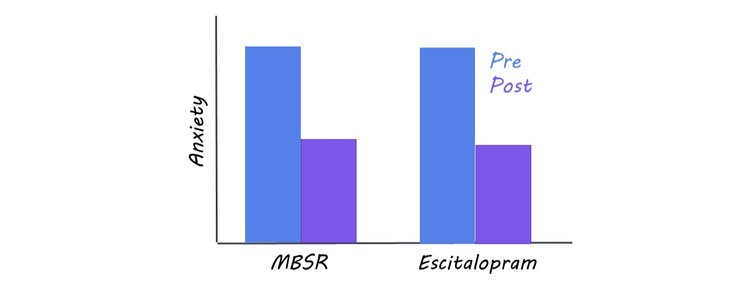
Cognitive therapy or medication? Brain scans may help personalize treatments

Pre­dict­ing How Patients Respond to Ther­apy (press release):

A new study led by MIT neu­ro­sci­en­tists has found that brain scans of patients with social anx­i­ety dis­or­der can help pre­dict whether they will ben­e­fit from cog­ni­tive behav­ioral therapy…Social anx­i­ety is usu­ally treated with either cog­ni­tive behav­ioral ther­apy or med­ica­tions. How­ever, Read the rest of this entry »

Update: Is Having a Brain a Medical Condition?

Time for Sharp­Brains’ August 2012 eNewslet­ter, fea­tur­ing in this occa­sion mul­ti­ple insight­ful per­spec­tives on how emerg­ing brain and cog­ni­tive sci­ence can be applied to  improve edu­ca­tion, clin­i­cal prac­tice, pro­duc­tiv­ity and daily living.

Fea­tured Perspectives:

Research and News:

Have a nice Labor Day Weekend!

(Source of brain pic: BigStockPhoto)

Does Brain Training Work? Depends. Better Question is, How, When, for Whom Can Brain Training Work?

brain training question and answersYou may have read a new wave of arti­cles claim­ing that “brain train­ing doesn’t work”, based on the recent research meta-analytic review Is Work­ing Mem­ory Train­ing Effec­tive? (Devel­op­men­tal Psy­chol­ogy, May 2012), whose abstract says:

It has been sug­gested that work­ing mem­ory train­ing pro­grams are effec­tive both as treat­ments for attention-deficit/hyperactivity dis­or­der (ADHD) and other cog­ni­tive dis­or­ders in chil­dren and as a tool to improve cog­ni­tive abil­ity and scholas­tic attain­ment in typ­i­cally devel­op­ing chil­dren and adults… Read the rest of this entry »

Top Articles on Brain, Cognition and Neuroplasticity

  1. Do you believe these neu­romyths?, by SharpBrains
  2. Brain Plas­tic­ity: How learn­ing changes your brain, by Pas­cale Michelon
  3. In the Age of Google, Should Schools Teach Mem­o­riza­tion Skills?, by Bill Klemm
  4. Does cog­ni­tive train­ing work? (For Whom? For What?), by Pas­cale Michelon
  5. The Emo­tional Life of Your Brain, by by Richard David­son, Sharon Begley
  6. Cur­rent State of the Sci­ence behind Neu­ro­feed­back Treat­ment for ADHD, by David Rabiner
  7. To Be (Your Con­nec­tome), or Not to Be (Your Genome), by Sebas­t­ian Seung
  8. Top 10 Brain Fit­ness Future Trends, by Alvaro Fernandez
  9. Biofeed­back now a “Level 1 — Best Sup­port” Inter­ven­tion for ADHD, by SharpBrains
  10. When 1 + 1 = 5: Dyscal­cu­lia and Work­ing Mem­ory, by Tracy Alloway
  11. Train­ing Atten­tion and Emo­tional Self-Regulation — Inter­view with Michael Pos­ner, by Alvaro Fernandez
  12. The Ten Habits of Highly Effec­tive Brains, by Alvaro Fernandez
  13. Why do You Turn Down the Radio When You’re Lost?, by Car­o­line Latham
  14. Brain fit­ness Q&A: Mem­ory, stress, emo­tions, by Alvaro Fernandez
  15. Cog­ni­tive ther­apy or med­ica­tion? Brain scans may help per­son­al­ize treat­ments, by SharpBrains
  16. New Study shows Teens with ADHD helped by Cog­ni­tive Behav­ioral Ther­apy, by David Rabiner
  17. How Do Words Change Our Brains and Lives?, by Andrew New­berg, Mark Waldman
  18. BBC “Brain Train­ing” Exper­i­ment: the Good, the Bad, the Ugly, by Alvaro Fernandez
  19. Sci­en­tific cri­tique of BBC/ Nature Brain Train­ing Exper­i­ment, by Liz Zelinski
  20. From Anti-Alzheimer’s “Magic Bul­lets” to True Brain Health, by Alvaro Fer­nan­dez, Peter Whitehouse
  21. Why Agile Minds Deploy Both Ratio­nal and Intu­itive Problem-Solving, by Judith Tingley
  22. Why I Wrote The Woman Who Changed Her Brain, by Bar­bara Arrowsmith-Young
  23. The Busi­ness and Ethics of the Brain Fit­ness Boom, by Alvaro Fernandez
  24. Break­ing Down the Cog­ni­tion & Alzheimer’s Dis­ease Alpha­bet Soup, by Dharma Singh Khalsa
  25. Top 10 Quotes on Life­long Neu­ro­plas­tic­ity, by Alvaro Fernandez
  26. To Har­ness Neu­ro­plas­tic­ity, Start with Enthu­si­asm, by Helena Popovic
  27. Q&A with Yaakov Stern on Brain Reserve, Exer­cise, Cog­ni­tive Train­ing, Angry Birds, by Alvaro Fernandez
  28. It is Not Only Cars That Deserve Good Main­te­nance: Brain Care 101, by Alvaro Fernandez
  29. Eval­u­a­tion Check­list for Brain Fit­ness prod­ucts and games, by Alvaro Fernandez
  30. Mind­ful­ness and Med­i­ta­tion in Schools for Stress Man­age­ment, by Jill Sutie
  31. Stress and Neural Wreck­age: Part of the Brain Plas­tic­ity Puz­zle, by Gre­gory Kellet
  32. Cog­ni­tive and Emo­tional Devel­op­ment Through Play, by David Elkind
  33. AARP’s Brain Fit­ness Best Books List, by SharpBrains
  34. Judith Beck: Train Your Brain to Think Like a Thin Per­son, by Alvaro Fernandez
  35. Improve Mem­ory with Sleep, Prac­tice, and Test­ing, by Bill Klemm
  36. 10 Brain Tips To Teach and Learn, by Lau­rie Bartels
  37. Dr. Elkhonon Gold­berg on Cog­ni­tive Train­ing and Brain Fit­ness, by Alvaro Fernandez
  38. Mind­ful­ness Med­i­ta­tion for Adults & Teens with ADHD, by David Rabiner
  39. Phys­i­cal Exer­cise and Brain Health, by Pas­cale Michelon
  40. Sleep, Tetris, Mem­ory and the Brain, by Shan­non Moffet

Welcome to SharpBrains.com

As seen in The New York Times, The Wall Street Jour­nal, CNN and more, Sharp­Brains is an inde­pen­dent mar­ket research and think tank track­ing health, edu­ca­tion, and pro­duc­tiv­ity appli­ca­tions of neuroscience.

Register Now at Discounted Rates

2013 SharpBrains Summit

Watch 10 Predictions on Digital Brain Health in 2013 (3 minutes)

Cover_video
Enter Your Email and Sub­scribe to our free Monthly eNewslet­ter:
Join more than 40,000 Sub­scribers and stay informed and engaged.

Follow Us Via…

twitter_logo_header