Sharp Brains: Brain Fitness and Cognitive Health News

Neuroplasticity, Brain Fitness and Cognitive Health News

Dr. Chapman Q&A Transcript: Best Brain Health Fitness Tip? “Never let status quo be an option”

Here’s the lightly edited tran­script of the Jan­u­ary 4th online Q&A ses­sion with Dr. San­dra Chap­man, Direc­tor of the Cen­ter for Brain­Health at UT-Dallas and author of the new book Make Your Brain Smarter (Free Press; Jan­u­ary 2013). Enjoy!

1:59

AlvaroF: You can start writ­ing ques­tions so we have a few to choose from as we start in a cou­ple of min­utes. Thank you!

2:03
AlvaroF: Just one sec­ond and we’ll be ready. Already get­ting great questions!

2:05
AlvaroF: Let me first thank Dr. San­dra Chap­man for being with us today. She was one of the best speak­ers at our 2012 Sum­mit, and since then we wanted to share her research and think­ing with all Sharp­Brains read­ers. Read the rest of this entry »

Helicor StressEraser: Brain Training Product Review Survey

As part of our ongo­ing mar­ket research we’d like to ask past and cur­rent users of Helicor prod­ucts to share their expe­ri­ence with us via this 3-question anony­mous sur­vey.  Read the rest of this entry »

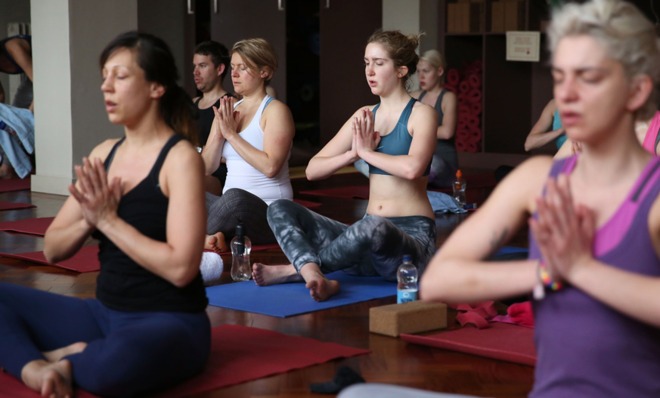
Research: Veterans learn to use yoga and meditation exercises to reconnect with their emotions

Vet­er­ans learn to use yoga and med­i­ta­tion exer­cises to recon­nect with their emo­tions (Wis­con­sin State Journal):

Rich Low of Madi­son served as an infantry offi­cer in the Army in Iraq in 2005 and 2006, lead­ing some 280 com­bat mis­sions. When he came back from the ser­vice, he didn’t think his expe­ri­ence affected him in any major way. He had night­mares, and he star­tled eas­ily, but he chalked that up to just some­thing vet­er­ans live with. Read the rest of this entry »

Transcript: Paul Nussbaum on Meditation, Neuropsychology and Thanksgiving

Below you can find the full tran­script of our engag­ing Q&A ses­sion yes­ter­day on holis­tic brain health with clin­i­cal neu­ropsy­chol­o­gist Dr. Paul Nuss­baum, author of Save Your Brain. You can learn more about the full Brain Fit­ness Q&A Series Here.

Per­haps one of the best exchanges was: Read the rest of this entry »

Brain Fitness: Definition, Priorities, and Links to Neuroleadership and Human Capital

Yes­ter­day we had a fun ses­sion on Brain Fit­ness dur­ing the Neu­rolead­er­ship Sum­mit tak­ing place now in San Fran­cisco, explor­ing oppor­tu­ni­ties to enhance per­for­mance and health of lead­ers and work­forces by deploy­ing both old tools (like breath­ing and med­i­ta­tion) and new ones (such as biofeed­back and database-driven per­son­al­ized brain train­ing solu­tions). Here are a cou­ple of the main ideas I wanted to introduce:

A. Let’s define Brain Fit­ness as an “inte­grated approach to enhance brain func­tion­al­ity”, com­bin­ing as appro­pri­ate lifestyle, inva­sive and non-invasive options. “Brain fit­ness” is above all an out­come, a cul­ture, sim­i­lar to “phys­i­cal fit­ness” (jok­ingly, I also said that “brain fit­ness” is the part of “phys­i­cal fit­ness” that “phys­i­cal fit­ness” doesn’t yet know what to do with)

B. Then, the ques­tion becomes, “what are the most impor­tant brain func­tions to enhance/ develop/ main­tain?”. Here I shared the fol­low­ing results Read the rest of this entry »

Resources to help students build emotional intelligence

(Editor’s note: Daniel Gole­man is now con­duct­ing a great series of audio inter­views includ­ing one with Richard David­son on Train­ing the Brain: Cul­ti­vat­ing Emo­tional Skills. We are hon­ored to bring you this guest post by Daniel Gole­man, thanks to our col­lab­o­ra­tion with Greater Good Mag­a­zine.)

——————–

Resources to help stu­dents build emo­tional intelligence

By Daniel Goleman

The scene: a first-grade class­room in a Man­hat­tan school. Not just any class­room this one has lots of Spe­cial Ed stu­dents, who are very hyper­ac­tive. So the room is a whirlpool of fren­zied activ­ity. The teacher tells the kids that they’re going to lis­ten to a CD. The kids quiet down a bit.

Then they get pretty still as the CD starts, and a man’s voice asks the kids to lie down on their backs, arms at their sides, and get a “breath­ing buddy,” like a stuffed ani­mal, who will sit on their stom­achs and help them be aware of their breath­ing. The voice takes the chil­dren through a series of breath­ing and body aware­ness exer­cises, and the kids man­age to calm down and stay focused through the entire six min­utes, which ends with them wig­gling their toes.

You’ve just learned how to make your body feel calm and relaxed,” says the voice. “And you can do this again any time you want.”

The voice on the CD is mine, though I’m read­ing the words of Linda Lantieri, who has pio­neered pub­lic school pro­grams in social and emo­tional learn­ing that have been adopted worldwide.

Her newest pro­gram adds an impor­tant tool to the emo­tional intel­li­gence kit: mind­ful­ness, a moment-by-moment aware­ness of one’s inter­nal state and exter­nal envi­ron­ment. In a Building emotional intelligencenew book, Build­ing Emo­tional Intel­li­gence, which comes with the CD, Lantieri uses mind­ful­ness train­ing to enhance con­cen­tra­tion and atten­tion among kids, and to help them learn to bet­ter calm them­selves. Build­ing Emo­tional Intel­li­gence comes with instruc­tions that explain how teach­ers and par­ents can adapt Latieri’s exer­cises to kids at dif­fer­ent age lev­els (five to seven, eight to 11, or 12 and up) and pro­vides detailed expla­na­tions of each exercise.

Lantieri’s project exem­pli­fies the ways we can build on sci­en­tific insights to help chil­dren mas­ter the skills of emo­tional intel­li­gence. As Richard David­son, founder of the Lab­o­ra­tory for Affec­tive Neu­ro­science at the Uni­ver­sity of Wis­con­sin, explained to me in Read the rest of this entry »

Meditation on the Brain: a Conversation with Andrew Newberg

Dr. Andrew New­berg is an Asso­ciate Pro­fes­sor in the Depart­ment of Radi­ol­ogy and Psy­chi­a­try and Adjunct Assis­tant Pro­fes­sor in the Depart­ment of Reli­gious Stud­ies at theAndrew Newberg Uni­ver­sity of Penn­syl­va­nia. He has pub­lished a vari­ety of neu­roimag­ing stud­ies related to aging and demen­tia. He has also researched the neu­ro­phys­i­o­log­i­cal cor­re­lates of med­i­ta­tion, prayer, and how brain func­tion is asso­ci­ated with mys­ti­cal and reli­gious experiences.

Dr. New­berg, thank you for being with us today. Can you please explain the source of your inter­ests at the inter­sec­tion of brain research and spirituality?

Since I was a kid, I had a keen inter­est in spir­i­tual prac­tice. I always won­dered how spir­i­tu­al­ity and reli­gion affect us, and over time I came to appre­ci­ate how sci­ence can help us explore and under­stand the world around us, includ­ing why we humans care about spir­i­tual prac­tices. This, of course, led me to be par­tic­u­larly inter­ested in brain research.

Dur­ing med­ical school I was par­tic­u­larly attracted by the prob­lem of con­scious­ness. I was for­tu­nate to meet researcher Dr. Eugene D’Aquili in the early 1990s, who had been doing much research on reli­gious prac­tices effect on brain since the 1970s. Through him I came to see that brain imag­ing can pro­vide a fas­ci­nat­ing win­dow into the brain.

Can we define reli­gion and spir­i­tu­al­ity –which sound to me as very dif­fer­ent brain processes-, and why learn­ing about them may be help­ful from a purely sec­u­lar, sci­en­tific point of view?

Good point, def­i­n­i­tions mat­ter, since dif­fer­ent peo­ple may be search­ing for God in dif­fer­ent ways. I view being reli­gious as par­tic­i­pat­ing in orga­nized rit­u­als and shared beliefs, such as going to church. Being spir­i­tual, on the other hand, is more of an indi­vid­ual prac­tice, whether we call it med­i­ta­tion, or relax­ation, or prayer, aimed at expand­ing the self, devel­op­ing a sense of one­ness with the universe.

What is hap­pen­ing is that spe­cific prac­tices that have tra­di­tion­ally been asso­ci­ated with reli­gious and spir­i­tual con­texts may also be very use­ful from a main­stream, sec­u­lar, health point of view, beyond those con­texts. Sci­en­tists are research­ing, for exam­ple, what Read the rest of this entry »

Top Articles on Brain, Cognition and Neuroplasticity

  1. Do you believe these neu­romyths?, by SharpBrains
  2. Brain Plas­tic­ity: How learn­ing changes your brain, by Pas­cale Michelon
  3. In the Age of Google, Should Schools Teach Mem­o­riza­tion Skills?, by Bill Klemm
  4. Does cog­ni­tive train­ing work? (For Whom? For What?), by Pas­cale Michelon
  5. The Emo­tional Life of Your Brain, by by Richard David­son, Sharon Begley
  6. Cur­rent State of the Sci­ence behind Neu­ro­feed­back Treat­ment for ADHD, by David Rabiner
  7. To Be (Your Con­nec­tome), or Not to Be (Your Genome), by Sebas­t­ian Seung
  8. Top 10 Brain Fit­ness Future Trends, by Alvaro Fernandez
  9. Biofeed­back now a “Level 1 — Best Sup­port” Inter­ven­tion for ADHD, by SharpBrains
  10. When 1 + 1 = 5: Dyscal­cu­lia and Work­ing Mem­ory, by Tracy Alloway
  11. Train­ing Atten­tion and Emo­tional Self-Regulation — Inter­view with Michael Pos­ner, by Alvaro Fernandez
  12. The Ten Habits of Highly Effec­tive Brains, by Alvaro Fernandez
  13. Why do You Turn Down the Radio When You’re Lost?, by Car­o­line Latham
  14. Brain fit­ness Q&A: Mem­ory, stress, emo­tions, by Alvaro Fernandez
  15. Cog­ni­tive ther­apy or med­ica­tion? Brain scans may help per­son­al­ize treat­ments, by SharpBrains
  16. New Study shows Teens with ADHD helped by Cog­ni­tive Behav­ioral Ther­apy, by David Rabiner
  17. How Do Words Change Our Brains and Lives?, by Andrew New­berg, Mark Waldman
  18. BBC “Brain Train­ing” Exper­i­ment: the Good, the Bad, the Ugly, by Alvaro Fernandez
  19. Sci­en­tific cri­tique of BBC/ Nature Brain Train­ing Exper­i­ment, by Liz Zelinski
  20. From Anti-Alzheimer’s “Magic Bul­lets” to True Brain Health, by Alvaro Fer­nan­dez, Peter Whitehouse
  21. Why Agile Minds Deploy Both Ratio­nal and Intu­itive Problem-Solving, by Judith Tingley
  22. Why I Wrote The Woman Who Changed Her Brain, by Bar­bara Arrowsmith-Young
  23. The Busi­ness and Ethics of the Brain Fit­ness Boom, by Alvaro Fernandez
  24. Break­ing Down the Cog­ni­tion & Alzheimer’s Dis­ease Alpha­bet Soup, by Dharma Singh Khalsa
  25. Top 10 Quotes on Life­long Neu­ro­plas­tic­ity, by Alvaro Fernandez
  26. To Har­ness Neu­ro­plas­tic­ity, Start with Enthu­si­asm, by Helena Popovic
  27. Q&A with Yaakov Stern on Brain Reserve, Exer­cise, Cog­ni­tive Train­ing, Angry Birds, by Alvaro Fernandez
  28. It is Not Only Cars That Deserve Good Main­te­nance: Brain Care 101, by Alvaro Fernandez
  29. Eval­u­a­tion Check­list for Brain Fit­ness prod­ucts and games, by Alvaro Fernandez
  30. Mind­ful­ness and Med­i­ta­tion in Schools for Stress Man­age­ment, by Jill Sutie
  31. Stress and Neural Wreck­age: Part of the Brain Plas­tic­ity Puz­zle, by Gre­gory Kellet
  32. Cog­ni­tive and Emo­tional Devel­op­ment Through Play, by David Elkind
  33. AARP’s Brain Fit­ness Best Books List, by SharpBrains
  34. Judith Beck: Train Your Brain to Think Like a Thin Per­son, by Alvaro Fernandez
  35. Improve Mem­ory with Sleep, Prac­tice, and Test­ing, by Bill Klemm
  36. 10 Brain Tips To Teach and Learn, by Lau­rie Bartels
  37. Dr. Elkhonon Gold­berg on Cog­ni­tive Train­ing and Brain Fit­ness, by Alvaro Fernandez
  38. Mind­ful­ness Med­i­ta­tion for Adults & Teens with ADHD, by David Rabiner
  39. Phys­i­cal Exer­cise and Brain Health, by Pas­cale Michelon
  40. Sleep, Tetris, Mem­ory and the Brain, by Shan­non Moffet

Welcome to SharpBrains.com

As seen in The New York Times, The Wall Street Jour­nal, CNN and more, Sharp­Brains is an inde­pen­dent mar­ket research and think tank track­ing health, edu­ca­tion, and pro­duc­tiv­ity appli­ca­tions of neuroscience.

Register Now at Discounted Rates

2013 SharpBrains Summit

Watch 10 Predictions on Digital Brain Health in 2013 (3 minutes)

Cover_video
Enter Your Email and Sub­scribe to our free Monthly eNewslet­ter:
Join more than 40,000 Sub­scribers and stay informed and engaged.

Follow Us Via…

twitter_logo_header