Sharp Brains: Brain Fitness and Cognitive Health News

Neuroplasticity, Brain Fitness and Cognitive Health News

Cognitive therapy or medication? Brain scans may help personalize treatments

Pre­dict­ing How Patients Respond to Ther­apy (press release):

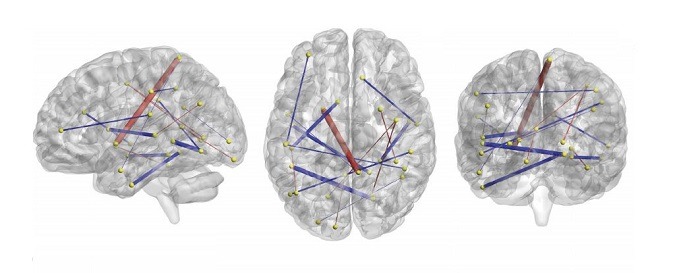
A new study led by MIT neu­ro­sci­en­tists has found that brain scans of patients with social anx­i­ety dis­or­der can help pre­dict whether they will ben­e­fit from cog­ni­tive behav­ioral therapy…Social anx­i­ety is usu­ally treated with either cog­ni­tive behav­ioral ther­apy or med­ica­tions. How­ever, Read the rest of this entry »

The Best Memory Tests: Mini-Mental and Beyond (Alzheimer’s Action Plan)

(Editor’s Note: I recently came across an excel­lent book and resource, The Alzheimer’s Alzheimer's Disease Action PlanAction Plan: The Experts’ Guide to the Best Diag­no­sis and Treat­ment for Mem­ory Prob­lems, recently released in paper­back. Dr. Murali Doraiswamy, one of the authors and lead­ing Alzheimer’s expert, kindly helped us cre­ate a 2-part arti­cle series to share with Sharp­Brains read­ers advice on a very impor­tant ques­tion, “How can we help the pub­lic at large to dis­tin­guish Alzheimer’s Dis­ease from nor­mal aging — so that an inter­est in early iden­ti­fi­ca­tion doesn’t trans­late into unneeded wor­ries?” What fol­lows is an excerpt from the book, pages 72–78, dis­cussing the Pros and Cons of the most com­mon assessments).

While no sin­gle test (other than a brain biopsy, which is a very inva­sive and risky pro­ce­dure) can con­clu­sively prove that a per­son has Alzheimer’s, many tests can give us a good idea. A list of all the tests that help us assess mem­ory and think­ing prob­lems appears at the end of this chap­ter. Mean­while, let’s take a good look at the whys and hows of a thor­ough mem­ory assessment.

WHAT A DIFFERENCE AN EXTRA TEST CAN MAKE

To under­stand why get­ting tested (and retested as symp­toms change and the dis­ease pro­gresses) is impor­tant, check out the expe­ri­ence of Kather­ine, who went to the doc­tor com­plain­ing of a mem­ory slow­down. She took five of the most impor­tant neu­ropsy­cho­log­i­cal tests, which assess brain func­tion with­out actu­ally phys­i­cally look­ing at the brain. Then she under­went brain scans, a car­dio­vas­cu­lar workup, and blood tests to see what else was going on that might be under­min­ing her men­tal func­tion. Read the rest of this entry »

Looking inside the Brain: is my Brain Fit?

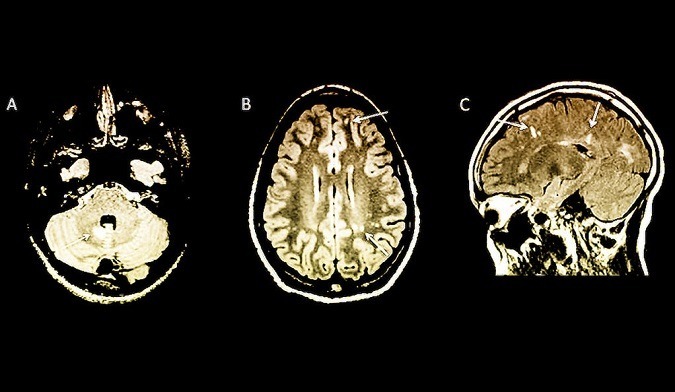
MRI scanner neuroimaging

Today we have the plea­sure to have Dr. Pas­cale Mich­e­lon, one of our new Expert Con­trib­u­tors, write her first arti­cle here. Enjoy, and please com­ment so we hear your thoughts and engage in a nice conversation.

(Btw, if you notice some sim­i­lar­ity between the col­ors in the fMRI scan below and the look & feel of this site…well, the rea­son is that those orange-grey fMRI col­ors were our inspi­ra­tion! the orange color denotes the most brain activation).

- Alvaro

————————————–

You have prob­a­bly heard about CAT and MRI scans (pro­duced thanks to machines like the one to the top right). So you know that these are tech­niques that doc­tors and sci­en­tists use to look inside the brain.

You have prob­a­bly also heard about brain fit­ness and how impor­tant it is to keep a healthy brain to be pro­tected against age-related and disease-related brain damages.

The ques­tion we ask here is the fol­low­ing: Can we use brain scans to eval­u­ate how fit the brain is? Before we try to answer this ques­tion let’s start with the basics and try to under­stand how brain scans work.

Brain imag­ing, also called neu­roimag­ing, allows one to Read the rest of this entry »

Theater for brain fitness

Cog­ni­tive Daily brings an intrigu­ing arti­cle titled Is the­ater the ulti­mate brain fit­ness prod­uct?, based on research pub­lished in 2004 by Helga and Tony Noice.

Very inter­est­ing results on mem­ory and problem-solving. Will inves­ti­gate whether that exper­i­ment has been repli­cated since then and we can rec­om­mend such a fun (and demand­ing) brain fit­ness activity!

If you live in the San Fran­cisco Bay Area, you may be inter­ested in the Geezer The­ater orga­nized by one of our part­ners, the Osher Life­long Learn­ing Insti­tute.

Baby Boomers, Healthy Aging and Job Performance

There has been an inter­est­ing dis­cus­sion about the issues related to the aging of the legal pro­fes­sion. Stephanie intro­duced us to the arti­cle “the Gray­ing Bar: let’s not for­get the ethics” by David Giacalone.

In short: sta­tis­tics about the increas­ing ratio of lawyers over 70 in active prac­tice, on the one hand, and the gen­eral inci­dence of Alzheimer’s and other demen­tias, on the other, lead David to point out an increas­ing like­li­hood that some lawyers may be prac­tic­ing in less than ideal con­di­tions for their clients, beyond a rea­son­able “brain age”. The ques­tion then becomes: who and how can solve this prob­lem, which is only going to grow given demo­graphic trends?.

We are not legal experts, but would like to inform the debate by offer­ing 10 con­sid­er­a­tions on healthy aging and job per­for­mance from a neu­ropsy­cho­log­i­cal point of view, that apply to all occupations:

1– We should talk more about change than about decline, as Sharon Beg­ley wrote recently in her great arti­cle on The Upside of Aging — WSJ.com (sub­scrip­tion required).

We dis­cussed some of these effects with Dr. Elkhonon Gold­berg, who wrote his great book The Wis­dom Para­dox pre­cisely on this point, at The Exec­u­tive Brain and How our Minds Can Grow Stronger.

2– Some skills improve as we age: In our “Exer­cis­ing Our Brains” Classes, we typ­i­cally explain how some areas typ­i­cally improve as we age, such as self-regulation, emo­tional func­tion­ing and Wis­dom (which means mov­ing from Prob­lem solv­ing to Pat­tern recog­ni­tion). As a lawyer accu­mu­lates more cases under his/ her belt, he or she devel­ops an auto­matic “intu­ition” for solu­tions and strate­gies. As long as the envi­ron­ment doesn’t change too rapidly, this grow­ing wis­dom is very valuable.

3– …whereas, yes, oth­ers typ­i­cally decline: Read the rest of this entry »

Top Articles on Brain, Cognition and Neuroplasticity

  1. Do you believe these neu­romyths?, by SharpBrains
  2. Brain Plas­tic­ity: How learn­ing changes your brain, by Pas­cale Michelon
  3. In the Age of Google, Should Schools Teach Mem­o­riza­tion Skills?, by Bill Klemm
  4. Does cog­ni­tive train­ing work? (For Whom? For What?), by Pas­cale Michelon
  5. The Emo­tional Life of Your Brain, by by Richard David­son, Sharon Begley
  6. Cur­rent State of the Sci­ence behind Neu­ro­feed­back Treat­ment for ADHD, by David Rabiner
  7. To Be (Your Con­nec­tome), or Not to Be (Your Genome), by Sebas­t­ian Seung
  8. Top 10 Brain Fit­ness Future Trends, by Alvaro Fernandez
  9. Biofeed­back now a “Level 1 — Best Sup­port” Inter­ven­tion for ADHD, by SharpBrains
  10. When 1 + 1 = 5: Dyscal­cu­lia and Work­ing Mem­ory, by Tracy Alloway
  11. Train­ing Atten­tion and Emo­tional Self-Regulation — Inter­view with Michael Pos­ner, by Alvaro Fernandez
  12. The Ten Habits of Highly Effec­tive Brains, by Alvaro Fernandez
  13. Why do You Turn Down the Radio When You’re Lost?, by Car­o­line Latham
  14. Brain fit­ness Q&A: Mem­ory, stress, emo­tions, by Alvaro Fernandez
  15. Cog­ni­tive ther­apy or med­ica­tion? Brain scans may help per­son­al­ize treat­ments, by SharpBrains
  16. New Study shows Teens with ADHD helped by Cog­ni­tive Behav­ioral Ther­apy, by David Rabiner
  17. How Do Words Change Our Brains and Lives?, by Andrew New­berg, Mark Waldman
  18. BBC “Brain Train­ing” Exper­i­ment: the Good, the Bad, the Ugly, by Alvaro Fernandez
  19. Sci­en­tific cri­tique of BBC/ Nature Brain Train­ing Exper­i­ment, by Liz Zelinski
  20. From Anti-Alzheimer’s “Magic Bul­lets” to True Brain Health, by Alvaro Fer­nan­dez, Peter Whitehouse
  21. Why Agile Minds Deploy Both Ratio­nal and Intu­itive Problem-Solving, by Judith Tingley
  22. Why I Wrote The Woman Who Changed Her Brain, by Bar­bara Arrowsmith-Young
  23. The Busi­ness and Ethics of the Brain Fit­ness Boom, by Alvaro Fernandez
  24. Break­ing Down the Cog­ni­tion & Alzheimer’s Dis­ease Alpha­bet Soup, by Dharma Singh Khalsa
  25. Top 10 Quotes on Life­long Neu­ro­plas­tic­ity, by Alvaro Fernandez
  26. To Har­ness Neu­ro­plas­tic­ity, Start with Enthu­si­asm, by Helena Popovic
  27. Q&A with Yaakov Stern on Brain Reserve, Exer­cise, Cog­ni­tive Train­ing, Angry Birds, by Alvaro Fernandez
  28. It is Not Only Cars That Deserve Good Main­te­nance: Brain Care 101, by Alvaro Fernandez
  29. Eval­u­a­tion Check­list for Brain Fit­ness prod­ucts and games, by Alvaro Fernandez
  30. Mind­ful­ness and Med­i­ta­tion in Schools for Stress Man­age­ment, by Jill Sutie
  31. Stress and Neural Wreck­age: Part of the Brain Plas­tic­ity Puz­zle, by Gre­gory Kellet
  32. Cog­ni­tive and Emo­tional Devel­op­ment Through Play, by David Elkind
  33. AARP’s Brain Fit­ness Best Books List, by SharpBrains
  34. Judith Beck: Train Your Brain to Think Like a Thin Per­son, by Alvaro Fernandez
  35. Improve Mem­ory with Sleep, Prac­tice, and Test­ing, by Bill Klemm
  36. 10 Brain Tips To Teach and Learn, by Lau­rie Bartels
  37. Dr. Elkhonon Gold­berg on Cog­ni­tive Train­ing and Brain Fit­ness, by Alvaro Fernandez
  38. Mind­ful­ness Med­i­ta­tion for Adults & Teens with ADHD, by David Rabiner
  39. Phys­i­cal Exer­cise and Brain Health, by Pas­cale Michelon
  40. Sleep, Tetris, Mem­ory and the Brain, by Shan­non Moffet

Welcome to SharpBrains.com

As seen in The New York Times, The Wall Street Jour­nal, CNN and more, Sharp­Brains is an inde­pen­dent mar­ket research and think tank track­ing health, edu­ca­tion, and pro­duc­tiv­ity appli­ca­tions of neuroscience.

Register Now at Discounted Rates

2013 SharpBrains Summit

Watch 10 Predictions on Digital Brain Health in 2013 (3 minutes)

Cover_video
Enter Your Email and Sub­scribe to our free Monthly eNewslet­ter:
Join more than 40,000 Sub­scribers and stay informed and engaged.

Follow Us Via…

twitter_logo_header