Sharp Brains: Brain Fitness and Cognitive Health News

Neuroplasticity, Brain Fitness and Cognitive Health News

To Harness Neuroplasticity, Start with Enthusiasm
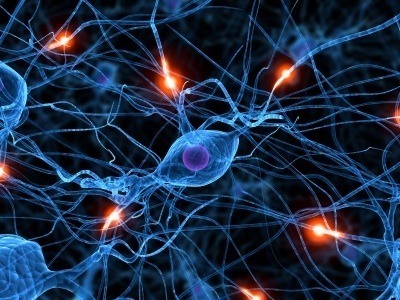
We are the archi­tects and builders of our own brains.

For mil­len­nia, how­ever, we were obliv­i­ous to our enor­mous cre­ative capa­bil­i­ties. We had no idea that our brains were chang­ing in response to our actions and atti­tudes, every day of our lives. So we uncon­sciously and ran­domly shaped our brains and our lat­ter years because we believed we had an immutable brain that was at the mercy of our genes.

Noth­ing could be fur­ther from the truth. Read the rest of this entry »

Brain Training for Babies: Hope, Hype, Both?

Train­ing the brain is pos­si­ble because of neu­ro­plas­tic­ity. Our daily expe­ri­ences can trig­ger neu­ro­plas­tic changes in the brain, such as the growth of new brain cells (neu­rons) and new con­nec­tions (synapses) between neu­rons. Plas­tic­ity is observed at all ages but is at its peak dur­ing brain devel­op­ment, as a baby and then a child learns basic knowl­edge and skills nec­es­sary to sur­vive. We should thus expect that the brain of a baby could be eas­ily trained. This is what Wass and his col­leagues recently demon­strated in a new study with 11-month-old babies. Read the rest of this entry »

Education builds Cognitive Reserve for Alzheimers Disease Protection

Given the grow­ing media cov­er­age men­tion­ing the terms Cog­ni­tive Reserve and Brain Reserve, you may be ask­ing your­self, “What exactly is my Cog­ni­tive (or Brain) Reserve?”

The cog­ni­tive reserve hypoth­e­sis, tested in mul­ti­ple stud­ies, states that indi­vid­u­als with more cog­ni­tive reserve can expe­ri­ence more Alzheimer’s dis­ease pathol­ogy in the brain (more plaques and tan­gles) with­out devel­op­ing Alzheimer’s dis­ease symptoms.

How does that work? Sci­en­tists are not sure but two pos­si­bil­i­ties are con­sid­ered.
1. One is that more cog­ni­tive reserve means more brain reserve, that is more neu­rons and con­nec­tions (synapses) between neu­rons. Indi­vid­u­als with more synapses would then have more synapses to lose before the crit­i­cal thresh­old for Alzheimer’s Dis­ease is reached.
2. Another pos­si­bil­ity is that more cog­ni­tive reserve means more com­pen­satory processes. The brain of indi­vid­u­als with more cog­ni­tive reserve would use more alter­na­tive net­works to com­pen­sate for the dam­ages caused by the pathol­ogy in pre­vi­ously used networks.

In a newly pub­lished study, Roe and col­leagues brain fitness event from Wash­ing­ton Uni­ver­sity in St. Louis, used the num­ber of years of edu­ca­tion as a mea­sure of cog­ni­tive reserve. Why years of edu­ca­tion? Because pre­vi­ous stud­ies have shown that peo­ple who have more edu­ca­tion also exhibit a greater resis­tance to Alzheimer’s symp­toms, even while patho­log­i­cal changes are occur­ring in the brain (see Ben­nett el al., 2003 or Roe, Xiong, et al., 2008).

Roe and her col­leagues stud­ied 198 indi­vid­u­als whose mean age was 67. Out of these 198 indi­vid­u­als, 161 were non­de­mented and 37 were diag­nosed with Alzheimer’s Disease.

All the par­tic­i­pants in the study took a Read the rest of this entry »

Art Kramer on Why We Need Walking Book Clubs

Dr. Arthur Kramer is a Pro­fes­sor in the Uni­ver­sity of Illi­nois Depart­ment of Psy­chol­ogy, the Cam­pus Neu­ro­science Pro­gram, the Beck­man Insti­tute, and the Direc­tor of the Art KramerBio­med­ical Imag­ing Cen­ter at the Uni­ver­sity of Illinois.

I am hon­ored to inter­view him today.

Dr. Kramer, thank you for your time. Let’ start by try­ing to clar­ify some exist­ing mis­con­cep­tions and con­tro­ver­sies. Based on what we know today, and your recent Nature piece (Note: ref­er­enced below), what are the 2–3 key lifestyle habits would you sug­gest to a per­son who wants to delay Alzheimer’s symp­toms and improve over­all brain health?

First, Be Active. Do phys­i­cal exer­cise. Aer­o­bic exer­cise, 30 to 60 min­utes per day 3 days per week, has been shown to have an impact in a vari­ety of exper­i­ments. And you don’t need to do some­thing stren­u­ous: even walk­ing has shown that effect. There are many open ques­tions in terms of spe­cific types of exer­cise, dura­tion, mag­ni­tude of effect but, as we wrote in our recent Nature Reviews Neu­ro­science arti­cle, there is lit­tle doubt that lead­ing a seden­tary life is bad for our cog­ni­tive health. Car­dio­vas­cu­lar exer­cise seems to have a pos­i­tive effect.

Sec­ond, Main­tain Life­long Intel­lec­tual Engage­ment. There is abun­dant prospec­tive obser­va­tional research show­ing that doing more men­tally stim­u­lat­ing activ­i­ties reduces the risk of devel­op­ing Alzheimer’s symptoms.

Let me add, given all media hype, that no “brain game” in par­tic­u­lar has been shown to have a long-term impact on Alzheimer’s or the main­te­nance of cog­ni­tion across extended peri­ods of time. It is too early for that-and con­sumers should be aware of that fact. It is true that some com­pa­nies are being more science-based than oth­ers but, in my view, the consumer-oriented field is grow­ing faster than the research is.

Ide­ally, com­bine both phys­i­cal and men­tal stim­u­la­tion along with social inter­ac­tions. Why not take a good walk with friends to dis­cuss a book? We lead very busy lives, so the more inte­grated and inter­est­ing activ­i­ties are, the more likely we will do them.

Read the rest of this entry »

Your Trading Brain: Expert or Novice

We had the for­tune to inter­view Dr. Brett Steen­barger on Enhanc­ing Trader Per­for­mance and The Psy­chol­ogy of Trad­ing as we launched our Neu­ro­science Inter­view Series.

Below, Expert Con­trib­u­tor Dr. Jan­ice Dorn pro­vides an in-depth brain-based dis­cus­sion of the topic, con­clud­ing that “The brain is the most pow­er­ful struc­ture in the known uni­verse and the only trad­ing tool that the trader needs to become an expert.”

No mat­ter whether you are a Pro or Ama­teur Trader…this will cer­tainly exer­cise your brain! (Dr. Dorn is prepar­ing more arti­cles on trad­ing per­for­mance and the brain…so stay tuned).

This is Your Brain On Trading

– By Dr. Jan­ice Dorn

The open­ing bell sounds, and sixty mil­lion traders enter the great­est arena in the world to do bat­tle with each other. They put their money, beliefs and skills on the line as they make deci­sions to buy and sell. Wel­come to the finan­cial mar­kets where bil­lions of dol­lars are won and lost every day. Volatil­ity com­pels all to engage their brains in the con­tin­u­ous process of deci­sion mak­ing. What sep­a­rates the win­ning from los­ing traders is the way they use their most pow­er­ful trad­ing tool—the human brain.

Read the rest of this entry »

Neuroplasticity through Mind Hygiene

Stephanie West Allen, our lawyer-blogger friend and Dr. Jef­frey M. Schwartz, a research psy­chi­a­trist at the School of Med­i­cine at the Uni­ver­sity of Cal­i­for­nia at Los Ange­les and a neu­ro­plas­tic­ity expert, have writ­ten a thought-provoking arti­cle for The Com­plete Lawyer.

See Arti­cle: Exer­cise Mind Hygiene On A Daily Basis. Excerpt:

- “Here’s an exam­ple of a Golden Moment of Choice: You have decided that you are going to keep your promise and get home each evening in time to put the kids to bed. When 7 p.m. rolls around, you rec­og­nize that you can move in one of two direc­tions: you can keep work­ing or get going. Because of your habit of work­ing very late, the synapses in your brain have been forged to sup­port your habit, and you feel the urge to stay. This phys­i­o­log­i­cal com­po­nent of your habit­ual behav­ior is mak­ing your deci­sion dif­fi­cult. Nev­er­the­less, you decide to leave. Now, each time you make this new choice, it will be eas­ier: You will be lay­ing down “going-home-to-the-kids” synapses to sup­port the new behav­ior (and you will be using self-directed neuroplasticity).

- Our abil­ity to step back and see that we have the choice is key. Often we do not even get that far: 7 p.m. comes and goes with­out our real­iz­ing that it’s a GMC. In order to improve your abil­ity to observe your­self and your choices, you need to develop your self-awareness”.

Arti­cle: Exer­cise Mind Hygiene On A Daily Basis

Read­ing this, and with a wife  and 6-week-old baby start­ing to fall asleep, reminds me of something…

how to say, “Good night, dear Blog!”

Stress and Neural Wreckage: Part of the Brain Plasticity Puzzle

Victoria Crater MarsBelow you have a very insight­ful arti­cle on stress by one of our new Expert Con­trib­u­tors, Gre­gory Kel­let, a researcher at UCSF. Enjoy! (Credit for Pic of Vic­to­ria Crater in Mars: Mars Recon­nais­sance Orbiter, via Wikipedia).

———————————————-

My brain is fried, toast, fraz­zled, burnt out. How many times have you said or heard one ver­sion or another of these state­ments. Most of us think we are being fig­u­ra­tive when we utter such phrases, but research shows that the bio­log­i­cal con­se­quences of sus­tained high lev­els of stress may have us being more accu­rate than we would like to think.

Crash Course on Stress

Our bod­ies are a com­plex bal­anc­ing act between sys­tems work­ing full time to keep us alive and well. This bal­anc­ing act is con­stantly adapt­ing to the myr­iad of changes occur­ring every sec­ond within our­selves and our envi­ron­ments. When it gets dark our pupils dilate, when we get hot we sweat, when we smell food we sali­vate, and so forth. This con­stant bal­anc­ing act main­tains a range of sta­bil­ity in the body via change; and is often referred to as allosta­sis. Any change which threat­ens this bal­ance can be referred to as allo­sta­tic load or stress.

Allo­sta­tic load/stress is part of being alive. For exam­ple just by get­ting up in the morn­ing, we all expe­ri­ence a very impor­tant need to increase our heart rate and blood pres­sure in order to feed our newly ele­vated brain. Although usu­ally man­age­able, this is a change which the body needs to adapt to and, by our def­i­n­i­tion, a stressor.

Stress is only a prob­lem when this allo­sta­tic load becomes over­load. When change is exces­sive or Read the rest of this entry »

Top Articles on Brain Health and Neuroplasticity

  1. Debunk­ing 10 com­mon brain fit­ness myths, by Alvaro Fernandez
  2. Brain plas­tic­ity: How learn­ing changes your brain, by Pas­cale Michelon
  3. 8 Tips To Remem­ber What You Read, by Bill Klemm
  4. Why do You Turn Down the Radio When You’re Lost?, by Car­o­line Latham
  5. Retool­ing Brain Care With Low-Cost, Data-Driven Tech­nolo­gies, by Alvaro Fernandez
  6. Do you believe these neu­romyths?, by SharpBrains
  7. Six tips to build resilience and pre­vent brain-damaging stress, by SharpBrains
  8. Does cog­ni­tive train­ing work? (For Whom? For What?), by Pas­cale Michelon
  9. The Emo­tional Life of Your Brain, by by Richard David­son, Sharon Begley
  10. To Be (Your Con­nec­tome), or Not to Be (Your Genome), by Sebas­t­ian Seung
  11. Top 10 Brain Fit­ness Future Trends, by Alvaro Fernandez
  12. Biofeed­back now a “Level 1 — Best Sup­port” Inter­ven­tion for ADHD, by SharpBrains
  13. When 1 + 1 = 5: Dyscal­cu­lia and Work­ing Mem­ory, by Tracy Alloway
  14. Train­ing Atten­tion and Emo­tional Self-Regulation — Inter­view with Michael Pos­ner, by Alvaro Fernandez
  15. The Ten Habits of Highly Effec­tive Brains, by Alvaro Fernandez
  16. Does brain train­ing work? Yes, if it meets these 5 con­di­tions, by SharpBrains
  17. Cog­ni­tive ther­apy or med­ica­tion? Brain scans may help per­son­al­ize treat­ments, by SharpBrains
  18. New Study shows Teens with ADHD helped by Cog­ni­tive Behav­ioral Ther­apy, by David Rabiner
  19. How Do Words Change Our Brains and Lives?, by Andrew New­berg, Mark Waldman
  20. BBC “Brain Train­ing” Exper­i­ment: the Good, the Bad, the Ugly, by Alvaro Fernandez
  21. From Anti-Alzheimer’s “Magic Bul­lets” to True Brain Health, by Alvaro Fer­nan­dez, Peter Whitehouse
  22. Why Agile Minds Deploy Both Ratio­nal and Intu­itive Problem-Solving, by Judith Tingley
  23. Why I Wrote The Woman Who Changed Her Brain, by Bar­bara Arrowsmith-Young
  24. The Busi­ness and Ethics of the Brain Fit­ness Boom, by Alvaro Fernandez
  25. Break­ing Down the Cog­ni­tion & Alzheimer’s Dis­ease Alpha­bet Soup, by Dharma Singh Khalsa
  26. Top 10 Quotes on Life­long Neu­ro­plas­tic­ity, by Alvaro Fernandez
  27. To Har­ness Neu­ro­plas­tic­ity, Start with Enthu­si­asm, by Helena Popovic
  28. Q&A with Yaakov Stern on Brain Reserve, Exer­cise, Cog­ni­tive Train­ing, Angry Birds, by Alvaro Fernandez
  29. Eval­u­a­tion Check­list for Brain Fit­ness prod­ucts and games, by Alvaro Fernandez
  30. Mind­ful­ness and Med­i­ta­tion in Schools for Stress Man­age­ment, by Jill Sutie
  31. Stress and Neural Wreck­age: Part of the Brain Plas­tic­ity Puz­zle, by Gre­gory Kellet
  32. Cog­ni­tive and Emo­tional Devel­op­ment Through Play, by David Elkind
  33. AARP’s Brain Fit­ness Best Books List, by SharpBrains
  34. Judith Beck: Train Your Brain to Think Like a Thin Per­son, by Alvaro Fernandez
  35. Improve Mem­ory with Sleep, Prac­tice, and Test­ing, by Bill Klemm
  36. 10 Brain Tips To Teach and Learn, by Lau­rie Bartels
  37. Dr. Elkhonon Gold­berg on Cog­ni­tive Train­ing and Brain Fit­ness, by Alvaro Fernandez
  38. Mind­ful­ness Med­i­ta­tion for Adults & Teens with ADHD, by David Rabiner
  39. Phys­i­cal Exer­cise and Brain Health, by Pas­cale Michelon
  40. Sleep, Tetris, Mem­ory and the Brain, by Shan­non Moffet

Welcome to SharpBrains.com

As seen in The New York Times, The Wall Street Jour­nal, CNN and more, Sharp­Brains is an inde­pen­dent mar­ket research and think tank track­ing health and well-being appli­ca­tions of brain science.

Watch 2013 SharpBrains Summit Tutorial (3 minutes)

Summit_videocover

Register Now at Discounted Rates

2013 SharpBrains Summit
Enter Your Email and Sub­scribe to our free Monthly eNewslet­ter:
Join more than 40,000 Sub­scribers and stay informed and engaged.

Follow Us Via…

twitter_logo_header