

Posts Tagged ‘resilience’
Six favorite books of 2023 to help harness the stress response and boost curiosity, wonder, and brain health at work,
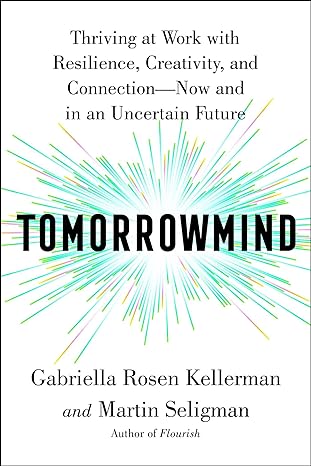
It’s hard to address important issues in our lives or in society if we are stressed, depleted, and isolated. Perhaps that’s why many of 2023’s favorite books offer approaches for real self-care. They focus on how to manage stress, find more happiness in life, seek wonder and inspiration, appreciate art, understand our personal strengths, or…
Read MoreStudy finds positive self-reported aspects of the ADHD experience among young women, especially related to hyperactivity and hyperfocus

As is true for children and adolescents, many adults experience substantial challenges related to having ADHD. These challenges often include relationship problems, educational and work challenges, difficulty adhering to long-term plans and goals, and time and money management difficulties. Given these well-documented difficulties, it is not surprising that ADHD treatment with adults has largely adopted…
Read MoreHarnessing mindfulness and virtual reality simulations to maximize sports performance
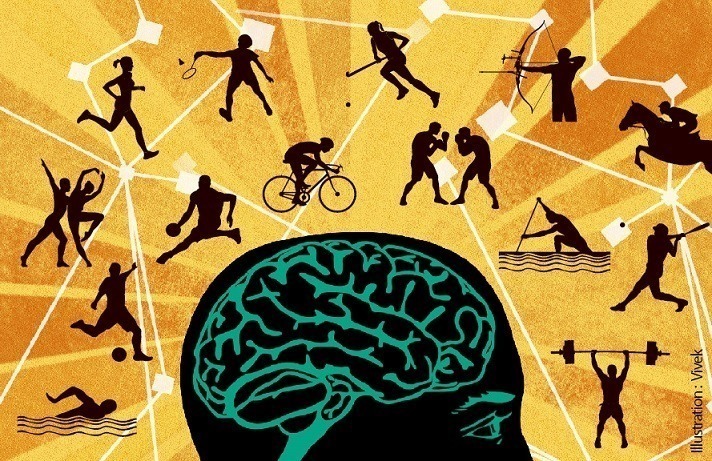
Athletes at the very highest level of their sport face the challenge of performing consistently under pressure amid many potential distractions, including performance anxiety, crowd behaviour, their own and others’ expectations, and the responses of their opponents. The performance of players in the 2023 Australian Open, for example, demonstrated the psychological factors needed to succeed…
Read MoreStudy: Building cognitive reserve helps delay memory and thinking decline regardless of genetic or childhood markers
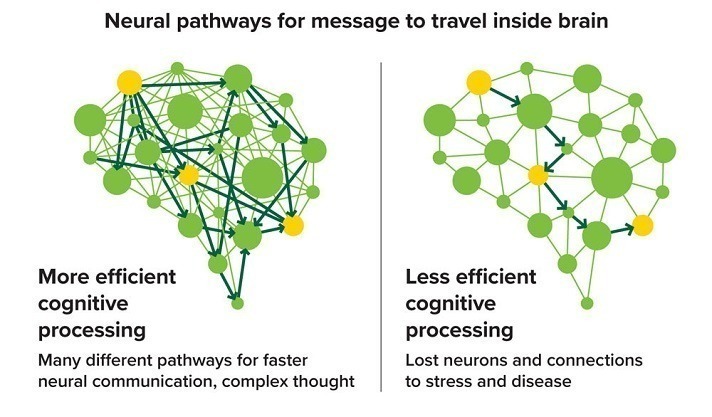
Building cognitive reserve could protect against memory and thinking decline, even with low childhood cognition scores (Alzheimer’s Research UK): New research suggests that people who develop high ‘cognitive reserve’ by the time they reach 69 years old may reduce their likelihood of memory and thinking decline, even with low childhood cognitive abilities. The study was…
Read MoreUpdate: Understanding Brain Health via Cosmological Health, and vice versa
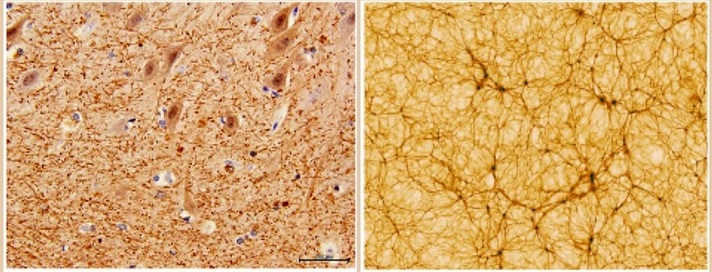
Welcome to a new edition of SharpBrains’ e‑newsletter, featuring fascinating findings, books and resources for lifelong brain health. #1. “The human brain (section; left image above) functions thanks to its wide neuronal network that is deemed to contain approximately 69 billion neurons. On the other hand, the observable universe (section simulation; right image) can count…
Read MoreThe latest on Brain Health and Resilience, plus a few fun Brain Teasers
Welcome to a new edition of SharpBrains’ e‑newsletter, featuring fascinating neuroscience findings and tips, combined with fun brain teasers. #1. To celebrate this quite-challenging Thanksgiving, here are five fun brain teasers that readers have enjoyed the most this year so far. It is always good to learn more about (and appreciate) that most precious resource…
Read More