

Posts Tagged ‘brainpower’
Fast Forward to 2040: How to prepare for the new era in brain enhancement that will change the way we think, work, and heal

Decades from now when our augmented brains have enhanced our cognitive function and transformed nearly every aspect of our lives, many of us will look back and wonder why we didn’t do more to prepare for these inevitable changes. Government leaders may grapple with the runaway effects of AI and brain enhancement on geopolitics. Companies…
Read MoreThe NeuroGeneration and Humankind’s Quest to Enhance the Brain
Some people may be uneasy with the idea of “brain enhancement,” but the quest to boost our brainpower is nothing new; it is an essential part of human nature. Ever since Homo sapiens emerged nearly 200,000 years ago, we have been searching for ways to upgrade the hardware and wetware in our heads, and we’ve…
Read MoreOhio Opioid Technology Challenge funds program testing neurofeedback-based brain training to reduce cravings and battle opioid addiction
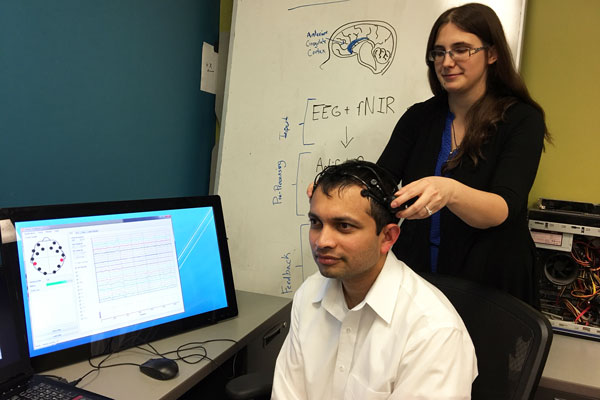
_______ Battling Addiction With Brainpower (University of Dayton press release): “The University of Dayton Research Institute has won a $10,000 Ohio Opioid Technology Challenge award for a program that will teach people with opioid addictions how to reduce their cravings by regaining control of their brains. “Using neurofeedback, we’ll work with our volunteers to help…
Read MoreStudy: Hearing aids, by reducing cognitive load, can improve brain function in persons with hearing loss

UTEP professor shows that hearing aids improve memory, speech (press release): “A recent study by Jamie Desjardins, Ph.D., an assistant professor in the speech-language pathology program at The University of Texas at El Paso, found that hearing aids improve brain function in persons with hearing loss.
Read MoreEmerging apps: Train the brain to train the eye

New vision app keeps baseball players’ eye on the ball (CBS News): “Andriese and Chavez were among the 19 members of the baseball team at the University of California Riverside taking part in an experiment. The goal: training their brain to see better. The players spent
Read MoreWhy do steroid-taking athletes pay attention to their physical exercise regimens?

To Boost Brain Health and Performance, Harness Neuroplasticity The Right Way (Creativity Post): “…However, despite large investments, evidence that “smart” drugs or brain supplements actually work is scarce at the present. The
Read More