Sharp Brains: Brain Fitness and Cognitive Health News

Neuroplasticity, Brain Fitness and Cognitive Health News

Debunking 10 Brain Fitness and Brain Training Myths during Brain Awareness Week 2013

brain fitness mythsIn honor of Brain Aware­ness Week 2013, which starts today, let’s debunk ten myths about brain fit­ness and brain train­ing that remain sur­pris­ingly popular.

Top 10 brain fit­ness and brain train­ing myths, debunked:

Myth 1. Genes deter­mine the fate of our brains.
Fact: Life­long brain plas­tic­ity means that our lifestyles and behav­iors play a sig­nif­i­cant role in how our brains (and there­fore our minds) phys­i­cally evolve.

Myth 2. We are what we eat. Read the rest of this entry »

Update: Alzheimer’s Disease population to triple — unless we prevent or delay it

Time for Sharp­Brains’ Feb­ru­ary 2013 eNewslet­ter, fea­tur­ing this time new sci­ence and analy­sis on Alzheimer’s Dis­ease, ADHD, men­tal well-being, brain health, and more. Enjoy!

New sci­ence:

New analy­sis:

Upcom­ing events:

Have a great month of March.

Biofeedback is a “Level 1 — Best Support” Intervention for Attention and Hyperactivity Behaviors

Evidence-based Child and Ado­les­cent Psycho-social Inter­ven­tionsAs we announced last Octo­ber, Prac­tice­Wise, the com­pany that main­tains the Amer­i­can Acad­emy of Pedi­atrics “Evidence-based Child and Ado­les­cent Psycho-social Inter­ven­tions,” has ele­vated biofeed­back to “Level 1 — Best Sup­port” as an inter­ven­tion for Atten­tion & Hyper­ac­tiv­ity Behav­iors. Work­ing Mem­ory Train­ing stays at Level 2. It is impor­tant to note that those lev­els do not con­trast effect sizes or clin­i­cal effi­cacy per se, but qual­ity and over­all direc­tion of under­ly­ing research.

To check out the cur­rent edi­tion of the report: click HERERead the rest of this entry »

Why, to improve memory, we need to think of the brain as a system

(Editor’s Note: every month we host an online Q&A with par­tic­i­pants in the e-course How To Be Your Own Brain Fit­ness Coach. This is the lightly edited and anonymized tran­script from the Jan­u­ary Q&A ses­sion; the Feb­ru­ary Q&A will take place on Tues­day, Feb­ru­ary 12th)

2:02
OK, ready to go! Happy 2013 again. You can start writ­ing your ques­tions and com­ments in the box at the bot­tom, and hit Send.

2:04
Ques­tion 
Which activ­i­ties or games or web­sites do you rec­om­mend to improve mem­ory? Read the rest of this entry »

Update: New brain science leads to new tools and to new thinking

We often view mem­ory, think­ing, emo­tions, as com­pletely sep­a­rate enti­ties, but they truly are part of the same process. So, if we want to improve brain health, we need to pay atten­tion to the “weak link” in that process. In today’s soci­ety, man­ag­ing stress and neg­a­tive emo­tions is often that weak link, as we dis­cuss dur­ing Octo­ber Q&A ses­sion with par­tic­i­pants in Sharp­Brains’ new e-course. Time now for Sharp­Brains’ Octo­ber 2012 eNewslet­ter, fea­tur­ing new sci­ence, new resources and new thinking.

New sci­ence:

New tools:

New think­ing:

That’s it for now. Have a Happy Halloween!

Pic cour­tesy of Big­Stock­Photo

Brain fitness class’ monthly Q&A: Memory, stress, emotions, and more

Reg­is­tered par­tic­i­pants in the new e-course How to Be Your Own Brain Fit­ness Coach can take part in a monthly online Q&A ses­sion to dis­cuss progress and open ques­tions with the course fac­ulty and with fel­low par­tic­i­pants. Below is the tran­script of the Octo­ber 30th Q&A ses­sion, lightly edited and anonymized.

Course Fac­ulty (or F): OK, we are ready to start. You can start writ­ing and sub­mit­ting any ques­tions and com­ments!  Read the rest of this entry »

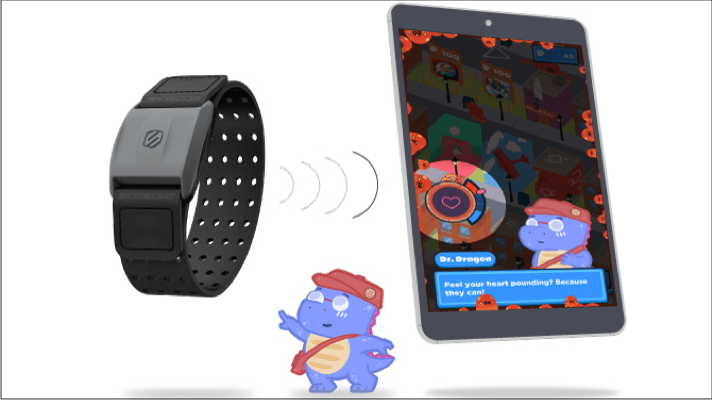
Can biofeedback-based videogames help kids regulate anger and emotions?

Video Game With Biofeed­back Teaches Chil­dren to Curb Their Anger (Sci­ence Daily):

Chil­dren with seri­ous anger prob­lems can be helped by a sim­ple video game that hones their abil­ity to reg­u­late their emo­tions, finds a pilot study at Boston Children’s Hos­pi­tal. Results were pub­lished online Octo­ber 24 in the jour­nal Ado­les­cent Psy­chi­a­try Read the rest of this entry »

Top Articles on Brain Health and Neuroplasticity

  1. Debunk­ing 10 com­mon brain fit­ness myths, by Alvaro Fernandez
  2. Brain plas­tic­ity: How learn­ing changes your brain, by Pas­cale Michelon
  3. 8 Tips To Remem­ber What You Read, by Bill Klemm
  4. Why do You Turn Down the Radio When You’re Lost?, by Car­o­line Latham
  5. Retool­ing Brain Care With Low-Cost, Data-Driven Tech­nolo­gies, by Alvaro Fernandez
  6. Do you believe these neu­romyths?, by SharpBrains
  7. Six tips to build resilience and pre­vent brain-damaging stress, by SharpBrains
  8. Does cog­ni­tive train­ing work? (For Whom? For What?), by Pas­cale Michelon
  9. The Emo­tional Life of Your Brain, by by Richard David­son, Sharon Begley
  10. To Be (Your Con­nec­tome), or Not to Be (Your Genome), by Sebas­t­ian Seung
  11. Top 10 Brain Fit­ness Future Trends, by Alvaro Fernandez
  12. Biofeed­back now a “Level 1 — Best Sup­port” Inter­ven­tion for ADHD, by SharpBrains
  13. When 1 + 1 = 5: Dyscal­cu­lia and Work­ing Mem­ory, by Tracy Alloway
  14. Train­ing Atten­tion and Emo­tional Self-Regulation — Inter­view with Michael Pos­ner, by Alvaro Fernandez
  15. The Ten Habits of Highly Effec­tive Brains, by Alvaro Fernandez
  16. Does brain train­ing work? Yes, if it meets these 5 con­di­tions, by SharpBrains
  17. Cog­ni­tive ther­apy or med­ica­tion? Brain scans may help per­son­al­ize treat­ments, by SharpBrains
  18. New Study shows Teens with ADHD helped by Cog­ni­tive Behav­ioral Ther­apy, by David Rabiner
  19. How Do Words Change Our Brains and Lives?, by Andrew New­berg, Mark Waldman
  20. BBC “Brain Train­ing” Exper­i­ment: the Good, the Bad, the Ugly, by Alvaro Fernandez
  21. From Anti-Alzheimer’s “Magic Bul­lets” to True Brain Health, by Alvaro Fer­nan­dez, Peter Whitehouse
  22. Why Agile Minds Deploy Both Ratio­nal and Intu­itive Problem-Solving, by Judith Tingley
  23. Why I Wrote The Woman Who Changed Her Brain, by Bar­bara Arrowsmith-Young
  24. The Busi­ness and Ethics of the Brain Fit­ness Boom, by Alvaro Fernandez
  25. Break­ing Down the Cog­ni­tion & Alzheimer’s Dis­ease Alpha­bet Soup, by Dharma Singh Khalsa
  26. Top 10 Quotes on Life­long Neu­ro­plas­tic­ity, by Alvaro Fernandez
  27. To Har­ness Neu­ro­plas­tic­ity, Start with Enthu­si­asm, by Helena Popovic
  28. Q&A with Yaakov Stern on Brain Reserve, Exer­cise, Cog­ni­tive Train­ing, Angry Birds, by Alvaro Fernandez
  29. Eval­u­a­tion Check­list for Brain Fit­ness prod­ucts and games, by Alvaro Fernandez
  30. Mind­ful­ness and Med­i­ta­tion in Schools for Stress Man­age­ment, by Jill Sutie
  31. Stress and Neural Wreck­age: Part of the Brain Plas­tic­ity Puz­zle, by Gre­gory Kellet
  32. Cog­ni­tive and Emo­tional Devel­op­ment Through Play, by David Elkind
  33. AARP’s Brain Fit­ness Best Books List, by SharpBrains
  34. Judith Beck: Train Your Brain to Think Like a Thin Per­son, by Alvaro Fernandez
  35. Improve Mem­ory with Sleep, Prac­tice, and Test­ing, by Bill Klemm
  36. 10 Brain Tips To Teach and Learn, by Lau­rie Bartels
  37. Dr. Elkhonon Gold­berg on Cog­ni­tive Train­ing and Brain Fit­ness, by Alvaro Fernandez
  38. Mind­ful­ness Med­i­ta­tion for Adults & Teens with ADHD, by David Rabiner
  39. Phys­i­cal Exer­cise and Brain Health, by Pas­cale Michelon
  40. Sleep, Tetris, Mem­ory and the Brain, by Shan­non Moffet

Welcome to SharpBrains.com

As seen in The New York Times, The Wall Street Jour­nal, CNN and more, Sharp­Brains is an inde­pen­dent mar­ket research and think tank track­ing health and well-being appli­ca­tions of brain science.

Watch 2013 SharpBrains Summit Tutorial (3 minutes)

Summit_videocover

Register Now at Discounted Rates

2013 SharpBrains Summit
Enter Your Email and Sub­scribe to our free Monthly eNewslet­ter:
Join more than 40,000 Sub­scribers and stay informed and engaged.

Follow Us Via…

twitter_logo_header