Sharp Brains: Brain Fitness and Cognitive Health News

Neuroplasticity, Brain Fitness and Cognitive Health News

The Future of Preventive Brain Medicine: Breaking Down the Cognition & Alzheimer’s Disease Alphabet Soup

As the pres­i­dent and med­ical direc­tor of the Alzheimer’s Research and Pre­ven­tion Foun­da­tion (ARPF), it’s my job to stay on top of advances in the field of Alzheimer’s research. Recently, a num­ber of arti­cles in the med­ical lit­er­a­ture have caught my atten­tion. They are focused on a par­tic­u­lar ques­tion that con­cerns most Baby Boomers like me: “Is mem­ory loss just a nor­mal part of aging?” Read the rest of this entry »

Transcript: Paul Nussbaum on Meditation, Neuropsychology and Thanksgiving

Below you can find the full tran­script of our engag­ing Q&A ses­sion yes­ter­day on holis­tic brain health with clin­i­cal neu­ropsy­chol­o­gist Dr. Paul Nuss­baum, author of Save Your Brain. You can learn more about the full Brain Fit­ness Q&A Series Here.

Per­haps one of the best exchanges was: Read the rest of this entry »

Transcript: Dr. Gary Small on Enhancing Memory and the Brain
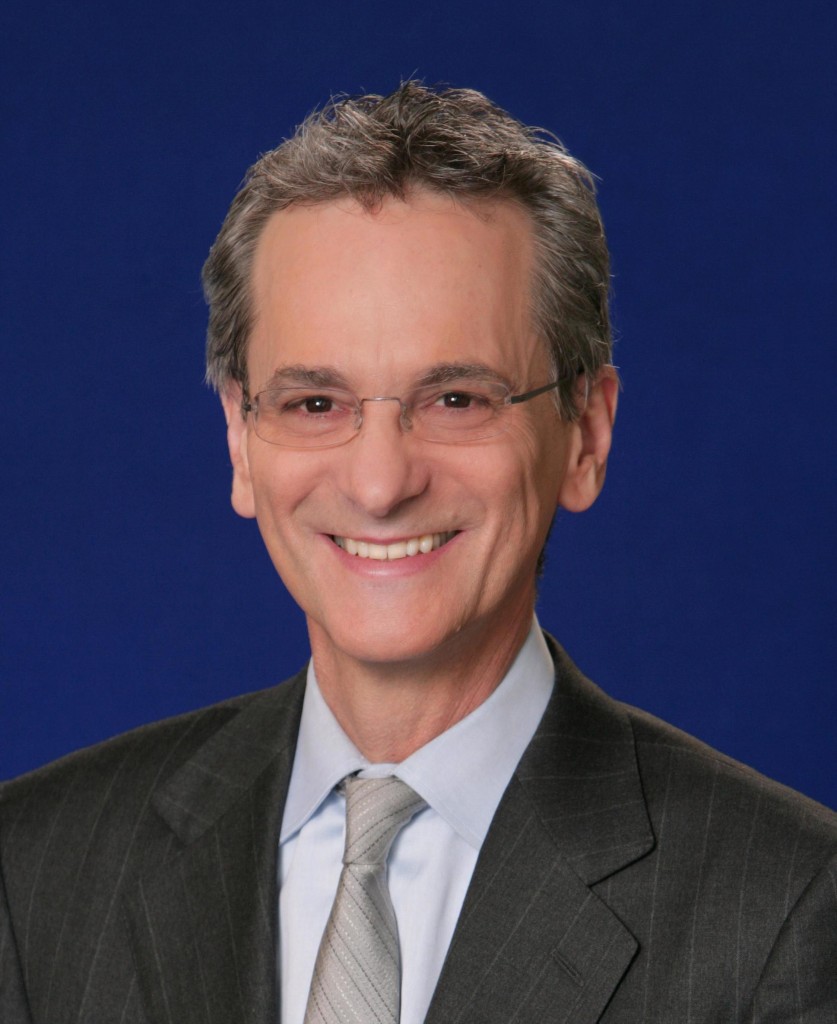
Below you can find the full tran­script of our engag­ing Q&A ses­sion today on mem­ory, mem­ory tech­niques and brain-healthy lifestyles with Dr. Gary  Small, Direc­tor of UCLA’s Mem­ory Clinic and Cen­ter on Aging, and author of The Mem­ory Bible. You can learn more about his book  Here, and learn more about upcom­ing Brain Fit­ness Q&A Ses­sions Here.

Per­haps one of the best ques­tions and answers was:

2:55
Ques­tion: Gary, you’ve worked many years in this field. Let us in on the secret. What do YOU do you, per­son­ally, to pro­mote your own brain fit­ness?
2:57
Answer: I try to get at least 30 min­utes of aer­o­bic con­di­tion­ing each day; try to min­i­mize my stress by stay­ing con­nected with fam­ily and friends; gen­er­ally eat a brain healthy diet (fish, fruits, veg­eta­bles), and try to bal­ance my online time with my offline time. Which reminds me, I think it is almost time for me to sign off line. Read the rest of this entry »

Playing Music as a Protection Against Dementia
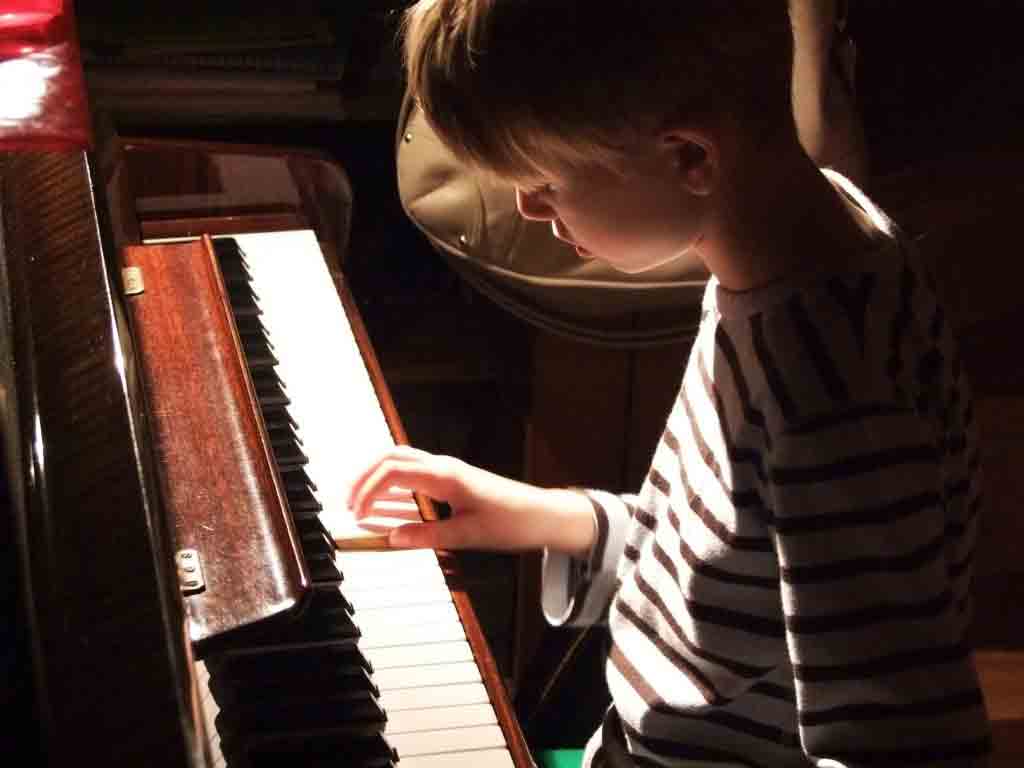
In a recent post we saw that music may help peo­ple with demen­tia learn new facts. This arti­cle explores another rela­tion­ship between music and demen­tia: play­ing a musi­cal instru­ment, even as an ama­teur, may pro­tect the brain later on against dementia-related damages.

Researchers had 70 peo­ple ages 60 to 83 per­form a vari­ety of tests to mea­sure visu­ospa­tial mem­ory, abil­ity to name objects, the brain’s abil­ity to adapt to new infor­ma­tion […] those who had engaged in musi­cal activ­ity for 10 years or longer scored sub­stan­tially bet­ter than those with no musi­cal activ­ity in their past.

the longer peo­ple play instru­ments, the more ben­e­fits they may derive.

All were ama­teurs who had started play­ing when they were 10 years old. Read the rest of this entry »

Rethinking Alzheimer’s Prevention and Treatment: The Cognitive Shop/ Brain Fitness Center

Editor’s note:
Ken­neth S. Kosik, MD, and Ellen Clegg, authors of a recent book on Alzheimer’s Dis­ease pre­ven­tion and treat­ment, force­fully pro­pose a new frame­work and model for brain care: What about set­ting up “cog­ni­tive shops” as “a sort of one-stop shop­ping for every­thing from Alzheimer’s dis­ease pre­ven­tion to guided care for mild or mod­er­ate dis­ease”. What fol­lows is the thought-provoking con­clu­sion sec­tion from their book “The Alzheimer’s Solu­tion. How Today’s Care Is Fail­ing Mil­lions and How We Can Do Bet­ter” (repro­duced with per­mis­sion), not very dif­fer­ent from the “brain fit­ness cen­ter” model we have talked about in the past.

————–

Chap­ter 10. CONCLUSIONS

Just as the idea of hos­pice care rev­o­lu­tion­ized death and dying in Amer­ica, the idea of bundling many aspects of Alzheimer’s care under one roof in a cog­ni­tive shop could change the way we approach this dire disease—one that has no cure and leaves no sur­vivors. Cer­tainly, the scope of the prob­lem poses med­ical and eco­nomic risks for the coun­try. These risks, and poten­tial steps for a solu­tion, were charted by the bipar­ti­san Alzheimer Study Group in the spring of 2009. The report, issued by the Alzheimer Study Group co-chaired by for­mer con­gress­man Newt Gin­grich and for­mer sen­a­tor Bob Ker­rey, minces few words. Read the rest of this entry »

Montessori classroom for Alzheimer’s disease patients

A beau­ti­ful ini­tia­tive, fea­tured in the New York Times today:
Com­ing Full Circle:

- “In a typ­i­cal Montes­sori class­room, teach­ers use category-sorting exer­cises to help young stu­dents see pat­terns and con­nec­tions. But the par­tic­i­pants in this group were mostly in their 80s and on the other side of the cog­ni­tive devel­op­ment curve. They are res­i­dents at an assisted-living facil­ity for peo­ple with demen­tia called Hearth­stone at the Esplanade, which has six other homes in New York State and Mass­a­chu­setts. Since July the res­i­dents have par­tic­i­pated in a full-time pro­gram of Montessori-based activ­i­ties designed for peo­ple with mem­ory deficiencies.”

- “A com­mon mis­con­cep­tion about peo­ple with demen­tia, Dr. Camp said, is that they no longer learn. But they do: res­i­dents learn to find their din­ing room table, for exam­ple, well after the onset of Alzheimer’s dis­ease. And because they no longer have the higher brain func­tion they had as adults, he rea­soned, they are well suited to Montessori.”

Full arti­cle: Com­ing Full Cir­cle.

Related posts:

- Alzheimer’s Risk and Pre­ven­tion: the Cog­ni­tive Reserve

- Your com­ments on cog­ni­tive train­ing, Posit Sci­ence, Alzheimer’s Aus­tralia, geron­tol­ogy, games

Preventing Memory Loss-CQ Researcher

Ever won­dered what explains the some­times sur­real, often mis­guided, health poli­cies by our gov­ern­ment? Well,  it is beyond our hum­ble brains to cap­ture and artic­u­late what may be going on…but we now see that lack of access to qual­ity infor­ma­tion is cer­tainly not the main prob­lem. Decision-making processes, and struc­tural incen­tives, would prob­a­bly merit more attention.…

I men­tion this because we are really impressed by the just-published 24-page spe­cial Preventing Memory Loss issue on Pre­vent­ing Mem­ory Loss by Con­gres­sional Quar­terly Researcher, one of the main pub­li­ca­tions in Capi­tol Hill.

The pub­li­ca­tion is not free, but worth the price for any­one active pro­fes­sion­ally in the health­care sec­tor, or inter­ested in learn­ing about lat­est research and pol­icy trends, from aca­d­e­mics to stu­dents. You can buy Buy the Elec­tronic PDF ($4.95) or Buy the Printed Copy ($15 — $5 dis­count using pro­mo­tion code “L8BRAIN” = $10).

Descrip­tion

As the nation’s baby boomers age, they are increas­ingly wor­ried that their mem­o­ries will dete­ri­o­rate — and with good rea­son. An esti­mated 10 mil­lion boomers will develop Alzheimer’s dis­ease or another memory-destroying neu­rode­gen­er­a­tive con­di­tion in the com­ing years. Pol­icy mak­ers and health offi­cials worry that the result­ing bulge in the num­ber of suf­fer­ers will bur­den the nation’s already strained health-care sys­tem. In the wake of these con­cerns, a vibrant brain-fitness indus­try is offer­ing a vari­ety of ways to help peo­ple keep their brains healthy, includ­ing the use of cognition-enhancing drugs and exer­cise. But many experts say much of what the pub­lic is being told is of lim­ited value, at best. Inten­si­fied brain research begun years ago at the National Insti­tutes of Health is just now begin­ning to pro­duce data that sci­en­tists hope will advance efforts to pre­vent mem­ory loss, but they worry that flat fed­eral fund­ing since 2003 may com­pro­mise the drive for solutions.

Read the rest of this entry »

Top Articles on Brain Health and Neuroplasticity

  1. Debunk­ing 10 com­mon brain fit­ness myths, by Alvaro Fernandez
  2. Brain plas­tic­ity: How learn­ing changes your brain, by Pas­cale Michelon
  3. 8 Tips To Remem­ber What You Read, by Bill Klemm
  4. Why do You Turn Down the Radio When You’re Lost?, by Car­o­line Latham
  5. Retool­ing Brain Care With Low-Cost, Data-Driven Tech­nolo­gies, by Alvaro Fernandez
  6. Do you believe these neu­romyths?, by SharpBrains
  7. Six tips to build resilience and pre­vent brain-damaging stress, by SharpBrains
  8. Does cog­ni­tive train­ing work? (For Whom? For What?), by Pas­cale Michelon
  9. The Emo­tional Life of Your Brain, by by Richard David­son, Sharon Begley
  10. To Be (Your Con­nec­tome), or Not to Be (Your Genome), by Sebas­t­ian Seung
  11. Top 10 Brain Fit­ness Future Trends, by Alvaro Fernandez
  12. Biofeed­back now a “Level 1 — Best Sup­port” Inter­ven­tion for ADHD, by SharpBrains
  13. When 1 + 1 = 5: Dyscal­cu­lia and Work­ing Mem­ory, by Tracy Alloway
  14. Train­ing Atten­tion and Emo­tional Self-Regulation — Inter­view with Michael Pos­ner, by Alvaro Fernandez
  15. The Ten Habits of Highly Effec­tive Brains, by Alvaro Fernandez
  16. Does brain train­ing work? Yes, if it meets these 5 con­di­tions, by SharpBrains
  17. Cog­ni­tive ther­apy or med­ica­tion? Brain scans may help per­son­al­ize treat­ments, by SharpBrains
  18. New Study shows Teens with ADHD helped by Cog­ni­tive Behav­ioral Ther­apy, by David Rabiner
  19. How Do Words Change Our Brains and Lives?, by Andrew New­berg, Mark Waldman
  20. BBC “Brain Train­ing” Exper­i­ment: the Good, the Bad, the Ugly, by Alvaro Fernandez
  21. From Anti-Alzheimer’s “Magic Bul­lets” to True Brain Health, by Alvaro Fer­nan­dez, Peter Whitehouse
  22. Why Agile Minds Deploy Both Ratio­nal and Intu­itive Problem-Solving, by Judith Tingley
  23. Why I Wrote The Woman Who Changed Her Brain, by Bar­bara Arrowsmith-Young
  24. The Busi­ness and Ethics of the Brain Fit­ness Boom, by Alvaro Fernandez
  25. Break­ing Down the Cog­ni­tion & Alzheimer’s Dis­ease Alpha­bet Soup, by Dharma Singh Khalsa
  26. Top 10 Quotes on Life­long Neu­ro­plas­tic­ity, by Alvaro Fernandez
  27. To Har­ness Neu­ro­plas­tic­ity, Start with Enthu­si­asm, by Helena Popovic
  28. Q&A with Yaakov Stern on Brain Reserve, Exer­cise, Cog­ni­tive Train­ing, Angry Birds, by Alvaro Fernandez
  29. Eval­u­a­tion Check­list for Brain Fit­ness prod­ucts and games, by Alvaro Fernandez
  30. Mind­ful­ness and Med­i­ta­tion in Schools for Stress Man­age­ment, by Jill Sutie
  31. Stress and Neural Wreck­age: Part of the Brain Plas­tic­ity Puz­zle, by Gre­gory Kellet
  32. Cog­ni­tive and Emo­tional Devel­op­ment Through Play, by David Elkind
  33. AARP’s Brain Fit­ness Best Books List, by SharpBrains
  34. Judith Beck: Train Your Brain to Think Like a Thin Per­son, by Alvaro Fernandez
  35. Improve Mem­ory with Sleep, Prac­tice, and Test­ing, by Bill Klemm
  36. 10 Brain Tips To Teach and Learn, by Lau­rie Bartels
  37. Dr. Elkhonon Gold­berg on Cog­ni­tive Train­ing and Brain Fit­ness, by Alvaro Fernandez
  38. Mind­ful­ness Med­i­ta­tion for Adults & Teens with ADHD, by David Rabiner
  39. Phys­i­cal Exer­cise and Brain Health, by Pas­cale Michelon
  40. Sleep, Tetris, Mem­ory and the Brain, by Shan­non Moffet

Welcome to SharpBrains.com

As seen in The New York Times, The Wall Street Jour­nal, CNN and more, Sharp­Brains is an inde­pen­dent mar­ket research and think tank track­ing health, edu­ca­tion, and pro­duc­tiv­ity appli­ca­tions of neuroscience.

Register Now at Discounted Rates

2013 SharpBrains Summit

Watch 10 Predictions on Digital Brain Health in 2013 (3 minutes)

Cover_video
Enter Your Email and Sub­scribe to our free Monthly eNewslet­ter:
Join more than 40,000 Sub­scribers and stay informed and engaged.

Follow Us Via…

twitter_logo_header