Sharp Brains: Brain Fitness and Cognitive Health News

Neuroplasticity, Brain Fitness and Cognitive Health News

Upcoming keynotes on boosting innovation & resilience; digital brain health

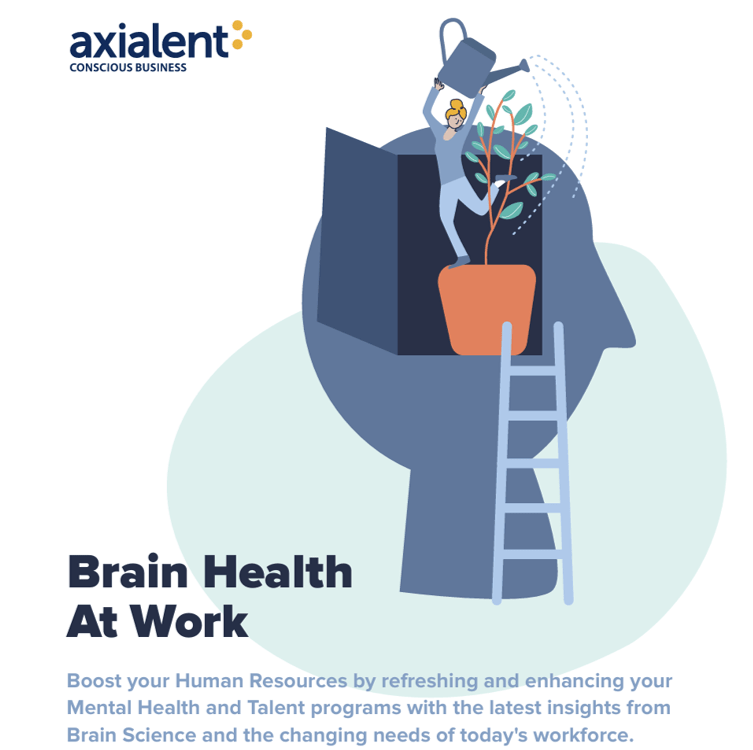
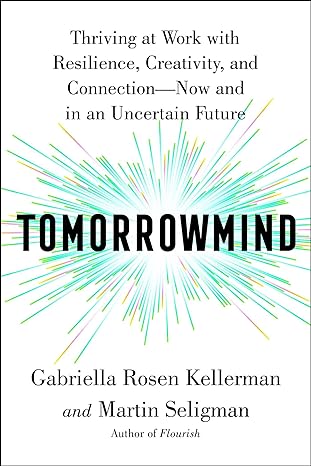
Quick heads-up: I’ll be deliv­er­ing two keynote talks next week, one to senior HR exec­u­tives, one to dig­i­tal health pio­neers. Since the first chap­ter of our new book is titled “START WITH THE BRAIN IN MIND,” we’re glad to see the grow­ing inter­est in applied brain & cog­ni­tive sci­ence from a vari­ety of per­spec­tives! Read the rest of this entry »

CES 2013: Combining brains and digital health in the workplace

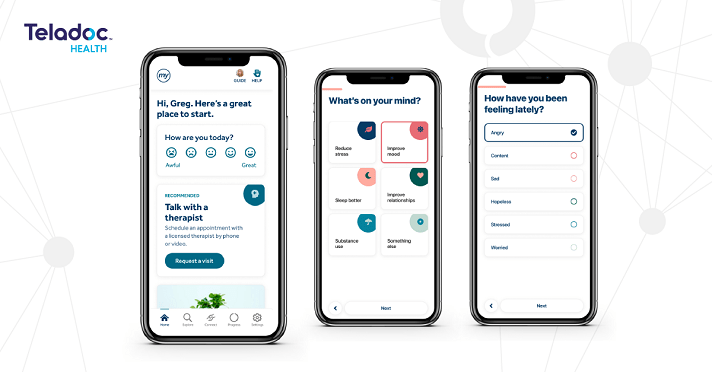
The Brain: On the Front­line of Dig­i­tal Health in the Work­place (Huff­in­g­ton Post):

…It is esti­mated that some two bil­lion world­wide, one-third of the global pop­u­la­tion, suf­fer from brain-based health and pro­duc­tiv­ity chal­lenges with a related cost bur­den of more than $2 tril­lion. The broad scope of this mar­ket is empha­sized fur­ther when con­sid­er­a­tion is given to Read the rest of this entry »

SharpBrains Council Monthly Insights: How will we assess, enhance and repair cognition across the lifespan?

When you think of how the PC has altered the fab­ric of soci­ety, per­mit­ting instant access to infor­ma­tion and automat­ing processes beyond our wildest dreams, it is instruc­tive to con­sider that much of this progress was dri­ven by Moore’s law. Halv­ing the size of semi­con­duc­tor every 18 months catal­ysed an expo­nen­tial accel­er­a­tion in performance.

Why is this story rel­e­vant to mod­ern neu­ro­science and the work­ings of the brain? Because trans­for­ma­tive tech­no­log­i­cal progress arises out of choice and the actions of indi­vid­u­als who see poten­tial for change, and we may well be on the verge of such progress. Read the rest of this entry »

SharpBrains Council Weekly Update: 54 Members, Events, Industry, Research, Ideas

Let me pro­vide an overview of the great things going on with the Sharp­Brains Coun­cil for Brain Fit­ness Inno­va­tion — start­ing this week, we will share a brief update like this every Fri­day to main­tain Sharp­Brains col­leagues and read­ers informed. Please note that all links below require access to the Council’s online platform.

Coun­cil Membership
We have 54 Coun­cil Mem­bers right now (47 are already active in the Council’s online plat­form). To help Mem­bers quickly see who we all are and what we are inter­ested in, there is a Mem­ber List avail­able in the Library.

This week, based on level of Coun­cil par­tic­i­pa­tion and on hav­ing a nice pro­file pic, we are fea­tur­ing 7 Coun­cil Mem­bers: Pas­cale Mich­e­lon, Philip Toman, Jamie Wil­son, Luc Beau­doin, Joshua Stein­er­man, Adam Gaz­za­ley and Sher­rie All. Read the rest of this entry »

Distracted in the Workplace? Meet Maggie Jackson’s Book

Today we’ll dis­cuss some of the cog­ni­tive impli­ca­tions of “always on” work­places and lifestyles via a fas­ci­nat­ing inter­view with Mag­gie Jack­son, an award-winning author and jour­nal­ist. Her lat­est book, Dis­tracted: The Ero­sion of Atten­tion and the Com­ing Dark Age, describes Distracted by Maggie Jacksonthe impli­ca­tions of our busy work and life envi­ron­ments and offers impor­tant reflec­tions to help us thrive in them.

This is a 2-part inter­view con­ducted via e-mail: we will pub­lish the con­tin­u­a­tion on Thurs­day March 12th.

Alvaro Fer­nan­dez: New York Times colum­nist David Brooks said last year that we live in a Cog­ni­tive Age, and encour­aged read­ers to be aware of this change and try and adapt to the new real­ity. Can you explain the cog­ni­tive demands of today’s work­places that weren’t there 30–40 years ago?

Mag­gie Jack­son: Our work­places have changed enor­mously in recent decades, and it’s easy to point to the Black­berry or the lap­top as the sources of our cul­ture of speed and over­load and dis­trac­tion. But it’s impor­tant to note first that our 24/7, frag­mented work cul­ture has deeper roots. With the first high-tech inven­tions, such as the cin­ema, phono­graph, tele­graph, rail, and car, came rad­i­cal changes in human expe­ri­ence of time and space. Dis­tance was shat­tered  long before email and red-eye flights. Tele­graph oper­a­tors  not online daters  expe­ri­enced the first vir­tual love affairs, as evi­denced by the 1890s novel Wired Love. Now, we wres­tle with the effects of changes seeded long ago.

Today, the cog­ni­tive and phys­i­cal demands on work­ers are steep. Con­sider 24/7 liv­ing. At great cost to our health, we oper­ate in a sleep­less, hur­ried world, ignor­ing cues of sun and sea­son, the Indus­trial Age inven­tions of the week­end and vaca­tion, and the rhythms of biol­ogy. We try to break the fet­ters of time and live like per­pet­ual motion machines. That’s one rea­son why we feel over­loaded and stressed con­di­tions that are cor­ro­sive to problem-solving and clear thinking.

At the same time, our tech­nolo­gies allow us access to mil­lions of infor­ma­tion bites pro­duc­ing an abun­dance of data that is both won­drous and dan­ger­ous. Unless we have the will, dis­ci­pline and frame­works for turn­ing this infor­ma­tion into wis­dom, we remain stuck on the sur­face of Read the rest of this entry »

Wellness Coaching for Brain Health and Fitness

We just received this quote of how a major health sys­tem is using our Brain Fit­ness Mar­ket Report:

At Sut­ter Health Part­ners we rec­og­nize the impor­tance of brain health and how much the health of the brain and the body are inter­de­pen­dent.  The mar­ket report helped us fur­ther tar­get our coach­ing efforts to inte­grate brain fit­ness and upgrade our entire coach­ing plat­form.  It is easy to read and gives you the indus­try per­spec­tive in a thor­ough yet con­cise man­ner.  I highly rec­om­mend it!”

– Mar­garet Sabin, CEO of Sut­ter Health Part­ners and VP, New Prod­uct Devel­op­ment, at Sut­ter Health.

You may won­der, “what is the link between  well­ness coach­ing and brain fitness”?

In prac­tice, good health and well­ness coaches pro­vide excel­lent brain health advice, given that the areas they focus on (nutri­tion, phys­i­cal exer­cise, stress man­age­ment) do play an impor­tant role in main­tain­ing our brains in top shape.

Addi­tion­ally, pio­neers  such as Sut­ter Health Part­ners are adding a Brain “lens” to their work. How?

First, by bet­ter under­stand­ing and explain­ing the brain ben­e­fits of what they already do, in order to pro­vide addi­tional moti­va­tion to stick with healthy behav­iors. For exam­ple, most peo­ple will be able to recite mul­ti­ple ben­e­fits of mod­er­ate car­dio­vas­cu­lar exer­cise. But how many know  that it can also con­tribute to neu­ro­ge­n­e­sis –the cre­ation of new neu­rons — in adult brains?

Sec­ond, by start­ing to offer brain fit­ness guide­lines to clients who want too go beyond cross­word puz­zles and sudoku.

I had a great train­ing ses­sion with a num­ber of Sut­ter Health coaches last week — let me sum­ma­rize some of the main points we cov­ered. Read the rest of this entry »

Carnival of Human Resources and Leadership

Wel­come to the Sep­tem­ber 17th edi­tion of the Car­ni­val of Human Resources, the vir­tual gath­er­ing, every other week, of blog­gers focused on Human Resources and Lead­er­ship topics.

Let’s imag­ine all par­tic­i­pants in a con­fer­ence room, con­duct­ing a lively Q&A brown-bag lunch discussion.

Q: Can you teach Lead­er­ship in a class­room?
- Wally: Not really. Nei­ther the per­son who aspires to become a leader nor HR depart­ments should see lead­er­ship devel­op­ment as an activ­ity to be out­sourced to a class­room set­ting. Lead­er­ship is a life­long appren­tice trade, led by the learner himself/ her­self. The most HR depart­ments can do is to archi­tect the right set of expe­ri­ences to enable/ accel­er­ate that development.

Q: Can you teach Social Intel­li­gence in a class­room?
- Jon: Accord­ing to a recent Har­vard Busi­ness Review arti­cle, not really. Daniel Gole­man and Richard Boy­atzis say that “our brains engage in an emo­tional tango, a dance of feel­ings”. And you learn Tango by, well, danc­ing Tango. Gole­man and Boy­atzis add that “Lead­ing effec­tively is about devel­op­ing a gen­uine inter­est in and tal­ent for fos­ter­ing pos­i­tive feel­ings in the peo­ple whose coop­er­a­tion and sup­port you need.”

Q: Can you pro­vide an exam­ple of apply­ing social intel­li­gence in the work­place, and train­ing on-the-job?
- Suzanne: Sure. Learn to appre­ci­ate your front line employ­ees. They are the ones who inter­act with cus­tomers every day — which some com­pa­nies seem to ignore at their peril.
- Denise: another oneWhat can you do when your team falls apart while you’re gone?.

Q: How can you gen­er­ate pos­i­tive feel­ings, when some­times we get stuck in bad news and con­stant quarter-by-quarter pres­sures?
- Anna: Adding much needed per­spec­tive. Please note: Read the rest of this entry »

Top Articles on Brain Health and Neuroplasticity

  1. Debunk­ing 10 com­mon brain fit­ness myths, by Alvaro Fernandez
  2. Brain plas­tic­ity: How learn­ing changes your brain, by Pas­cale Michelon
  3. 8 Tips To Remem­ber What You Read, by Bill Klemm
  4. Why do You Turn Down the Radio When You’re Lost?, by Car­o­line Latham
  5. Retool­ing Brain Care With Low-Cost, Data-Driven Tech­nolo­gies, by Alvaro Fernandez
  6. Do you believe these neu­romyths?, by SharpBrains
  7. Six tips to build resilience and pre­vent brain-damaging stress, by SharpBrains
  8. Does cog­ni­tive train­ing work? (For Whom? For What?), by Pas­cale Michelon
  9. The Emo­tional Life of Your Brain, by by Richard David­son, Sharon Begley
  10. To Be (Your Con­nec­tome), or Not to Be (Your Genome), by Sebas­t­ian Seung
  11. Top 10 Brain Fit­ness Future Trends, by Alvaro Fernandez
  12. Biofeed­back now a “Level 1 — Best Sup­port” Inter­ven­tion for ADHD, by SharpBrains
  13. When 1 + 1 = 5: Dyscal­cu­lia and Work­ing Mem­ory, by Tracy Alloway
  14. Train­ing Atten­tion and Emo­tional Self-Regulation — Inter­view with Michael Pos­ner, by Alvaro Fernandez
  15. The Ten Habits of Highly Effec­tive Brains, by Alvaro Fernandez
  16. Does brain train­ing work? Yes, if it meets these 5 con­di­tions, by SharpBrains
  17. Cog­ni­tive ther­apy or med­ica­tion? Brain scans may help per­son­al­ize treat­ments, by SharpBrains
  18. New Study shows Teens with ADHD helped by Cog­ni­tive Behav­ioral Ther­apy, by David Rabiner
  19. How Do Words Change Our Brains and Lives?, by Andrew New­berg, Mark Waldman
  20. BBC “Brain Train­ing” Exper­i­ment: the Good, the Bad, the Ugly, by Alvaro Fernandez
  21. From Anti-Alzheimer’s “Magic Bul­lets” to True Brain Health, by Alvaro Fer­nan­dez, Peter Whitehouse
  22. Why Agile Minds Deploy Both Ratio­nal and Intu­itive Problem-Solving, by Judith Tingley
  23. Why I Wrote The Woman Who Changed Her Brain, by Bar­bara Arrowsmith-Young
  24. The Busi­ness and Ethics of the Brain Fit­ness Boom, by Alvaro Fernandez
  25. Break­ing Down the Cog­ni­tion & Alzheimer’s Dis­ease Alpha­bet Soup, by Dharma Singh Khalsa
  26. Top 10 Quotes on Life­long Neu­ro­plas­tic­ity, by Alvaro Fernandez
  27. To Har­ness Neu­ro­plas­tic­ity, Start with Enthu­si­asm, by Helena Popovic
  28. Q&A with Yaakov Stern on Brain Reserve, Exer­cise, Cog­ni­tive Train­ing, Angry Birds, by Alvaro Fernandez
  29. Eval­u­a­tion Check­list for Brain Fit­ness prod­ucts and games, by Alvaro Fernandez
  30. Mind­ful­ness and Med­i­ta­tion in Schools for Stress Man­age­ment, by Jill Sutie
  31. Stress and Neural Wreck­age: Part of the Brain Plas­tic­ity Puz­zle, by Gre­gory Kellet
  32. Cog­ni­tive and Emo­tional Devel­op­ment Through Play, by David Elkind
  33. AARP’s Brain Fit­ness Best Books List, by SharpBrains
  34. Judith Beck: Train Your Brain to Think Like a Thin Per­son, by Alvaro Fernandez
  35. Improve Mem­ory with Sleep, Prac­tice, and Test­ing, by Bill Klemm
  36. 10 Brain Tips To Teach and Learn, by Lau­rie Bartels
  37. Dr. Elkhonon Gold­berg on Cog­ni­tive Train­ing and Brain Fit­ness, by Alvaro Fernandez
  38. Mind­ful­ness Med­i­ta­tion for Adults & Teens with ADHD, by David Rabiner
  39. Phys­i­cal Exer­cise and Brain Health, by Pas­cale Michelon
  40. Sleep, Tetris, Mem­ory and the Brain, by Shan­non Moffet

Welcome to SharpBrains.com

As seen in The New York Times, The Wall Street Jour­nal, CNN and more, Sharp­Brains is an inde­pen­dent mar­ket research and think tank track­ing health and well-being appli­ca­tions of brain science.

Watch 2013 SharpBrains Summit Tutorial (3 minutes)

Summit_videocover

Register Now at Discounted Rates

2013 SharpBrains Summit
Enter Your Email and Sub­scribe to our free Monthly eNewslet­ter:
Join more than 40,000 Sub­scribers and stay informed and engaged.

Follow Us Via…

twitter_logo_header