Sharp Brains: Brain Fitness and Cognitive Health News

Neuroplasticity, Brain Fitness and Cognitive Health News

Research on ‘Chemo Brain’: MRI Shows Brain Changes After Chemotherapy

‘Chemo Brain’: MRI Shows Brain Changes After Chemother­apy (Medscape):

- “Breast can­cer sur­vivors who have been treated with chemother­apy show sig­nif­i­cant changes in brain activ­ity, mea­sured by func­tional mag­netic res­o­nance imag­ing (fMRI), accord­ing to a study pub­lished in the Novem­ber issue of the Archives of Neu­rol­ogy.”

- “The find­ing val­i­dates patients’ claims of reduced cog­ni­tive func­tion after receiv­ing chemother­apy, a phe­nom­e­non referred to as “chemo brain,” said lead author Shelli R. Kesler, PhD, from Stan­ford Uni­ver­sity School of Med­i­cine in California.”

Link to study Pre­frontal Cor­tex and Exec­u­tive Func­tion Impair­ments in Pri­mary Breast Can­cer (Archives of Neu­rol­ogy): Read the rest of this entry »

Promoting Healthy, Meaningful Aging Through Social Involvement: Building an Experience Corps

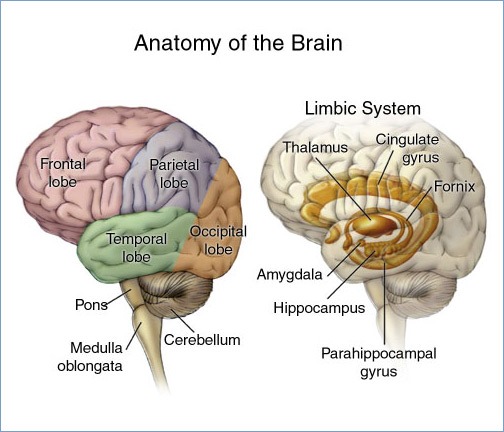
(Editor’s note: Path­ways respon­si­ble for higher-order think­ing in the pre­frontal cor­tex (PFC), or exec­u­tive cen­ter of the brain, remain vul­ner­a­ble through­out life—during crit­i­cal early-life devel­op­men­tal win­dows, when the PFC fully matures in the early 20s, and finally from declines asso­ci­ated with old age. At all ages, phys­i­cal activ­ity and PFC-navigated social con­nec­tions are essen­tial com­po­nents to main­tain­ing brain health. The Expe­ri­ence Corps, a community-based social-engagement pro­gram, part­ners seniors with local schools to pro­mote purpose-driven involve­ment. Par­tic­i­pat­ing seniors have exhib­ited imme­di­ate short-term gains in brain regions vul­ner­a­ble to aging, such as the PFC, indi­cat­ing that peo­ple with the most to lose have the most to gain from envi­ron­men­tal enrichment.)

Over the last decade, sci­en­tists made two key dis­cov­er­ies that reframed our under­stand­ing of the adult brain’s poten­tial to ben­e­fit from life­long envi­ron­men­tal enrich­ment. First, they learned that the adult brain remains plas­tic; it can gen­er­ate new neu­rons in response to phys­i­cal activ­ity and new expe­ri­ences. Sec­ond, they con­firmed the impor­tance of social con­nect­ed­ness to late-life cog­ni­tive, psy­cho­log­i­cal, and phys­i­cal health. The inte­gra­tion of these find­ings with our under­stand­ing of indi­vid­u­als’ devel­op­men­tal needs through­out life under­scores the impor­tance of the “social brain.” The pre­frontal cor­tex (PFC) is par­tic­u­larly inte­gral to nav­i­gat­ing com­plex social behav­iors and hier­ar­chies over the life course. Read the rest of this entry »

Study: Contrasting Brain Growth in Baby Humans and Baby Chimpanzees

Chart­ing Brain Growth in Humans and Chimps (New York Times):
– “Although baby humans and baby chim­panzees both start out with unde­vel­oped fore­brains, a new study reports that the human brain increases in vol­ume much more rapidly early on.“
– “The growth is in a region of the brain known as the pre­frontal cor­tex and is part of what makes humans cog­ni­tively advanced com­pared with other ani­mals, includ­ing the chim­panzee, our clos­est rel­a­tive. The pre­frontal cor­tex plays a major role in decision-making, self-awareness and cre­ative thinking.”

–> To learn more about study Dif­fer­en­tial Pre­frontal White Mat­ter Devel­op­ment in Chim­panzees and Humans: click Here (requires subscription).

–> To explore what may have hap­pened oth­er­wise, you may want to watch the new movie Rise of the Planet of the Apes.

Experience Corps: Promoting Healthy, Meaningful Aging Through Social Involvement

The cur­rent issue of Cere­brum –a great pub­li­ca­tion of the Dana Foun­da­tion– includes the excel­lent in-depth arti­cle Pro­mot­ing Healthy, Mean­ing­ful Aging Through Social Involve­ment: Build­ing an Expe­ri­ence Corps, writ­ten by researcher Michelle Carlson:

Over the last decade, sci­en­tists made two key dis­cov­er­ies that reframed our under­stand­ing of the adult brain’s poten­tial to ben­e­fit from life­long envi­ron­men­tal enrich­ment. First, they learned that the adult brain remains plas­tic; it can gen­er­ate new neu­rons in response to phys­i­cal activ­ity and new expe­ri­ences. Sec­ond, they con­firmed the impor­tance of Read the rest of this entry »

Neuroplasticity in the Brain of Children with Neurological Disorders

The brains of chil­dren with neu­ro­log­i­cal dis­or­ders seems to exhibit signs of neu­ro­plas­tic changes, sug­gest­ing com­pen­satory mech­a­nisms for the dis­or­der. This result opens up the pos­si­bil­ity that brain train­ing may be use­ful to help these patients con­trol their symptoms.

The dis­or­der stud­ied was Tourette syn­drome (TS), which usu­ally become evi­dent in early child­hood or ado­les­cence before the age of 18 years.  The symp­toms are invol­un­tary move­ments (tics) as well as ver­bal tics or vocal­iza­tions.  These tics are fre­quent, repet­i­tive and rapid.  Most cases of TS are mild and peo­ple lead pro­duc­tive lives.

Par­tic­i­pants in the study (aver­age age of 14) per­formed a motor task with high lev­els of man­ual con­flict (they had to obey instruc­tions such as press a left key in response to an arrow point­ing to the right and vice-versa). Chil­dren with TS were much faster than con­trol chil­dren (with­out TS) in such a task. This sup­ports the idea that chil­dren with TS have more con­trol over motor activ­ity in gen­eral, due to the con­stant require­ment to sup­press their tics. Read the rest of this entry »

Cognitive Enhancement via Pharmacology AND Neuropsychology, in The New Executive Brain

(Editor’s Note: given the grow­ing media atten­tion to three appar­ently sep­a­rate worlds –cog­ni­tive enhance­ment via drugs, brain fit­ness train­ing soft­ware, com­put­er­ized neu­rocog­ni­tive assessments-, I found it refresh­ing to see our co-founder Elkhonon Gold­berg intro­duce the topic of cog­notropic drugs with an inte­gra­tive per­spec­tive in the much updated new edi­tion of his clas­sic book, now titled The New Executive Brain - By Elkhonon Goldberg The New Exec­u­tive Brain: Frontal Lobes In A Com­plex World. Below goes an excerpt).

For many neu­ropsy­chol­o­gists, like myself, sci­ence is a labor of love, but see­ing patients is bread and but­ter. Tra­di­tion­ally, the clin­i­cal con­tri­bu­tion of neu­ropsy­chol­ogy has been mostly diag­nos­tic, with pre­cious lit­tle to offer patients by way of treat­ment. Neu­ropsy­chol­ogy is not the only clin­i­cal dis­ci­pline for years con­signed to help­less voyeurism. Every dis­ci­pline con­cerned with cog­ni­tion shares this hum­bling predica­ment. A psy­chi­a­trist treat­ing a schiz­o­phrenic patient or a depressed patient finds him– or her­self in a sim­i­lar posi­tion. There are ample phar­ma­co­log­i­cal tools to treat the patient’s psy­chosis or mood, but very few to treat the patient’s cog­ni­tion. Even though psy­chi­a­trists increas­ingly rec­og­nize that cog­ni­tive impair­ment is often more debil­i­tat­ing in their patients than psy­chosis or mood dis­or­der, tra­di­tion­ally, very lit­tle direct effort has been aimed at improv­ing cognition.

A neu­rol­o­gist treat­ing a patient recov­er­ing from the effects of head injury does not fare much bet­ter. There are ade­quate means to con­trol the patient’s seizures but not his or her cog­ni­tive changes, despite the fact that cog­ni­tive impair­ment is usu­ally far more debil­i­tat­ing than an occa­sional seizure. Soci­ety has been so pre­oc­cu­pied with sav­ing lives, treat­ing hal­lu­ci­na­tions, con­trol­ling seizures, and lift­ing depres­sion that cog­ni­tion (mem­ory, atten­tion, plan­ning, prob­lem solv­ing) has been largely ignored. Granted, var­i­ous neu­rolep­tics, anti­con­vul­sants, anti­de­pres­sants, seda­tives, and stim­u­lants do have an effect on cog­ni­tion, but it is an ancil­lary effect of a drug designed to treat some­thing else.

Alzheimer’s dis­ease and other demen­tias have been society’s wake-up call. Here, in the most afflu­ent coun­try in the most afflu­ent of times, human minds were suc­cumb­ing to decay before human bod­ies, a sharp chal­lenge to the tacit pop­u­lar belief that the “body is frail but soul is for­ever.” This pro­vided an impe­tus for the devel­op­ment of an entirely new class of drugs, which can be termed famil­ially as “cog­notropic.” Their pri­mary and explicit pur­pose is to improve cognition.

Since med­ical and pub­lic pre­oc­cu­pa­tion with demen­tia focuses on mem­ory, most of the phar­ma­co­log­i­cal efforts have been directed at improv­ing mem­ory. At the time of this writ­ing, a hand­ful of drugs known as “Alzheimer’s drugs” or “mem­ory enhancers” have been approved by the U.S. Food and Drug Admin­is­tra­tion (FDA). In real­ity, both des­ig­na­tions are some­what mis­lead­ing. The drugs in ques­tion are Read the rest of this entry »

Daniel Goleman: Yes, You Can Build Willpower (meditate on neuroplasticity!)

(Editor’s note: Daniel Gole­man is now con­duct­ing a series of audio inter­views includ­ing a great one with Richard David­son on Train­ing the Brain. We are hon­ored to bring you this guest post by Daniel Gole­man, thanks to our col­lab­o­ra­tion with Greater Good Mag­a­zine.)

Yes, You Can:

New research sug­gests we can build our willpower

– By Daniel Goleman

Those of us who strug­gle to resist junk foods or oth­er­wise suf­fer a lack of willpower will be heart­ened by some good news from neu­ro­science. But there’s some bad news, too.

First, the bad news. A slew of stud­ies sug­gest that we each have a fixed neural reser­voir of willpower, and that if we use it on one thing, we have less for oth­ers. Tasks that demand some self-control make it harder for us to do the next thing that takes willpower.

In a typ­i­cal exper­i­ment on this effect, one group of peo­ple was made to watch a video of a bor­ing scene; another was not. Then both groups had to cir­cle every “e” in a long pas­sage of writ­ing. The result? The peo­ple who had to first sit through the bor­ing video gave up faster. The same loss of per­sis­tence has been found when peo­ple try to resist tempt­ing foods, sup­press emo­tional reac­tions, or even make the effort to try to impress someone.

This all sug­gests we have a fixed willpower bud­get, one we should be care­ful in spend­ing. Some neu­ro­sci­en­tists sus­pect that self-control con­sumes blood sugar, which takes a while to build up again; thus, the deple­tion effect.

But the good news is that we can grow our willpower; like a mus­cle, the more we use it, the more it grad­u­ally increases over time. But doing this takes, of all things, willpower.

As the mus­cle of will grows, the larger our reser­voir of self-discipline becomes. So peo­ple who are able to Read the rest of this entry »

Top Articles on Brain, Cognition and Neuroplasticity

  1. Do you believe these neu­romyths?, by SharpBrains
  2. Brain Plas­tic­ity: How learn­ing changes your brain, by Pas­cale Michelon
  3. In the Age of Google, Should Schools Teach Mem­o­riza­tion Skills?, by Bill Klemm
  4. Does cog­ni­tive train­ing work? (For Whom? For What?), by Pas­cale Michelon
  5. The Emo­tional Life of Your Brain, by by Richard David­son, Sharon Begley
  6. Cur­rent State of the Sci­ence behind Neu­ro­feed­back Treat­ment for ADHD, by David Rabiner
  7. To Be (Your Con­nec­tome), or Not to Be (Your Genome), by Sebas­t­ian Seung
  8. Top 10 Brain Fit­ness Future Trends, by Alvaro Fernandez
  9. Biofeed­back now a “Level 1 — Best Sup­port” Inter­ven­tion for ADHD, by SharpBrains
  10. When 1 + 1 = 5: Dyscal­cu­lia and Work­ing Mem­ory, by Tracy Alloway
  11. Train­ing Atten­tion and Emo­tional Self-Regulation — Inter­view with Michael Pos­ner, by Alvaro Fernandez
  12. The Ten Habits of Highly Effec­tive Brains, by Alvaro Fernandez
  13. Why do You Turn Down the Radio When You’re Lost?, by Car­o­line Latham
  14. Brain fit­ness Q&A: Mem­ory, stress, emo­tions, by Alvaro Fernandez
  15. Cog­ni­tive ther­apy or med­ica­tion? Brain scans may help per­son­al­ize treat­ments, by SharpBrains
  16. New Study shows Teens with ADHD helped by Cog­ni­tive Behav­ioral Ther­apy, by David Rabiner
  17. How Do Words Change Our Brains and Lives?, by Andrew New­berg, Mark Waldman
  18. BBC “Brain Train­ing” Exper­i­ment: the Good, the Bad, the Ugly, by Alvaro Fernandez
  19. Sci­en­tific cri­tique of BBC/ Nature Brain Train­ing Exper­i­ment, by Liz Zelinski
  20. From Anti-Alzheimer’s “Magic Bul­lets” to True Brain Health, by Alvaro Fer­nan­dez, Peter Whitehouse
  21. Why Agile Minds Deploy Both Ratio­nal and Intu­itive Problem-Solving, by Judith Tingley
  22. Why I Wrote The Woman Who Changed Her Brain, by Bar­bara Arrowsmith-Young
  23. The Busi­ness and Ethics of the Brain Fit­ness Boom, by Alvaro Fernandez
  24. Break­ing Down the Cog­ni­tion & Alzheimer’s Dis­ease Alpha­bet Soup, by Dharma Singh Khalsa
  25. Top 10 Quotes on Life­long Neu­ro­plas­tic­ity, by Alvaro Fernandez
  26. To Har­ness Neu­ro­plas­tic­ity, Start with Enthu­si­asm, by Helena Popovic
  27. Q&A with Yaakov Stern on Brain Reserve, Exer­cise, Cog­ni­tive Train­ing, Angry Birds, by Alvaro Fernandez
  28. It is Not Only Cars That Deserve Good Main­te­nance: Brain Care 101, by Alvaro Fernandez
  29. Eval­u­a­tion Check­list for Brain Fit­ness prod­ucts and games, by Alvaro Fernandez
  30. Mind­ful­ness and Med­i­ta­tion in Schools for Stress Man­age­ment, by Jill Sutie
  31. Stress and Neural Wreck­age: Part of the Brain Plas­tic­ity Puz­zle, by Gre­gory Kellet
  32. Cog­ni­tive and Emo­tional Devel­op­ment Through Play, by David Elkind
  33. AARP’s Brain Fit­ness Best Books List, by SharpBrains
  34. Judith Beck: Train Your Brain to Think Like a Thin Per­son, by Alvaro Fernandez
  35. Improve Mem­ory with Sleep, Prac­tice, and Test­ing, by Bill Klemm
  36. 10 Brain Tips To Teach and Learn, by Lau­rie Bartels
  37. Dr. Elkhonon Gold­berg on Cog­ni­tive Train­ing and Brain Fit­ness, by Alvaro Fernandez
  38. Mind­ful­ness Med­i­ta­tion for Adults & Teens with ADHD, by David Rabiner
  39. Phys­i­cal Exer­cise and Brain Health, by Pas­cale Michelon
  40. Sleep, Tetris, Mem­ory and the Brain, by Shan­non Moffet

Welcome to SharpBrains.com

As seen in The New York Times, The Wall Street Jour­nal, CNN and more, Sharp­Brains is an inde­pen­dent mar­ket research and think tank track­ing health, edu­ca­tion, and pro­duc­tiv­ity appli­ca­tions of neuroscience.

Register Now at Discounted Rates

2013 SharpBrains Summit

Watch 10 Predictions on Digital Brain Health in 2013 (3 minutes)

Cover_video
Enter Your Email and Sub­scribe to our free Monthly eNewslet­ter:
Join more than 40,000 Sub­scribers and stay informed and engaged.

Follow Us Via…

twitter_logo_header