Sharp Brains: Brain Fitness and Cognitive Health News

Neuroplasticity, Brain Fitness and Cognitive Health News

Raising awareness about the distracted mind (PBS special)
DistractedMindI feel it is crit­i­cal that sci­en­tists make an effort to trans­late their research dis­cov­er­ies into a for­mat that is under­stand­able and mean­ing­ful to the gen­eral pub­lic. They should also, at least on occa­sion, step beyond detailed descrip­tions of lab­o­ra­tory results and spec­u­late on how their find­ings inform the big­ger pic­ture and impact people’s lives. This has never been more impor­tant than it is it right now, in this time of dra­mat­i­cally reduced sci­ence fund­ing. In the PBS-sponsored spe­cial, The Dis­tracted Mind, I try to accom­plish this by inte­grat­ing mate­r­ial from dozens of Read the rest of this entry »

Steve Jobs: Computers are the Bicycles of the Mind

Fas­ci­nat­ing raw footage from a 1990 inter­view with Steve Jobs. Please don’t miss the pro­found and quite funny first three min­utes and a half (the rest is a more usual tech inter­view).

Watch An Inter­view With Steve Jobs on PBS. See more from NOVA.

Money quote: Read the rest of this entry »

Transcript: Alvaro Fernandez on Brain Health and Non-invasive Cognitive Enhancement
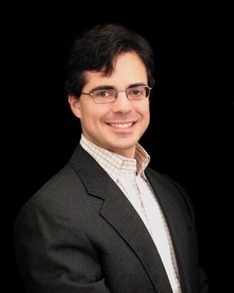
Below you can find the full tran­script of our engag­ing Q&A ses­sion yes­ter­day on life­long cog­ni­tive fit­ness, “men­tal cap­i­tal­ism”, and more,  with Alvaro Fer­nan­dez, co-author of The Sharp­Brains Guide to Brain Fit­ness, mod­er­ated by Harry Moody, Direc­tor of Aca­d­e­mic Affairs at AARP.

Read the rest of this entry »

Top 30 Brain Health and Fitness Articles of 2008

Here brain teasers job interview you have Sharp­Brains’ 30 most pop­u­lar arti­cles, ranked by the num­ber of peo­ple who have read each arti­cle in 2008.

Please note that, since the first arti­cle already includes most of our most pop­u­lar brain teasers, we have excluded teasers from the rest of the rank­ing. (If those 50 are not enough for you, you can also try these brain teasers).

Blog Chan­nel
Arti­cle
1. Top 50 Brain Teasers and Games to Test your Brain
It is always good to stim­u­late our minds and to learn a bit about how our brains work. Here you have a selec­tion of the 50 Brain Teasers that peo­ple have enjoyed the most.
2. The Ten Habits of Highly Effec­tive Brains
Let’s review some good lifestyle options we can fol­low to main­tain, and improve, our vibrant brains. My favorite: don’t out­source your brain (even to us).
3. Why do You Turn Down the Radio When You’re Lost?
You’re dri­ving through sub­ur­bia one evening look­ing for the street where you’re sup­posed to have din­ner at a friend’s new house. You slow down to a crawl, turn down the radio, stop talk­ing, and stare at every sign. Why is that? Nei­ther the radio nor talk­ing affects your vision. Or do they?
4. Brain Plas­tic­ity: How learn­ing changes your brain
You may have heard that the brain is plas­tic. As you know the brain is not made of plas­tic! Neu­ro­plas­tic­ity or brain plas­tic­ity refers to the brain’s abil­ity to CHANGE through­out life.
5. Top 10 Brain Train­ing Future Trends
In an emerg­ing mar­ket like brain fit­ness train­ing, it is dif­fi­cult to make pre­cise pro­jec­tions. But, we can observe a num­ber of trends that exec­u­tives, con­sumers, pub­lic pol­icy mak­ers, and the media should watch closely in the com­ing years, as brain fit­ness and train­ing becomes main­stream, new tools appear, and an ecosys­tem grows around it.

Read the rest of this entry »

Towards a Healthy Living & Cognitive Health Agenda

Here you have the Novem­ber edi­tion of our monthly newslet­ter cov­er­ing cog­ni­tive health and brain fit­ness top­ics. Please remem­ber that you can sub­scribe to receive this Newslet­ter by email, sim­ply by brain fitness and health newslettersub­mit­ting your email at the top of this page.

Thank you for your inter­est, atten­tion and par­tic­i­pa­tion in our Sharp­Brains com­mu­nity. As always, we appre­ci­ate your com­ments and suggestions.

Sum­mit of the Global Agenda

How can we per­suade busi­ness lead­ers, policy-makers and researchers of the urgency to develop and pro­mote an inte­grated “Healthy Liv­ing” agenda focused on main­tain­ing life­long phys­i­cal and cog­ni­tive health, vs. the usual mind­set focused on deal­ing with spe­cific dis­eases and prob­lems once they arise?

In The Future of the Aging Soci­ety: Bur­den or Human Cap­i­tal?, I sum­ma­rize some of the key themes dis­cussed at the World Eco­nomic Forum event in Dubai on Novem­ber 7-9th. The world is aging — and in health­ier ways. But our health­care and retire­ment sys­tems are on track to go bank­rupt — their premises are out­dated. The cur­rent disease-based research agenda com­pounds the prob­lem. Solu­tions? 1) Pro­mote Healthy Lifestyles that help Main­tain Phys­i­cal and Cog­ni­tive Func­tional Abil­i­ties, 2) Redesign Envi­ron­ments to Fos­ter Health, Engage­ment and Finan­cial Secu­rity, 3) Develop an Inte­grated Healthy Liv­ing & Aging Research Agenda. Specif­i­cally, we could work with the UN and Global 2000 com­pa­nies to move for­ward a new agenda.

Planet Earth 2.0: A New Oper­at­ing Sys­tem: Imag­ine see­ing a top sheik in Dubai, wrapped in tra­di­tional Arab cloth­ing, exclaim “Yes We Can (a la Obama) in front of the 800 global experts, adding that “we build the future with our own hands. Some of the atten­dants of the World Eco­nomic Forum’s Sum­mit of the Global Agenda urged us to “reboot” the sys­tem. More than a “reboot”, we may have to upgrade to a new global “Yes We Can” oper­at­ing system.

Brain Fit­ness Research

Train­ing Atten­tion and Emo­tional Self-Regulation: Dr. Michael Pos­ner, a promi­nent  cog­ni­tive neu­ro­sci­en­tist and first recip­i­ent of the Dogan Prize, grants us a fas­ci­nat­ing inter­view on what atten­tion, self-regulation, and effort­ful con­trol are, and how to improve them using soft­ware, med­i­ta­tion, and par­ent­ing. In his words, “we have found no ceil­ing for abil­i­ties such as atten­tion, includ­ing among adults. The more train­ing (…) the higher the results.”

Neu­ro­plas­tic­ity and the Brain That Changes Itself: Lau­rie Bar­tels reviews the excel­lent book by Nor­man Doidge, explain­ing that “the neu­ro­science behind Doidge’s book involves neu­ro­plas­tic­ity, which is the brain’s abil­ity to rewire itself. This means that the brain  is our intel­li­gence,  is not some­thing fixed in con­crete but rather a chang­ing, learn­ing entity.”

Can We Pick Your Brain re: Cog­ni­tive Assess­ments?: In our view, a crit­i­cal com­po­nent in the matu­rity of the brain fit­ness mar­ket will be the avail­abil­ity of inex­pen­sive, valid and reli­able objec­tive cog­ni­tive assess­ments,  to help mea­sure how our brain func­tions change over time and iden­tify pri­or­i­ties for tar­geted improve­ments. Dr. Joshua Stein­er­man asks if you would be up for them?

Use It (Prop­erly) or Lose It

Mem­ory Prob­lems? Per­haps you are Multi-tasking: Dr. Bill Klemm tells us that “Multi-tasking vio­lates every­thing we know about how mem­ory works.” He explains that “(multi-tasking) prob­a­bly does make learn­ing less tedious, but it clearly makes learn­ing less effi­cient and less effective.”

Phys­i­cal and men­tal exer­cise to pre­vent cog­ni­tive decline: The Amer­i­can Med­ical News, a weekly news­pa­per for physi­cians pub­lished by the Amer­i­can Med­ical Asso­ci­a­tion, just pub­lished an excel­lent arti­cle on the impor­tance of phys­i­cal and men­tal exer­cise. We are very happy to see efforts like these to train physi­cians and health pro­fes­sion­als in gen­eral,  given that most of them were trained under a very dif­fer­ent under­stand­ing of the brain than the one we have today.

Brain Fit­ness 2: Sight & Sound: PBS recently announced the sec­ond install­ment of their pop­u­lar Brain Fit­ness Pro­gram show, to start air­ing soon.

MetaCar­ni­val #1: a con­ver­sa­tion across the blo­gos­phere: We often insist on “Nov­elty, Vari­ety and Chal­lenge” as key ingre­di­ents for good “brain exer­cise”. There are many ways to mix those ingre­di­ents — you may enjoy this one, the first inter­dis­ci­pli­nary gath­er­ing of blogs and blog car­ni­vals cov­er­ing health, sci­ence, anthro­pol­ogy, gen­eral advice and more.

Brain Teasers

Top 15 Brain Teasers and Games for Men­tal Exer­cise: Over the last 2 years we have pub­lished close to 100 puz­zles, teasers, rid­dles, and every kind of men­tal exer­cise (with­out count­ing our in-depth inter­views with top neu­ro­sci­en­tists). Which ones have proven most stim­u­lat­ing for you. Let us know. Here is a selec­tion of our Top 15 teasers.

Final Details

That’s all for now. Next month, we will be offer­ing another great selec­tion of arti­cles: Dr. Andrew New­berg will dis­cuss the brain value of med­i­ta­tion,  Dr. David Rabiner will review a recent study on how neu­ro­feed­back may assist in the diag­nos­tic of atten­tion deficits, and much more.

Please share this newslet­ter with your friends and col­leagues if you haven’t done so already.

Have a Happy Thanksgiving!

Brain Fitness 2: Sight & Sound, at PBS

PBS recently announced the sec­ond install­ment of their pop­u­lar Brain Fit­ness Pro­gram show, and released this trailer via YouTube:

Watch: Brain Fit­ness 2: Sight & Sound (2:30)

Descrip­tion: Join host Peter Coy­ote in “Brain Fit­ness 2: Sight & Sound,” the follow-up to “The Brain Fit­ness Pro­gram,” as he explores the brain’s abil­ity to change and grow, even as we age, help­ing us main­tain and improve our vision and hearing.

Brain Fit­ness 2: Sight & Sound” is a spe­cial in-depth look at the advances in neu­ro­plas­tic­ity and how it relates to healthy aging, with a par­tic­u­lar focus on mak­ing the most of infor­ma­tion fil­tered through our eyes and ears. Check your local list­ings to catch it, begin­ning in Decem­ber 2008. Your brain will thank you. Help PBS con­tinue to offer all Amer­i­cans; from every walk of life; the oppor­tu­nity to explore new ideas and new worlds through tele­vi­sion and online con­tent. To donate, please visit http://www.pbs.org/support

Sched­ule: You can check the sched­ule for the pro­gram by city Here.

And Here you have some infor­ma­tion on the first show Read the rest of this entry »

Brain Blogs and Michael Merzenich

Two quick notes:

- Encephalon #56 edi­tion: the lat­est edi­tion of this neu­ro­science and psy­chol­ogy blog car­ni­val is ready for your read­ing plea­sure.
- Michael Merzenich Elected to Insti­tute of Med­i­cine: Con­grat­u­la­tions! “The Insti­tute of Medicine’s total active mem­ber­ship is now 1,576 and the num­ber of for­eign asso­ciates is 89. With another 71 mem­bers hold­ing emer­i­tus sta­tus, IOM’s total mem­ber­ship is now 1,736. Estab­lished in 1970 by the National Acad­emy of Sci­ences, the Insti­tute of Med­i­cine is a national resource for inde­pen­dent, sci­en­tif­i­cally informed analy­sis and rec­om­men­da­tions on issues related to human health. With their elec­tion, mem­bers make a com­mit­ment to devote a sig­nif­i­cant amount of vol­un­teer time as mem­bers of IOM study com­mit­tees.“
You may have seen him talk­ing about neu­ro­plas­tic­ity in the PBS spe­cial titled Brain Fit­ness Program.

Top Articles on Brain Health and Neuroplasticity

  1. Debunk­ing 10 com­mon brain fit­ness myths, by Alvaro Fernandez
  2. Brain plas­tic­ity: How learn­ing changes your brain, by Pas­cale Michelon
  3. 8 Tips To Remem­ber What You Read, by Bill Klemm
  4. Why do You Turn Down the Radio When You’re Lost?, by Car­o­line Latham
  5. Retool­ing Brain Care With Low-Cost, Data-Driven Tech­nolo­gies, by Alvaro Fernandez
  6. Do you believe these neu­romyths?, by SharpBrains
  7. Six tips to build resilience and pre­vent brain-damaging stress, by SharpBrains
  8. Does cog­ni­tive train­ing work? (For Whom? For What?), by Pas­cale Michelon
  9. The Emo­tional Life of Your Brain, by by Richard David­son, Sharon Begley
  10. To Be (Your Con­nec­tome), or Not to Be (Your Genome), by Sebas­t­ian Seung
  11. Top 10 Brain Fit­ness Future Trends, by Alvaro Fernandez
  12. Biofeed­back now a “Level 1 — Best Sup­port” Inter­ven­tion for ADHD, by SharpBrains
  13. When 1 + 1 = 5: Dyscal­cu­lia and Work­ing Mem­ory, by Tracy Alloway
  14. Train­ing Atten­tion and Emo­tional Self-Regulation — Inter­view with Michael Pos­ner, by Alvaro Fernandez
  15. The Ten Habits of Highly Effec­tive Brains, by Alvaro Fernandez
  16. Does brain train­ing work? Yes, if it meets these 5 con­di­tions, by SharpBrains
  17. Cog­ni­tive ther­apy or med­ica­tion? Brain scans may help per­son­al­ize treat­ments, by SharpBrains
  18. New Study shows Teens with ADHD helped by Cog­ni­tive Behav­ioral Ther­apy, by David Rabiner
  19. How Do Words Change Our Brains and Lives?, by Andrew New­berg, Mark Waldman
  20. BBC “Brain Train­ing” Exper­i­ment: the Good, the Bad, the Ugly, by Alvaro Fernandez
  21. From Anti-Alzheimer’s “Magic Bul­lets” to True Brain Health, by Alvaro Fer­nan­dez, Peter Whitehouse
  22. Why Agile Minds Deploy Both Ratio­nal and Intu­itive Problem-Solving, by Judith Tingley
  23. Why I Wrote The Woman Who Changed Her Brain, by Bar­bara Arrowsmith-Young
  24. The Busi­ness and Ethics of the Brain Fit­ness Boom, by Alvaro Fernandez
  25. Break­ing Down the Cog­ni­tion & Alzheimer’s Dis­ease Alpha­bet Soup, by Dharma Singh Khalsa
  26. Top 10 Quotes on Life­long Neu­ro­plas­tic­ity, by Alvaro Fernandez
  27. To Har­ness Neu­ro­plas­tic­ity, Start with Enthu­si­asm, by Helena Popovic
  28. Q&A with Yaakov Stern on Brain Reserve, Exer­cise, Cog­ni­tive Train­ing, Angry Birds, by Alvaro Fernandez
  29. Eval­u­a­tion Check­list for Brain Fit­ness prod­ucts and games, by Alvaro Fernandez
  30. Mind­ful­ness and Med­i­ta­tion in Schools for Stress Man­age­ment, by Jill Sutie
  31. Stress and Neural Wreck­age: Part of the Brain Plas­tic­ity Puz­zle, by Gre­gory Kellet
  32. Cog­ni­tive and Emo­tional Devel­op­ment Through Play, by David Elkind
  33. AARP’s Brain Fit­ness Best Books List, by SharpBrains
  34. Judith Beck: Train Your Brain to Think Like a Thin Per­son, by Alvaro Fernandez
  35. Improve Mem­ory with Sleep, Prac­tice, and Test­ing, by Bill Klemm
  36. 10 Brain Tips To Teach and Learn, by Lau­rie Bartels
  37. Dr. Elkhonon Gold­berg on Cog­ni­tive Train­ing and Brain Fit­ness, by Alvaro Fernandez
  38. Mind­ful­ness Med­i­ta­tion for Adults & Teens with ADHD, by David Rabiner
  39. Phys­i­cal Exer­cise and Brain Health, by Pas­cale Michelon
  40. Sleep, Tetris, Mem­ory and the Brain, by Shan­non Moffet

Welcome to SharpBrains.com

As seen in The New York Times, The Wall Street Jour­nal, CNN and more, Sharp­Brains is an inde­pen­dent mar­ket research and think tank track­ing health and well-being appli­ca­tions of brain science.

Watch 2013 SharpBrains Summit Tutorial (3 minutes)

Summit_videocover

Register Now at Discounted Rates

2013 SharpBrains Summit
Enter Your Email and Sub­scribe to our free Monthly eNewslet­ter:
Join more than 40,000 Sub­scribers and stay informed and engaged.

Follow Us Via…

twitter_logo_header