Sharp Brains: Brain Fitness and Cognitive Health News

Neuroplasticity, Brain Fitness and Cognitive Health News

The Life of Your Next Neuron

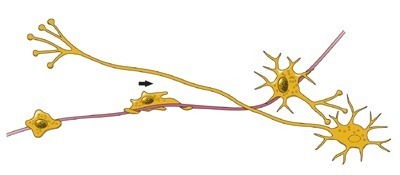
Some neu­rons migrate by rid­ing along exten­sions (radial glia) until they reach their final destinations.

(In honor of Brain Aware­ness Week, which starts today, let’s learn a bit more about neu­rons. A ques­tion we get often as we dis­cuss the ben­e­fits of aer­o­bic and men­tal exer­cise is, “Can neu­rons travel -“migrate”- inside the brain?” Below you have the answer, and more, straight from the National Insti­tute of Health web­site.) Read the rest of this entry »

Does Coffee Boost Brain/ Cognitive Functions Over Time?

A fewA_small_cup_of_coffee eter­nal ques­tions:
– Is caf­feine good for the brain?
– Does it boost cog­ni­tive func­tions?
– Does it pro­tect against dementia?

There is lit­tle doubt that drink­ing that morn­ing cup of cof­fee will likely increase alert­ness, but the main ques­tions that research is try­ing to answer go beyond that. Basi­cally: is there a sus­tained, life­time, ben­e­fit or harm from drink­ing cof­fee regularly?

The answer, so far, con­tains good news and bad news. The good news for cof­fee drinkers is that most of the long-term results are direc­tion­ally more pos­i­tive than neg­a­tive, so no clear harm seems to occur. The bad news is that it is not clear so far whether caf­feine has ben­e­fi­cial effects on gen­eral brain func­tions, either short-term or long-term (aged-related decline or risks of dementia).

It is impor­tant to note that many of the stud­ies show­ing an effect of cof­fee con­sump­tion on brain func­tions or risks of demen­tia report a cor­re­la­tion or asso­ci­a­tion (they are not ran­dom­ized clin­i­cal tri­als). As you know, cor­re­la­tion doesn’t prove cau­sa­tion: cof­fee drinkers may seem to do well in a num­ber in these long-term stud­ies, but there may be other rea­sons why cof­fee drinkers do better.

Q: How does caf­feine affect my brain?
A: Caf­feine is a stimulant.

It belongs to a chem­i­cal group called xan­thine. Adeno­sine is a nat­u­rally occur­ring xan­thine in the brain that slows down the activ­ity of brain cells (neu­rons). To a neu­ron, caf­feine looks like adeno­sine. It is there­fore used by some neu­rons in place of adeno­sine. The result is that these neu­rons speed up instead of slow­ing down.

This increased neu­ronal activ­ity trig­gers the release of the adren­a­line hor­mone, which will affect your body Read the rest of this entry »

Encephalon #70: on Mysteries and Ilussions

Wel­come to the 70th edi­tion of Encephalon, the blog car­ni­val that offers some of the best neu­ro­science and psy­chol­ogy blog posts every other week.

Mys­ter­ies of Brain and Mind

Cog­ni­tive Daily,
by Dave Munger
Guys on dates want to know: Is it really impos­si­ble to ignore an attrac­tive face?
Recent research seems to demon­strate that, indeed, attrac­tive faces can dis­tract us from a vari­ety of tasks. Dat­ing Tip of the Week: what about impress­ing your date with a home­cooked din­ner next time and avoid poten­tial misunderstandings?
Neu­roan­thro­pol­ogy,
by Greg Downey
BIG NEWS: First Neu­roan­thro­pol­ogy Con­fer­ence!
The first Neu­roan­thro­pol­ogy Con­fer­ence will be held 8 Octo­ber 2009 at the Uni­ver­sity of Notre Dame. Great theme, great speak­ers. Will it offer a cross-cultural analy­sis of the research men­tioned above?

On Neu­rons, Jour­neys, and Chem­i­cal Friends

Brain­Health­Hacks,
by Ward Plunet
The power of one — neu­ron
We have all been told about the power one per­son, that one per­son can make a dif­fer­ence. Well, does the gen­eral prin­ci­ple also hold true about a sin­gle neu­ron? Can a sin­gle neu­ron make a dif­fer­ence — change your sleep state, motor move­ment, or induce a behavior?
Neu­rophiloso­pher,
by Mo
New cells in the adult brain migrate long dis­tances by crawl­ing along blood ves­sels
The jour­ney under­taken by newly gen­er­ated neu­rons in the adult brain is like the cel­lu­lar equiv­a­lent of the ardu­ous upstream migra­tion of salmon return­ing to the rivers in which they were hatched.
Neu­ro­topia,
by Scicurious
The ele­gant logic of dopamine
What do we know about the for­ma­tion of dopamine neu­rons and the reg­u­la­tion of gene expres­sion?. A sim­ple and ele­gant recent study pro­vides some much-needed, crit­i­cal infor­ma­tion that could dras­ti­cally affect how we pur­sue new ther­a­pies dopamin­er­gic dis­eases such as Parkinson’s.
Brain Stim­u­lant,
by Mike
Brain Synapse Com­pu­ta­tional Capac­ity
Evo­lu­tion has exploited mul­ti­ple avenues to increase the brain’s com­pu­ta­tional capac­ity. This is great news for all humans, except per­haps for those try­ing to model the mind exactly by build­ing com­puter brain sim­u­la­tions, since they will likely have to model all of these pro­tein inter­ac­tions to func­tion in a man­ner sim­i­lar to a real brain.

On Brain Functions

Sharp­Brains,
by Tracy Alloway
10% Stu­dents may have work­ing mem­ory prob­lems: Why does it mat­ter?
In screen­ing of over 3000 school-aged stu­dents in main­stream schools, 1 in 10 was iden­ti­fied as hav­ing work­ing mem­ory dif­fi­cul­ties. Why does this mat­ter? Clue: Work­ing mem­ory seems to be even more impor­tant to learn­ing than other cog­ni­tive skills such as IQ.
Neu­ro­topia,
by Scicurious
Cake or Death? It’s all a mat­ter of self-control, and your vmPFC
A recent MRI study helps pin­point where sig­nals for self-control may orig­i­nate, and could be a big deal clin­i­cally. Not nec­es­sar­ily as a diet aid, but rather for prob­lems where there’s a lack of self-control, as in addiction.
The Mouse Trap,
by Sandy Gautam
Low Latent Inhi­bi­tion, high faith in intu­ition and psychosis/creativity
What is the rela­tion­ship between low latent inhi­bi­tion (brain’s capac­ity to screen from cur­rent atten­tional focus stim­uli pre­vi­ously tagged as irrel­e­vant), high faith in intu­ition and psychosis/creativity?

Fron­tiers in Perception

Dr. Deb,
by Deb Serani
Can You Find The Twelve Faces?

How many faces can you see in this image?

Mind Hacks,
by Vaughan Bell
Deeper into the neu­ro­science of hyp­no­sis
A new arti­cle from Trends in Cog­ni­tive Sci­ences explores how cog­ni­tive neu­ro­sci­en­tists are becom­ing increas­ingly inter­ested in under­stand­ing hyp­no­sis and are using it to sim­u­late unusual states of con­scious­ness in the lab. Might hyp­no­sis help you see the Twelve Faces above? or per­haps 25 of them?

Next edi­tion will be hosted by Neu­roan­thro­pol­ogy on Mon­day, May 25th. If you can’t wait until to read more, you may be inter­ested in the new in-depth fea­ture, Cog­ni­tive Monthly, offered by Cog­ni­tive Daily blog for $2/ month. This month’s issue, “The Illu­sion of The­ater,” dis­cusses the “remark­able sci­ence behind what the­atri­cal pro­fes­sion­als seem, to laypeo­ple, to do intu­itively: cre­ate an envi­ron­ment that encour­ages us to believe that what we see on stage is a true rep­re­sen­ta­tion of reality.”

Training Attention and Emotional Self-Regulation — Interview with Michael Posner

Michael I. Pos­ner is a promi­nent sci­en­tist in the field of cog­ni­tive neu­ro­science. He is cur­rently an emer­i­tus pro­fes­sor of neu­ro­science at the Uni­ver­sity of Ore­gon (Depart­mentMichael Posner of Psy­chol­ogy, Insti­tute of Cog­ni­tive and Deci­sion Sci­ences). In August 2008, the Inter­na­tional Union of Psy­cho­log­i­cal Sci­ence made him the first recip­i­ent of the Dogan Prize “in recog­ni­tion of a con­tri­bu­tion that rep­re­sents a major advance in psy­chol­ogy by a scholar or team of schol­ars of high inter­na­tional reputation.”

Dr. Pos­ner, many thanks for your time today. I really enjoyed the James Arthur Lec­ture mono­graph on Evo­lu­tion and Devel­op­ment of Self-Regulation that you deliv­ered last year. Could you pro­vide a sum­mary of the research you presented?

I would empha­size that we human beings can reg­u­late our thoughts, emo­tions, and actions to a greater degree than other pri­mates. For exam­ple, we can choose to pass up an imme­di­ate reward for a larger, delayed reward.

We can plan ahead, resist dis­trac­tions, be goal-oriented. These human char­ac­ter­is­tics appear to depend upon what we often call “self-regulation.” What is excit­ing these days is that progress in neu­roimag­ing and in genet­ics make it pos­si­ble to think about self-regulation in terms of spe­cific brain-based networks.

Can you explain what self-regulation is?

All par­ents have seen this in their kids. Par­ents can see the remark­able trans­for­ma­tion as their chil­dren develop the abil­ity to reg­u­late emo­tions and to per­sist with goals in the face of dis­trac­tions. That abil­ity is usu­ally labeled ‚ self-regulation.

The other main area of your research is atten­tion. Can you explain the brain-basis for what we usu­ally call “attention”?

I have been inter­ested in how the atten­tion sys­tem devel­ops in infancy and early childhood.

One of our major find­ings, thanks to neu­roimag­ing, is that there is not one sin­gle “atten­tion”, but three sep­a­rate func­tions of atten­tion with three sep­a­rate under­ly­ing brain net­works: alert­ing, ori­ent­ing, and exec­u­tive atten­tion. Read the rest of this entry »

Top Articles on Brain, Cognition and Neuroplasticity

  1. Do you believe these neu­romyths?, by SharpBrains
  2. Brain Plas­tic­ity: How learn­ing changes your brain, by Pas­cale Michelon
  3. In the Age of Google, Should Schools Teach Mem­o­riza­tion Skills?, by Bill Klemm
  4. Does cog­ni­tive train­ing work? (For Whom? For What?), by Pas­cale Michelon
  5. The Emo­tional Life of Your Brain, by by Richard David­son, Sharon Begley
  6. Cur­rent State of the Sci­ence behind Neu­ro­feed­back Treat­ment for ADHD, by David Rabiner
  7. To Be (Your Con­nec­tome), or Not to Be (Your Genome), by Sebas­t­ian Seung
  8. Top 10 Brain Fit­ness Future Trends, by Alvaro Fernandez
  9. Biofeed­back now a “Level 1 — Best Sup­port” Inter­ven­tion for ADHD, by SharpBrains
  10. When 1 + 1 = 5: Dyscal­cu­lia and Work­ing Mem­ory, by Tracy Alloway
  11. Train­ing Atten­tion and Emo­tional Self-Regulation — Inter­view with Michael Pos­ner, by Alvaro Fernandez
  12. The Ten Habits of Highly Effec­tive Brains, by Alvaro Fernandez
  13. Why do You Turn Down the Radio When You’re Lost?, by Car­o­line Latham
  14. Brain fit­ness Q&A: Mem­ory, stress, emo­tions, by Alvaro Fernandez
  15. Cog­ni­tive ther­apy or med­ica­tion? Brain scans may help per­son­al­ize treat­ments, by SharpBrains
  16. New Study shows Teens with ADHD helped by Cog­ni­tive Behav­ioral Ther­apy, by David Rabiner
  17. How Do Words Change Our Brains and Lives?, by Andrew New­berg, Mark Waldman
  18. BBC “Brain Train­ing” Exper­i­ment: the Good, the Bad, the Ugly, by Alvaro Fernandez
  19. Sci­en­tific cri­tique of BBC/ Nature Brain Train­ing Exper­i­ment, by Liz Zelinski
  20. From Anti-Alzheimer’s “Magic Bul­lets” to True Brain Health, by Alvaro Fer­nan­dez, Peter Whitehouse
  21. Why Agile Minds Deploy Both Ratio­nal and Intu­itive Problem-Solving, by Judith Tingley
  22. Why I Wrote The Woman Who Changed Her Brain, by Bar­bara Arrowsmith-Young
  23. The Busi­ness and Ethics of the Brain Fit­ness Boom, by Alvaro Fernandez
  24. Break­ing Down the Cog­ni­tion & Alzheimer’s Dis­ease Alpha­bet Soup, by Dharma Singh Khalsa
  25. Top 10 Quotes on Life­long Neu­ro­plas­tic­ity, by Alvaro Fernandez
  26. To Har­ness Neu­ro­plas­tic­ity, Start with Enthu­si­asm, by Helena Popovic
  27. Q&A with Yaakov Stern on Brain Reserve, Exer­cise, Cog­ni­tive Train­ing, Angry Birds, by Alvaro Fernandez
  28. It is Not Only Cars That Deserve Good Main­te­nance: Brain Care 101, by Alvaro Fernandez
  29. Eval­u­a­tion Check­list for Brain Fit­ness prod­ucts and games, by Alvaro Fernandez
  30. Mind­ful­ness and Med­i­ta­tion in Schools for Stress Man­age­ment, by Jill Sutie
  31. Stress and Neural Wreck­age: Part of the Brain Plas­tic­ity Puz­zle, by Gre­gory Kellet
  32. Cog­ni­tive and Emo­tional Devel­op­ment Through Play, by David Elkind
  33. AARP’s Brain Fit­ness Best Books List, by SharpBrains
  34. Judith Beck: Train Your Brain to Think Like a Thin Per­son, by Alvaro Fernandez
  35. Improve Mem­ory with Sleep, Prac­tice, and Test­ing, by Bill Klemm
  36. 10 Brain Tips To Teach and Learn, by Lau­rie Bartels
  37. Dr. Elkhonon Gold­berg on Cog­ni­tive Train­ing and Brain Fit­ness, by Alvaro Fernandez
  38. Mind­ful­ness Med­i­ta­tion for Adults & Teens with ADHD, by David Rabiner
  39. Phys­i­cal Exer­cise and Brain Health, by Pas­cale Michelon
  40. Sleep, Tetris, Mem­ory and the Brain, by Shan­non Moffet

Welcome to SharpBrains.com

As seen in The New York Times, The Wall Street Jour­nal, CNN and more, Sharp­Brains is an inde­pen­dent mar­ket research and think tank track­ing health, edu­ca­tion, and pro­duc­tiv­ity appli­ca­tions of neuroscience.

Register Now at Discounted Rates

2013 SharpBrains Summit

Watch 10 Predictions on Digital Brain Health in 2013 (3 minutes)

Cover_video
Enter Your Email and Sub­scribe to our free Monthly eNewslet­ter:
Join more than 40,000 Sub­scribers and stay informed and engaged.

Follow Us Via…

twitter_logo_header