

Posts Tagged ‘neuroimaging’
Neuroimaging study shows how being “in the zone” requires intensive practice first and then learning to surrender
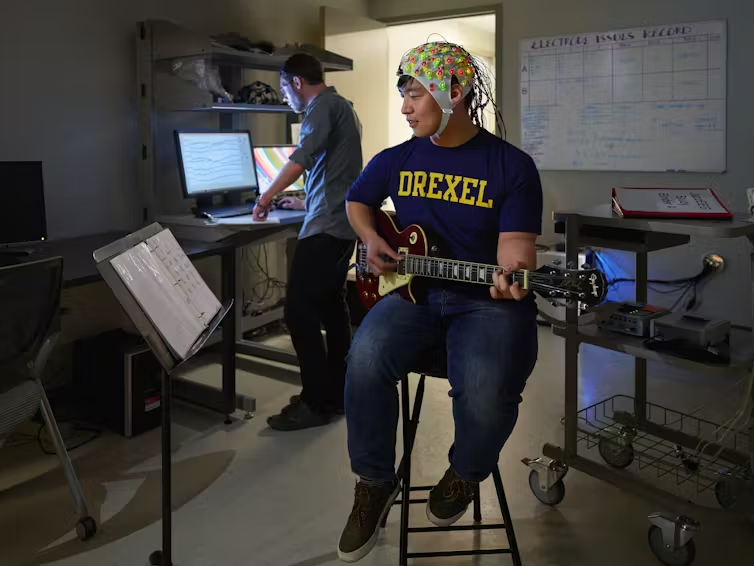
Flow, or being “in the zone,” is a state of amped-up creativity, enhanced productivity and blissful consciousness that, some psychologists believe, is also the secret to happiness. It’s considered the brain’s fast track to success in business, the arts or any other field. But in order to achieve flow, a person must first develop a strong…
Read MoreUpdate: Playing videogames may be more cognitively beneficial than other forms of screentime like social media, watching videos/ TV

Welcome to a new edition of SharpBrains’ e‑newsletter, featuring timely brain & mental health news and a fun brain teaser to put your temporal lobes to good use :-) #1. Study finds that playing videogames may be more cognitively beneficial for children than other forms of screentime (social media, watching videos/ TV) “Here, we estimated the impact…
Read MoreLarge neuroimaging study finds social isolation to be an early indicator of increased dementia risk
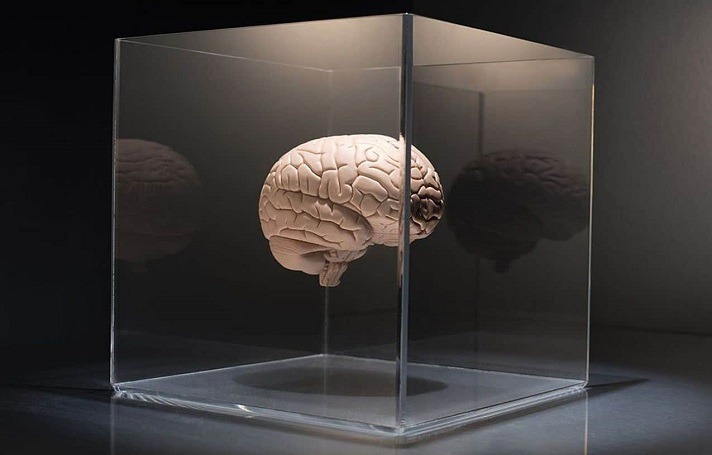
Why do we get a buzz from being in large groups at festivals, jubilees and other public events? According to the social brain hypothesis, it’s because the human brain specifically evolved to support social interactions. Studies have shown that belonging to a group can lead to improved wellbeing and increased satisfaction with life. Unfortunately though, many…
Read MoreNews on how the brain changes over time, how to clear foggy brains, how to multitask (or not), and more
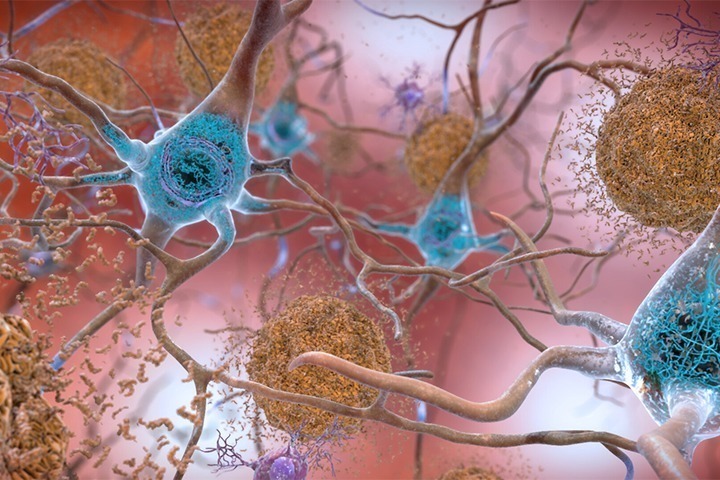
Welcome to a new edition of SharpBrains’ e‑newsletter, featuring timely brain & mental health news and a fun brain teaser to test the limits of multi-tasking. #1. Collaborative neuroimaging initiative BrainChart helps chart how brains change across the lifespan. Among the many fascinating findings: “The volume of grey matter (brain cells) increases rapidly from mid-gestation…
Read MoreCollaborative neuroimaging initiative BrainChart helps chart how brains change across the lifespan

For decades, growth charts have been used by paediatricians as reference tools. The charts allow health professionals to plot and measure a child’s height and weight from birth to young adulthood. The percentile scores they provide, especially across multiple visits, help doctors screen for conditions such as obesity or inadequate growth, which fall at the…
Read MoreOn brain folding and fitting 86 billion neurons inside our 1400 cc crania
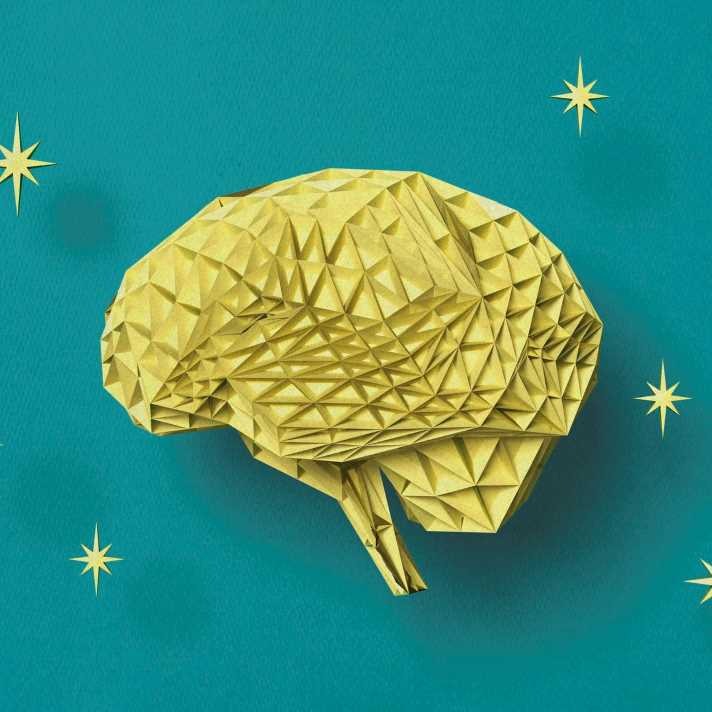
The human brain has been called the most complex object in the known universe. And with good reason: It has around 86 billion neurons and several hundred thousand miles of axon fibers connecting them. Unsurprisingly, the process of brain folding that results in the brain’s characteristic bumps and grooves is also highly complex. Despite decades of…
Read More