

Posts Tagged ‘neurocognitive’
Altoida raises further $14 million to “democratize digital cognitive assessment at scale” via augmented reality (AR) and AI
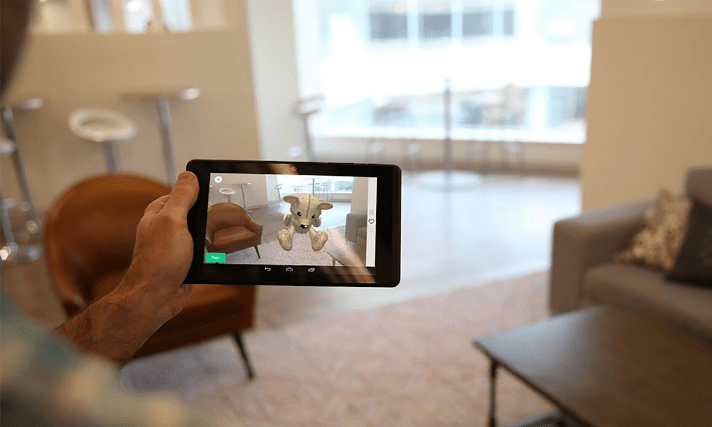
Altoida snags Merck KGaA-led $14M funding round for Alzheimer’s diagnostic app (Fierce Biotech): The $14 million top-up came from a mix of old and new investors, co-led by Whitecap Venture Partners and Merck KGaA’s corporate VC arm, M Ventures, which also led the initial tranche of series A financing … The newly upsized funding will help…
Read MoreStudy shows promising results of EEG-based brain training in helping adults with ADHD

Managing attention deficit disorder by training the brain (ScienceDaily): Attention Deficit Hyperactivity Disorder (ADHD) affects about 7% of children, with a two out of three chance of persisting into adulthood. This neurodevelopmental disorder is characterised by concentration difficulties, increased distractibility, impulsivity and hyperactivity. Today, ADHD is treated with pharmaceutical drugs that may have unwanted side…
Read MoreThe latest on brain health, neurotechnology, artificial intelligence and “never stop wondering”

Welcome to a new edition of SharpBrains’ e‑newsletter, featuring a life well lived, the latest news on brain health and innovation, and some brain teasers in honor of International Brain Teaser Month. #1. Thank you, Sharon. We won’t. “Never stop wondering” — Sharon Begley, science journalist, RIP #2. Write injuries in sand, kindnesses in ____________. Milk the…
Read MoreThe new frontier in neurocognitive monitoring and dementia screening: the Apple Watch
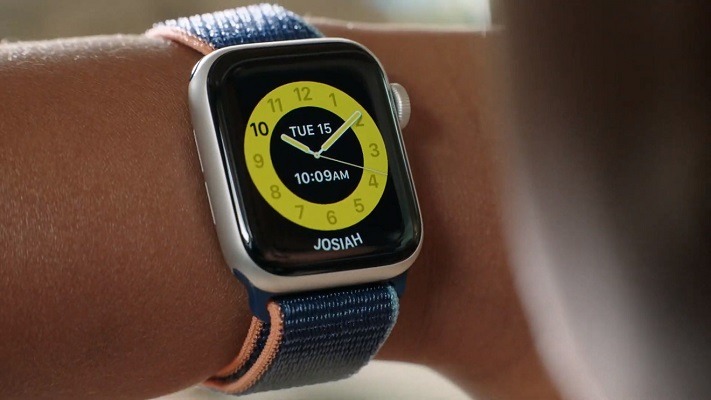
Biogen to Launch Pioneering Study to Develop Digital Biomarkers of Cognitive Health Using Apple Watch and iPhone (press release): Biogen Inc. (Nasdaq: BIIB) today announced a new virtual research study, in collaboration with Apple, to investigate the role Apple Watch and iPhone could play in monitoring cognitive performance and screening for decline in cognitive health…
Read MoreThe latest on Brain Health and Resilience, plus a few fun Brain Teasers
Welcome to a new edition of SharpBrains’ e‑newsletter, featuring fascinating neuroscience findings and tips, combined with fun brain teasers. #1. To celebrate this quite-challenging Thanksgiving, here are five fun brain teasers that readers have enjoyed the most this year so far. It is always good to learn more about (and appreciate) that most precious resource…
Read MoreNext: Analyzing typing speed, speech and sleep patterns to identify cognitive decline, dementia, Parkinson’s, and more

AI May Help Identify Patients With Early-Stage Dementia (The Wall Street Journal): Researchers are studying whether artificial-intelligence tools that analyze things like typing speed, sleep patterns and speech can be used to help clinicians better identify patients with early-stage dementia.
Read More