
Sharp Brains: Brain Fitness and Cognitive Health News

Neuroplasticity, Brain Fitness and Cognitive Health News

Connecting the (Brain) Dots: Understanding Brain Functional Networks
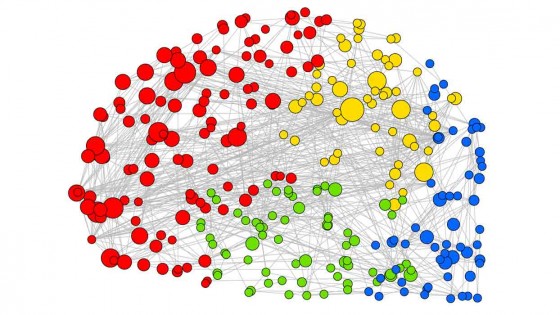
A sta­tis­ti­cal model of the net­work of con­nec­tions between brain regions (Kurzweil):

- “Researchers at the Uni­ver­sity of Cam­bridge have devel­oped a sim­ple math­e­mat­i­cal model of the brain which pro­vides a remark­ably com­plete sta­tis­ti­cal account of the com­plex web of con­nec­tions between var­i­ous brain regions.” Read the rest of this entry »

Training Attention and Emotional Self-Regulation — Interview with Michael Posner

Michael I. Pos­ner is a promi­nent sci­en­tist in the field of cog­ni­tive neu­ro­science. He is cur­rently an emer­i­tus pro­fes­sor of neu­ro­science at the Uni­ver­sity of Ore­gon (Depart­mentMichael Posner of Psy­chol­ogy, Insti­tute of Cog­ni­tive and Deci­sion Sci­ences). In August 2008, the Inter­na­tional Union of Psy­cho­log­i­cal Sci­ence made him the first recip­i­ent of the Dogan Prize “in recog­ni­tion of a con­tri­bu­tion that rep­re­sents a major advance in psy­chol­ogy by a scholar or team of schol­ars of high inter­na­tional reputation.”

Dr. Pos­ner, many thanks for your time today. I really enjoyed the James Arthur Lec­ture mono­graph on Evo­lu­tion and Devel­op­ment of Self-Regulation that you deliv­ered last year. Could you pro­vide a sum­mary of the research you presented?

I would empha­size that we human beings can reg­u­late our thoughts, emo­tions, and actions to a greater degree than other pri­mates. For exam­ple, we can choose to pass up an imme­di­ate reward for a larger, delayed reward.

We can plan ahead, resist dis­trac­tions, be goal-oriented. These human char­ac­ter­is­tics appear to depend upon what we often call “self-regulation.” What is excit­ing these days is that progress in neu­roimag­ing and in genet­ics make it pos­si­ble to think about self-regulation in terms of spe­cific brain-based networks.

Can you explain what self-regulation is?

All par­ents have seen this in their kids. Par­ents can see the remark­able trans­for­ma­tion as their chil­dren develop the abil­ity to reg­u­late emo­tions and to per­sist with goals in the face of dis­trac­tions. That abil­ity is usu­ally labeled ‚ self-regulation.

The other main area of your research is atten­tion. Can you explain the brain-basis for what we usu­ally call “attention”?

I have been inter­ested in how the atten­tion sys­tem devel­ops in infancy and early childhood.

One of our major find­ings, thanks to neu­roimag­ing, is that there is not one sin­gle “atten­tion”, but three sep­a­rate func­tions of atten­tion with three sep­a­rate under­ly­ing brain net­works: alert­ing, ori­ent­ing, and exec­u­tive atten­tion. Read the rest of this entry »

Teaching is the art of changing the brain

James Zull is a pro­fes­sor of Biol­ogy. He is also Direc­tor Emer­i­tus of the Uni­ver­sity Cen­ter for Inno­va­tion in Teach­ing and Edu­ca­tion at Case West­ern Reserve Uni­ver­sity in Ohio. The Art of Changing  the Brain - James ZullThese roles most assuredly coa­lesced in his 2002 book, The Art of Chang­ing the Brain: Enrich­ing the Prac­tice of Teach­ing by Explor­ing the Biol­ogy of Learn­ing.

This is a book for both teach­ers and par­ents (because par­ents are also teach­ers!) Writ­ten with the earnest­ness of first-person expe­ri­ence and reflec­tion, and a life­time of exper­tise in biol­ogy, Zull makes a well-rounded case for his ideas. He offers those ideas for your perusal, pro­vid­ing much sup­port­ing evi­dence, but he doesn’t try to ram them into your psy­che. Rather, he prac­tices what he preaches by engag­ing you with sto­ries, inform­ing you with fact, and encour­ag­ing your think­ing by the way he posits his ideas.

I have read a num­ber of books that trans­late cur­rent brain research into prac­tice while pro­vid­ing prac­ti­cal sug­ges­tions for teach­ers to imple­ment. This is the first book I have read that pro­vides a bio­log­i­cal, and clearly ratio­nal, overview of learn­ing and the brain. Zull pro­vokes you into think­ing Read the rest of this entry »

Top Articles on Brain, Cognition and Neuroplasticity

  1. Do you believe these neu­romyths?, by SharpBrains
  2. Brain Plas­tic­ity: How learn­ing changes your brain, by Pas­cale Michelon
  3. In the Age of Google, Should Schools Teach Mem­o­riza­tion Skills?, by Bill Klemm
  4. Does cog­ni­tive train­ing work? (For Whom? For What?), by Pas­cale Michelon
  5. The Emo­tional Life of Your Brain, by by Richard David­son, Sharon Begley
  6. Cur­rent State of the Sci­ence behind Neu­ro­feed­back Treat­ment for ADHD, by David Rabiner
  7. To Be (Your Con­nec­tome), or Not to Be (Your Genome), by Sebas­t­ian Seung
  8. Top 10 Brain Fit­ness Future Trends, by Alvaro Fernandez
  9. Biofeed­back now a “Level 1 — Best Sup­port” Inter­ven­tion for ADHD, by SharpBrains
  10. When 1 + 1 = 5: Dyscal­cu­lia and Work­ing Mem­ory, by Tracy Alloway
  11. Train­ing Atten­tion and Emo­tional Self-Regulation — Inter­view with Michael Pos­ner, by Alvaro Fernandez
  12. The Ten Habits of Highly Effec­tive Brains, by Alvaro Fernandez
  13. Why do You Turn Down the Radio When You’re Lost?, by Car­o­line Latham
  14. Brain fit­ness Q&A: Mem­ory, stress, emo­tions, by Alvaro Fernandez
  15. Cog­ni­tive ther­apy or med­ica­tion? Brain scans may help per­son­al­ize treat­ments, by SharpBrains
  16. New Study shows Teens with ADHD helped by Cog­ni­tive Behav­ioral Ther­apy, by David Rabiner
  17. How Do Words Change Our Brains and Lives?, by Andrew New­berg, Mark Waldman
  18. BBC “Brain Train­ing” Exper­i­ment: the Good, the Bad, the Ugly, by Alvaro Fernandez
  19. Sci­en­tific cri­tique of BBC/ Nature Brain Train­ing Exper­i­ment, by Liz Zelinski
  20. From Anti-Alzheimer’s “Magic Bul­lets” to True Brain Health, by Alvaro Fer­nan­dez, Peter Whitehouse
  21. Why Agile Minds Deploy Both Ratio­nal and Intu­itive Problem-Solving, by Judith Tingley
  22. Why I Wrote The Woman Who Changed Her Brain, by Bar­bara Arrowsmith-Young
  23. The Busi­ness and Ethics of the Brain Fit­ness Boom, by Alvaro Fernandez
  24. Break­ing Down the Cog­ni­tion & Alzheimer’s Dis­ease Alpha­bet Soup, by Dharma Singh Khalsa
  25. Top 10 Quotes on Life­long Neu­ro­plas­tic­ity, by Alvaro Fernandez
  26. To Har­ness Neu­ro­plas­tic­ity, Start with Enthu­si­asm, by Helena Popovic
  27. Q&A with Yaakov Stern on Brain Reserve, Exer­cise, Cog­ni­tive Train­ing, Angry Birds, by Alvaro Fernandez
  28. It is Not Only Cars That Deserve Good Main­te­nance: Brain Care 101, by Alvaro Fernandez
  29. Eval­u­a­tion Check­list for Brain Fit­ness prod­ucts and games, by Alvaro Fernandez
  30. Mind­ful­ness and Med­i­ta­tion in Schools for Stress Man­age­ment, by Jill Sutie
  31. Stress and Neural Wreck­age: Part of the Brain Plas­tic­ity Puz­zle, by Gre­gory Kellet
  32. Cog­ni­tive and Emo­tional Devel­op­ment Through Play, by David Elkind
  33. AARP’s Brain Fit­ness Best Books List, by SharpBrains
  34. Judith Beck: Train Your Brain to Think Like a Thin Per­son, by Alvaro Fernandez
  35. Improve Mem­ory with Sleep, Prac­tice, and Test­ing, by Bill Klemm
  36. 10 Brain Tips To Teach and Learn, by Lau­rie Bartels
  37. Dr. Elkhonon Gold­berg on Cog­ni­tive Train­ing and Brain Fit­ness, by Alvaro Fernandez
  38. Mind­ful­ness Med­i­ta­tion for Adults & Teens with ADHD, by David Rabiner
  39. Phys­i­cal Exer­cise and Brain Health, by Pas­cale Michelon
  40. Sleep, Tetris, Mem­ory and the Brain, by Shan­non Moffet

Welcome to SharpBrains.com

As seen in The New York Times, The Wall Street Jour­nal, CNN and more, Sharp­Brains is an inde­pen­dent mar­ket research and think tank track­ing health, edu­ca­tion, and pro­duc­tiv­ity appli­ca­tions of neuroscience.

Register Now at Discounted Rates

2013 SharpBrains Summit

Watch 10 Predictions on Digital Brain Health in 2013 (3 minutes)

Cover_video
Enter Your Email and Sub­scribe to our free Monthly eNewslet­ter:
Join more than 40,000 Sub­scribers and stay informed and engaged.

Follow Us Via…

twitter_logo_header