

Posts Tagged ‘nervous-system’
Play sports (smartly) for a quieter brain and better auditory processing

___ Athletes Have Quieter Brains, New Research Shows (Sci News): “No one would argue against the fact that sports lead to better physically fitness, but we don’t always think of brain fitness and sports,” said Professor Nina Kraus, director of the Auditory Neuroscience Laboratory at Northwestern University. “We’re saying that playing sports can tune the brain…
Read MoreUnderstand your connectome, understand yourself
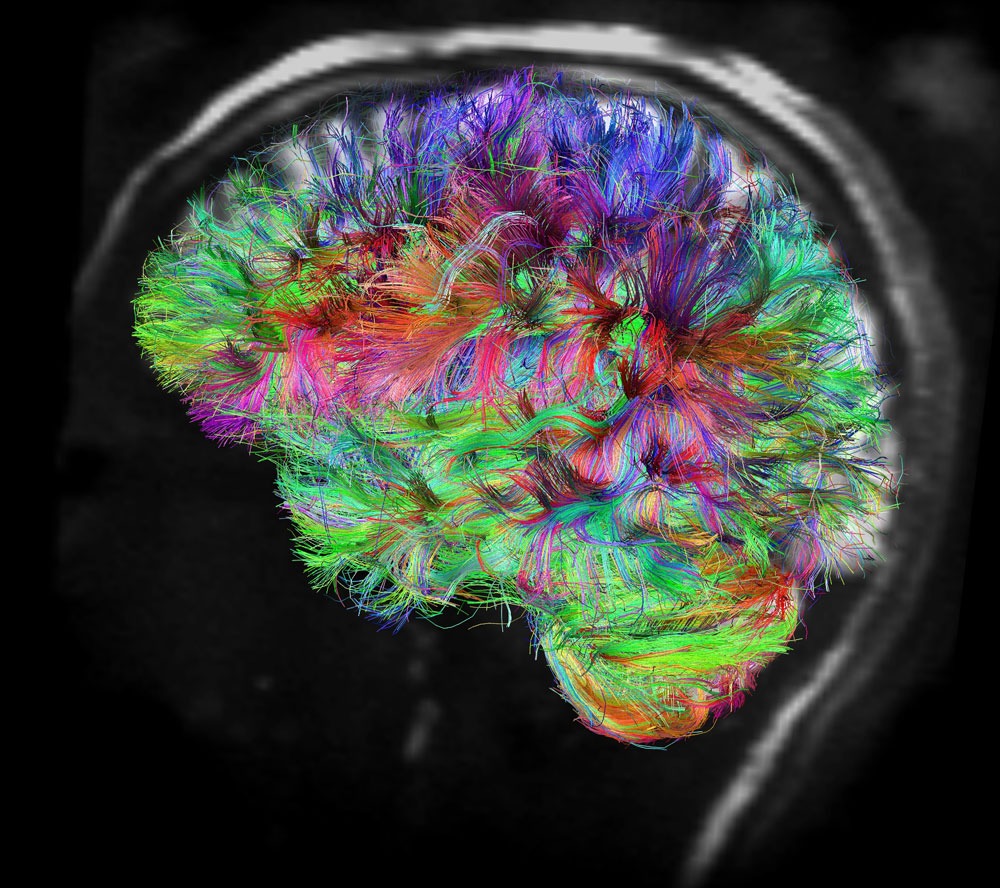
—– NO ROAD, NO trail can penetrate this forest. The long and delicate branches of its trees lie everywhere, choking space with their exuberant growth. No sunbeam can fly a path tortuous enough to navigate the narrow spaces between these entangled branches. All the trees of this dark forest grew from 100 billion seeds planted…
Read MoreTo Be (Your Connectome), or Not to Be (Your Genome)

The brain’s billions of neurons resemble trees of many species and come in many fantastic shapes. Only the most determined explorers can hope to capture a glimpse of this forest’s interior, and even they see little, and see it poorly. Would your connectome reveal anything interesting about you? Learn about connectome from this book.
Read MoreNeuroscience Core Concepts: What is “It” in Use It or Lose It?
We all have heard “Use It or Lose It”. Now, what is “It”? how does “it” work? why is “it” our best (and too often unrecognized) friend? The Society for Neuroscience (SfN) has just released a user-friendly publication titled Neuroscience Core Concepts, aimed at helping educators and the general public learn more about the brain. Description:…
Read More