Sharp Brains: Brain Fitness and Cognitive Health News

Neuroplasticity, Brain Fitness and Cognitive Health News

(Some) New Yorker articles are bogus

Scarecrow-or-strawmanI love read­ing the New Yorker. I have writ­ten before about bogus brain games, and about bogus brain train­ing claims. We have pub­lished a 10-question check­list to help con­sumers make informed decisions.

All this is to say I was sur­prised to read a recent New Yorker blog arti­cle titled “Brain games are bogus.” If you are going to make such strong claims, you need to back them up with seri­ous due dili­gence and analy­sis, and explain to read­ers what Read the rest of this entry »

The Future of Preventive Brain Medicine: Breaking Down the Cognition & Alzheimer’s Disease Alphabet Soup

As the pres­i­dent and med­ical direc­tor of the Alzheimer’s Research and Pre­ven­tion Foun­da­tion (ARPF), it’s my job to stay on top of advances in the field of Alzheimer’s research. Recently, a num­ber of arti­cles in the med­ical lit­er­a­ture have caught my atten­tion. They are focused on a par­tic­u­lar ques­tion that con­cerns most Baby Boomers like me: “Is mem­ory loss just a nor­mal part of aging?” Read the rest of this entry »

Thinking globally to improve mental health: New NIH initiative

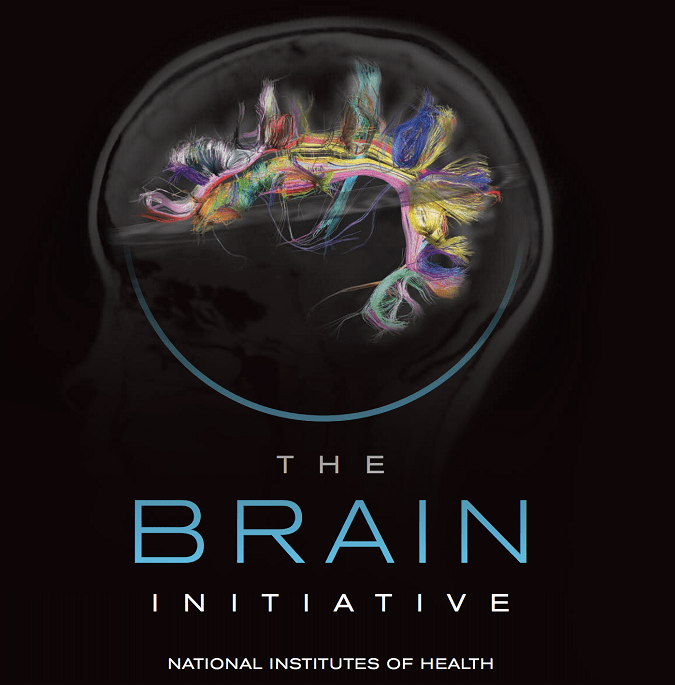
Think­ing glob­ally to improve men­tal health: NIH announces inter­na­tional research ini­tia­tive (press release):

- “The Grand Chal­lenges in Global Men­tal Health Ini­tia­tive, led by the National Insti­tutes of Health and the Global Alliance for Chronic Dis­eases, has iden­ti­fied the top 40 bar­ri­ers to bet­ter men­tal health around the world. Sim­i­lar to past grand chal­lenges, which Read the rest of this entry »

Ever heard of the Longevity Dividend? Perhaps Gray is the New Gold

The Longevity Div­i­dend is a the­ory that says we hope to inter­vene sci­en­tif­i­cally to slow the aging process, which will also delay the onset of age-related dis­eases. Delay­ing aging just seven years would slash rates of con­di­tions like can­cer, dia­betes, Alzheimer’s dis­ease and heart dis­ease in half. That’s the longevity part.

The div­i­dend comes from the social, eco­nomic, and health bonuses that would then be avail­able to spend on schools, energy, jobs, infra­struc­ture tril­lions of dol­lars that today we spend on health­care ser­vices. In fact, at the rate we’re going, by the year 2020 one out of every $5 spent in this coun­try will be spent on health­care. Obvi­ously, some­thing has to change.

Enter the Longevity Div­i­dend. The Longevity Div­i­dend doesn’t sug­gest that we live longer; instead, it calls for liv­ing bet­ter. The idea is that if we use sci­ence to increase healthspan, not lifes­pan. In other words, tomor­rows 50-year-old would have the health pro­file of a 43-year-old.

It might sound like sci­ence fic­tion, but, in fact, it’s quite pos­si­ble. We’re already doing it in some ani­mal mod­els using genetic and dietary inter­ven­tions, tech­niques related to what sci­en­tists call “the biol­ogy of aging.”

Get­ting there in humans, how­ever, means embrac­ing an entirely new approach to our think­ing about dis­ease and aging, and how we con­duct sci­en­tific research into the two.

Get­ting Sci­en­tists’ Attention

A group of emi­nent researchers first pro­posed the Longevity Div­i­dend in a 2006 arti­cle pub­lished in The Sci­en­tist. The authors, S. Jay Olshan­sky, PhD, pro­fes­sor of epi­demi­ol­ogy and bio­sta­t­ics at the Uni­ver­sity of Illi­nois in Chicago, Daniel P. Perry, exec­u­tive direc­tor of the Alliance for Aging Research in Wash­ing­ton, DC, Richard A. Miller, MD, PhD, pro­fes­sor of pathol­ogy at the Uni­ver­sity of Michi­gan in Ann Arbor, and Robert N. But­ler, MD, pres­i­dent and CEO of the Inter­na­tional Longevity Cen­ter in New York, intended their essay to be a “gen­eral state­ment to sci­en­tists about the need for a par­a­digm shift in the way we think about aging and disease.

The researchers also met with U.S. sen­a­tors who served on the Sen­ate com­mit­tee that over­saw the bud­get for the National Insti­tutes of Health (NIH). “We told them we believed Read the rest of this entry »

Cognitive News November-December 2008

Here you have sev­eral recent arti­cles and devel­op­ments wor­thy of attention:Brain Health News

1) Boom times for brain train­ing games (CNN)
2) Nav­i­gat­ing the brain fit­ness land­scape: do’s and don’ts (McKnight’s Long Term Care News)
3) USA Hockey and Intel­li­gym (press release)
4) Brain Fit­ness at New York Pub­lic Library (NYPL blog)
5) McDon­nell Foun­da­tion grant har­nesses cog­ni­tive sci­ence to improve stu­dent learn­ing (press release)
6) Health insur­ance firms offer­ing online cog­ni­tive ther­apy for insom­nia (Los Ange­les Times)
7) Head­Min­der Cog­ni­tive Sta­bil­ity Index: Com­put­er­ized Neu­rocog­ni­tive … (Press release)
8) THE AGE OF MASS INTELLIGENCE (Intel­li­gent Life)
9) Work­ing Later in Life May Facil­i­tate Neural Health (Cere­brum)
10) The Cool Fac­tor: Never Let Them See You Sweat (New York Times)

Links, selected quotes and com­men­tary: Read the rest of this entry »

Work (and Juggle) for Cognitive Health

Spec­tac­u­lar arti­cle by Dr. Denise Park in this month’s Cere­brum:

Work­ing Later in Life May Facil­i­tate Neural Health

- “Carmi Schooler at the National Insti­tutes of Health, using a tech­nique that allowed him to assess causal rela­tion­ships, found that adults who per­formed intel­lec­tu­ally chal­leng­ing jobs across their life span showed more cog­ni­tive flex­i­bil­ity in late adult­hood than those who per­formed less demand­ing jobs.“
– “Per­haps the most com­pelling evi­dence regard­ing the impact of novel expe­ri­ences on brain vol­ume and func­tion comes from a study at the Max Planck Insti­tute in Ger­many. Adults with a mean age of 59 spent three months learn­ing to jug­gle three balls. Although only about half the par­tic­i­pants were able to achieve com­pe­tence in this com­plex skill, those who suc­ceeded had increased vol­ume in a mediotem­po­ral area of the visual cor­tex as well as the nucleus accum­bens and the hip­pocam­pus, sug­gest­ing that sus­tained novel expe­ri­ence can increase the sizes of neural struc­tures. Notably, the changes in the nucleus accum­bens and hip­pocam­pus were Read the rest of this entry »

Mysteries of Brain and Mind

Sev­eral recent NYT arti­cles focus on sev­eral fas­ci­nat­ing fron­tiers of brain sci­ence. We know much more about brain and mind than only 20 years ago, yet expo­nen­tially less than 20 years from now.

A few wor­thy explo­rations on mind­ful­ness, per­cep­tual capac­i­ties, and the power of placebo: Read the rest of this entry »

Top Articles on Brain, Cognition and Neuroplasticity

  1. Do you believe these neu­romyths?, by SharpBrains
  2. Brain Plas­tic­ity: How learn­ing changes your brain, by Pas­cale Michelon
  3. In the Age of Google, Should Schools Teach Mem­o­riza­tion Skills?, by Bill Klemm
  4. Does cog­ni­tive train­ing work? (For Whom? For What?), by Pas­cale Michelon
  5. The Emo­tional Life of Your Brain, by by Richard David­son, Sharon Begley
  6. Cur­rent State of the Sci­ence behind Neu­ro­feed­back Treat­ment for ADHD, by David Rabiner
  7. To Be (Your Con­nec­tome), or Not to Be (Your Genome), by Sebas­t­ian Seung
  8. Top 10 Brain Fit­ness Future Trends, by Alvaro Fernandez
  9. Biofeed­back now a “Level 1 — Best Sup­port” Inter­ven­tion for ADHD, by SharpBrains
  10. When 1 + 1 = 5: Dyscal­cu­lia and Work­ing Mem­ory, by Tracy Alloway
  11. Train­ing Atten­tion and Emo­tional Self-Regulation — Inter­view with Michael Pos­ner, by Alvaro Fernandez
  12. The Ten Habits of Highly Effec­tive Brains, by Alvaro Fernandez
  13. Why do You Turn Down the Radio When You’re Lost?, by Car­o­line Latham
  14. Brain fit­ness Q&A: Mem­ory, stress, emo­tions, by Alvaro Fernandez
  15. Cog­ni­tive ther­apy or med­ica­tion? Brain scans may help per­son­al­ize treat­ments, by SharpBrains
  16. New Study shows Teens with ADHD helped by Cog­ni­tive Behav­ioral Ther­apy, by David Rabiner
  17. How Do Words Change Our Brains and Lives?, by Andrew New­berg, Mark Waldman
  18. BBC “Brain Train­ing” Exper­i­ment: the Good, the Bad, the Ugly, by Alvaro Fernandez
  19. Sci­en­tific cri­tique of BBC/ Nature Brain Train­ing Exper­i­ment, by Liz Zelinski
  20. From Anti-Alzheimer’s “Magic Bul­lets” to True Brain Health, by Alvaro Fer­nan­dez, Peter Whitehouse
  21. Why Agile Minds Deploy Both Ratio­nal and Intu­itive Problem-Solving, by Judith Tingley
  22. Why I Wrote The Woman Who Changed Her Brain, by Bar­bara Arrowsmith-Young
  23. The Busi­ness and Ethics of the Brain Fit­ness Boom, by Alvaro Fernandez
  24. Break­ing Down the Cog­ni­tion & Alzheimer’s Dis­ease Alpha­bet Soup, by Dharma Singh Khalsa
  25. Top 10 Quotes on Life­long Neu­ro­plas­tic­ity, by Alvaro Fernandez
  26. To Har­ness Neu­ro­plas­tic­ity, Start with Enthu­si­asm, by Helena Popovic
  27. Q&A with Yaakov Stern on Brain Reserve, Exer­cise, Cog­ni­tive Train­ing, Angry Birds, by Alvaro Fernandez
  28. It is Not Only Cars That Deserve Good Main­te­nance: Brain Care 101, by Alvaro Fernandez
  29. Eval­u­a­tion Check­list for Brain Fit­ness prod­ucts and games, by Alvaro Fernandez
  30. Mind­ful­ness and Med­i­ta­tion in Schools for Stress Man­age­ment, by Jill Sutie
  31. Stress and Neural Wreck­age: Part of the Brain Plas­tic­ity Puz­zle, by Gre­gory Kellet
  32. Cog­ni­tive and Emo­tional Devel­op­ment Through Play, by David Elkind
  33. AARP’s Brain Fit­ness Best Books List, by SharpBrains
  34. Judith Beck: Train Your Brain to Think Like a Thin Per­son, by Alvaro Fernandez
  35. Improve Mem­ory with Sleep, Prac­tice, and Test­ing, by Bill Klemm
  36. 10 Brain Tips To Teach and Learn, by Lau­rie Bartels
  37. Dr. Elkhonon Gold­berg on Cog­ni­tive Train­ing and Brain Fit­ness, by Alvaro Fernandez
  38. Mind­ful­ness Med­i­ta­tion for Adults & Teens with ADHD, by David Rabiner
  39. Phys­i­cal Exer­cise and Brain Health, by Pas­cale Michelon
  40. Sleep, Tetris, Mem­ory and the Brain, by Shan­non Moffet

Welcome to SharpBrains.com

As seen in The New York Times, The Wall Street Jour­nal, CNN and more, Sharp­Brains is an inde­pen­dent mar­ket research and think tank track­ing health, edu­ca­tion, and pro­duc­tiv­ity appli­ca­tions of neuroscience.

Register Now at Discounted Rates

2013 SharpBrains Summit

Watch 10 Predictions on Digital Brain Health in 2013 (3 minutes)

Cover_video
Enter Your Email and Sub­scribe to our free Monthly eNewslet­ter:
Join more than 40,000 Sub­scribers and stay informed and engaged.

Follow Us Via…

twitter_logo_header