

Posts Tagged ‘Mental-Health’
On Mental Health and the advent of Digital Phenotyping
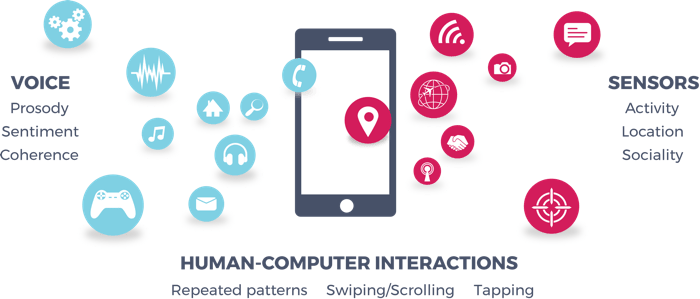
___ Building the Thermometer for Mental Health (The Dana Foundation): “Imagine that you visit your physician complaining of a fever and, rather than taking out a thermometer, they begin hovering their “educated hands” over you. Gradually, they press down against your arm to gain a full impression of your skin’s temperature and the “deeper seated…
Read MoreUpdate: Large study highlights the limited role of genetics in mental health and the importance of effective early interventions
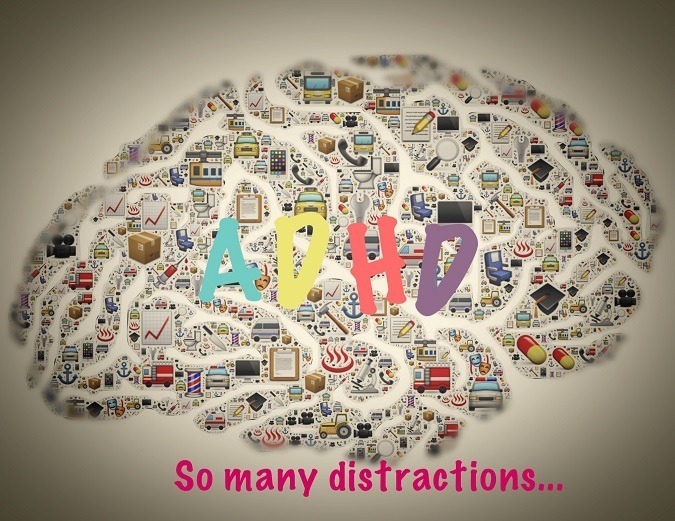
___ Dear reader, Time for SharpBrains monthly e‑newsletter, discussing the latest innovations for brain health and mental health, and opening in this occasion with a fascinating study tracking 2,232 twins over 10+ years. New research: Large study with twins highlights the limited role of genetics in mental health and the importance of effective early interventions for ADHD How…
Read MoreFive reasons to welcome Digital Mental Health innovations

___ Mapping out the Mental Health startup ecosystem (Medium): “Today, 1 in 5 people have a diagnosable mental illness, and 1 in 20 people have difficulty leading their everyday life due to mental illness. However before even talking about the prevalence of the issue?…one must realize how ineffective the current infrastructure is. Here are some…
Read MoreWhat will neurotechnology look like just one or two decades ahead?
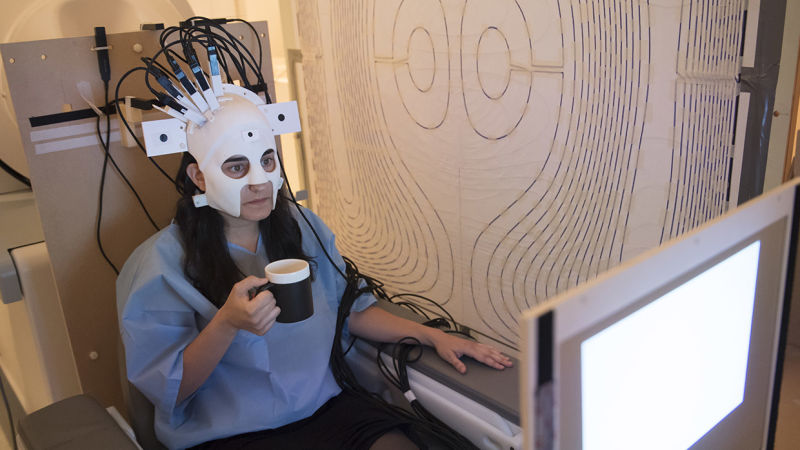
___ Will it be about a new generation of portable brain scanners that can significantly lower the price of research, like the one being developed by researchers at the University of Nottingham and University College London in the UK? Or will it be about sophisticated neural interfaces, like the ones the US military is working on, to change the…
Read MoreMixed reactions on the development of digital biomarkers and growth of Mindstrong Health
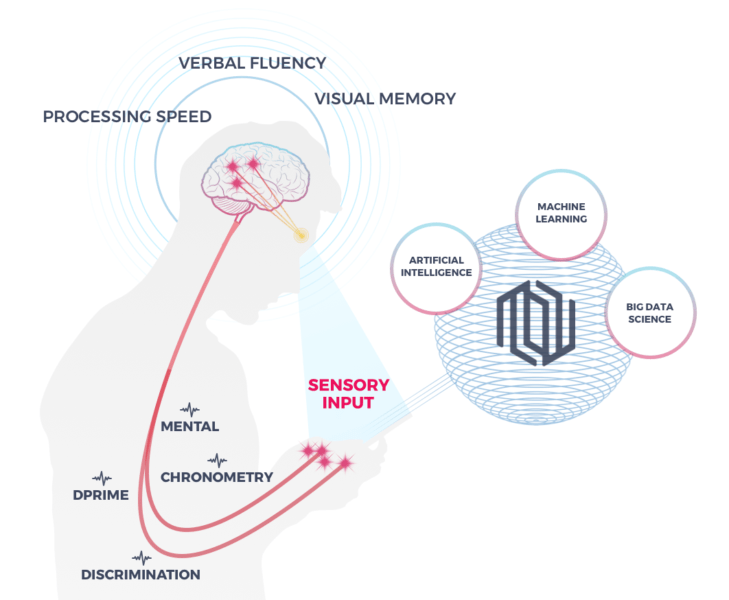
___ (More on the positive side, at MIT Technology Review) The smartphone app that can tell you’re depressed before you know it yourself: “There are about 45 million people in the US alone with a mental illness, and those illnesses and their courses of treatment can vary tremendously. But there is something most of those people…
Read MoreUpdate: Only 5% of US children ages 8–11 follow guidelines recommended for brain development

___ Dear reader, Time for SharpBrains monthly e‑newsletter, discussing the latest innovations for brain health and mental health, and opening in this occasion with an important wake-up call. New research: Only 5% of US children ages 8–11 follow screen time, sleep and exercise guidelines recommended for brain development Neurofeedback or medication to treat ADHD? New study reinforces…
Read More