Sharp Brains: Brain Fitness and Cognitive Health News

Neuroplasticity, Brain Fitness and Cognitive Health News

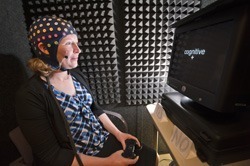
Working Memory Training can Influence Brain Biochemistry

I wanted to alert you to a very inter­est­ing find­ing pub­lished in a recent issue of Sci­ence, one of the world’s lead­ing sci­en­tific journals.

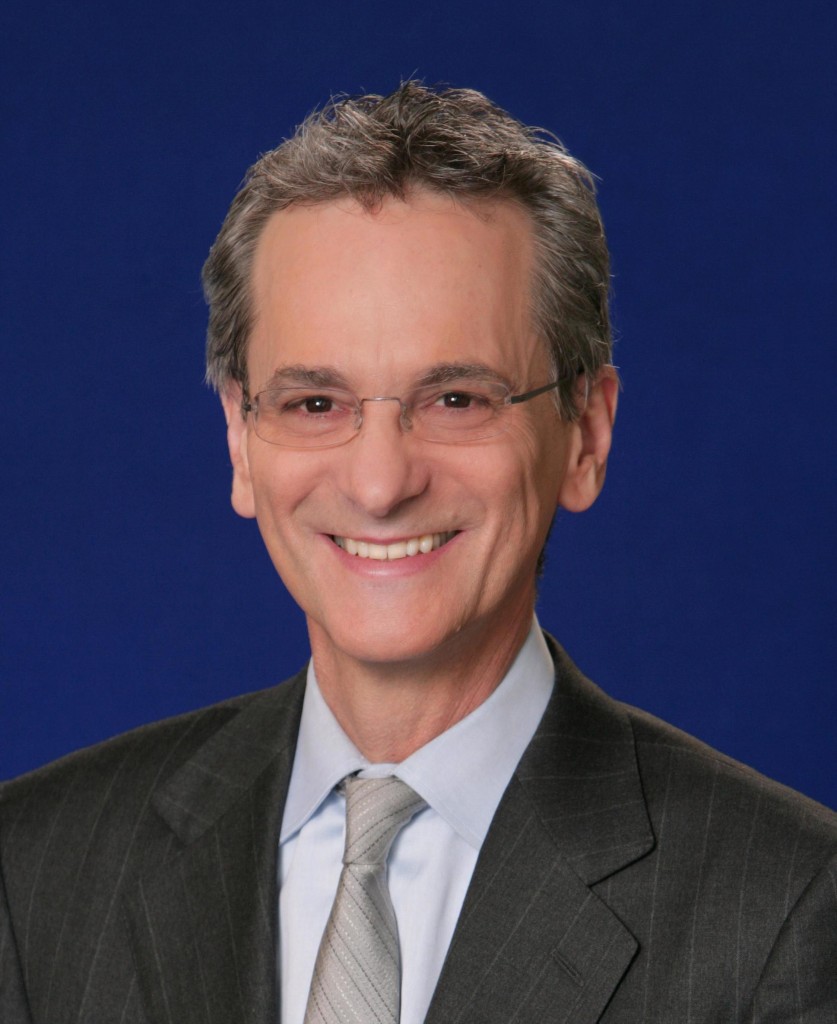
The study was led by Dr. Torkel Kling­berg and his col­leagues from the Karolin­ska Insti­tute Torkel Klingbergin Swe­den. The goal was to learn whether Work­ing Mem­ory Train­ing is asso­ci­ated with changes in brain bio­chem­istry, thus sug­gest­ing a mech­a­nism by which train­ing may lead to enhanced work­ing mem­ory capac­ity and a reduc­tion in atten­tion prob­lems. Thus, although Work­ing Mem­ory Train­ing has pre­vi­ously shown promis­ing results as a treat­ment for work­ing mem­ory and atten­tion dif­fi­cul­ties, this was a basic sci­ence study rather than a treat­ment study.

The major find­ing was that increased work­ing mem­ory capac­ity fol­low­ing train­ing was asso­ci­ated with changes in brain bio­chem­istry. Specif­i­cally, the researchers found changes in the den­sity and bind­ing poten­tial of cor­ti­cal D1 dopamine recep­tors in brain regions that are acti­vated dur­ing work­ing mem­ory tasks.

Results from this study sug­gest a bio­log­i­cal basis for the improve­ment in work­ing mem­ory capac­ity and reduc­tions i Read the rest of this entry »

Cognitive Training (Cogmed) Changes the Brain More Than We Thought

Cog­ni­tive Train­ing Can Alter Bio­chem­istry Of The Brain (Sci­ence Daily)

- “Researchers at the Swedish med­ical uni­ver­sity Karolin­ska Insti­tute have shown for the first time that the active train­ing of the work­ing mem­ory brings about vis­i­ble changes in the num­ber of dopamine recep­tors in the human brain.”

- ““Brain bio­chem­istry doesn’t just under­pin our men­tal activ­ity; our men­tal activ­ity and think­ing process can also affect the bio­chem­istry,” says Pro­fes­sor Torkel Kling­berg, who led the study.”

- “Changes in the num­ber of dopamine recep­tors in a per­son doesn’t give us the key to poor mem­ory,” says Pro­fes­sor Lars Farde, one of the researchers who took part in the study. “We also have to ask if the dif­fer­ences could have been caused by a lack of mem­ory train­ing or other envi­ron­men­tal fac­tors. Maybe we’ll be able to find new, more effec­tive treat­ments that com­bine med­ica­tion and cog­ni­tive train­ing, in which case we’re in extremely inter­est­ing territory.”

Com­ment:  couldn’t agree more with “Maybe we’ll be able to find new, more effec­tive treat­ments that com­bine med­ica­tion and cog­ni­tive train­ing, in which case we’re in extremely inter­est­ing ter­ri­tory.” This study adds a very impor­tant angle to the grow­ing lit­er­a­ture on work­ing mem­ory train­ing, show­ing a more fun­da­men­tal, struc­tural impact, that once thought (such as the well-known effect that “cells that fire together wire together”). The com­put­er­ized cog­ni­tive pro­gram used in the study was Cogmed work­ing mem­ory training.

More on Torkel Klingberg’s research:

- Arti­cle writ­ten by Torkel Kling­berg on The Over­flow­ing Brain & Infor­ma­tion Overload

- His recent book, which was The Sharp­Brains Most Impor­tant Book of 2008: The Over­flow­ing Brain: Infor­ma­tion Over­load and the Lim­its of Work­ing Memory

- 2006 Inter­view with Dr. Kling­berg: Work­ing Mem­ory Train­ing and RoboMemo: Inter­view with Dr. Torkel Klingberg

Memory Training and Fluid Intelligence

Quick update: 2 very inter­est­ing news, 2 excel­lent blog carnivals.

1) For­get Brain Age: Researchers Develop Soft­ware That Makes You Smarter (Wired). Thanks Senia!

- “In a lim­ited trial, he and his team were able to make 34 test sub­jects sig­nif­i­cantly bet­ter at answer­ing IQ test ques­tions after train­ing them on a com­pletely sep­a­rate mem­ory task”

Read the rest of this entry »

Working Memory Training for Adults

A very promis­ing cog­ni­tive train­ing study was pre­sented last week by Helena West­er­berg at the annual meet­ing of the CNS: Cog­ni­tive Neu­ro­science Soci­ety held in San Fran­cisco, and Dr. David Rabiner brings us the highlights.

- Alvaro

———————

The study was con­ducted with a gen­eral adult pop­u­la­tion, rather than adults diag­nosed with ADHD, as was the case in pre­vi­ous pub­lished work­ing mem­ory train­ing studies,

The study was a ran­dom­ized, con­trolled trial of work­ing mem­ory train­ing con­ducted with 55 younger (20–30 years old) and 45 older (60–70 years old) adults. Par­tic­i­pants were ran­domly assigned to receive 5 weeks of active Cogmed Work­ing Mem­ory Train­ing or a placebo train­ing inter­ven­tion. In the active train­ing group, the dif­fi­culty of the work­ing mem­ory train­ing tasks con­tin­u­ally adjusted to match the individual’s per­for­mance. As a result, indi­vid­u­als were con­sis­tently chal­lenged to per­form at their high­est pos­si­ble level. In the placebo train­ing group, the dif­fi­culty level remained con­stant across the train­ing period such that improve­ments in work­ing mem­ory were not expected to occur.

Read the rest of this entry »

Improving Driving Skills and Brain Functioning– Interview with ACTIVE’s Jerri Edwards

Jerri Edwards- Active trialToday we are for­tu­nate to inter­view Dr. Jerri Edwards, an Asso­ciate Pro­fes­sor at Uni­ver­sity of South Florida’s School of Aging Stud­ies and Co-Investigator of the influ­en­cial ACTIVE study. Dr. Edwards was trained by Dr. Kar­lene K. Ball, and her research is aimed toward dis­cov­er­ing how cog­ni­tive abil­i­ties can be main­tained and even enhanced with advanc­ing age.

Main focus of research

Alvaro Fer­nan­dez: Please explain to our read­ers your main research areas

Jerri Edwards: I am par­tic­u­larly inter­ested in how cog­ni­tive inter­ven­tions may help older adults to avoid or at least delay func­tional dif­fi­cul­ties and thereby main­tain their inde­pen­dence longer. Much of my work has focused on the func­tional abil­ity of dri­ving includ­ing assess­ing dri­ving fit­ness among older adults and reme­di­a­tion of cog­ni­tive decline that results in dri­ving difficulties.

Some research ques­tions that inter­est me include, how can we main­tain health­ier lives longer? How can train­ing improve cog­ni­tive abil­i­ties, both to improve those abil­i­ties and also to slow-down, or delay, cog­ni­tive decline? The spe­cific cog­ni­tive abil­ity that I have stud­ied the most is pro­cess­ing speed, which is one of the cog­ni­tive skills that decline early on as we age.

ACTIVE results

Can you explain what cog­ni­tive pro­cess­ing speed is, and why it is rel­e­vant to our daily lives?

Pro­cess­ing speed is men­tal quick­ness. Just like a com­puter with a 486 proces­sor can do a lot of the same things as a com­puter with a Pen­tium 4 proces­sor, but it takes much longer, our minds tend to slow down with age as com­pared to when we were younger. We can do the same tasks, but it takes more time. Quick speed of pro­cess­ing is impor­tant for Read the rest of this entry »

The Brain Fitness Program DVD (Michael Merzenich)

The most pop­u­lar ques­tion we got when we announced that PBS had a great spe­cial on Brain Fit­ness Pro­gram and Neu­ro­plas­tic­ity in Decem­ber was, when will the DVD be available?

Well, finally here it comes. You can click on the image or the title to go over to PBS shop to learn more and buy it.

The Brain Fit­ness Pro­gram DVD ($24.95, shipped by 02/01/08). “This pro­gram presents a work­out to help view­ers get their brains in bet­ter shape. The Brain Fit­ness Pro­gram is based on neuro-plasticity, the abil­ity of the brain to change and adapt — even rewire itself. In the past two years, a team of sci­en­tists has devel­oped computer-based stim­u­lus sets that drive ben­e­fi­cial chem­i­cal, phys­i­cal and func­tional changes in the brain. Dr. Michael Merzenich of the Uni­ver­sity of Cal­i­for­nia San Fran­cisco and his col­leagues around the world have been lead­ing this effort; he brings the research find­ings, along with a sci­en­tif­i­cally based set of brain exer­cises, to PBS view­ers in this inno­v­a­tive and life-altering pro­gram. Peter Coy­ote narrates. ”

To pur­chase: click Here.

You can watch a 3-minute trailer: click here.

———-

Note: How can any­one take care of his or her brain when every week brings a new bar­rage of arti­cles and stud­ies which seem to con­tra­dict each other?

Do sup­ple­ments improve mem­ory? Do you need both phys­i­cal and men­tal exer­cise –or is one of them enough? Why is man­ag­ing stress so impor­tant to atten­tion and mem­ory? Which brain train­ing approach, if any, is worth one’s time and money?

If you have these ques­tions, check out this new book, The Sharp­Brains Guide to Brain Fit­ness:

“Finally, an insight­ful and com­plete overview of the sci­ence, prod­ucts and trends to debunk old myths and help us all main­tain our brains in top shape. A must-read”
Glo­ria Cavanaugh, for­mer Pres­i­dent & CEO of the Amer­i­can Soci­ety on Aging and found­ing Board mem­ber of the National Alliance for Caregiving

Kudos for an excel­lent resource! This Sharp­Brains Guide is full of top notch infor­ma­tion, pro­vides prac­ti­cal tips and helps sep­a­rate hype from hope in the brain health arena.“
Eliz­a­beth Edgerly, Ph.D., Chief Pro­gram Offi­cer, Alzheimer’s Association

A mas­ter­ful guide to the brain train­ing rev­o­lu­tion. Promises to stim­u­late a much needed con­ver­sa­tion that will nudge soci­ety to build a new brain fit­ness cul­ture on solid, research-based, foun­da­tions.“
P. Murali Doraiswamy MD, Pro­fes­sor of Psy­chi­a­try, Duke Uni­ver­sity and Co-author of The Alzheimer’s Action Plan

Order Book at Amazon.com
SharpBrains Guide to Brain Fitness. The Book Click

Here

to order at Amazon.com.
Print Edi­tion, $24.95

Order Kin­dle Edi­tion
SharpBrains Guide to Brain Fitness. The Book Click

Here

to order at Amazon.com,
Kin­dle Edi­tion, $9.99

Physical and Mental Exercise: Why Pitch One Against the other?

Reader Theresa Cerulli just for­warded this Let­ter to the Edi­tor that she had sent to the New York Times and went unpub­lished. The let­ter addresses the OpEd men­tioned here (pitch­ing phys­i­cal vs. men­tal exer­cise), and refers to the Cogmed work­ing mem­ory train­ing pro­gram, whose results have been stud­ied in mul­ti­ple papers pub­lished in top med­ical and sci­en­tific jour­nals.

——————————-

Dear Edi­tor:

I applaud San­dra Aamodt and Sam Wang for throw­ing some cold water on the cur­rent brain fit­ness craze in their recent New York Times Mag­a­zine Opin­ion Edi­to­r­ial “Exer­cise on the Brain.”  They are cor­rect in label­ing the host of “men­tal fit­ness” prod­ucts that tar­get aging baby boomers as “inspired by sci­ence “  not to be con­fused with actu­ally proven by sci­ence. For the last 30 years, terms like “brain plas­tic­ity” have been widely and casu­ally used, cre­at­ing hype that risks drown­ing out the real break­throughs that brain researchers are mak­ing in this area.

How­ever, I would like to dis­tin­guish the “men­tal fit­ness” trend that Aamodt and Wang rightly crit­i­cize from actual researched-based cog­ni­tive train­ing such as the Cogmed pro­gram devel­oped in Swe­den. Unlike “men­tal fit­ness” pro­grams, cog­ni­tive train­ing pro­grams focus very nar­rowly on spe­cific cog­ni­tive func­tions that research has shown to be plas­tic. This is in stark con­trast to com­pil­ing a smat­ter­ing of exer­cises or activ­i­ties that are gen­er­ally thought to be Read the rest of this entry »

Top Articles on Brain, Cognition and Neuroplasticity

  1. Do you believe these neu­romyths?, by SharpBrains
  2. Brain Plas­tic­ity: How learn­ing changes your brain, by Pas­cale Michelon
  3. In the Age of Google, Should Schools Teach Mem­o­riza­tion Skills?, by Bill Klemm
  4. Does cog­ni­tive train­ing work? (For Whom? For What?), by Pas­cale Michelon
  5. The Emo­tional Life of Your Brain, by by Richard David­son, Sharon Begley
  6. Cur­rent State of the Sci­ence behind Neu­ro­feed­back Treat­ment for ADHD, by David Rabiner
  7. To Be (Your Con­nec­tome), or Not to Be (Your Genome), by Sebas­t­ian Seung
  8. Top 10 Brain Fit­ness Future Trends, by Alvaro Fernandez
  9. Biofeed­back now a “Level 1 — Best Sup­port” Inter­ven­tion for ADHD, by SharpBrains
  10. When 1 + 1 = 5: Dyscal­cu­lia and Work­ing Mem­ory, by Tracy Alloway
  11. Train­ing Atten­tion and Emo­tional Self-Regulation — Inter­view with Michael Pos­ner, by Alvaro Fernandez
  12. The Ten Habits of Highly Effec­tive Brains, by Alvaro Fernandez
  13. Why do You Turn Down the Radio When You’re Lost?, by Car­o­line Latham
  14. Brain fit­ness Q&A: Mem­ory, stress, emo­tions, by Alvaro Fernandez
  15. Cog­ni­tive ther­apy or med­ica­tion? Brain scans may help per­son­al­ize treat­ments, by SharpBrains
  16. New Study shows Teens with ADHD helped by Cog­ni­tive Behav­ioral Ther­apy, by David Rabiner
  17. How Do Words Change Our Brains and Lives?, by Andrew New­berg, Mark Waldman
  18. BBC “Brain Train­ing” Exper­i­ment: the Good, the Bad, the Ugly, by Alvaro Fernandez
  19. Sci­en­tific cri­tique of BBC/ Nature Brain Train­ing Exper­i­ment, by Liz Zelinski
  20. From Anti-Alzheimer’s “Magic Bul­lets” to True Brain Health, by Alvaro Fer­nan­dez, Peter Whitehouse
  21. Why Agile Minds Deploy Both Ratio­nal and Intu­itive Problem-Solving, by Judith Tingley
  22. Why I Wrote The Woman Who Changed Her Brain, by Bar­bara Arrowsmith-Young
  23. The Busi­ness and Ethics of the Brain Fit­ness Boom, by Alvaro Fernandez
  24. Break­ing Down the Cog­ni­tion & Alzheimer’s Dis­ease Alpha­bet Soup, by Dharma Singh Khalsa
  25. Top 10 Quotes on Life­long Neu­ro­plas­tic­ity, by Alvaro Fernandez
  26. To Har­ness Neu­ro­plas­tic­ity, Start with Enthu­si­asm, by Helena Popovic
  27. Q&A with Yaakov Stern on Brain Reserve, Exer­cise, Cog­ni­tive Train­ing, Angry Birds, by Alvaro Fernandez
  28. It is Not Only Cars That Deserve Good Main­te­nance: Brain Care 101, by Alvaro Fernandez
  29. Eval­u­a­tion Check­list for Brain Fit­ness prod­ucts and games, by Alvaro Fernandez
  30. Mind­ful­ness and Med­i­ta­tion in Schools for Stress Man­age­ment, by Jill Sutie
  31. Stress and Neural Wreck­age: Part of the Brain Plas­tic­ity Puz­zle, by Gre­gory Kellet
  32. Cog­ni­tive and Emo­tional Devel­op­ment Through Play, by David Elkind
  33. AARP’s Brain Fit­ness Best Books List, by SharpBrains
  34. Judith Beck: Train Your Brain to Think Like a Thin Per­son, by Alvaro Fernandez
  35. Improve Mem­ory with Sleep, Prac­tice, and Test­ing, by Bill Klemm
  36. 10 Brain Tips To Teach and Learn, by Lau­rie Bartels
  37. Dr. Elkhonon Gold­berg on Cog­ni­tive Train­ing and Brain Fit­ness, by Alvaro Fernandez
  38. Mind­ful­ness Med­i­ta­tion for Adults & Teens with ADHD, by David Rabiner
  39. Phys­i­cal Exer­cise and Brain Health, by Pas­cale Michelon
  40. Sleep, Tetris, Mem­ory and the Brain, by Shan­non Moffet

Welcome to SharpBrains.com

As seen in The New York Times, The Wall Street Jour­nal, CNN and more, Sharp­Brains is an inde­pen­dent mar­ket research and think tank track­ing health, edu­ca­tion, and pro­duc­tiv­ity appli­ca­tions of neuroscience.

Register Now at Discounted Rates

2013 SharpBrains Summit

Watch 10 Predictions on Digital Brain Health in 2013 (3 minutes)

Cover_video
Enter Your Email and Sub­scribe to our free Monthly eNewslet­ter:
Join more than 40,000 Sub­scribers and stay informed and engaged.

Follow Us Via…

twitter_logo_header