Sharp Brains: Brain Fitness and Cognitive Health News

Neuroplasticity, Brain Fitness and Cognitive Health News

Internet-driven innovation drives new digital health market, social change
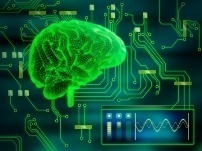
human-brain-as-a-central-processingBrain Health And Well­ness Inno­va­tion Dri­ves New Dig­i­tal Health Mar­ket, Social Change (Young Upstarts):

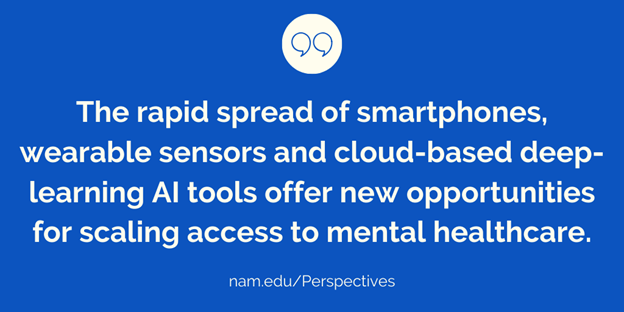
Tech­nol­ogy has com­pletely changed the prac­tice of med­i­cine, pro­vid­ing incred­i­ble imag­ing tech­niques and data that now play a key role in treat­ing injuries and ill­nesses. Sophis­ti­cated tools give researchers amaz­ing new insights that advance our under­stand­ing of human anatomy, includ­ing the brain. Stan­dard treat­ments for vir­tu­ally every seri­ous injury and ill­ness have been utterly trans­formed over the past 50 years due to tech­ni­cal advances. How­ever, these advances have added greatly to the cost of research and treat­ment, and that’s par­tic­u­larly true when it comes to the brain… One solu­tion to this chal­lenge lies in tech­nol­ogy that is already glob­ally per­va­sive and rel­a­tively inex­pen­sive to deploy: the Inter­net. Read arti­cle »

The future of biosensors and nanotechnology: A conversation with Sonia Contera
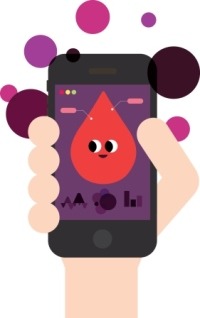
nanotechnologyImag­ine a future where dia­betes is mon­i­tored and man­aged, not with fin­ger prick blood tests and reg­u­lar insulin injec­tions, but with a small sen­sor implanted under the skin that mon­i­tors blood sugar lev­els, releases insulin as needed and com­mu­ni­cates the details to a smart phone. Wel­come to the sub­atomic world of nan­otech­nol­ogy. With devel­op­ments in the field, it is a future that we could be liv­ing in not too far from now. As I heard dur­ing my recent con­ver­sa­tion with Dr Sonia Con­tera, Co– Direc­tor of the Oxford Mar­tin Pro­gramme on Nan­otech­nol­ogy, biosen­sors are one of the most promis­ing med­ical appli­ca­tions of nan­otech­nol­ogy, and likely to be one of the first to be realised. Read the rest of this entry »

One size does not fit all: Does the brain ‘remember’ antidepressants?

Study offers more proof for the power of placebo, say UCLA researchers (UCLA press release):
– “While the rela­tion­ship between prior treat­ment and the brain’s response to sub­se­quent treat­ment is unknown, a new study by UCLA researchers sug­gests that how the brain responds to anti­de­pres­sant med­ica­tion may be influ­enced by its remem­ber­ing of past anti­de­pres­sant expo­sure.” Read the rest of this entry »

Update: The Future of Preventive Brain Medicine

Time for Sharp­Brains’ Jan­u­ary 2012 eNewslet­ter, fea­tur­ing in this occa­sion mul­ti­ple thought-provoking per­spec­tives on how emerg­ing neu­ro­science can and should make us rethink pre­vail­ing prac­tices in edu­ca­tion, healthy aging and pre­ven­tive medicine.


Fea­tured Perspectives:

New Research: 

Resources:


Finally, you may want to read our answers to the many excel­lent ques­tions we received about the upcom­ing Online Course: How to Be Your Own Brain Fit­ness Coach in 2012. 80 indi­vid­u­als have reg­is­tered so far, rep­re­sent­ing a fas­ci­nat­ing diver­sity of back­grounds: health and med­ical pro­fes­sion­als, edu­ca­tors, busi­ness exec­u­tives, traders, con­sul­tants, coaches, soft­ware engi­neers, ther­a­pists,  and more. Please remem­ber that early-bird rates end on Tues­day, Jan­u­ary 31st!

Have a great month of February.

The Future of Preventive Brain Medicine: Breaking Down the Cognition & Alzheimer’s Disease Alphabet Soup

As the pres­i­dent and med­ical direc­tor of the Alzheimer’s Research and Pre­ven­tion Foun­da­tion (ARPF), it’s my job to stay on top of advances in the field of Alzheimer’s research. Recently, a num­ber of arti­cles in the med­ical lit­er­a­ture have caught my atten­tion. They are focused on a par­tic­u­lar ques­tion that con­cerns most Baby Boomers like me: “Is mem­ory loss just a nor­mal part of aging?” Read the rest of this entry »

Update: Can Brain Science Enhance Living?

Spon­sored Ad (How to Adver­tise on SharpBrains.com)

Time for our monthly eNewslet­ter track­ing recent news and devel­op­ments on how the neu­ro­science of cog­ni­tion and emo­tions can inform edu­ca­tion and health across the lifes­pan. Let us try to be as con­cise as pos­si­ble, so you can spend as much time as pos­si­ble con­nect­ing with your Loved Ones instead of with the World Wide Web.

Wish­ing you a won­der­ful end of 2011 and a happy and suc­cess­ful 2012!

PS: thirty-nine peo­ple have reg­is­tered since this past Tues­day to par­tic­i­pate in the upcom­ing Online Course: How to Be Your Own Brain Fit­ness Coach in 2012. Please remem­ber we will only be able to acco­mo­date the first two hun­dred reg­is­trants, so please take a look soon to see if you are inter­ested in joining!

Research: Could studying the placebo effect change the way we think about medicine?

The Power of Noth­ing: Could study­ing the placebo effect change the way we think about med­i­cine? (The New Yorker):

For years, Ted Kaptchuk per­formed acupunc­ture at a tiny clinic in Cam­bridge, a few miles from his cur­rent office, at the Har­vard Med­ical School. He opened for busi­ness in 1976, hav­ing just returned from Asia, where he had spent four years hon­ing his craft. Not long after he arrived in Boston, he treated an Armen­ian woman for chronic bron­chi­tis. A few weeks later, the woman returned with her hus­band and told Kaptchuk that he had “cured” her.” Read the rest of this entry »

Top Articles on Brain, Cognition and Neuroplasticity

  1. Do you believe these neu­romyths?, by SharpBrains
  2. Brain Plas­tic­ity: How learn­ing changes your brain, by Pas­cale Michelon
  3. In the Age of Google, Should Schools Teach Mem­o­riza­tion Skills?, by Bill Klemm
  4. Does cog­ni­tive train­ing work? (For Whom? For What?), by Pas­cale Michelon
  5. The Emo­tional Life of Your Brain, by by Richard David­son, Sharon Begley
  6. Cur­rent State of the Sci­ence behind Neu­ro­feed­back Treat­ment for ADHD, by David Rabiner
  7. To Be (Your Con­nec­tome), or Not to Be (Your Genome), by Sebas­t­ian Seung
  8. Top 10 Brain Fit­ness Future Trends, by Alvaro Fernandez
  9. Biofeed­back now a “Level 1 — Best Sup­port” Inter­ven­tion for ADHD, by SharpBrains
  10. When 1 + 1 = 5: Dyscal­cu­lia and Work­ing Mem­ory, by Tracy Alloway
  11. Train­ing Atten­tion and Emo­tional Self-Regulation — Inter­view with Michael Pos­ner, by Alvaro Fernandez
  12. The Ten Habits of Highly Effec­tive Brains, by Alvaro Fernandez
  13. Why do You Turn Down the Radio When You’re Lost?, by Car­o­line Latham
  14. Brain fit­ness Q&A: Mem­ory, stress, emo­tions, by Alvaro Fernandez
  15. Cog­ni­tive ther­apy or med­ica­tion? Brain scans may help per­son­al­ize treat­ments, by SharpBrains
  16. New Study shows Teens with ADHD helped by Cog­ni­tive Behav­ioral Ther­apy, by David Rabiner
  17. How Do Words Change Our Brains and Lives?, by Andrew New­berg, Mark Waldman
  18. BBC “Brain Train­ing” Exper­i­ment: the Good, the Bad, the Ugly, by Alvaro Fernandez
  19. Sci­en­tific cri­tique of BBC/ Nature Brain Train­ing Exper­i­ment, by Liz Zelinski
  20. From Anti-Alzheimer’s “Magic Bul­lets” to True Brain Health, by Alvaro Fer­nan­dez, Peter Whitehouse
  21. Why Agile Minds Deploy Both Ratio­nal and Intu­itive Problem-Solving, by Judith Tingley
  22. Why I Wrote The Woman Who Changed Her Brain, by Bar­bara Arrowsmith-Young
  23. The Busi­ness and Ethics of the Brain Fit­ness Boom, by Alvaro Fernandez
  24. Break­ing Down the Cog­ni­tion & Alzheimer’s Dis­ease Alpha­bet Soup, by Dharma Singh Khalsa
  25. Top 10 Quotes on Life­long Neu­ro­plas­tic­ity, by Alvaro Fernandez
  26. To Har­ness Neu­ro­plas­tic­ity, Start with Enthu­si­asm, by Helena Popovic
  27. Q&A with Yaakov Stern on Brain Reserve, Exer­cise, Cog­ni­tive Train­ing, Angry Birds, by Alvaro Fernandez
  28. It is Not Only Cars That Deserve Good Main­te­nance: Brain Care 101, by Alvaro Fernandez
  29. Eval­u­a­tion Check­list for Brain Fit­ness prod­ucts and games, by Alvaro Fernandez
  30. Mind­ful­ness and Med­i­ta­tion in Schools for Stress Man­age­ment, by Jill Sutie
  31. Stress and Neural Wreck­age: Part of the Brain Plas­tic­ity Puz­zle, by Gre­gory Kellet
  32. Cog­ni­tive and Emo­tional Devel­op­ment Through Play, by David Elkind
  33. AARP’s Brain Fit­ness Best Books List, by SharpBrains
  34. Judith Beck: Train Your Brain to Think Like a Thin Per­son, by Alvaro Fernandez
  35. Improve Mem­ory with Sleep, Prac­tice, and Test­ing, by Bill Klemm
  36. 10 Brain Tips To Teach and Learn, by Lau­rie Bartels
  37. Dr. Elkhonon Gold­berg on Cog­ni­tive Train­ing and Brain Fit­ness, by Alvaro Fernandez
  38. Mind­ful­ness Med­i­ta­tion for Adults & Teens with ADHD, by David Rabiner
  39. Phys­i­cal Exer­cise and Brain Health, by Pas­cale Michelon
  40. Sleep, Tetris, Mem­ory and the Brain, by Shan­non Moffet

Welcome to SharpBrains.com

As seen in The New York Times, The Wall Street Jour­nal, CNN and more, Sharp­Brains is an inde­pen­dent mar­ket research and think tank track­ing health, edu­ca­tion, and pro­duc­tiv­ity appli­ca­tions of neuroscience.

Register Now at Discounted Rates

2013 SharpBrains Summit

Watch 10 Predictions on Digital Brain Health in 2013 (3 minutes)

Cover_video
Enter Your Email and Sub­scribe to our free Monthly eNewslet­ter:
Join more than 40,000 Sub­scribers and stay informed and engaged.

Follow Us Via…

twitter_logo_header