Sharp Brains: Brain Fitness and Cognitive Health News

Neuroplasticity, Brain Fitness and Cognitive Health News

Agenda: ASA Brain Health Day, Powered by SharpBrains

The Amer­i­can Soci­ety on Aging and Sharp­Brains have part­nered to co-produce a American Society on Agingpro­fes­sional devel­op­ment day for pro­fes­sion­als in the field of aging. The day is themed “New Tools, New Part­ner­ships”, and will take place on Fri­day, Sep­tem­ber 11th, 2009, dur­ing ASA’s West Coast Con­fer­ence on Aging, in the Oak­land Mar­riot City Cen­ter, Oak­land, CA.

Given aging pop­u­la­tion trends, it is clear that we need more and bet­ter trained aging pro­fes­sion­als, and that brain health needs to be a major com­po­nent in that train­ing. We are pleased to part­ner with Sharp­Brains to offer the lat­est think­ing, best prac­tices, and resources, to our mem­bers,” said Car­ole Ander­son, Vice Pres­i­dent of Education.

The grow­ing inter­est in brain health and fit­ness among con­sumers and pro­fes­sion­als alike needs to be accom­pa­nied by high-quality edu­ca­tional ini­tia­tives to help sep­a­rate real­ity from hope from hype. We are hon­ored to part­ner with the Amer­i­can Soci­ety on Aging in this impor­tant endeavor,” said Alvaro Fer­nan­dez, CEO & co-founder of Sharp­Brains and co-author of The Sharp­Brains Guide to Brain Fitness.

Descrip­tion and How to Reg­is­ter
Since 2006, healthy aging pio­neers have been actively eval­u­at­ing and imple­ment­ing an expand­ing menu of stim­u­lat­ing brain health pro­grams. The Amer­i­can Soci­ety on Aging and Sharp­Brains have part­nered to intro­duce aging pro­fes­sion­als to the best prac­tices in a vari­ety of community-based and res­i­den­tial set­tings, dis­cuss emerg­ing trends that will affect your work in years to come, and offer you resources to under­stand and nav­i­gate through the grow­ing array of options.

Par­tic­i­pants will receive a com­pli­men­tary and signed copy of the book The Sharp­Brains Guide to Brain Fit­ness (May 2009, $24.95).

Learn­ing objec­tives are:

- Under­stand the com­ple­men­tary value the four main lifestyle pil­lars for life­long brain health and why “men­tal exer­cise”, beyond sim­ple “men­tal activ­ity”, is one of them.
– Iden­tify the best mix of brain health prac­tices and tech­nolo­gies by dis­cussing real world case stud­ies in a vari­ety of set­tings: adult edu­ca­tion, inde­pen­dent liv­ing, assisted liv­ing.
– Dis­cuss the oppor­tu­ni­ties and chal­lenges of build­ing inno­v­a­tive part­ner­ships between a non-profit orga­ni­za­tions and a for-profit com­pa­nies.
– Explore emerg­ing trends in research, pub­lic health, life­long learn­ing, and tech­nol­ogy, to ensure that health and aging pro­fes­sion­als are well equipped for years to come.

When and where: Fri­day, Sep­tem­ber 11th, 2009, at the Oak­land Mar­riott City Center.

Reg­is­tra­tion fees for Sharp­Brains clients and read­ers are $150 (offi­cial fees are $180) . Fee is for the full day ses­sion and includes up to six hours of CEU cred­its plus book and materials.

You can Reg­is­ter HERE, using Part­ner Orga­ni­za­tion Code: WCSB.

The Pro­gram
9:00 — 10:30 am Keynote– The Sharp­Brains Guide to Brain Fitness

This ses­sion will pro­vide an overview of the most recent research, guide­lines and resources to “Use It and Improve It”, sum­ma­riz­ing the main find­ings and top­ics from the book The Sharp­Brains Guide to Brain Fit­ness. It will debunk 10 brain fit­ness myths; dis­cuss how the brain works and the 4 pil­lars of brain main­te­nance; explain the dif­fer­ence between men­tal exer­cise and men­tal activ­ity and iden­tify research-based ways to exer­cise our brains; and review what 21 brain fit­ness soft­ware pack­ages do and what they don’t do. Finally, the ses­sion will dis­cuss emerg­ing trends to ensure that health and aging pro­fes­sion­als are well equipped for years to come.

- Alvaro Fer­nan­dez, SharpBrains

11:00 to 12:00 noon Bring­ing Brain Fit­ness to the Com­mu­nity Center

Sci­ence con­tin­ues to high­light the impor­tance of stay­ing active men­tally as well as phys­i­cally; peo­ple of all ages and sit­u­a­tions face the chal­lenge of learn­ing what brain exer­cise is, how it can help them, and how to incor­po­rate it into their busy lives. The Penin­sula Jew­ish Com­mu­nity Cen­ter (PJCC) has formed a unique part­ner­ship with vibrant­Brains, a pio­neer­ing gym for brain exer­cise, to explore new ways to bring brain fit­ness into the com­mu­nity on top of its exist­ing fit­ness and edu­ca­tional activities.

- Jane Post, Penin­sula Jew­ish Com­mu­nity Cen­ter; Lisa Schooner­man, vibrantBrains

1:30 to 2:30 pm Lat­est Tech­nolo­gies and Brain Health: Value and Limitations

Four inno­v­a­tive prac­ti­tion­ers will share their first-hand expe­ri­ence imple­ment­ing com­put­er­ized cog­ni­tive train­ing pro­grams in dif­fer­ent set­tings: adult edu­ca­tion classes, inde­pen­dent liv­ing, and assisted liv­ing. They will dis­cuss the Pros and Cons of tech­nol­ogy pro­grams pro­vided by Dakim, Posit Sci­ence and Cog­niFit, help­ing the audi­ence explore how tech­nol­ogy can enhance exist­ing brain health and well­ness pro­grams and how this trend will affect their work in the future.

- James Arp, Bel­mont Vil­lage; Kari Olsen, Front Porch; Shel­lie Sul­li­van, Lake­view Vil­lage; Teri Barr, Oak­land Uni­fied School District

2:30 to 3:15 pm Engag­ing the Com­mu­nity to Inte­grate Brain Health Research into Life­long Learning

OLLI @Berkeley has devel­oped a mem­ber­ship team to inves­ti­gate how to inte­grate neu­ro­science dis­cov­er­ies into their life­long learn­ing cur­ricu­lum and ongo­ing com­mu­nity activ­i­ties. If older adults are told that, in addi­tion to exer­cise, nutri­tion, among other things, men­tal stim­u­la­tion is required that is novel, chal­leng­ing and varied—how can life­long learn­ing cen­ters and adults them­selves judge what that is and how to inte­grate those under­stand­ings our activ­i­ties and lives?. Susan Hoff­man will share the method­ol­ogy and insights of work­ing with the com­mu­nity as well as with a wide range of experts and sci­en­tists, and dis­cuss what might be pos­si­ble in a vari­ety of insti­tu­tional set­tings such as yours.

- Susah Hoff­man, OLLI@Berkeley

3:30 to 4.30 pm San Fran­cisco Alzheimer’s Edu­ca­tion & Pre­ven­tion Task­force: Get­ting Ready for the Future

The San Fran­cisco Mayor’s office, in part­ner­ship with the Depart­ment of Aging & Adult Ser­vices recently con­vened an expert panel and com­mit­tees to cre­ate a strate­gic plan for address­ing the needs of San Fran­cis­cans with mem­ory loss and demen­tia through the year 2020. Learn about the process, find­ings and rec­om­men­da­tions on how the city of San Fran­cisco plans to address edu­ca­tion and pre­ven­tion of demen­tia now and in the future.

- Eliz­a­beth Edgerly, Alzheimer’s Asso­ci­a­tion; Bill Haskells, Depart­ment of Aging & Adult Services

4:30 pm What We Have Learned, What is Next

What are some of the pri­or­i­ties and chal­lenges for the next 12 months for the field at large, and for every­one involved? This inter­ac­tive ses­sion will help us sum­ma­rize the key high­lights from the whole day, iden­tify emerg­ing assump­tions, themes, and pri­or­i­ties, and dis­cuss col­lab­o­ra­tive next steps.

- Car­ole Ander­son, Amer­i­can Soci­ety on Aging; Alvaro Fer­nan­dez, SharpBrains

Speaker Bios
Alvaro Fernandez SharpBrainsAlvaro Fer­nan­dez is co-founder and CEO of Sharp­Brains, a lead­ing mar­ket research firm that tracks the mar­ket and research for cog­ni­tive assess­ments, train­ing, and games. A mem­ber of the World Eco­nomic Forum’s Global Agenda Coun­cils, he has been quoted in The New York Times, The Wall Street Jour­nal, USA Today, and more, and recently co-authored the book The Sharp­Brains Guide to Brain Fit­ness: 18 Inter­views with Sci­en­tists, Prac­ti­cal Advice, and Prod­uct Reviews, to Keep Your Brain Sharp. Alvaro received mas­ters’ degrees in edu­ca­tion and busi­ness from Stan­ford Uni­ver­sity, and teaches at UC-Berkeley Osher Life­long Learn­ing Insti­tute.Jane Post PJCCJane Post is the Asso­ciate Exec­u­tive Direc­tor at the Penin­sula Jew­ish Com­mu­nity Cen­ter. With a back­ground that started in sum­mer youth camp­ing and tran­si­tioned into Com­mu­nity Cen­ter group work, the Illi­nois native moved to the Bay Area in 1979 to begin her thriv­ing career with the Penin­sula Jew­ish Com­mu­nity Cen­ter (PJCC) in Fos­ter City. Serv­ing in posi­tions rang­ing from Youth Direc­tor to Senior Adult Direc­tor, Ms. Post has enjoyed over 30 suc­cess­ful years with the PJCC and today is the Center’s Asso­ciate Exec­u­tive Direc­tor. She holds a Master’s degree in Social Work from the Uni­ver­sity of South­ern California.

Lisa Schoonerman vibrantBrainsLisa Schooner­man is a co-founder at vibrant­Brains. Lisa held a vari­ety of tech­ni­cal and edi­to­r­ial posi­tions with the Thom­son Cor­po­ra­tion in the Legal Pub­lish­ing divi­sion (now Thom­son­Reuters), begin­ning in Rochester, NY and then com­ing to San Fran­cisco to work for what was then Ban­croft Whit­ney. Lisa’s work for Thom­son included a 3-year assign­ment in the UK, where she was Edi­to­r­ial Direc­tor of the group pro­vid­ing con­tent for West­law UK, the first inter­na­tional appli­ca­tion of the West­law database.

James Arp Belmont VillageJames Arp works as the West Regional Direc­tor for Activ­ity and Mem­ory Pro­grams for Bel­mont Vil­lage, where he was involved in a pilot pro­gram using com­put­er­ized cog­ni­tive train­ing. James has also worked as an Admin­is­tra­tor for sev­eral Inter­me­di­ate Care Facil­i­ties for the Devel­op­men­tally Dis­abled and in Guardian­ship, and has a Bach­e­lor of Sci­ence Degree in Psy­chol­ogy and Com­mu­ni­ca­tion Disorders.

Kari Olson Front PorchKari Olson, Chief Infor­ma­tion Offi­cer of Front Porch, leads all tech­nol­ogy ini­tia­tives for Front Porch and its part­ners. Kari is also the Pres­i­dent of the Front Porch Cen­ter for Tech­nol­ogy Inno­va­tion and Well­be­ing whose mis­sion is to explore inno­v­a­tive uses of tech­nol­ogy to empower indi­vid­u­als to live well, espe­cially in their later years. Kari is actively involved in the Cen­ter for Aging Ser­vices Tech­nolo­gies where she serves as a com­mis­sioner, steer­ing com­mit­tee mem­ber and task group chair for Boomer Tech­nol­ogy Needs Research and co-chair of the Provider Needs Research Work­group. Kari speaks reg­u­larly around the coun­try on tech­nol­ogy for aging ser­vices. Kari holds a BA in eco­nom­ics from Uni­ver­sity of Cal­i­for­nia, Los Ange­les and has com­pleted grad­u­ate course work in edu­ca­tion at Cal­i­for­nia State Uni­ver­sity, Los Angeles.

Teri Barr Oakland UnifiedTeri Barr admin­is­ters the brain fit­ness classes for older adults at Oak­land Uni­fied School Dis­trict. She has a BFA from the Art Insti­tute of Chicago and a MSPE from the Uni­ver­sity of Illi­nois. In Illi­nois, she designed and imple­mented well­ness classes in Com­mu­nity Col­lege, Uni­ver­sity and Hos­pi­tal set­tings. Since mov­ing to Cal­i­for­nia, she has worked for OACE (Oak­land Adult and Career Edu­ca­tion) in the Older Adult Pro­gram. She started research for brain health classes in 2006 and began the pro­gram at OACE in 2007.

Shellie Sullivan Lakeview VillageShel­lie Sul­li­van is the Vol­un­teer Coor­di­na­tor at Lake­view Vil­lage, a faith-based, non­profit retire­ment com­mu­nity in Lenexa for 800 seniors offer­ing active liv­ing and sup­ported options. Ms. Sul­li­van coor­di­nated and sup­ported the cog­ni­tive train­ing por­tion of the Phys­i­cal & Cog­ni­tive Train­ing Study in which Lake­view par­tic­i­pated under the super­vi­sion of Dr. Art Kramer, from the Uni­ver­sity of Illi­nois. She admin­is­tered all of the cog­ni­tive pre– and post-assessments to Lake­view Vil­lage res­i­dents and com­mu­nity vol­un­teers and guided par­tic­i­pants using cog­ni­tive train­ing soft­ware through­out the entire study. Ms. Sul­li­van is a grad­u­ate from The Ohio State Uni­ver­sity with a degree in Communications.

Susan Hoffman OLLI@BerkeleySusan E. Hoff­man is the direc­tor of the Osher Life­long Learn­ing Insti­tute within the Vice Provost’s Office for Teach­ing and Learn­ing at UC Berke­ley. For the past fif­teen years she has worked at UC and CSU cam­puses launch­ing new inter­dis­ci­pli­nary and inter­na­tional pro­grams. Before then, she served as the Exec­u­tive Direc­tor of the Cal­i­for­nia Con­fed­er­a­tion of the Arts, rep­re­sent­ing Cal­i­for­nia artists, art edu­ca­tors and arts orga­ni­za­tions in Sacra­mento and Wash­ing­ton for a decade. Her cre­ative work includes being a writer and film­maker. Her fac­ulty appoint­ments have been in cre­ative writ­ing, the­atre and polit­i­cal philosophy.

Elizabeth Edgerly Alzheimer's AssociationEliz­a­beth Edgerly, Ph.D., is the Chief Pro­gram Offi­cer for the Alzheimer’s Asso­ci­a­tion and national spokesper­son for the Association’s Main­tain Your Brain pro­gram. She over­sees the many pro­grams of the Asso­ci­a­tion for patients, fam­i­lies and health care pro­fes­sion­als. In addi­tion, she staffs the Med­ical Sci­en­tific Advi­sory Coun­cil of the Alzheimer’s Asso­ci­a­tion — North­ern Cal­i­for­nia. She received her Ph.D. in clin­i­cal psy­chol­ogy at the State Uni­ver­sity of New York and spe­cial­ized in geropsy­chol­ogy and neu­ropsy­chol­ogy. Dr. Edgerly joined the Alzheimer’s Asso­ci­a­tion after com­plet­ing a fel­low­ship in clin­i­cal geropsy­chol­ogy at the Palo Alto VA Hospital.

How to Register

Reg­is­tra­tion fees for Sharp­Brains clients and read­ers are $150 (offi­cial fees are $180) . Fee is for the full day ses­sion and includes up to six hours of CEU cred­its plus book and materials.

You can Reg­is­ter HERE, using Part­ner Orga­ni­za­tion Code: WCSB. 

About the Amer­i­can Soci­ety on Aging

Founded in 1954, the Amer­i­can Soci­ety on Aging is an asso­ci­a­tion of diverse indi­vid­u­als bound by a com­mon goal: to sup­port the com­mit­ment and enhance the knowl­edge and skills of those who seek to improve the qual­ity of life of older adults and their fam­i­lies. The mem­ber­ship of ASA is a mul­ti­dis­ci­pli­nary array of pro­fes­sion­als who are con­cerned with the phys­i­cal, emo­tional, social, eco­nomic and spir­i­tual aspects of aging. They range from prac­ti­tion­ers, edu­ca­tors, admin­is­tra­tors, pol­i­cy­mak­ers, busi­ness peo­ple, researchers, stu­dents, and more. For more infor­ma­tion, visit http://www.asaging.org/

About Sharp­Brains

Sharp­Brains is a mar­ket research & pub­lish­ing firm devoted to help­ing orga­ni­za­tions, pro­fes­sion­als and con­sumers nav­i­gate the brain fit­ness and cog­ni­tive health field. The com­pany was co-founded by exec­u­tive Alvaro Fer­nan­dez, mem­ber of the Global Agenda Coun­cils ini­tia­tive run by the World Eco­nomic Forum, and neu­ro­sci­en­tist Dr. Elkhonon Gold­berg, inter­na­tion­ally renowned for his clin­i­cal work, research, and writ­ing. Sharp­Brains recently released the The Sharp­Brains Guide to Brain Fit­ness: 18 Inter­views with Sci­en­tists, Prac­ti­cal Advice, and Prod­uct Reviews, to Keep Your Brain Sharp (May 2009; $24.95). For more infor­ma­tion, visit www.sharpbrains.com/

News: ASA Brain Health Day, powered by SharpBrains

I  am very excited to pre-announce a col­lab­o­ra­tion with the Amer­i­can Soci­ety on Aging (ASA) to co-produce a Brain Health event, themed “New Tools, New Part­ner­ships”, to take place in Oak­land, CA, on Sep­tem­ber 11th. Read the rest of this entry »

Maintain Your Brain and Stay Sharp: An Upcoming Guide and Resource

You may be read­ing all about brain fit­ness and brain train­ing. It seems every week brings a new bar­rage of arti­cles and stud­ies which often con­tra­dict what you read the month before: Does Gingko Biloba help delay Alzheimer’s Dis­ease? Can phys­i­cal exer­cise help you stay sharp as you age? Which computer-based “brain fit­ness pro­grams”, if any, are worth your money?

All this cov­er­age reflects very excit­ing sci­en­tific find­ings but also poses a key dilemma: How to become an informed life­long learner and con­sumer when there are few and con­tra­dic­tory author­i­ta­tive guidelines?

The Sharp­Brains Guide to Brain Fit­ness (to be pub­lished in May 2009; $24.95) aims to fill that void. This guide is the result of over a year of exten­sive research includ­ing more than a hun­dred inter­views with sci­en­tists, pro­fes­sion­als and con­sumers, and a deep lit­er­a­ture review. Below you have some of the main find­ings from our effort. The guide not only cov­ers these aspects in more depth and offers prac­ti­cal guid­ance, but also includes 18 inter­views with promi­nent sci­en­tists to help you under­stand the research better.

Can we intro­duce you to your Brain?

The Guide will start at the obvi­ous start­ing point: The Human Brain. In order to make informed deci­sions about brain health, one needs to first under­stand the basic orga­ni­za­tion of the human brain and how it tends to change as we get older.

* The brain is com­posed of a num­ber of regions serv­ing dis­tinct func­tions. For­get IQ: our life and pro­duc­tiv­ity depend on a vari­ety of brain func­tions, not just one.

* There is noth­ing inher­ently fixed in the tra­jec­tory of how brain func­tions evolve as we age. Your lifestyle, actions, and even thoughts, do matter.

The 4 Pil­lars of Brain Maintenance

Neu­ro­plas­tic­ity is the life­long capac­ity of the brain to change and rewire itself in response to the stim­u­la­tion of learn­ing and expe­ri­ence. The lat­est sci­en­tific research shows that spe­cific lifestyles and actions can, no mat­ter our age, improve the health and level of func­tion­ing of our brains.

What fac­tors seem to have the most influ­ence? Read the rest of this entry »

Brain News: Lifelong Learning for Cognitive Health

Here you have the March edi­tion of our monthly newslet­ter cov­er­ing cog­ni­tive health Brain Fitnessand brain fit­ness top­ics. Please remem­ber that you can sub­scribe to receive this Newslet­ter by email, using the box at the top of this page. I know I am biased — but do believe this Newslet­ter issue might well be our best so far. I hope you find the time to enjoy it!

Bird’s Eye View

Top Arti­cles and Resources in March: High­lights — a) great arti­cles in SciAm Mind and the Wall Street Jour­nal, b) new resources (book and free DVD) by the Dana Foun­da­tion, c) research stud­ies on how our cog­ni­tive abil­i­ties tend to evolve as we age, the impact of phys­i­cal exer­cise on the brain, the lack of long-term effec­tive­ness of ADHD drugs, and how work­ing mem­ory train­ing may ben­e­fit math performance.

Brain Fit­ness Sur­vey: Over 2,000 thought­ful responses to our Jan­u­ary sur­vey (Thank You!) rein­force the need for pub­lic aware­ness ini­tia­tives and qual­ity infor­ma­tion to help eval­u­ate and nav­i­gate lifestyle and prod­uct claims, as well as the need for more research, an expanded health­care cul­ture, as more. Given this con­text, we are pub­lish­ing The Sharp­Brains Guide to Brain Fit­ness in May 2009, a book with 18 Inter­views with Sci­en­tists, Prac­ti­cal Advice, and Prod­uct Reviews, in addi­tion to our annual mar­ket report for pro­fes­sion­als and exec­u­tives (to be pub­lished in April). If you have ideas to help us pro­mote the book, please reply to this email and let us know!

Life­long Learning

Elderhostel’s Marty Knowl­ton dies at 88: He helped launch Elder­hos­tel, rein­vented “aging”, “retire­ment” and “learn­ing”, and con­tributed to the brain fit­ness of mil­lions of indi­vid­u­als as a result.

MetLife Mature Mar­ket Insti­tute Report: Geron­tol­o­gist Fay Radding presents the find­ings of a recent MetLife report, con­clud­ing that “As indi­vid­u­als age, mean­ing­ful inter­ac­tions and pur­pose­ful activ­ity become even more val­ued and cru­cial to cog­ni­tive health– and cog­ni­tive health itself becomes more of a priority.”

Change Your Envi­ron­ment, Change Your­self: Dr. Brett Steen­barger explains in his recent book that, “The great­est enemy of change is rou­tine. When we lapse into rou­tine and oper­ate on autopi­lot, we are no longer fully and actively con­scious of what we’re doing and why. That is why some of the most fer­tile sit­u­a­tions for per­sonal growth those that occur within new envi­ron­ments are those that force us to exit our rou­tines and actively mas­ter unfa­mil­iar challenges.”

Food for Thought

Michael Merzenich: Brain Plas­tic­ity offers Hope for Every­one: Dr. Gin­ger Camp­bell recently inter­viewed Dr. Michael Merzenich. Pod­cast Quote: “What­ever you strug­gle with in a sense as it stems from your neu­rol­ogy, the inher­ent plas­tic­ity of the brain gives you a basis for improve­ment. This is a way under­uti­lized and under-appreciated resource that well all have.”

Ther­apy vs. Med­ica­tion, Con­flicts of Inter­est, and Intim­i­da­tion: What started as an aca­d­e­mic dis­pute regard­ing dis­clo­sure of con­flict of inter­est is now snow­balling. Dr. Jonathan Leo crit­i­cized two impor­tant aspects of a recent a study pub­lished in JAMA that com­pared the effi­cacy of ther­apy vs. med­ica­tion. JAMA edi­tors then tried to intim­i­date Dr. Leo and his uni­ver­sity. An inves­ti­ga­tion by the Amer­i­can Med­ical Asso­ci­a­tion is under way.

ETech09 on Life Hack­ing and Brain Train­ing: Here you have the pre­sen­ta­tion Alvaro Fer­nan­dez deliv­ered at O’Reilly Emerg­ing Tech­nol­ogy Con­fer­ence 2009, a gath­er­ing of tech­nol­ogy pio­neers with a grow­ing inter­est in sci­ence and biol­ogy topics.

Atten­tion!

Dis­tracted in the Work­place?: In a very-thoughtful 2-part inter­view (part 1 here, part 2 here), author Mag­gie Jack­son chal­lenges us to “First, ques­tion the val­ues that ven­er­ate McThink­ing and under­mine attention.”

New Study Sup­ports Neu­ro­feed­back Treat­ment for ADHD: Dr. David Rabiner reports the promis­ing find­ings from the first well-designed con­trolled trial on the effect of neu­ro­feed­back treat­ment for ADHD.

Twit­ter

Finally, I wanted to let you know that you can fol­low quick Sharp­Brains updates and some of my thoughts via Twit­ter: http://twitter.com/AlvaroF

Have a great National Car Care Month in April! (now, wouldn’t you please pay at least equal atten­tion to Brain Care than to Car Care?)

Elderhostel’s Marty Knowlton and Lifelong Learning

A per­son who helped rein­vent “aging”, “retire­ment” and “learn­ing”, con­tribut­ing to the cog­ni­tive health of mil­lions of indi­vid­u­als as a result:

Mar­tin P. ‘Marty’ Knowl­ton dies at 88; co-founder of Elder­hos­tel (Los Ange­les Times)

- “Mar­tin P. “Marty” Knowl­ton, a world trav­eler who fought ageism by co-founding Elder­hos­tel, a pro­gram that pio­neered learn­ing vaca­tions for mature adults, has died. He was 88.”

- “Knowl­ton died Thurs­day of nat­ural causes at a nurs­ing home in Ven­tura, said David Bianco, who started Elder­hos­tel with his friend in 1975.”

- “When he was about 50, Knowl­ton became highly annoyed by two things: the pre­vail­ing wis­dom that “as you got older, your mind auto­mat­i­cally began to fail” and the gov­ern­ment noti­fy­ing him that “old age begins at 55,” he told the Ven­tura County Star in 2000.”

The arti­cle: Here

Elder­hos­tel web­site: Here

Brain Fitness Update: Best of 2008

Dear reader and mem­ber of Sharp­Brains’ com­mu­nity,
We want to thank you for your atten­tion and sup­port in 2008, and wish you a Happy, brain fitness and health newsletterPros­per­ous, Healthy and Pos­i­tive 2009!

Below you have the Decem­ber edi­tion of our monthly newslet­ter. Enjoy:

Best of 2008

Announc­ing the Sharp­Brains Most Impor­tant Book of 2008: Neu­ro­sci­en­tist Torkel Kling­berg has writ­ten a very stim­u­lat­ing and acces­si­ble book on a cru­cial topic for our Infor­ma­tion Age: The Over­flow­ing Brain: Infor­ma­tion Over­load and the Lim­its of Work­ing Mem­ory. We have named it The Sharp­Brains Most Impor­tant Book of 2008, and asked Dr. Kling­berg to write a brief arti­cle to intro­duce his research and book to you. Enjoy it here.

Top 30 Brain Fit­ness Arti­cles of 2008: We have com­piled Sharp­Brains’ 30 most pop­u­lar arti­cles, writ­ten by thir­teen Expert Con­trib­u­tors and staff mem­bers for you. Have you read them all?

November-December News: No month goes by with­out sig­nif­i­cant news in the field of cog­ni­tive fit­ness. Sum­ma­rized here are 10 recent devel­op­ments wor­thy of atten­tion, includ­ing an upcom­ing brain train­ing prod­uct for ice hockey play­ers, my lec­ture at New York Pub­lic Library, and more.

Inter­views: Videogames, Med­i­ta­tion

Are videogames good for your brain?: A land­mark study by Dr. Arthur Kramer and col­leagues has shown that play­ing a strat­egy videogame can bring a vari­ety of sig­nif­i­cant men­tal ben­e­fits to older brains. Another recent study, also by Kramer and col­leagues, does not show sim­i­lar ben­e­fits to younger brains (despite play­ing the same game). How can this be? Dr. Kramer, who has kindly agreed to serve on Sharp­Brains’ Sci­en­tific Advi­sory Board, elaborates.

Med­i­ta­tion on the Brain: Dr. Andrew New­berg pro­vides an excel­lent overview of the brain ben­e­fits of prac­tices such as med­i­ta­tion. He rec­om­mends, “look for some­thing sim­ple, easy to try first, ensur­ing the prac­tice is com­pat­i­ble with one’s beliefs and goals. You need to match prac­tice with need: under­stand the spe­cific goals you have in mind, your sched­ule and lifestyle, and find some­thing practical.“

The Need for Objec­tive Assessments

Cog­ni­tive screen­ings and Alzheimer’s Dis­ease: The Alzheimer’s Foun­da­tion of Amer­ica just released a thought­ful report advo­cat­ing for wide­spread cog­ni­tive screen­ings after the age of 65 (55 given the right con­di­tions). Sharp­Brains read­ers, probed by Dr. Joshua Stein­er­man, seem to agree.

Quan­ti­ta­tive EEG for ADHD diag­no­sis: Dr. David Rabiner reports on the find­ings from a recent study that doc­u­ments the util­ity of Quan­ti­ta­tive EEG as an objec­tive test to assist in the diag­no­sis of ADHD. If this pro­ce­dure were to become more widely used, he sug­gests, the num­ber of chil­dren and ado­les­cents who are inap­pro­pri­ately diag­nosed and treated for the dis­or­der would dimin­ish substantially.

Shall we ques­tion the brand new book of human trou­bles?: The fights over the new ver­sion of the psy­chi­atric diag­nos­tic man­ual, the DSM-V, are start­ing to come to light. Dr. Vaughan Bell won­ders why the pub­lic debate avoids the key ques­tion of whether diag­no­sis itself is use­ful for men­tal health and why psy­cho­met­rics are sim­ply ignored.

Resources for Life­long Learning

Edu­ca­tion builds Cog­ni­tive Reserve for Alzheimers Dis­ease Pro­tec­tion: Dr. Pas­cale Mich­e­lon reviews a recent study that sup­ports the Cog­ni­tive Reserve hypoth­e­sis — men­tally stim­u­lat­ing expe­ri­ences through­out life, such as for­mal edu­ca­tion, help build a reserve in our brains that con­tributes to a lower prob­a­bil­ity of devel­op­ing Alzheimer’s symptoms.

5 Tips on Life­long Learn­ing & the Adult Brain: Lau­rie Bar­tels asks us to please please 1) chal­lenge our­selves with new learn­ing, 2) remem­ber that neu­ro­plas­tic­ity and neu­ro­ge­n­e­sis are hall­marks of our brains, 3) check for mis-learning on an ongo­ing basis, 4) more visu­als, less text, 5) move it, move it — start today!

Neu­ro­science Core Con­cepts: We all have heard “Use It or Lose It”. Now, what is “It”? The Soci­ety for Neu­ro­science (SfN) has just released a user-friendly pub­li­ca­tion titled Neu­ro­science Core Con­cepts, aimed at help­ing edu­ca­tors and the gen­eral pub­lic learn more about the brain.

5 Tips on Lifelong Learning & the Adult Brain

Learn­ing & the Brain is a con­fer­ence that gets marked on my cal­en­dar annu­ally because I always return home hav­ing either been exposed to new infor­ma­tion, or with a new brain teasers job interviewper­spec­tive on an old topic. Last month’s con­fer­ence in Cam­bridge, MA, themed Using Emo­tions Research to Enhance Learn­ing & Achieve­ment, was no excep­tion. As with pre­vi­ous con­fer­ences, in addi­tion to the many keynote ses­sions, I focused on the adult learn­ing strand, since so much of my time is spent pro­vid­ing pro­fes­sional devel­op­ment for, and col­lab­o­rat­ing with adults. Here are five con­fer­ence cues as they relate to education.

1. CHALLENGE YOURSELF WITH NEW LEARNING

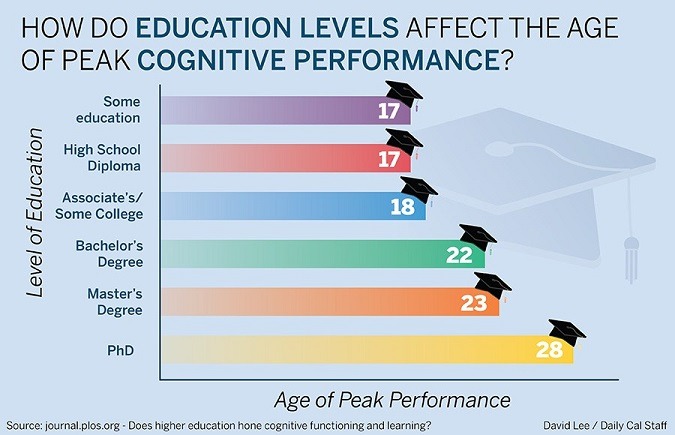
Aaron Nel­son stated that our mem­ory starts to decline between ages twenty-five and thirty, or to phrase it a bit more pos­i­tively, Sam Wang says our mem­ory peaks around age thirty. On the other end of the age spec­trum, accord­ing to Ken Kosik, there is unequiv­o­cal evi­dence that edu­ca­tion pro­tects against Alzheimer’s. Both Nel­son and Kosik men­tioned the the­ory of cog­ni­tive reserve, which trans­lates roughly to the more we learn, the more con­nec­tions we cre­ate, and there­fore the greater the neu­ronal buffer we have to draw upon as we age.

Elkhonon Gold­berg, at last April’s con­fer­ence, stated that “as one ages, the domain of the novel shrinks, and the domain of what is known grows”. He cau­tioned the audi­ence to beware of being on men­tal autopi­lot. Thus, the goal is not to sim­ply get bet­ter at doing more of the same. The type of learn­ing that makes a dif­fer­ence con­sists specif­i­cally of new, novel chal­lenges. The result of such engage­ment is that Read the rest of this entry »

Top Articles on Brain Health and Neuroplasticity

  1. Debunk­ing 10 com­mon brain fit­ness myths, by Alvaro Fernandez
  2. Brain plas­tic­ity: How learn­ing changes your brain, by Pas­cale Michelon
  3. 8 Tips To Remem­ber What You Read, by Bill Klemm
  4. Why do You Turn Down the Radio When You’re Lost?, by Car­o­line Latham
  5. Do you believe these neu­romyths?, by SharpBrains
  6. Six tips to build resilience and pre­vent brain-damaging stress, by SharpBrains
  7. Does cog­ni­tive train­ing work? (For Whom? For What?), by Pas­cale Michelon
  8. The Emo­tional Life of Your Brain, by by Richard David­son, Sharon Begley
  9. To Be (Your Con­nec­tome), or Not to Be (Your Genome), by Sebas­t­ian Seung
  10. Top 10 Brain Fit­ness Future Trends, by Alvaro Fernandez
  11. Biofeed­back now a “Level 1 — Best Sup­port” Inter­ven­tion for ADHD, by SharpBrains
  12. When 1 + 1 = 5: Dyscal­cu­lia and Work­ing Mem­ory, by Tracy Alloway
  13. Train­ing Atten­tion and Emo­tional Self-Regulation — Inter­view with Michael Pos­ner, by Alvaro Fernandez
  14. The Ten Habits of Highly Effec­tive Brains, by Alvaro Fernandez
  15. Does brain train­ing work? Yes, if it meets these 5 con­di­tions, by SharpBrains
  16. Cog­ni­tive ther­apy or med­ica­tion? Brain scans may help per­son­al­ize treat­ments, by SharpBrains
  17. New Study shows Teens with ADHD helped by Cog­ni­tive Behav­ioral Ther­apy, by David Rabiner
  18. How Do Words Change Our Brains and Lives?, by Andrew New­berg, Mark Waldman
  19. BBC “Brain Train­ing” Exper­i­ment: the Good, the Bad, the Ugly, by Alvaro Fernandez
  20. From Anti-Alzheimer’s “Magic Bul­lets” to True Brain Health, by Alvaro Fer­nan­dez, Peter Whitehouse
  21. Why Agile Minds Deploy Both Ratio­nal and Intu­itive Problem-Solving, by Judith Tingley
  22. Why I Wrote The Woman Who Changed Her Brain, by Bar­bara Arrowsmith-Young
  23. The Busi­ness and Ethics of the Brain Fit­ness Boom, by Alvaro Fernandez
  24. Break­ing Down the Cog­ni­tion & Alzheimer’s Dis­ease Alpha­bet Soup, by Dharma Singh Khalsa
  25. Top 10 Quotes on Life­long Neu­ro­plas­tic­ity, by Alvaro Fernandez
  26. To Har­ness Neu­ro­plas­tic­ity, Start with Enthu­si­asm, by Helena Popovic
  27. Q&A with Yaakov Stern on Brain Reserve, Exer­cise, Cog­ni­tive Train­ing, Angry Birds, by Alvaro Fernandez
  28. It is Not Only Cars That Deserve Good Main­te­nance: Brain Care 101, by Alvaro Fernandez
  29. Eval­u­a­tion Check­list for Brain Fit­ness prod­ucts and games, by Alvaro Fernandez
  30. Mind­ful­ness and Med­i­ta­tion in Schools for Stress Man­age­ment, by Jill Sutie
  31. Stress and Neural Wreck­age: Part of the Brain Plas­tic­ity Puz­zle, by Gre­gory Kellet
  32. Cog­ni­tive and Emo­tional Devel­op­ment Through Play, by David Elkind
  33. AARP’s Brain Fit­ness Best Books List, by SharpBrains
  34. Judith Beck: Train Your Brain to Think Like a Thin Per­son, by Alvaro Fernandez
  35. Improve Mem­ory with Sleep, Prac­tice, and Test­ing, by Bill Klemm
  36. 10 Brain Tips To Teach and Learn, by Lau­rie Bartels
  37. Dr. Elkhonon Gold­berg on Cog­ni­tive Train­ing and Brain Fit­ness, by Alvaro Fernandez
  38. Mind­ful­ness Med­i­ta­tion for Adults & Teens with ADHD, by David Rabiner
  39. Phys­i­cal Exer­cise and Brain Health, by Pas­cale Michelon
  40. Sleep, Tetris, Mem­ory and the Brain, by Shan­non Moffet

Welcome to SharpBrains.com

As seen in The New York Times, The Wall Street Jour­nal, CNN and more, Sharp­Brains is an inde­pen­dent mar­ket research and think tank track­ing health, edu­ca­tion, and pro­duc­tiv­ity appli­ca­tions of neuroscience.

Register Now at Discounted Rates

2013 SharpBrains Summit

Watch 10 Predictions on Digital Brain Health in 2013 (3 minutes)

Cover_video
Enter Your Email and Sub­scribe to our free Monthly eNewslet­ter:
Join more than 40,000 Sub­scribers and stay informed and engaged.

Follow Us Via…

twitter_logo_header