

Posts Tagged ‘Learning’
How COVID-related stress can disrupt your brain circuits and nine tips to prevent it
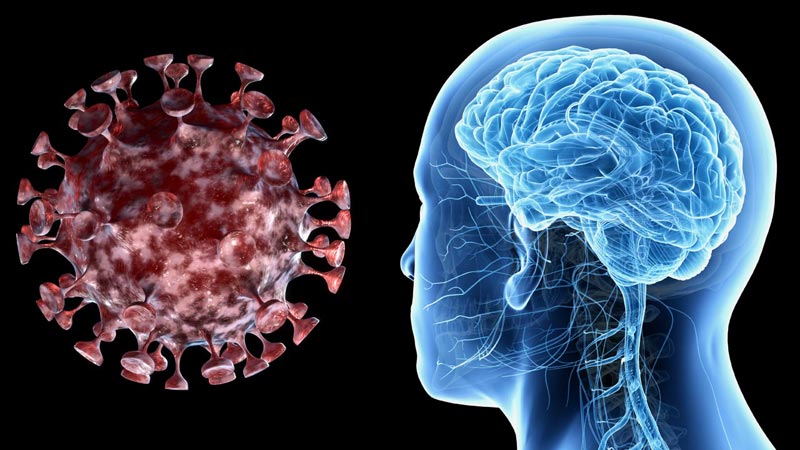
COVID-19 has touched each of us somehow. Many now recognize that caring for our mental health is as essential as addressing the virus if we are to emerge stronger, more connected and more resilient. The Ancient Greeks said “know thyself” to live soundly, but it is only now that we have the technology to start…
Read MoreAir Force announces research platform to harness closed-loop neurotechnology and accelerate learning “on the fly”
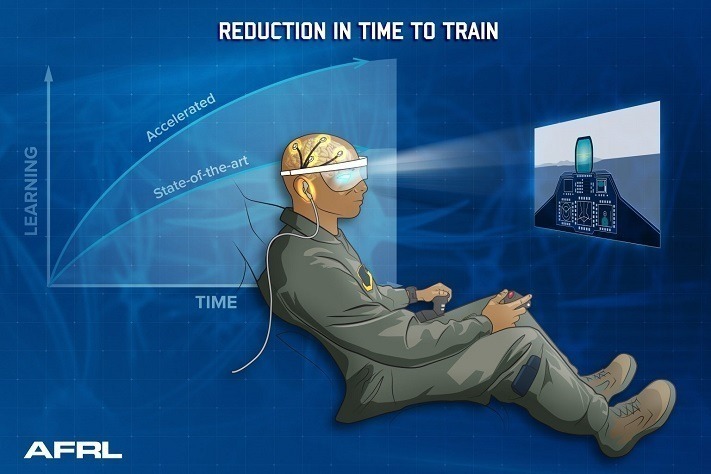
Air Force Neurotechnology Partnership Aims to Accelerate Learning (Military Spot): The Individualized Neural Learning System, or iNeuraLS, is a new augmented learning platform that will enable rapid learning by closed-loop modulation of cognitive states during skill acquisition. Essentially, the AFRL team seeks to develop a capability that will give Airmen the ability to rapidly acquire knowledge…
Read MoreA limerick a day hopefully keeps the neurologist away
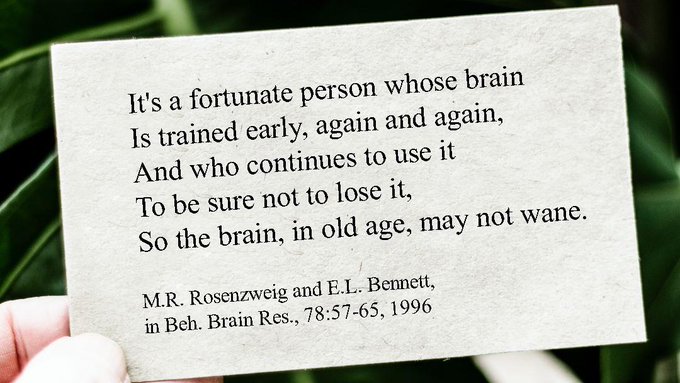
– Hat tip to Barbara Arrowsmith-Young Mark Rosenzweig’s classic 1996 paper on neuroplasticity: Psychobiology of plasticity: effects of training and experience on brain and behavior (Behavioural Brain Research): Abstract: Supporting Hebb’s 1949 hypothesis of use-induced plasticity of the nervous system, our group found in the 1960s that training or differential experience induced neurochemical changes in cerebral…
Read MoreUpdate: Four tips to practice good mental hygiene during the coronavirus outbreak
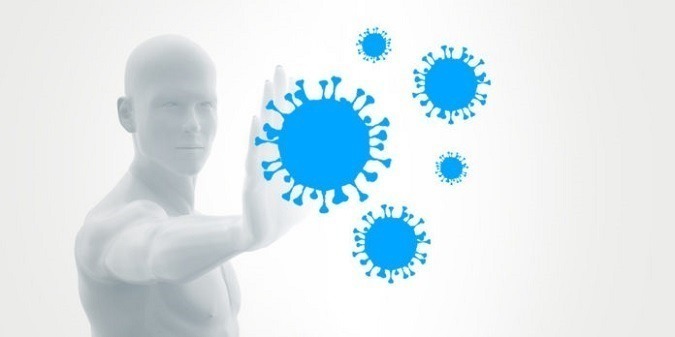
__ Time for a new edition of SharpBrains’ e‑newsletter, featuring this time 14 timely news and resources for mental health and brain health innovation. First of all, let’s remain safe, healthy, and centered during the current health crisis by following these tips provided by the Greater Good Science Center at UC Berkeley: 1. Stay calm and…
Read MoreDoes music facilitate or impair cognitive task performance? It depends…
__ Does Music Boost Your Cognitive Performance? (Scientific American): “Music makes life better in so many ways. It elevates mood, reduces stress and eases pain. Music is heart-healthy, because it can lower blood pressure, reduce heart rate and decrease stress hormones in the blood. It also connects us with others and enhances social bonds. Music…
Read MoreHappy New Year and Happy New Decade!

___ Plus, if you’re still looking for New Year Resolutions, here you can find a few great ideas :-)
Read More