Sharp Brains: Brain Fitness and Cognitive Health News

Neuroplasticity, Brain Fitness and Cognitive Health News

The human resources frontier: enhancing wellness and productivity via better brain health

Employee-benefitsEmploy­ers turn­ing to ‘brain health’ tools to reduce stress, increase pro­duc­tiv­ity (HR.BLR.com):
“Brain health is not just about dis­ease. It’s not just about depres­sion or anx­i­ety,” says Read the rest of this entry »

Top 10 Brain Training Trends — Putting our Cognitive Reserve to Work

Yes­ter­day I had the chance to chat with Yaakov Stern, lead­ing Cog­ni­tive Reserve researcher at Colum­bia Uni­ver­sity, and then with a group of 25 life­long learn­ers in Ari­zona who attended a brain fit­ness class (hello, Robert and friends!) based on our con­sumer guide The Sharp­Brains Guide to Brain Fit­ness. On reflec­tion, I found both con­ver­sa­tions to be very stim­u­lat­ing for the same rea­son: they were forward-looking, focused not so much on sta­tus quo but on how emerg­ing research, tech­nol­ogy and trends may impact our soci­ety and lives in years to come. Let’s con­tinue the con­ver­sa­tion. Let me share the 10 main trends that we analyzed/ fore­casted in our book, and then ask you, sharp read­ers, to add your own 2 cents to the dis­cus­sion. Read the rest of this entry »

The Brain Advantage: Train your Autopilot…and how to turn it off

(Editor’s Note: as part of our Author Speaks Series, you can enjoy below a stim­u­lat­ing excerpt from the new book The Brain Advan­tage: Become a More Effec­tive Busi­ness Leader Using the Lat­est Brain Research).brain_cv

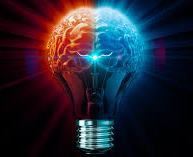
Brain-imaging tech­niques allow researchers to wit­ness the brain’s activ­ity reflected in a rain­bow of col­ors on a com­puter screen. When brain cells are highly active ”work­ing harder” the result shows up as brighter col­ors on the com­puter screen. Bril­liant reds and yel­lows indi­cate brain areas that are most active. In con­trast, the blues and greens on a scan show a qui­eter, less active brain.

What would we expect to find if we exam­ined the brain scans of peo­ple with high ver­sus aver­age IQ scores? We might pic­ture the active brain of an Ein­stein as a hotbed of smol­der­ing col­ors ”but we’d be wrong. Neu­rol­o­gist Richard Restak sum­ma­rized a UCLA study that com­pared indi­vid­u­als with high IQs to those with aver­age IQs. Restak wrote, The researchers started off with the seem­ingly rea­son­able idea that ‘smarter brains work harder, gen­er­ate more energy, and con­sume more glu­cose. Like light bulbs, the brains of bright peo­ple were expected to illu­mi­nate more intensely than those of dimwits with a reduced wattage.  What they dis­cov­ered instead was exactly the oppo­site. Higher IQ peo­ple had cooler, more sub­dued brain scans “while their less intel­lec­tu­ally gifted coun­ter­parts lit up like minia­ture Christ­mas trees..

Why would smarter brains work less hard? Read the rest of this entry »

Distracted in the Workplace? Meet Maggie Jackson’s Book (Part 2 of 2)

Today we con­tinue the con­ver­sa­tion with Mag­gie Jack­son, author of Dis­tracted: The Ero­sion of Atten­tion and the Com­ing Dark Age.

You can read part 1 here.

Q — In your Har­vard Man­age­ment Update inter­view, you said that “When what we pay atten­tion to is dri­ven by the last email we received, the triv­ial and the cru­cial occupy the same plane.” As well, it seems to be that a prob­lem is our culture’s over-idealization of “always on” and “road war­rior” habits, which dis­tract from the impor­tance of exec­u­tive func­tions such as pay­ing atten­tion to one’s envi­ron­ment, set­ting up goals and plans, exe­cut­ing on them, mea­sur­ing results, and inter­nal­iz­ing learn­ing. How can com­pa­nies bet­ter equip their employ­ees for future suc­cess? Can you offer some exam­ples of com­pa­nies who have pos­i­tive cul­tures that encour­age and reward employ­ees fully put their frontal lobes into good use?

A.  As I men­tioned above, we are work­ing and liv­ing in ways that under­mine our abil­ity to strate­gize, focus, reflect, inno­vate. Skim­ming, mul­ti­task­ing and speed all have a place in 21st-century life. But we can’t let go of deeper skills of focus and think­ing and relat­ing, or we’ll cre­ate a soci­ety of mis­un­der­stand­ing and shal­low thinking.

To cre­ate work­places that fos­ter strate­gic think­ing, deep social con­nec­tion and inno­va­tion, we need to take three steps:

First, ques­tion the val­ues that ven­er­ate McThink­ing and under­mine atten­tion. Recently, my morn­ing paper car­ried a front-page story about efforts in an age of impa­tience to cre­ate a quick-boot com­puter. It’s ridicu­lous to ask peo­ple to wait a cou­ple of min­utes to start up their com­puter, explained one tech exec­u­tive. The first hand up in the class­room, the hyper business-man or woman who can’t sit still, much less lis­ten  these are icons of suc­cess in Amer­i­can soci­ety. Still, many of us are begin­ning to ques­tion our ado­ra­tion of instant grat­i­fi­ca­tion and hyper-mobility.

Sec­ond, we need to set the stage for focus indi­vid­u­ally and col­lec­tively by rewrit­ing our cli­mate of dis­trac­tion and inat­ten­tion. To help, some com­pa­nies and busi­ness lead­ers are exper­i­ment­ing with white space the cre­ation of phys­i­cal spaces or times on the cal­en­dar for unin­ter­rupted, unwired think­ing and Read the rest of this entry »

Newsletter: Navigating Games for Health and Education

Here you have the twice-a-month newslet­ter with our most pop­u­lar blog posts. Please brain fitness and health newsletterremem­ber that you can sub­scribe to receive this Newslet­ter by email, sim­ply by sub­mit­ting your email at the top of this page.

Quick, Are videogames good or bad?

That’s an impos­si­ble ques­tion. Good or bad for what? What  spe­cific games are we talk­ing about? More impor­tantly, what are they sub­sti­tut­ing for, given time is a lim­ited resource?  Con­trib­u­tor Jeremy Adam Smith, man­ag­ing direc­tor of Greater Good mag­a­zine, offers an in-depth review on the trade-offs videogames present in: Play­ing the Blame Game.

News Round-Up

Math Inno­va­tion in UK Schools: a recent (and unpub­lished) study seems to sup­port the poten­tial role for “Seri­ous Games” in edu­ca­tion. Learn­ing and Teach­ing Scot­land reports sig­nif­i­cant improve­ments in pupils’ con­cen­tra­tion and behav­ior, on top of math skills, after using Nin­tendo Brain Train­ing game.

Alzheimer’s Aus­tralia endorses Posit Sci­ence pro­grams: this announce­ment brings to sur­face a gen­uine pub­lic health dilemma — do you, as an asso­ci­a­tion, pro­mote pro­grams before they have been shown to have long-term effects on Alzheimer’s pro­gres­sion and preva­lence, or do you wait until you have “per­fect” research, and then per­haps lose 10–20-30 years or use­ful con­tri­bu­tion to thousands/ mil­lions of brain’s Cog­ni­tive Reserves? In our judg­ment, it may well be worth offer­ing options today, as long as they are accom­pa­nied by inde­pen­dent mea­sure­ment of the cog­ni­tive benefits.

More Sep­tem­ber News: Sep­tem­ber has brought a wealth of addi­tional world­wide media cov­er­age on cog­ni­tive health and brain fit­ness top­ics, includ­ing the role of schools in nur­tur­ing student’s exec­u­tive func­tions, the impor­tance of base­line neu­ropsy­cho­log­i­cal test­ing in sports, the need for geron­tol­ogy as a dis­ci­pline to incor­po­rate brain research, how walk­ing can enhance brain func­tion, and the value of brain fit­ness pro­grams for long-term care operators.

Resources for Brain Fit­ness Navigation

Well­ness Coach­ing for Brain Health and Fit­ness: will Well­ness Coaches expand their role and become “Brain coaches”? We have part­nered with Sut­ter Health Part­ners, the pio­neer­ing coach­ing group of a major health sys­tem, to train their well­ness coaches on the impli­ca­tions of emerg­ing brain research for their work: focus on the 4 pil­lars of brain health –bal­anced nutri­tion, phys­i­cal exer­cise, stress man­age­ment and men­tal exer­cise.

Eval­u­a­tion Check­list for Orga­ni­za­tions: many health­care and edu­ca­tion orga­ni­za­tions are already mak­ing pur­chase deci­sions which involve eval­u­at­ing dif­fer­ent pro­grams that make “brain train­ing” or “cog­ni­tive health” claims. Here we present our 10-Question Sharp­Brains Check­list to help orga­ni­za­tions make informed decisions.

Eval­u­a­tion Check­list for Con­sumers: if you are an indi­vid­ual inter­ested in pro­grams for your­self and/ or a loved one, you can use this check­list. The start­ing point is to rec­og­nize that no pro­gram is a “magic pill” or “gen­eral solu­tion”, but a tool to be used in the appro­pri­ate context.

Learn­ing to Lead, and To Think

Round­table on Human Resources and Lead­er­ship: sev­eral blog­gers dis­cuss lat­est news around lead­er­ship, social intel­li­gence, appli­ca­tions of brain research, and more.

Help­ing Young and Old Fish Learn How To Think: David Fos­ter Wal­lace gave a mas­ter­ful com­mence­ment speech on Life and Work to the 2005 grad­u­at­ing  class at Kenyon Col­lege.  Worth read­ing, with full attention.

Brain Teasers

Seven Brain teasers for Job Inter­views: A recent CNN arti­cle explains why a grow­ing num­ber of tech­nol­ogy and con­sult­ing com­pa­nies use brain teasers and logic puz­zles of a type called “guessti­ma­tions” dur­ing job inter­views. What are they look­ing for? Good exec­u­tive func­tions. Here you have a few typ­i­cal questions.

Enjoy!

Wellness Coaching for Brain Health and Fitness

We just received this quote of how a major health sys­tem is using our Brain Fit­ness Mar­ket Report:

At Sut­ter Health Part­ners we rec­og­nize the impor­tance of brain health and how much the health of the brain and the body are inter­de­pen­dent.  The mar­ket report helped us fur­ther tar­get our coach­ing efforts to inte­grate brain fit­ness and upgrade our entire coach­ing plat­form.  It is easy to read and gives you the indus­try per­spec­tive in a thor­ough yet con­cise man­ner.  I highly rec­om­mend it!”

– Mar­garet Sabin, CEO of Sut­ter Health Part­ners and VP, New Prod­uct Devel­op­ment, at Sut­ter Health.

You may won­der, “what is the link between  well­ness coach­ing and brain fitness”?

In prac­tice, good health and well­ness coaches pro­vide excel­lent brain health advice, given that the areas they focus on (nutri­tion, phys­i­cal exer­cise, stress man­age­ment) do play an impor­tant role in main­tain­ing our brains in top shape.

Addi­tion­ally, pio­neers  such as Sut­ter Health Part­ners are adding a Brain “lens” to their work. How?

First, by bet­ter under­stand­ing and explain­ing the brain ben­e­fits of what they already do, in order to pro­vide addi­tional moti­va­tion to stick with healthy behav­iors. For exam­ple, most peo­ple will be able to recite mul­ti­ple ben­e­fits of mod­er­ate car­dio­vas­cu­lar exer­cise. But how many know  that it can also con­tribute to neu­ro­ge­n­e­sis –the cre­ation of new neu­rons — in adult brains?

Sec­ond, by start­ing to offer brain fit­ness guide­lines to clients who want too go beyond cross­word puz­zles and sudoku.

I had a great train­ing ses­sion with a num­ber of Sut­ter Health coaches last week — let me sum­ma­rize some of the main points we cov­ered. Read the rest of this entry »

Carnival of Human Resources and Leadership

Wel­come to the Sep­tem­ber 17th edi­tion of the Car­ni­val of Human Resources, the vir­tual gath­er­ing, every other week, of blog­gers focused on Human Resources and Lead­er­ship topics.

Let’s imag­ine all par­tic­i­pants in a con­fer­ence room, con­duct­ing a lively Q&A brown-bag lunch discussion.

Q: Can you teach Lead­er­ship in a class­room?
- Wally: Not really. Nei­ther the per­son who aspires to become a leader nor HR depart­ments should see lead­er­ship devel­op­ment as an activ­ity to be out­sourced to a class­room set­ting. Lead­er­ship is a life­long appren­tice trade, led by the learner himself/ her­self. The most HR depart­ments can do is to archi­tect the right set of expe­ri­ences to enable/ accel­er­ate that development.

Q: Can you teach Social Intel­li­gence in a class­room?
- Jon: Accord­ing to a recent Har­vard Busi­ness Review arti­cle, not really. Daniel Gole­man and Richard Boy­atzis say that “our brains engage in an emo­tional tango, a dance of feel­ings”. And you learn Tango by, well, danc­ing Tango. Gole­man and Boy­atzis add that “Lead­ing effec­tively is about devel­op­ing a gen­uine inter­est in and tal­ent for fos­ter­ing pos­i­tive feel­ings in the peo­ple whose coop­er­a­tion and sup­port you need.”

Q: Can you pro­vide an exam­ple of apply­ing social intel­li­gence in the work­place, and train­ing on-the-job?
- Suzanne: Sure. Learn to appre­ci­ate your front line employ­ees. They are the ones who inter­act with cus­tomers every day — which some com­pa­nies seem to ignore at their peril.
- Denise: another oneWhat can you do when your team falls apart while you’re gone?.

Q: How can you gen­er­ate pos­i­tive feel­ings, when some­times we get stuck in bad news and con­stant quarter-by-quarter pres­sures?
- Anna: Adding much needed per­spec­tive. Please note: Read the rest of this entry »

Top Articles on Brain Health and Neuroplasticity

  1. Debunk­ing 10 com­mon brain fit­ness myths, by Alvaro Fernandez
  2. Brain plas­tic­ity: How learn­ing changes your brain, by Pas­cale Michelon
  3. 8 Tips To Remem­ber What You Read, by Bill Klemm
  4. Why do You Turn Down the Radio When You’re Lost?, by Car­o­line Latham
  5. Retool­ing Brain Care With Low-Cost, Data-Driven Tech­nolo­gies, by Alvaro Fernandez
  6. Do you believe these neu­romyths?, by SharpBrains
  7. Six tips to build resilience and pre­vent brain-damaging stress, by SharpBrains
  8. Does cog­ni­tive train­ing work? (For Whom? For What?), by Pas­cale Michelon
  9. The Emo­tional Life of Your Brain, by by Richard David­son, Sharon Begley
  10. To Be (Your Con­nec­tome), or Not to Be (Your Genome), by Sebas­t­ian Seung
  11. Top 10 Brain Fit­ness Future Trends, by Alvaro Fernandez
  12. Biofeed­back now a “Level 1 — Best Sup­port” Inter­ven­tion for ADHD, by SharpBrains
  13. When 1 + 1 = 5: Dyscal­cu­lia and Work­ing Mem­ory, by Tracy Alloway
  14. Train­ing Atten­tion and Emo­tional Self-Regulation — Inter­view with Michael Pos­ner, by Alvaro Fernandez
  15. The Ten Habits of Highly Effec­tive Brains, by Alvaro Fernandez
  16. Does brain train­ing work? Yes, if it meets these 5 con­di­tions, by SharpBrains
  17. Cog­ni­tive ther­apy or med­ica­tion? Brain scans may help per­son­al­ize treat­ments, by SharpBrains
  18. New Study shows Teens with ADHD helped by Cog­ni­tive Behav­ioral Ther­apy, by David Rabiner
  19. How Do Words Change Our Brains and Lives?, by Andrew New­berg, Mark Waldman
  20. BBC “Brain Train­ing” Exper­i­ment: the Good, the Bad, the Ugly, by Alvaro Fernandez
  21. From Anti-Alzheimer’s “Magic Bul­lets” to True Brain Health, by Alvaro Fer­nan­dez, Peter Whitehouse
  22. Why Agile Minds Deploy Both Ratio­nal and Intu­itive Problem-Solving, by Judith Tingley
  23. Why I Wrote The Woman Who Changed Her Brain, by Bar­bara Arrowsmith-Young
  24. The Busi­ness and Ethics of the Brain Fit­ness Boom, by Alvaro Fernandez
  25. Break­ing Down the Cog­ni­tion & Alzheimer’s Dis­ease Alpha­bet Soup, by Dharma Singh Khalsa
  26. Top 10 Quotes on Life­long Neu­ro­plas­tic­ity, by Alvaro Fernandez
  27. To Har­ness Neu­ro­plas­tic­ity, Start with Enthu­si­asm, by Helena Popovic
  28. Q&A with Yaakov Stern on Brain Reserve, Exer­cise, Cog­ni­tive Train­ing, Angry Birds, by Alvaro Fernandez
  29. Eval­u­a­tion Check­list for Brain Fit­ness prod­ucts and games, by Alvaro Fernandez
  30. Mind­ful­ness and Med­i­ta­tion in Schools for Stress Man­age­ment, by Jill Sutie
  31. Stress and Neural Wreck­age: Part of the Brain Plas­tic­ity Puz­zle, by Gre­gory Kellet
  32. Cog­ni­tive and Emo­tional Devel­op­ment Through Play, by David Elkind
  33. AARP’s Brain Fit­ness Best Books List, by SharpBrains
  34. Judith Beck: Train Your Brain to Think Like a Thin Per­son, by Alvaro Fernandez
  35. Improve Mem­ory with Sleep, Prac­tice, and Test­ing, by Bill Klemm
  36. 10 Brain Tips To Teach and Learn, by Lau­rie Bartels
  37. Dr. Elkhonon Gold­berg on Cog­ni­tive Train­ing and Brain Fit­ness, by Alvaro Fernandez
  38. Mind­ful­ness Med­i­ta­tion for Adults & Teens with ADHD, by David Rabiner
  39. Phys­i­cal Exer­cise and Brain Health, by Pas­cale Michelon
  40. Sleep, Tetris, Mem­ory and the Brain, by Shan­non Moffet

Welcome to SharpBrains.com

As seen in The New York Times, The Wall Street Jour­nal, CNN and more, Sharp­Brains is an inde­pen­dent mar­ket research and think tank track­ing health and well-being appli­ca­tions of brain science.

Watch 2013 SharpBrains Summit Tutorial (3 minutes)

Summit_videocover

Register Now at Discounted Rates

2013 SharpBrains Summit
Enter Your Email and Sub­scribe to our free Monthly eNewslet­ter:
Join more than 40,000 Sub­scribers and stay informed and engaged.

Follow Us Via…

twitter_logo_header