Sharp Brains: Brain Fitness and Cognitive Health News

Neuroplasticity, Brain Fitness and Cognitive Health News

Calisthenics and Brain Games for a Child’s Mind
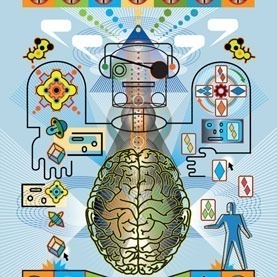
calisthenics-for-a-childs-mind_1Brain Games Aim to Make Kids Smarter (SciAm Mind, requires sub­scrip­tion):
“Sci­en­tists have con­cocted men­tal fit­ness reg­i­mens to strengthen weak think­ing skills in students—in effect, mak­ing kids smarter…Psychologists have long believed that think­ing capac­i­ties such as atten­tion, mem­ory and rea­son­ing were fixed, but Read the rest of this entry »

From Distress to De-Stress: helping anxious, worried kids (Part 2 of 2)

Last week, in this article’s first part, we dis­cussed the impor­tance of actu­ally teach­ing chil­dren how to get them­selves into a phys­i­cal state of being relaxed, explored sev­eral sug­ges­tions I hope you found useful.

Let’s con­tinue.

Teach­ers can help stu­dent over­come stress by teach­ing them to iden­tify the imped­i­ments they might encounter in doing a cer­tain task.

The teacher can ask:

What’s going to get in the way of you doing this work?
He or she may have to jump-start the stu­dents think­ing by sug­gest­ing such things as:
– com­pet­ing events (fam­ily activ­i­ties, friends call, IM-ing, new video game, etc.)
– lack of ade­quate place to study
– inad­e­quate prior prepa­ra­tion or skills
– a neg­a­tive atti­tude (this is not nec­es­sary, I can’t do math, I’ll never need to know this, etc).
– health fac­tors (I’m sick; I’m tired)

Con­versely, teach­ers have to teach stu­dents to iden­tify the enhancers; What’s going to make it more likely that you will do this, and do this well?
(exam­ples)
– I have con­fi­dence in my abil­ity
– I feel com­pe­tent in this skill
– I am com­mit­ted to learn­ing this because: I have the nec­es­sary resources to com­plete this task, such as mate­ri­als, sources of infor­ma­tion, peo­ple sup­ports; par­ents, tutor, other kids

Teach­ers can turn dis­tress into de-stress by using the Lan­guage of Success

The key is to de-emphasize PRAISE and empha­size SELF-APPRAISAL.

Teach­ers can encour­age self-evaluation by Read the rest of this entry »

From Distress to De-Stress: helping anxious, worried kids (Part 1 of 2)

Teach­ing kids how to relax.

Con­sider this vignette:

–Rox­anne: (agi­tated and loudly) I can’t stand this freakin book!

–Teacher: Rox­anne, you need to take it easy. Just calm down! Try to relax.You need to fin­ish your reading.

–Rox­anne: (to her­self) Right easy for you to say, teacher. But very hard for me to do. What do you mean calm down? I feel like my head is going to explode.

–Teacher: (see­ing no response) Well if you can’t set­tle down, maybe a trip to the office will help you!

Some kids are so agi­tated that even if they know how to relax, they can’t. If you think about it, calm­ing down when you’re upset is the hard­est time to do it! Other kids can’t calm down or relax because they don’t know what that feels like. Teach­ers, occu­pa­tional ther­a­pists, phys­i­cal edu­ca­tion teach­ers and par­ents need to actu­ally teach chil­dren (of all ages) how to get them­selves into a phys­i­cal state of being relaxed. This doesn’t hap­pen auto­mat­i­cally. If it did, there wouldn’t be so many adult yoga classes!

Set­ting the men­tal and emo­tional stage for success.

Teach­ers who want to reduce stress and increase learn­ing know that get­ting kids into a pos­i­tive mind­set will do both. They say Read the rest of this entry »

Top Articles on Brain, Cognition and Neuroplasticity

  1. Do you believe these neu­romyths?, by SharpBrains
  2. Brain Plas­tic­ity: How learn­ing changes your brain, by Pas­cale Michelon
  3. In the Age of Google, Should Schools Teach Mem­o­riza­tion Skills?, by Bill Klemm
  4. Does cog­ni­tive train­ing work? (For Whom? For What?), by Pas­cale Michelon
  5. The Emo­tional Life of Your Brain, by by Richard David­son, Sharon Begley
  6. Cur­rent State of the Sci­ence behind Neu­ro­feed­back Treat­ment for ADHD, by David Rabiner
  7. To Be (Your Con­nec­tome), or Not to Be (Your Genome), by Sebas­t­ian Seung
  8. Top 10 Brain Fit­ness Future Trends, by Alvaro Fernandez
  9. Biofeed­back now a “Level 1 — Best Sup­port” Inter­ven­tion for ADHD, by SharpBrains
  10. When 1 + 1 = 5: Dyscal­cu­lia and Work­ing Mem­ory, by Tracy Alloway
  11. Train­ing Atten­tion and Emo­tional Self-Regulation — Inter­view with Michael Pos­ner, by Alvaro Fernandez
  12. The Ten Habits of Highly Effec­tive Brains, by Alvaro Fernandez
  13. Why do You Turn Down the Radio When You’re Lost?, by Car­o­line Latham
  14. Brain fit­ness Q&A: Mem­ory, stress, emo­tions, by Alvaro Fernandez
  15. Cog­ni­tive ther­apy or med­ica­tion? Brain scans may help per­son­al­ize treat­ments, by SharpBrains
  16. New Study shows Teens with ADHD helped by Cog­ni­tive Behav­ioral Ther­apy, by David Rabiner
  17. How Do Words Change Our Brains and Lives?, by Andrew New­berg, Mark Waldman
  18. BBC “Brain Train­ing” Exper­i­ment: the Good, the Bad, the Ugly, by Alvaro Fernandez
  19. Sci­en­tific cri­tique of BBC/ Nature Brain Train­ing Exper­i­ment, by Liz Zelinski
  20. From Anti-Alzheimer’s “Magic Bul­lets” to True Brain Health, by Alvaro Fer­nan­dez, Peter Whitehouse
  21. Why Agile Minds Deploy Both Ratio­nal and Intu­itive Problem-Solving, by Judith Tingley
  22. Why I Wrote The Woman Who Changed Her Brain, by Bar­bara Arrowsmith-Young
  23. The Busi­ness and Ethics of the Brain Fit­ness Boom, by Alvaro Fernandez
  24. Break­ing Down the Cog­ni­tion & Alzheimer’s Dis­ease Alpha­bet Soup, by Dharma Singh Khalsa
  25. Top 10 Quotes on Life­long Neu­ro­plas­tic­ity, by Alvaro Fernandez
  26. To Har­ness Neu­ro­plas­tic­ity, Start with Enthu­si­asm, by Helena Popovic
  27. Q&A with Yaakov Stern on Brain Reserve, Exer­cise, Cog­ni­tive Train­ing, Angry Birds, by Alvaro Fernandez
  28. It is Not Only Cars That Deserve Good Main­te­nance: Brain Care 101, by Alvaro Fernandez
  29. Eval­u­a­tion Check­list for Brain Fit­ness prod­ucts and games, by Alvaro Fernandez
  30. Mind­ful­ness and Med­i­ta­tion in Schools for Stress Man­age­ment, by Jill Sutie
  31. Stress and Neural Wreck­age: Part of the Brain Plas­tic­ity Puz­zle, by Gre­gory Kellet
  32. Cog­ni­tive and Emo­tional Devel­op­ment Through Play, by David Elkind
  33. AARP’s Brain Fit­ness Best Books List, by SharpBrains
  34. Judith Beck: Train Your Brain to Think Like a Thin Per­son, by Alvaro Fernandez
  35. Improve Mem­ory with Sleep, Prac­tice, and Test­ing, by Bill Klemm
  36. 10 Brain Tips To Teach and Learn, by Lau­rie Bartels
  37. Dr. Elkhonon Gold­berg on Cog­ni­tive Train­ing and Brain Fit­ness, by Alvaro Fernandez
  38. Mind­ful­ness Med­i­ta­tion for Adults & Teens with ADHD, by David Rabiner
  39. Phys­i­cal Exer­cise and Brain Health, by Pas­cale Michelon
  40. Sleep, Tetris, Mem­ory and the Brain, by Shan­non Moffet

Welcome to SharpBrains.com

As seen in The New York Times, The Wall Street Jour­nal, CNN and more, Sharp­Brains is an inde­pen­dent mar­ket research and think tank track­ing health, edu­ca­tion, and pro­duc­tiv­ity appli­ca­tions of neuroscience.

Register Now at Discounted Rates

2013 SharpBrains Summit

Watch 10 Predictions on Digital Brain Health in 2013 (3 minutes)

Cover_video
Enter Your Email and Sub­scribe to our free Monthly eNewslet­ter:
Join more than 40,000 Sub­scribers and stay informed and engaged.

Follow Us Via…

twitter_logo_header