Sharp Brains: Brain Fitness and Cognitive Health News

Neuroplasticity, Brain Fitness and Cognitive Health News

Biofeedback is a “Level 1 — Best Support” Intervention for Attention and Hyperactivity Behaviors

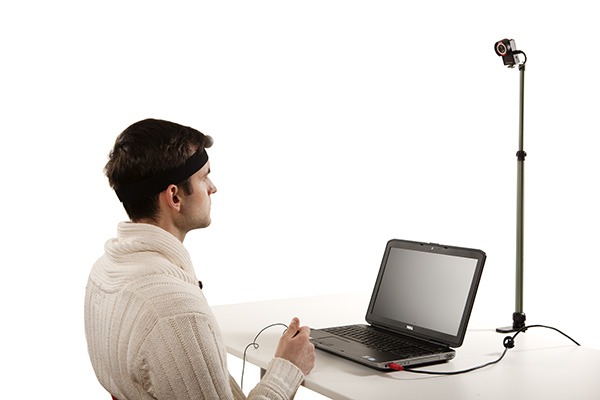
Evidence-based Child and Ado­les­cent Psycho-social Inter­ven­tionsAs we announced last Octo­ber, Prac­tice­Wise, the com­pany that main­tains the Amer­i­can Acad­emy of Pedi­atrics “Evidence-based Child and Ado­les­cent Psycho-social Inter­ven­tions,” has ele­vated biofeed­back to “Level 1 — Best Sup­port” as an inter­ven­tion for Atten­tion & Hyper­ac­tiv­ity Behav­iors. Work­ing Mem­ory Train­ing stays at Level 2. It is impor­tant to note that those lev­els do not con­trast effect sizes or clin­i­cal effi­cacy per se, but qual­ity and over­all direc­tion of under­ly­ing research.

To check out the cur­rent edi­tion of the report: click HERERead the rest of this entry »

Biofeedback now a “Level 1 — Best Support” Intervention for Attention & Hyperactivity Behaviors

biofeedback and hyperactivityPrac­tice­Wise, the com­pany that main­tains the Amer­i­can Acad­emy of Pedi­atrics “Evidence-based Child and Ado­les­cent Psycho-social Inter­ven­tions” (see cur­rent edi­tion here) has just announced it will ele­vate biofeed­back to “Level 1 — Best Sup­port” as an inter­ven­tion for Atten­tion & Hyper­ac­tiv­ity Behav­iors in the next edi­tion. Work­ing Mem­ory Train­ing Read the rest of this entry »

Research: Cognitive Behaviour Therapy Helps Adults with ADHD

Many adults with ADHD do not obtain their diag­no­sis until adult­hood and have strug­gled with dif­fi­cul­ties related to undi­ag­nosed ADHD for their entire lives. As doc­u­mented in recent stud­ies, this includes ele­vated rates of depres­sion, anx­i­ety dis­or­ders, sub­stance use, work dif­fi­cul­ties and inter­per­sonal problems.

As with chil­dren and ado­les­cents, med­ica­tion treat­ment for adults with ADHD can be quite help­ful, espe­cially for reduc­ing core ADHD symp­toms of inat­ten­tion and hyperactivity/impulsivity.  How­ever, Read the rest of this entry »

Comparing Working Memory Training & Medication Treatment for ADHD

Work­ing mem­ory (WM) is the cog­ni­tive sys­tem respon­si­ble for the tem­po­rary stor­age and manip­u­la­tion of infor­ma­tion and plays an impor­tant role in both learn­ing and focus­ing atten­tion. Con­sid­er­able research has doc­u­mented that many chil­dren and adults with ADHD have WM deficits and that this con­tributes to dif­fi­cul­ties asso­ci­ated with the dis­or­der. For an excel­lent intro­duc­tion to the role of WM deficits in ADHD, click here.

A sim­ple exam­ple illus­trates the impor­tance of WM for par­tic­u­lar aca­d­e­mic tasks. Try adding 3 and 9 in your head. That was prob­a­bly easy for you. Now try­ing adding 33 and 99. That was prob­a­bly more dif­fi­cult. Finally, try adding 333 and 999. This is quite chal­leng­ing for most adults even though each cal­cu­la­tion required is triv­ially easy. The chal­lenge occurred because you need to store infor­ma­tion — the sum of 3+9 in the one’s col­umn and then ten’s col­umn — as you process the remain­ing part of the prob­lem, i.e., 3+9 in the hundred’s col­umn, and this taxed your WM. If your WM capac­ity was exceeded, you could not com­plete the prob­lem successfully.

This sim­ple prob­lem also illus­trates the dif­fer­ence between short-term mem­ory (STM) and WM. Short-term mem­ory sim­ply involves retain­ing infor­ma­tion in mind for short peri­ods of time, e.g., remem­ber­ing that the prob­lem you need to solve is 333+999. Work­ing mem­ory, in con­trast, involves men­tally manip­u­lat­ing — or ‘work­ing’ with — retained infor­ma­tion and comes into play in a wide range of learn­ing activ­i­ties. For exam­ple, to answer ques­tions about a sci­ence chap­ter, a child not only has to cor­rectly retain fac­tual infor­ma­tion but must men­tally work with that infor­ma­tion to answer ques­tions about it. Thus, when a child’s WM capac­ity is low rel­a­tive to peers, aca­d­e­mic per­for­mance is likely to be com­pro­mised in mul­ti­ple areas.

Because WM deficits play an impor­tant role in the strug­gles expe­ri­enced by many indi­vid­u­als with ADHD, it is impor­tant to con­sider how dif­fer­ent inter­ven­tions address this aspect of the dis­or­der. In this study, the authors were inter­ested in com­par­ing the impact of Work­ing Mem­ory Train­ing and stim­u­lant med­ica­tion treat­ment on the WM per­for­mance of chil­dren diag­nosed with ADHD.

Par­tic­i­pants were 25 8–11 year-old chil­dren with ADHD (21 boy and 4 girls) who were Placebo effect, mind hacksbeing treated with stim­u­lant med­ica­tion. Children’s mem­ory per­for­mance was assessed on 4 occa­sions using the Auto­mated Work­ing Mem­ory Assess­ment (AWMA), a com­put­er­ized test that mea­sures ver­bal short-term mem­ory, ver­bal work­ing mem­ory, visuo-spatial short-term mem­ory, and visuo-spatial work­ing memory.

At time 1, the assess­ment was con­ducted when chil­dren had been off med­ica­tion for at least 24 hours. The sec­ond assess­ment occurred an aver­age of 5 months later and when chil­dren were on med­ica­tion. The third assess­ment occurred after chil­dren had com­pleted 5 weeks of Cogmed Work­ing Mem­ory Train­ing using the stan­dard train­ing pro­to­col (see below). The final assess­ment occurred approx­i­mately 6 months after train­ing had ended. This design enabled the researchers to make the fol­low­ing comparisons:

- WM per­for­mance on med­ica­tion vs. off med­ica­tion (T1 vs T2)
– WM per­for­mance on med­ica­tion vs. after train­ing (T2 vs. T3)
– WM per­for­mance imme­di­ately after train­ing ended vs. 6 months fol­low­ing train­ing (T3 vs. T4)

This final com­par­i­son pro­vided infor­ma­tion on whether any ben­e­fits pro­vided by the train­ing had endured.

In addi­tion to mea­sur­ing STM and WM at each time point, mea­sures of IQ were col­lected at times 1, 2, and 3.

- Work­ing Mem­ory Train­ing -

WM train­ing was con­ducted using the stan­dard Cogmed train­ing pro­to­col with each child Cogmed working memory trainingcom­plet­ing 20–25 train­ing ses­sions within a 25 day period. The train­ing requires the stor­age and manip­u­la­tion of sequences of ver­bal, e.g., repeat­ing back a sequence of dig­its in reverse order, and/or visuo-spatial infor­ma­tion, e.g., recall­ing the loca­tion of objects on dif­fer­ent por­tions of the com­puter screen.

Dif­fi­culty level is cal­i­brated on a trial by trial basis so the child is always work­ing at a level that closely matches their per­for­mance. For exam­ple, if a child suc­cess­fully recalled three dig­its in reverse order, on the next trial he had to recall four. When a trial was failed, the next trial was made eas­ier by reduc­ing the num­ber of items to be recalled. This method of ‘adap­tive train­ing’ is thought to be a key ele­ment because it requires the child to ‘stretch’ their WM capac­ity to move through the program.

- Results -

- Impact of Short-Term Mem­ory and Work­ing Mem­ory -

Med­ica­tion vs. no med­ica­tion — When tested on med­ica­tion, Read the rest of this entry »

Brain Health News: Top Articles and Resources in March

There’s such a flood of very sig­nif­i­cant research stud­ies, edu­ca­tional resources and arti­cles related to brain health, it’s hard to keep track — even for us!

Let me intro­duce and quote some of the top Brain Health Stud­ies, Arti­cles and Resources pub­lished in March:

1) Cog­ni­tive Decline Begins In Late 20s, Study Sug­gests (Sci­ence Daily)

- “These pat­terns sug­gest that some types of men­tal flex­i­bil­ity decrease rel­a­tively early in adult­hood, but that how much knowl­edge one has, and the effec­tive­ness of inte­grat­ing it with one’s abil­i­ties, may increase through­out all of adult­hood if there are no patho­log­i­cal dis­eases,” Salt­house said.

- How­ever, Salt­house points out that there is a great deal of vari­ance from per­son to person

2) Cere­brum 2009: Emerg­ing Ideas in Brain Sci­ence — new book by the Dana Foun­da­tion that “explores the cut­ting edge of brain research and its impli­ca­tions in our every­day lives, in lan­guage under­stand­able to the gen­eral reader.”

A cou­ple of excel­lent chap­ters of direct rel­e­vance to everyone’s brain health are:
– Chap­ter 4: A Road Paved by Rea­son, by Eliz­a­beth Nor­ton Lasley

- Chap­ter 10: Neural Health: Is It Facil­i­tated by Work Force Par­tic­i­pa­tion?, by Denise Park, Ph.D

3) Stay­ing Sharp DVD Pro­gram: “Dr. Jor­dan Graf­man, chief of the Cog­ni­tive Neu­ro­science Sec­tion at the National Insti­tute of Neu­ro­log­i­cal Dis­or­ders and Stroke out­side of Wash­ing­ton, DC, and a mem­ber of the Dana Alliance for Brain Ini­tia­tives, is your guide as we cover what to expect from the aging brain and what we can do to ‘stay sharp.’

For a free DVD of this pro­gram you can con­tact stayingsharp@dana.org. (they say free in their web­site, I don’t know if that includes ship­ping & handling)

4) Dri­vers to be tested on cog­ni­tive abil­ity start­ing at age 75 (Japan Times)

The out­line of a cog­ni­tive test that dri­vers aged 75 or over will be required to take from June when renew­ing their licenses was released Thursday…The test is intended to reduce the num­ber of traf­fic acci­dents involv­ing elderly dri­vers by mea­sur­ing their cog­ni­tive level.

5) Phys­i­cal Fit­ness Improves Spa­tial Mem­ory, Increases Size Of Brain Struc­ture (Sci­ence Daily)

- “Now researchers have found that elderly adults who are more phys­i­cally fit tend to have big­ger hip­pocampi and bet­ter spa­tial mem­ory than those who are less fit.”

6) Brain Train­ers: A Work­out for the Mind (Sci­en­tific Amer­i­can Mind)

I recently tried out eight of the lat­est brain fit­ness pro­grams, train­ing with each for a week. The pro­grams ranged widely in focus, qual­ity and how fun they were to use. “Like phys­i­cal exer­cise equip­ment, a brain exer­cise pro­gram doesn’t do you any good if you don’t use it, says Andrew J. Carle, direc­tor of the Pro­gram in Assisted Living/Senior Hous­ing Admin­is­tra­tion at George Mason Uni­ver­sity. And peo­ple tend not to use bor­ing equip­ment. “I remem­ber when Nor­dic­Track was the biggest thing out there. Every­one ran out and bought one, and 90 per­cent of them ended up as a clothes rack in the back of your bedroom.

The reporter used: Posit Science’s Brain Fit­ness Pro­gram Clas­sic, Hap­pyNeu­ron, Nin­tendo BrainAge, CogniFit’s MindFit/ Cog­niFit Per­sonal Coach, Lumos­ity, MyBrain­Trainer, Brain­Twister, Cogmed Work­ing Mem­ory Training.

7) The Lat­est in Men­tal Health: Work­ing Out at the ‘Brain Gym’ (Wall Street Journal)

- “Mar­shall Kahn, an 82-year-old fam­ily doc­tor in Fuller­ton, Calif., says he got such a boost from brain exer­cises he started doing at a “Nifty after Fifty” club that he decided to start see­ing patients again part-time. “Doing all the men­tal exer­cise,” he says, “I real­ized I’ve still got it.”

8) Debate Over Drugs For ADHD Reignites (Wash­ing­ton Post)

- “New data from a large fed­eral study have reignited a debate over the effec­tive­ness of long-term drug treat­ment of chil­dren with hyper­ac­tiv­ity or attention-deficit dis­or­der, and have drawn accu­sa­tions that some mem­bers of the research team have sought to play down evi­dence that med­ica­tions do lit­tle good beyond 24 months.”

- “The study also indi­cated that long-term use of the drugs can stunt children’s growth.”

8) Adap­tive train­ing leads to sus­tained enhance­ment of poor work­ing mem­ory in chil­dren (Devel­op­men­tal Science)

Abstract: Work­ing mem­ory plays a cru­cial role in sup­port­ing learn­ing, with poor progress in read­ing and math­e­mat­ics char­ac­ter­iz­ing chil­dren with low mem­ory skills. This study inves­ti­gated whether these prob­lems can be over­come by a train­ing pro­gram designed to boost work­ing mem­ory. Chil­dren with low work­ing mem­ory skills were assessed on mea­sures of work­ing mem­ory, IQ and aca­d­e­mic attain­ment before and after train­ing on either adap­tive or non-adaptive ver­sions of the pro­gram. Adap­tive train­ing that taxed work­ing mem­ory to its lim­its was asso­ci­ated with sub­stan­tial and sus­tained gains in work­ing mem­ory, with age-appropriate lev­els achieved by the major­ity of chil­dren. Math­e­mat­i­cal abil­ity also improved sig­nif­i­cantly 6 months fol­low­ing adap­tive train­ing. These find­ings indi­cate that com­mon impair­ments in work­ing mem­ory and asso­ci­ated learn­ing dif­fi­cul­ties may be over­come with this behav­ioral treatment.

9) Brain cor­tex thin­ning linked to inher­ited depres­sion (Los Ange­les Times)

- “On aver­age, peo­ple with a fam­ily his­tory of depres­sion appear to have brains that are 28% thin­ner in the right cor­tex — the out­er­most layer of the brain — than those with no known fam­ily his­tory of the dis­ease. That cor­ti­cal thin­ning, said the researchers, is on a scale sim­i­lar to that seen in patients with Alzheimer’s dis­ease or schizophrenia.”

Attention Deficits At Work

We have all heard about chil­dren who have Atten­tion Deficit/Hyperactivity Dis­or­der (AD/HD). Indeed, this con­di­tion seems to affect 5 to 8% of school age chil­dren. Have you ever won­dered what hap­pen to these chil­dren? As many as 60% of them become adults pre­sent­ing AD/HD symp­toms! Ron de Graaf and col­leagues recently pub­lished a study in which they found that an aver­age of 3.5% of work­ers (in ten coun­tries) meet the cri­te­ria for adult ADHD. As you can imag­ine, being an adult with AD/HD can be a chal­lenge at work.

Before we explore this issue let’s start by describ­ing the symp­toms of ADHD.

What is adult AD/HD?

AD/HD is a dis­or­der of the brain. Research clearly indi­cates that AD/HD is to a large extent genetic, that is it tends to run in fam­i­lies. How­ever, AD/HD is a com­plex dis­or­der and other causal fac­tors may be at play.

Typ­i­cally, the symp­toms arise in early child­hood, unless they are asso­ci­ated with some type of brain injury later in life. Some peo­ple have mild AD/HD with only a few symp­toms while oth­ers have more seri­ous AD/HD with more symptoms.

Symp­toms of inat­ten­tion (adapted from the DSM-IV)

Read the rest of this entry »

Top Articles on Brain Health and Neuroplasticity

  1. Debunk­ing 10 com­mon brain fit­ness myths, by Alvaro Fernandez
  2. Brain plas­tic­ity: How learn­ing changes your brain, by Pas­cale Michelon
  3. 8 Tips To Remem­ber What You Read, by Bill Klemm
  4. Why do You Turn Down the Radio When You’re Lost?, by Car­o­line Latham
  5. Retool­ing Brain Care With Low-Cost, Data-Driven Tech­nolo­gies, by Alvaro Fernandez
  6. Do you believe these neu­romyths?, by SharpBrains
  7. Six tips to build resilience and pre­vent brain-damaging stress, by SharpBrains
  8. Does cog­ni­tive train­ing work? (For Whom? For What?), by Pas­cale Michelon
  9. The Emo­tional Life of Your Brain, by by Richard David­son, Sharon Begley
  10. To Be (Your Con­nec­tome), or Not to Be (Your Genome), by Sebas­t­ian Seung
  11. Top 10 Brain Fit­ness Future Trends, by Alvaro Fernandez
  12. Biofeed­back now a “Level 1 — Best Sup­port” Inter­ven­tion for ADHD, by SharpBrains
  13. When 1 + 1 = 5: Dyscal­cu­lia and Work­ing Mem­ory, by Tracy Alloway
  14. Train­ing Atten­tion and Emo­tional Self-Regulation — Inter­view with Michael Pos­ner, by Alvaro Fernandez
  15. The Ten Habits of Highly Effec­tive Brains, by Alvaro Fernandez
  16. Does brain train­ing work? Yes, if it meets these 5 con­di­tions, by SharpBrains
  17. Cog­ni­tive ther­apy or med­ica­tion? Brain scans may help per­son­al­ize treat­ments, by SharpBrains
  18. New Study shows Teens with ADHD helped by Cog­ni­tive Behav­ioral Ther­apy, by David Rabiner
  19. How Do Words Change Our Brains and Lives?, by Andrew New­berg, Mark Waldman
  20. BBC “Brain Train­ing” Exper­i­ment: the Good, the Bad, the Ugly, by Alvaro Fernandez
  21. From Anti-Alzheimer’s “Magic Bul­lets” to True Brain Health, by Alvaro Fer­nan­dez, Peter Whitehouse
  22. Why Agile Minds Deploy Both Ratio­nal and Intu­itive Problem-Solving, by Judith Tingley
  23. Why I Wrote The Woman Who Changed Her Brain, by Bar­bara Arrowsmith-Young
  24. The Busi­ness and Ethics of the Brain Fit­ness Boom, by Alvaro Fernandez
  25. Break­ing Down the Cog­ni­tion & Alzheimer’s Dis­ease Alpha­bet Soup, by Dharma Singh Khalsa
  26. Top 10 Quotes on Life­long Neu­ro­plas­tic­ity, by Alvaro Fernandez
  27. To Har­ness Neu­ro­plas­tic­ity, Start with Enthu­si­asm, by Helena Popovic
  28. Q&A with Yaakov Stern on Brain Reserve, Exer­cise, Cog­ni­tive Train­ing, Angry Birds, by Alvaro Fernandez
  29. Eval­u­a­tion Check­list for Brain Fit­ness prod­ucts and games, by Alvaro Fernandez
  30. Mind­ful­ness and Med­i­ta­tion in Schools for Stress Man­age­ment, by Jill Sutie
  31. Stress and Neural Wreck­age: Part of the Brain Plas­tic­ity Puz­zle, by Gre­gory Kellet
  32. Cog­ni­tive and Emo­tional Devel­op­ment Through Play, by David Elkind
  33. AARP’s Brain Fit­ness Best Books List, by SharpBrains
  34. Judith Beck: Train Your Brain to Think Like a Thin Per­son, by Alvaro Fernandez
  35. Improve Mem­ory with Sleep, Prac­tice, and Test­ing, by Bill Klemm
  36. 10 Brain Tips To Teach and Learn, by Lau­rie Bartels
  37. Dr. Elkhonon Gold­berg on Cog­ni­tive Train­ing and Brain Fit­ness, by Alvaro Fernandez
  38. Mind­ful­ness Med­i­ta­tion for Adults & Teens with ADHD, by David Rabiner
  39. Phys­i­cal Exer­cise and Brain Health, by Pas­cale Michelon
  40. Sleep, Tetris, Mem­ory and the Brain, by Shan­non Moffet

Welcome to SharpBrains.com

As seen in The New York Times, The Wall Street Jour­nal, CNN and more, Sharp­Brains is an inde­pen­dent mar­ket research and think tank track­ing health, edu­ca­tion, and pro­duc­tiv­ity appli­ca­tions of neuroscience.

Register Now at Discounted Rates

2013 SharpBrains Summit

Watch 10 Predictions on Digital Brain Health in 2013 (3 minutes)

Cover_video
Enter Your Email and Sub­scribe to our free Monthly eNewslet­ter:
Join more than 40,000 Sub­scribers and stay informed and engaged.

Follow Us Via…

twitter_logo_header