

Posts Tagged ‘fitness’
Play sports (smartly) for a quieter brain and better auditory processing

___ Athletes Have Quieter Brains, New Research Shows (Sci News): “No one would argue against the fact that sports lead to better physically fitness, but we don’t always think of brain fitness and sports,” said Professor Nina Kraus, director of the Auditory Neuroscience Laboratory at Northwestern University. “We’re saying that playing sports can tune the brain…
Read MoreMIT Solve launches Brain Health Challenge: How can every person improve their brain health and mental resilience?
— As a Judge and member of the Challenge’s Leadership Team, let me share some relevant news for sharp brains worldwide: MIT Solve (a recent MIT offshoot to identify and accelerate scalable social solutions) has just launched a Brain Health Challenge to address the key question: How can every person improve their brain health and mental resilience?…
Read MoreCanadian teacher Maggie MacDonnell wins annual $1M Global Teacher Prize
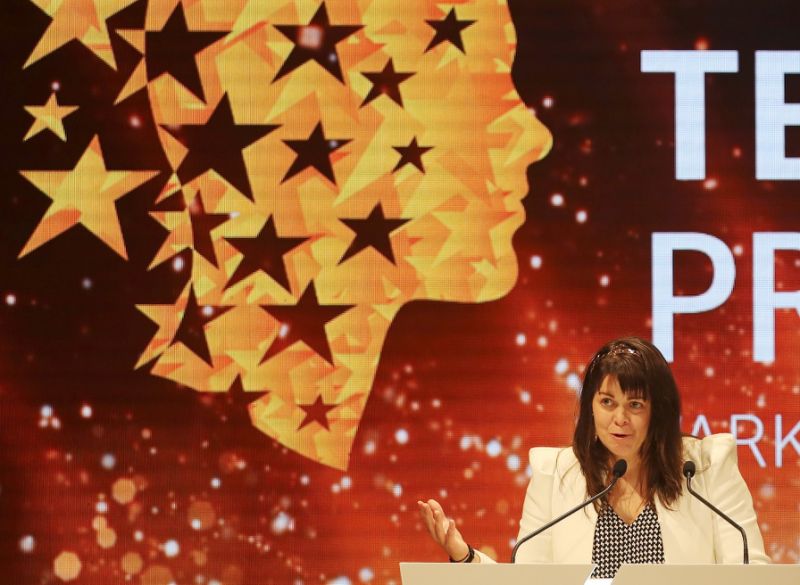
— Canadian school teacher wins $1M global teacher prize beating out thousands of applicants (CBS News): “A Canadian school teacher who encourages hope and acts of kindness in an isolated corner of Quebec won a $1 million prize Sunday in what has become one of the most high-profile awards for teaching excellence.
Read MoreImproving brain fitness literacy in Japan
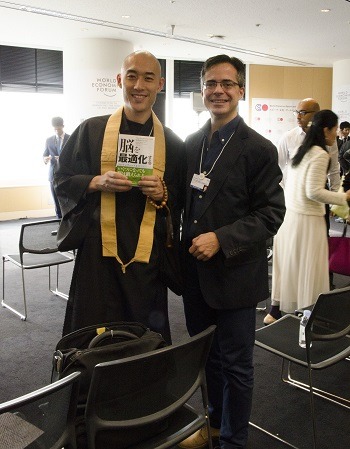
Newsweek Japan just published this great article to disseminate latest thinking and research about meditation, brain fitness and digital technologies, based on Alvaro Fernandez’ trip last week to discuss How is our societal obsession with technology changing our health and well-being at the World Forum on Sport and Culture in Tokyo. Key insights discussed, coming from The SharpBrains Guide to Brain…
Read MoreSurvey: Do you believe that every adult should take charge of his/ her own brain health and brain fitness?

————— Please answer this question and a few other to help us better understand your thoughts and beliefs about brain health, and how we may be able to serve you better (should take no more than 5 minutes to complete it): Take the survey Thank you!
Read MoreHoliday gift idea: The SharpBrains Guide to Brain Fitness
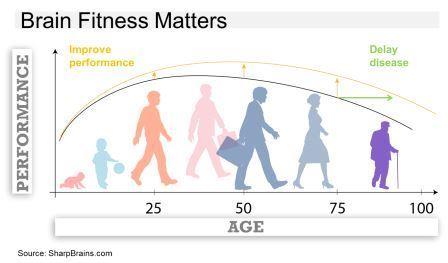
Heads-up: the special promotion to buy The SharpBrains Guide to Brain Fitness: How to Optimize Brain Health and Performance at Any Age (284 pages; April 2013) at a discount (up to 40% off, depending on country and format) expires next Sunday, December 29th. We hope you will enjoy reading the book and then joining the online…
Read More