Sharp Brains: Brain Fitness and Cognitive Health News

Neuroplasticity, Brain Fitness and Cognitive Health News

Transcript: David DiSalvo on How Cultural Evolution Outpaces Natural Evolution and Old Brain Metaphors
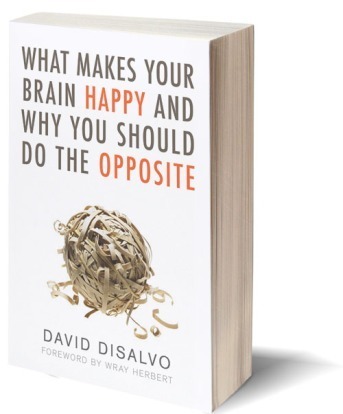
Below you can find the full tran­script of our engag­ing Q&A ses­sion today with David DiS­alvo, author of What makes your brain happy and why you should do the oppo­site, mod­er­ated by Alvaro Fer­nan­dez. You visit pre­vi­ous Q&A Ses­sions Here.

Full Tran­script (Lightly edited) of Live Q&A held on Decem­ber 9th, 2-3pm ET

Read the rest of this entry »

The Evolution of Empathy

(Editor’s Note: we are pleased to bring you this arti­cle thanks to our col­lab­o­ra­tion with Greater Good Mag­a­zine).

The Evo­lu­tion of Empathy

Empathy’s not a uniquely human trait, explains pri­ma­tol­o­gist Frans de Waal. Apes and other ani­mals feel it as well, sug­gest­ing that empa­thy is truly an essen­tial part of who we are.

Once upon a time, the United States had a pres­i­dent known for a pecu­liar facial dis­play. In an act of con­trolled emo­tion, he would bite his lower lip and tell his audi­ence, “I feel your pain.” Whether the dis­play was sin­cere is not the issue here; how we are affected by another’s predica­ment is. Empa­thy is sec­ond nature to us, so much so that any­one devoid of it strikes us as dan­ger­ous or men­tally ill.

At the movies, we can’t help but get inside the skin of the char­ac­ters on the screen. We despair when their gigan­tic ship sinks; we exult when they finally stare into the eyes of a long-lost lover.

We are so used to empa­thy that we take it for granted, yet it is essen­tial to human soci­ety as we know it. Our moral­ity depends on it: How could any­one be expected to fol­low the golden rule with­out the capac­ity to men­tally trade places with a fel­low human being? It is log­i­cal to assume that this capac­ity came first, giv­ing rise to the golden rule itself. The act of perspective-taking is summed up by one of the most endur­ing def­i­n­i­tions of empa­thy that we have, for­mu­lated by Adam Smith as “chang­ing places in fancy with the sufferer.”

Even Smith, the father of eco­nom­ics, best known for empha­siz­ing self-interest as the lifeblood of human econ­omy, under­stood that the con­cepts of self-interest and empa­thy don’t con­flict. Empa­thy makes us reach out to oth­ers, first just emo­tion­ally, but later in life also by under­stand­ing their situation.

This capac­ity likely evolved because it served our ances­tors’ sur­vival in two ways. First, like every mam­mal, we need to be sen­si­tive to the needs of our off­spring. Sec­ond, our species depends on coop­er­a­tion, which means that we do bet­ter if we are sur­rounded by healthy, capa­ble group mates. Tak­ing care of them is just a mat­ter of enlight­ened self-interest.

Ani­mal empathy

It is hard to imag­ine that empathy—a char­ac­ter­is­tic so basic to the human species that it emerges early in life, and is accom­pa­nied by strong phys­i­o­log­i­cal reactions—came into exis­tence only when our lin­eage split off from that of the apes. It must be far older than that. Exam­ples of empa­thy in other ani­mals would sug­gest a long evo­lu­tion­ary his­tory to this capac­ity in humans.

Evo­lu­tion rarely throws any­thing out. Instead, Read the rest of this entry »

Training Attention and Emotional Self-Regulation — Interview with Michael Posner

Michael I. Pos­ner is a promi­nent sci­en­tist in the field of cog­ni­tive neu­ro­science. He is cur­rently an emer­i­tus pro­fes­sor of neu­ro­science at the Uni­ver­sity of Ore­gon (Depart­mentMichael Posner of Psy­chol­ogy, Insti­tute of Cog­ni­tive and Deci­sion Sci­ences). In August 2008, the Inter­na­tional Union of Psy­cho­log­i­cal Sci­ence made him the first recip­i­ent of the Dogan Prize “in recog­ni­tion of a con­tri­bu­tion that rep­re­sents a major advance in psy­chol­ogy by a scholar or team of schol­ars of high inter­na­tional reputation.”

Dr. Pos­ner, many thanks for your time today. I really enjoyed the James Arthur Lec­ture mono­graph on Evo­lu­tion and Devel­op­ment of Self-Regulation that you deliv­ered last year. Could you pro­vide a sum­mary of the research you presented?

I would empha­size that we human beings can reg­u­late our thoughts, emo­tions, and actions to a greater degree than other pri­mates. For exam­ple, we can choose to pass up an imme­di­ate reward for a larger, delayed reward.

We can plan ahead, resist dis­trac­tions, be goal-oriented. These human char­ac­ter­is­tics appear to depend upon what we often call “self-regulation.” What is excit­ing these days is that progress in neu­roimag­ing and in genet­ics make it pos­si­ble to think about self-regulation in terms of spe­cific brain-based networks.

Can you explain what self-regulation is?

All par­ents have seen this in their kids. Par­ents can see the remark­able trans­for­ma­tion as their chil­dren develop the abil­ity to reg­u­late emo­tions and to per­sist with goals in the face of dis­trac­tions. That abil­ity is usu­ally labeled ‚ self-regulation.

The other main area of your research is atten­tion. Can you explain the brain-basis for what we usu­ally call “attention”?

I have been inter­ested in how the atten­tion sys­tem devel­ops in infancy and early childhood.

One of our major find­ings, thanks to neu­roimag­ing, is that there is not one sin­gle “atten­tion”, but three sep­a­rate func­tions of atten­tion with three sep­a­rate under­ly­ing brain net­works: alert­ing, ori­ent­ing, and exec­u­tive atten­tion. Read the rest of this entry »

Use It or Lose It, and Cells that Fire together Wire together

Who has not heard “Use It or Lose It”. Now, what is “It”? Last week I gave a talk at the Ital­ian Con­sulate in San Fran­cisco, and one of the areas atten­dants seemed to enjoy the most was learn­ing about what our brains are and how they work, peak­ing into the “black box” of our minds. With­out under­stand­ing at least the basics, how can we make good deci­sions about our own brain health and fitness?

Let’s review at a glance:

.

The brain is com­posed of 3 main sub-systems

The brain is com­posed of 3 “brains” or main sub-systems, each named after the evo­lu­tion­ary moment in which the sub-system is believed to have appeared. Read the rest of this entry »

Darwin’s adult neuroplasticity

Charles Darwin 1880Charles Dar­win (1809–1882)‘s auto­bi­og­ra­phy (full text free online) includes some very insight­ful refec­tions on the evo­lu­tion of his own mind dur­ing his middle-age, show­cas­ing the power of the brain to rewire itself through expe­ri­ence (neu­ro­plas­tic­ity) dur­ing our whole lifetimes-not just when we are youngest.

He wrote these paragraphs at the age of 72 (I have bolded some key sen­tences for empha­sis, the whole text makes great reading):

I have said that in one respect my mind has changed dur­ing the last twenty or thirty years. Up to the age of thirty, or beyond it, poetry of many kinds, such as the works of Mil­ton, Gray, Byron, Wordsworth, Coleridge, and Shel­ley, gave me great plea­sure, and even as a school­boy I took intense delight in Shake­speare, espe­cially in the his­tor­i­cal plays. I have also said that for­merly pic­tures gave me con­sid­er­able, and music very great delight. But now for many years I can­not endure to read a line of poetry: I have tried lately to read Shake­speare, and found it so intol­er­a­bly dull that it nau­se­ated me. I have also almost lost my taste for pic­tures or music. Music gen­er­ally sets me think­ing too ener­get­i­cally on what I have been at work on, instead of giv­ing me plea­sure. I retain some taste for fine scenery, but it does not cause me the exquis­ite delight which it for­merly did. On the other hand, nov­els which are works of the imag­i­na­tion, though not of a very high order, have been for years a won­der­ful relief and plea­sure to me, and I often bless all nov­el­ists. A sur­pris­ing num­ber have been read aloud to me, and I like all if mod­er­ately good, and if they do not end unhap­pily– against which a law ought to be passed. A novel, accord­ing to my taste, does not come into the first class unless it con­tains some per­son whom one can thor­oughly love, and if a pretty woman all the better.

This curi­ous and lam­en­ta­ble loss of the higher aes­thetic tastes is all the odder, as books on his­tory, biogra­phies, and trav­els (inde­pen­dently of any sci­en­tific facts which they may con­tain), and essays on all sorts of sub­jects inter­est me as much as ever they did. My mind seems to have become a kind of machine for grind­ing gen­eral laws out of large col­lec­tions of facts, but why this should have caused the atro­phy of that part of the brain alone, on which the higher tastes depend, I can­not con­ceive. A man with Read the rest of this entry »

Cognitive training research: MindFit, Lumosity, Posit Science, Cogmed

The field of computer-based cog­ni­tive train­ing (part of what we call “Brain Fit­ness”) is start­ing to get trac­tion in the media and becom­ing an emerg­ing indus­try, and we are happy to see how a grow­ing num­ber of researchers and science-based com­pa­nies are lead­ing stud­ies that will allow to bet­ter mea­sure results and refine the brain exer­cise soft­ware available.

Pub­lished new research

  • Com­put­er­ized work­ing mem­ory train­ing after stroke-A pilot study. A pub­lished study on how Cogmed work­ing mem­ory train­ing may help stroke patients. See the ref­er­ence at Cogmed Research page (and full arti­cle here)
  • The Jour­nals of Geron­tol­ogy pub­lished a series of related papers in their June issue, includ­ing this by Kar­lene Ball, Jerri D. Edwards, and Les­ley A. Ross on The Impact of Speed of Pro­cess­ing Train­ing on Cog­ni­tive and Every­day Func­tions, J Geron­tol B Psy­chol Sci Soc Sci 2007 62: 19–31.  Abstract: “We com­bined data from six stud­ies, all using the same speed of pro­cess­ing train­ing pro­gram, to exam­ine the mech­a­nisms of train­ing gain and the impact of train­ing on cog­ni­tive and every­day abil­i­ties of older adults. Results indi­cated that train­ing pro­duces imme­di­ate improve­ments across all sub­tests of the Use­ful Field of View test, par­tic­u­larly for older adults with ini­tial speed of pro­cess­ing deficits. Age and edu­ca­tion had lit­tle to no impact on train­ing gain. Par­tic­i­pants main­tained ben­e­fits of train­ing for at least 2 years, which trans­lated to improve­ments in every­day abil­i­ties, includ­ing effi­cient per­for­mance of instru­men­tal activ­i­ties of daily liv­ing and safer dri­ving per­for­mance.”

Ongoing/ start­ing research

Working Memory Training from a pediatrician perspective, focused on attention deficits

Arthur Lavin Today we inter­view Dr. Arthur Lavin, Asso­ciate Clin­i­cal Pro­fes­sor of Pedi­atrics at Case West­ern School of Med­i­cine, pedi­a­tri­cian in pri­vate prac­tice, and one of the first providers of Cogmed Work­ing Mem­ory Train­ing in the US (the pro­gram whose research we dis­cussed with Dr. Torkel Kling­berg and Dr. Bradley Gib­son). Dr. Lavin has a long stand­ing inter­est in technology-as evi­denced by Microsoft’s recog­ni­tion of his paper­less office– and in brain research and applications-he trained with esteemed Mel Levine from All Kinds of Minds-.

————————–

Key take-aways:

- Schools today are not yet in a posi­tion to effec­tively help kids with cog­ni­tive issues deal with increas­ing cog­ni­tive demands.

- Work­ing Mem­ory is a cog­ni­tive skill fun­da­men­tal to plan­ning, sequenc­ing, and exe­cut­ing school-related work.

- Work­ing Mem­ory can be trained, as evi­denced by Dr. Lavin’s work, based on Cogmed Work­ing Mem­ory Train­ing, with kids who have atten­tion deficits.

————————–

Con­text on cog­ni­tive fit­ness and schools

AF (Alvaro Fer­nan­dez): Dr. Lavin, thanks for being with us. It is not very com­mon for a pedi­a­tri­cian to have such an active inter­est in brain research and cog­ni­tive fit­ness. Can you explain the source of your interest?

AL (Arthur Lavin): Through­out my life I have been fas­ci­nated by how the mind works. Both from the research point of view and the prac­ti­cal one: how can sci­en­tists’ increas­ing knowl­edge improve kids’ lives? We now live in an truly excit­ing era in which solid sci­en­tific progress in neu­ro­science is at last cre­at­ing oppor­tu­ni­ties to improve people’s actual cog­ni­tive func­tion. The progress Cogmed has achieved in cre­at­ing a pro­gram that can make great dif­fer­ences in the lives of chil­dren with atten­tion deficits is one of the most excit­ing recent devel­op­ments. My col­league Ms. Susan Glaser and I recently pub­lished two books: Who’s Boss: Mov­ing Fam­i­lies from Con­flict to Col­lab­o­ra­tion (Col­lab­o­ra­tion Press, 2006) and Baby & Tod­dler Sleep Solu­tions for Dum­mies (Wiley, 2007), so I not only see myself as a pedi­a­tri­cian but also an edu­ca­tor. I see par­ents in real need of guid­ance and sup­port. They usu­ally are both very skep­ti­cal, since Read the rest of this entry »

Top Articles on Brain, Cognition and Neuroplasticity

  1. Do you believe these neu­romyths?, by SharpBrains
  2. Brain Plas­tic­ity: How learn­ing changes your brain, by Pas­cale Michelon
  3. In the Age of Google, Should Schools Teach Mem­o­riza­tion Skills?, by Bill Klemm
  4. Does cog­ni­tive train­ing work? (For Whom? For What?), by Pas­cale Michelon
  5. The Emo­tional Life of Your Brain, by by Richard David­son, Sharon Begley
  6. Cur­rent State of the Sci­ence behind Neu­ro­feed­back Treat­ment for ADHD, by David Rabiner
  7. To Be (Your Con­nec­tome), or Not to Be (Your Genome), by Sebas­t­ian Seung
  8. Top 10 Brain Fit­ness Future Trends, by Alvaro Fernandez
  9. Biofeed­back now a “Level 1 — Best Sup­port” Inter­ven­tion for ADHD, by SharpBrains
  10. When 1 + 1 = 5: Dyscal­cu­lia and Work­ing Mem­ory, by Tracy Alloway
  11. Train­ing Atten­tion and Emo­tional Self-Regulation — Inter­view with Michael Pos­ner, by Alvaro Fernandez
  12. The Ten Habits of Highly Effec­tive Brains, by Alvaro Fernandez
  13. Why do You Turn Down the Radio When You’re Lost?, by Car­o­line Latham
  14. Brain fit­ness Q&A: Mem­ory, stress, emo­tions, by Alvaro Fernandez
  15. Cog­ni­tive ther­apy or med­ica­tion? Brain scans may help per­son­al­ize treat­ments, by SharpBrains
  16. New Study shows Teens with ADHD helped by Cog­ni­tive Behav­ioral Ther­apy, by David Rabiner
  17. How Do Words Change Our Brains and Lives?, by Andrew New­berg, Mark Waldman
  18. BBC “Brain Train­ing” Exper­i­ment: the Good, the Bad, the Ugly, by Alvaro Fernandez
  19. Sci­en­tific cri­tique of BBC/ Nature Brain Train­ing Exper­i­ment, by Liz Zelinski
  20. From Anti-Alzheimer’s “Magic Bul­lets” to True Brain Health, by Alvaro Fer­nan­dez, Peter Whitehouse
  21. Why Agile Minds Deploy Both Ratio­nal and Intu­itive Problem-Solving, by Judith Tingley
  22. Why I Wrote The Woman Who Changed Her Brain, by Bar­bara Arrowsmith-Young
  23. The Busi­ness and Ethics of the Brain Fit­ness Boom, by Alvaro Fernandez
  24. Break­ing Down the Cog­ni­tion & Alzheimer’s Dis­ease Alpha­bet Soup, by Dharma Singh Khalsa
  25. Top 10 Quotes on Life­long Neu­ro­plas­tic­ity, by Alvaro Fernandez
  26. To Har­ness Neu­ro­plas­tic­ity, Start with Enthu­si­asm, by Helena Popovic
  27. Q&A with Yaakov Stern on Brain Reserve, Exer­cise, Cog­ni­tive Train­ing, Angry Birds, by Alvaro Fernandez
  28. It is Not Only Cars That Deserve Good Main­te­nance: Brain Care 101, by Alvaro Fernandez
  29. Eval­u­a­tion Check­list for Brain Fit­ness prod­ucts and games, by Alvaro Fernandez
  30. Mind­ful­ness and Med­i­ta­tion in Schools for Stress Man­age­ment, by Jill Sutie
  31. Stress and Neural Wreck­age: Part of the Brain Plas­tic­ity Puz­zle, by Gre­gory Kellet
  32. Cog­ni­tive and Emo­tional Devel­op­ment Through Play, by David Elkind
  33. AARP’s Brain Fit­ness Best Books List, by SharpBrains
  34. Judith Beck: Train Your Brain to Think Like a Thin Per­son, by Alvaro Fernandez
  35. Improve Mem­ory with Sleep, Prac­tice, and Test­ing, by Bill Klemm
  36. 10 Brain Tips To Teach and Learn, by Lau­rie Bartels
  37. Dr. Elkhonon Gold­berg on Cog­ni­tive Train­ing and Brain Fit­ness, by Alvaro Fernandez
  38. Mind­ful­ness Med­i­ta­tion for Adults & Teens with ADHD, by David Rabiner
  39. Phys­i­cal Exer­cise and Brain Health, by Pas­cale Michelon
  40. Sleep, Tetris, Mem­ory and the Brain, by Shan­non Moffet

Welcome to SharpBrains.com

As seen in The New York Times, The Wall Street Jour­nal, CNN and more, Sharp­Brains is an inde­pen­dent mar­ket research and think tank track­ing health, edu­ca­tion, and pro­duc­tiv­ity appli­ca­tions of neuroscience.

Register Now at Discounted Rates

2013 SharpBrains Summit

Watch 10 Predictions on Digital Brain Health in 2013 (3 minutes)

Cover_video
Enter Your Email and Sub­scribe to our free Monthly eNewslet­ter:
Join more than 40,000 Sub­scribers and stay informed and engaged.

Follow Us Via…

twitter_logo_header