
Sharp Brains: Brain Fitness and Cognitive Health News

Neuroplasticity, Brain Fitness and Cognitive Health News

The Benefits of a One-Time Cognitive Training Program Do Last but Wane Over Time
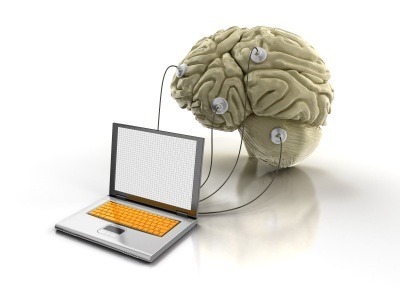
Do you remem­ber the IMPACT study pub­lished in 2009? It was a ran­dom­ized clin­i­cal trial with healthy older adults that com­pared a computer-based cog­ni­tive pro­gram that trains audi­tory pro­cess­ing (Brain Fit­ness Pro­gram, Posit Sci­ence) with edu­ca­tional video pro­grams (con­trol group). Peo­ple who used the pro­gram improved in the trained tasks, which was not that sur­pris­ing, but there was also a clear ben­e­fit in audi­tory mem­ory, which wasn’t directly trained.

A 2011 paper reports the 3-month follow-up results of the IMPACT study. The 487 par­tic­i­pants in the orig­i­nal study were 65 and older. Train­ing was 1 hour a day, 4 to 5 days a week, for a total of 40 hours in 8 to 10 weeks. There was no con­tact with the researchers between the ini­tial train­ing study and the follow-up study.

The results showed that 3 months after the ini­tial train­ing most of the improve­ment observed in the train­ing group was still present, although not as strongly. Read the rest of this entry »

Scientific critique of BBC/ Nature Brain Training Experiment

logo-bbcThere has been quite a bit of com­ment about the Owen et al study in Nature avail­able online on April 20, 2010. A quick syn­op­sis of the study is that the BBC show Bang Goes the The­ory worked with the study authors to pro­vide a test of the hypoth­e­sis that com­mer­cially avail­able brain train­ing pro­grams trans­fer to gen­eral cog­ni­tive abil­i­ties. The con­clu­sion was that, despite improve­ments on the trained tasks, “no evi­dence was found for trans­fer effects to untrained tasks, even when those tasks were cog­ni­tively closely related.”

The exper­i­ment

The study was con­ducted through the show’s web site. Of 52,617 par­tic­i­pants who reg­is­tered, approx­i­mately 20% (11,430) com­pleted full par­tic­i­pa­tion in the study, which con­sisted of two bench­mark­ing assess­ments 6 weeks apart with vari­ants of neu­ropsy­cho­log­i­cal tests and at least two train­ing ses­sions. Peo­ple were ran­domly assigned to one of three groups that were asked to train for about 10 min a day three times a week for the 6-week period, though they could train either more or less fre­quently. One of the two exper­i­men­tal groups was a “brain train­ing” group that com­pleted tasks includ­ing sim­ple arith­metic, find­ing miss­ing pieces, match­ing sym­bols to a tar­get, order­ing rotat­ing num­bers by numer­i­cal value, updat­ing, and mem­ory for items. Most of the train­ing ses­sions were 90 sec each; the rotat­ing num­bers tasks was 3 min. These activ­i­ties are sim­i­lar to those used in “edu­tain­ment” pro­grams that can be played online or with a hand­held device. The other exper­i­men­tal group was trained on rea­son­ing tasks that involved iden­ti­fy­ing rel­a­tive weights of objects based on a visual “see­saw”, select­ing the “odd” item in a con­cept for­ma­tion type task, a task involv­ing think­ing through the effects of one action on cur­rent and future states, and three plan­ning tasks includ­ing draw­ing a con­tin­u­ous line around a grid while ascer­tain­ing that the line will not hin­der later moves, a ver­sion of the Tower of Hanoi task, and a tile slid­ing game. The con­trol group spent time answer­ing ques­tions about obscure facts and orga­niz­ing them chrono­log­i­cally based on any avail­able online resource. Results indi­cated that the two exper­i­men­tal groups per­formed bet­ter than the con­trol group on only one out­come test of gram­mat­i­cal rea­son­ing; there were no dif­fer­ences between either exper­i­men­tal group and the con­trols on the remain­ing test. The exper­i­men­tal groups had improved on the trained tasks but not on the trans­fer tasks.

Sci­en­tific concerns

Although some news reports sug­gest that these find­ings are defin­i­tive, there are a num­ber of con­cerns, many of which have to do with whether the find­ings have been over­gen­er­al­ized to all forms of brain train­ing because only a few tests were used. Sec­ond, there have been ques­tions raised about the amount of time allo­cated to train­ing and the issue of test­ing in the home envi­ron­ment. The study reported Read the rest of this entry »

Invitation to SharpBrains Summit — Technology for Cognitive Health and Performance

We are excited to invite you to the first vir­tual, global Sharp­Brains Sum­mit (Jan­u­ary 18-20th, 2010). The Sharp­Brains Sum­mit will fea­ture a sharpbrains_summit_logo_webdream team of over 25 speak­ers who are lead­ers in indus­try and research from 7 coun­tries, to dis­cuss emerg­ing research, tools and best prac­tices for cog­ni­tive health and per­for­mance. This inau­gural event will expose health and insur­ance providers, devel­op­ers, inno­va­tors at For­tune 500 com­pa­nies, investors and researchers, to the oppor­tu­ni­ties, part­ner­ships, trends, and stan­dards of the rapidly evolv­ing cog­ni­tive fit­ness field.

Reg­is­ter Today

Learn more and reg­is­ter Here today, at dis­counted early-bird rates, to receive these benefits:

  • Learn: Full access to all Con­fer­ence live ses­sions, and Down­load­able Record­ings and Handouts
  • See: lat­est tech­nolo­gies and prod­ucts dur­ing Expo Day
  • Con­nect and Dis­cuss: become a mem­ber of the Sharp­Brains Net­work for Brain Fit­ness Inno­va­tion (members-only LinkedIn Group) through the end of 2010, access online chats dur­ing the sum­mit, meet other reg­is­trants in your city
  • Under­stand the Big Pic­ture: access 10 Research Exec­u­tive Briefs pre­pared by lead­ing scientists

On top of those early-bird dis­counts, we offer an addi­tional 15% dis­count for Sharp­Brains read­ers who want Reg­u­lar Admis­sion. Dis­count code: sharp2010. You can reg­is­ter Here.

Agenda/ Speak­ers

Mon­day, Jan­u­ary 18th, 2010:

(Pre­lim­i­nary sched­ule, US Pacific Time)

8–9.15am. Cog­ni­tion & Neu­ro­plas­tic­ity: The New Health­care Frontier

  • Alvaro Fer­nan­dez, SharpBrains
  • David White­house, OptumHealth Behav­ioral Solutions
  • William Reich­man, Baycrest
  • P Murali Doraiswamy, Duke University

9.30-11am. Tools for Safer Dri­ving: The Oppor­tu­nity with Teenagers and Adults

  • Steven Aldrich, Posit Science
  • Shlomo Breznitz, CogniFit
  • Jerri Edwards, Uni­ver­sity of South Florida
  • Peter Chris­tian­son, Young Dri­vers of Canada

Noon-1.30pm. Baby Boomers and Beyond: Main­tain­ing Cog­ni­tive Vitality

Save the Date: SharpBrains Summit, Technology for Cognitive Health and Performance

We are very excited to announce the first Sharp­Brains Sum­mit, a vir­tual con­fer­ence to take place Jan­u­ary 18-20th, 2010.  Over 30 lead­ing speak­ers and a pro­fes­sional audi­ence will dis­cuss emerg­ing inno­va­tion and tech­nol­ogy for life­long cog­ni­tive health and per­for­mance. The Sum­mit will high­light the con­ver­gence of neu­rocog­ni­tive research, non-invasive tech­nol­ogy and health­care, dis­cuss emerg­ing best prac­tices, and help pre­dict how a grow­ing range of tools may pro­vide solu­tions to cog­ni­tive health and performance-related issues.

sharpbrains_summit_logo_webYou can see speak­ers and agenda by click­ing on Sharp­Brains Sum­mit. Please reg­is­ter if you are inter­ested in par­tic­i­pat­ing: Jan­u­ary 18-20th 2010 (Pacific Time).

  • Con­fer­ence: Jan­u­ary 18-19th. 9–10 pan­els to dis­cuss Mar­ket and Research Insights,  together with online discussions.
  • Expo Day: Jan­u­ary 20th. Prod­uct demos by Sponsors.

Con­firmed speak­ers and themes:

Mon­day, Jan­u­ary 18th, 2010:

Cog­ni­tion and Neu­ro­plas­tic­ity: The New Health­care Frontier

  • Alvaro Fer­nan­dez, CEO, SharpBrains
  • David White­house, Chief Med­ical Offi­cer, OptumHealth Behav­ioral Solutions
  • William Reich­man, Pres­i­dent, Baycrest
  • P Murali Doraiswamy, Bio­log­i­cal Psy­chi­a­try Divi­sion Head, Duke University

Tools for Safer Dri­ving: Teenagers and Older Adults

  • Steven Aldrich, CEO, Posit Science
  • Peter Chris­tian­son, Pres­i­dent of Young Dri­vers of Canada
  • Jerri Edwards, Assoc. Pro­fes­sor Uni­ver­sity of South Florida

Clin­i­cal Appli­ca­tions: Research­ing, Iden­ti­fy­ing, Treat­ing Cog­ni­tive Deficits

  • Keith Wesnes, Prac­tice Leader, United BioSource Corporation
  • Jonas Jendi, CEO, Cogmed
  • Michel Noir, Pres­i­dent, Sci­en­tific Brain Training
  • Elkhonon Gold­berg, Chief Sci­en­tific Advi­sor, SharpBrains

Read the rest of this entry »

Brain Fitness Newsletter: December Edition

Brain exercise, brain exercisesI hope you are hav­ing a joy­ful hol­i­day sea­son, and wish you a Happy and Pros­per­ous 2008. The Brain Fit­ness field has made a great deal of progress in 2007, and we are look­ing for­ward the New Year.

Here you are have the Monthly Digest of our Most Pop­u­lar Blog Posts. You can con­sider it your monthly Brain Fitness/ Exer­cise Newsletter.

(Also, remem­ber that you can sub­scribe to receive our blog RSS feed, or to our monthly newslet­ter at the top of this page if you want to receive this monthly Digest by email).

Let me first of all intro­duce you to our new “Author Speaks Series”, where we will give lead­ing sci­en­tists and experts a forum to present their new brain-related books. We are hon­ored to kick­start the series with Larry McCleary, for­mer act­ing Chief of Pedi­atric Neu­ro­surgery at Den­ver Children’s Hos­pi­tal. You can read Here his arti­cle on how to keep a brain-friendly lifestyle. This series will com­ple­ment our ongo­ing Neu­ro­science Inter­view Series.

Brain Fit­ness in the News

Brain Fit­ness @ PBS: PBS fea­tured a fan­tas­tic spe­cial pro­gram on neu­ro­plas­tic­ity and brain fit­ness dur­ing the month of Decem­ber. Before you ask: as of today, the DVD of the pro­gram is still not avail­able in PBS online shop. We expect to see it there in 2–3 weeks. We will keep you informed.

The Huff­in­g­ton Post started fea­tur­ing a col­umn writ­ten by me: you may enjoy tak­ing a look at Alvaro Fer­nan­dez — Liv­ing on The Huff­in­g­ton Post.

Jog­ging our Brains for Brain Vital­ity, Healthy Aging-and Intel­li­gence!: a roundup of sev­eral great recent arti­cles on mem­ory, aging, IQ and cog­ni­tive abil­i­ties such as self-control.

Health & Wellness

Brain Train­ing: No Magic Bul­let, Yet Use­ful Tool. Inter­view with Eliz­a­beth Zelin­ski: Dr. Zelin­ski, lead­ing researcher of the IMPACT study, shares fas­ci­nat­ing insights. For exam­ple: “…cog­ni­tive enhance­ment requires the engage­ment in a vari­ety of activ­i­ties, those activ­i­ties must be novel, adap­tive and challenging-which is why computer-based pro­grams can be help­ful. But even at a more basic level, what mat­ters is being engaged with life, con­tin­u­ally exposed to stim­u­lat­ing activ­i­ties, always try­ing to get out of our com­fort zones, doing our best at what­ever we are doing. A major typ­i­cal mis­con­cep­tion is that there is only one gen­eral intel­li­gence to care about. In real­ity, we have many dif­fer­ent cog­ni­tive abil­i­ties, such as atten­tion, mem­ory, lan­guage, rea­son­ing, and more, so it makes sense to have dif­fer­ent pro­grams designed to train and improve each of them.”

How to Eval­u­ate and Choose a Brain Fit­ness Pro­gram: To help you nav­i­gate the grow­ing num­ber of computer-based pro­grams and games, we pub­lished this 10-Question Check­list, based on dozens of inter­views with sci­en­tists, experts and consumers.

Travel and Engage­ment as Good Brain Exer­cise: As we’ve seen, nov­elty, vari­ety and chal­lenge are the key guide­lines for “brain exer­cise” that help build new neural con­nec­tions, force one to be mind­ful and pay atten­tion, improve abil­i­ties such as pattern-recognition, and gen­er­ally con­tribute to life­long brain health. In this post we fea­ture the brain build­ing / mind expand­ing expe­ri­ence of a Sharp­Brains friend work­ing in Namibia.

Alzheimer’s Pre­ven­tion and Diag­nos­tic Tests: analy­sis of sev­eral recent arti­cles on emerg­ing research behind Alzheimer’s diag­nos­tic and prevention.

Cor­po­rate Well­ness and Training

Cog­ni­tive Reserve and Intel­lec­tu­ally Demand­ing Jobs: a recent study shows how “Intel­lec­tu­ally demand­ing work was asso­ci­ated with greater ben­e­fit to cog­ni­tive per­for­mance in later life inde­pen­dent of related fac­tors like edu­ca­tion and intelligence.”

Cog­ni­tive Health and Baby Boomers– 6 Points to Keep in Mind: based upon an excel­lent McK­in­sey report titled Serv­ing Aging Baby Boomers, we dis­cuss a vari­ety a news arti­cles, includ­ing inter­est­ing num­bers, some bad news, and some good news.

Life­long Learn­ing Is Chang­ing My Brain: Andreas, the neu­ro­science PhD stu­dent who spent last sum­mer work­ing with Sharp­Brains, writes some reflec­tions on his expe­ri­ence and on how sci­en­tists and busi­ness pro­fes­sion­als can learn from each other.

Brain Teasers

Trav­eler IQ Game: Check out this stim­u­lat­ing online game…

Events

Learn­ing & The Brain Con­fer­ence, Feb­ru­ary 5–7 2008, San Fran­cisco: Sign up now for this great con­fer­ence for edu­ca­tors who want to learn about the lat­est brain research find­ings and impli­ca­tions. I will be speak­ing at the con­fer­ence giv­ing an overview of inno­v­a­tive cog­ni­tive train­ing pro­grams. The orga­niz­ers are offer­ing a Spe­cial Dis­count for Sharp­Brains read­ers until Jan­u­ary 25th 2008, so click here if interested.

If we don’t talk beforehand…Happy New Year!

———————

You can also enjoy our pre­vi­ous edi­tions of our Brain Fit­ness Newsletter:

- Novem­ber Edition

- Octo­ber Edition

- Sep­tem­ber Edition

- August Edi­tion

- July Edi­tion

Brain Training: No Magic Bullet, Yet Useful Tool. Interview with Elizabeth Zelinski

Sharon Beg­ley, Newsweek’s sci­ence reporter, recently wrote that

- “With the nation’s 78 mil­lion baby boomers approach­ing the age of those dreaded ‘“where did I leave my keys?” moments, it’s no won­der the mar­ket for computer-based brain train­ing has shot up from essen­tially zero in 2005 to $80 mil­lion this year, accord­ing to the con­sult­ing firm SharpBrains.

- “Now comes the largest and most rig­or­ous study of a commercially-available train­ing pro­gram, and it shows that there is hope for aging brains. This morn­ing, at the meet­ing of the Geron­to­log­i­cal Soci­ety of Amer­ica, sci­en­tists are pre­sent­ing data show­ing that after eight weeks of daily one-hour ses­sions with Brain Fit­ness 2.0 from Posit Sci­ence, elderly vol­un­teers got mea­sur­ably bet­ter in their brain’s speed and accu­racy of processElizabeth Zelinski IMPACTing.

We recently had the chance to inter­view Dr. Eliz­a­beth Zelin­ski of the Uni­ver­sity of South­ern Cal­i­for­nia Andrus Geron­tol­ogy Cen­ter, who led the IMPACT (Improve­ment in Mem­ory with Plasticity-based Adap­tive Cog­ni­tive Train­ing) Study Sharon Beg­ley refers to in the quote above.

First, some con­text on this study, which is by far the largest high-quality study of its kind. The study was prospec­tive, ran­dom­ized, con­trolled, and used a dou­ble blind trial. 524 healthy adults 65-year-old and over were divided into two groups. One received an hour a day of train­ing for eight to ten weeks, and the other spent the same amount of time watch­ing edu­ca­tional DVDs. The IMPACT study, funded by Posit Sci­ence cor­po­ra­tion, was per­formed in mul­ti­ple loca­tions, includ­ing the Mayo Clinic, USCF, and San Fran­cisco Vet­eran Affairs Med­ical Center.

The dis­cus­sion cen­ters at his point on the ini­tial results that were pre­sented Geron­to­log­i­cal Soci­ety of Amer­ica (the study hasn’t been pub­lished yet).

Alvaro Fer­nan­dez: Dr. Zelin­ski. Thank you for being with us. Could you start by set­ting the con­text and pro­vid­ing an overview of how human cog­ni­tive abil­i­ties typ­i­cally evolve as we age based on insights from your Long Beach Lon­gi­tu­di­nal Study?

Eliz­a­beth Zelin­ski: Of course. The first con­cept to under­stand is that dif­fer­ent cog­ni­tive skills evolve over the lifes­pan in dif­fer­ent ways. Some that rely on expe­ri­ence, such as vocab­u­lary, actu­ally improve as we age. Some tend to decline grad­u­ally, start­ing in our late 20s. This hap­pens, for exam­ple, with pro­cess­ing speed (how long it takes us to process and respond to infor­ma­tion), mem­ory, and rea­son­ing. We could sum­ma­rize this phe­nom­e­non by say­ing that as we age we get bet­ter at deal­ing with the famil­iar, but worse at deal­ing with the new. We can always learn, but at a slower pace.

Are there any spe­cific tip­ping or inflec­tion points in this trend, any age when the rate of decline is more pronounced?

We don’t have a clear answer to that. It depends a lot on the indi­vid­ual. In gen­eral it is a grad­ual, cumu­la­tive process, so that by age 70 we sta­tis­ti­cally see clear age declines. Which, for exam­ple, is a strong fac­tor deter­min­ing why older adults strug­gle to adapt to new tech­nolo­gies, but why try­ing to learn them pro­vides needed men­tal stim­u­la­tion. Now we know that genes only account for a por­tion of this decline. Much of it depends on our envi­ron­ment, lifestyle and actions.

Can you sum­ma­rize what a healthy indi­vid­ual can do to slow down this process of decline, and help stay healthy and pro­duc­tive as long as possible?

One gen­eral rec­om­men­da­tion is to do every­thing we can to pre­vent or delay dis­ease processes, such as dia­betes or high-blood pres­sure, that have a neg­a­tive effect on our brains. For exam­ple, it is a tragedy in our soci­ety that we usu­ally reduce our lev­els of phys­i­cal exer­cise dras­ti­cally after we leave school.

Let me then ask: what are the rel­a­tive virtues of phys­i­cal vs. men­tal exercise?

Great ques­tion! That in fact leads into my sec­ond rec­om­men­da­tion. Aer­o­bic exer­cise has been shown to Read the rest of this entry »

Jogging our Brains for Brain Vitality, Healthy Aging-and Intelligence!

Stroop Test

Quick: say the color in which each word in this graphic is dis­played (don’t just read the word!):

Here you have a round-up of some great recent arti­cles on mem­ory, aging, and cog­ni­tive abil­i­ties such as self-control:

1) How to Boost Your Willpower (New York Times).

- “The video watch­ers were later given a con­cen­tra­tion test in which they were asked to iden­tify the color in which words were dis­played. (Note: now you see why we started with that brain exer­cise…) The word  for instance, might appear in blue ink. The video watch­ers who had sti­fled their responses did the worst on the test, sug­gest­ing that their self-control had already been depleted by the film challenge.”

- “Finally, some research sug­gests that peo­ple strug­gling with self-control should start small. A few stud­ies show that peo­ple who were instructed for two weeks to make small changes like improv­ing their pos­ture or brush­ing their teeth with their oppo­site hand improved their scores on lab­o­ra­tory tests of self-control. The data aren’t con­clu­sive, but they do sug­gest that the quest for self-improvement should start small. A vow to stop swear­ing, to make the bed every day or to give up just one food may be a way to strengthen your self-control, giv­ing you more willpower reserves for big­ger chal­lenges later.”

Com­ment: learn­ing, build­ing abil­i­ties, are processes that require prac­tice and grow­ing lev­els of dif­fi­culty. Like train­ing our mus­cles in the gym. So the advice to start small and pro­gres­sively do more makes sense. Many times the enemy of learn­ing is the stress and anx­i­ety we pro­voke by try­ing to do too many things at the same time…

2) Jog­ging Your Mem­ory (Newsweek) Thanks Chris for alert­ing us!

- “No one should expect mir­a­cles soon, if at all. But the deeper sci­en­tists peer into the work­ings of mem­ory, the bet­ter they under­stand Read the rest of this entry »

Top Articles on Brain, Cognition and Neuroplasticity

  1. Do you believe these neu­romyths?, by SharpBrains
  2. Brain Plas­tic­ity: How learn­ing changes your brain, by Pas­cale Michelon
  3. In the Age of Google, Should Schools Teach Mem­o­riza­tion Skills?, by Bill Klemm
  4. Does cog­ni­tive train­ing work? (For Whom? For What?), by Pas­cale Michelon
  5. The Emo­tional Life of Your Brain, by by Richard David­son, Sharon Begley
  6. Cur­rent State of the Sci­ence behind Neu­ro­feed­back Treat­ment for ADHD, by David Rabiner
  7. To Be (Your Con­nec­tome), or Not to Be (Your Genome), by Sebas­t­ian Seung
  8. Top 10 Brain Fit­ness Future Trends, by Alvaro Fernandez
  9. Biofeed­back now a “Level 1 — Best Sup­port” Inter­ven­tion for ADHD, by SharpBrains
  10. When 1 + 1 = 5: Dyscal­cu­lia and Work­ing Mem­ory, by Tracy Alloway
  11. Train­ing Atten­tion and Emo­tional Self-Regulation — Inter­view with Michael Pos­ner, by Alvaro Fernandez
  12. The Ten Habits of Highly Effec­tive Brains, by Alvaro Fernandez
  13. Why do You Turn Down the Radio When You’re Lost?, by Car­o­line Latham
  14. Brain fit­ness Q&A: Mem­ory, stress, emo­tions, by Alvaro Fernandez
  15. Cog­ni­tive ther­apy or med­ica­tion? Brain scans may help per­son­al­ize treat­ments, by SharpBrains
  16. New Study shows Teens with ADHD helped by Cog­ni­tive Behav­ioral Ther­apy, by David Rabiner
  17. How Do Words Change Our Brains and Lives?, by Andrew New­berg, Mark Waldman
  18. BBC “Brain Train­ing” Exper­i­ment: the Good, the Bad, the Ugly, by Alvaro Fernandez
  19. Sci­en­tific cri­tique of BBC/ Nature Brain Train­ing Exper­i­ment, by Liz Zelinski
  20. From Anti-Alzheimer’s “Magic Bul­lets” to True Brain Health, by Alvaro Fer­nan­dez, Peter Whitehouse
  21. Why Agile Minds Deploy Both Ratio­nal and Intu­itive Problem-Solving, by Judith Tingley
  22. Why I Wrote The Woman Who Changed Her Brain, by Bar­bara Arrowsmith-Young
  23. The Busi­ness and Ethics of the Brain Fit­ness Boom, by Alvaro Fernandez
  24. Break­ing Down the Cog­ni­tion & Alzheimer’s Dis­ease Alpha­bet Soup, by Dharma Singh Khalsa
  25. Top 10 Quotes on Life­long Neu­ro­plas­tic­ity, by Alvaro Fernandez
  26. To Har­ness Neu­ro­plas­tic­ity, Start with Enthu­si­asm, by Helena Popovic
  27. Q&A with Yaakov Stern on Brain Reserve, Exer­cise, Cog­ni­tive Train­ing, Angry Birds, by Alvaro Fernandez
  28. It is Not Only Cars That Deserve Good Main­te­nance: Brain Care 101, by Alvaro Fernandez
  29. Eval­u­a­tion Check­list for Brain Fit­ness prod­ucts and games, by Alvaro Fernandez
  30. Mind­ful­ness and Med­i­ta­tion in Schools for Stress Man­age­ment, by Jill Sutie
  31. Stress and Neural Wreck­age: Part of the Brain Plas­tic­ity Puz­zle, by Gre­gory Kellet
  32. Cog­ni­tive and Emo­tional Devel­op­ment Through Play, by David Elkind
  33. AARP’s Brain Fit­ness Best Books List, by SharpBrains
  34. Judith Beck: Train Your Brain to Think Like a Thin Per­son, by Alvaro Fernandez
  35. Improve Mem­ory with Sleep, Prac­tice, and Test­ing, by Bill Klemm
  36. 10 Brain Tips To Teach and Learn, by Lau­rie Bartels
  37. Dr. Elkhonon Gold­berg on Cog­ni­tive Train­ing and Brain Fit­ness, by Alvaro Fernandez
  38. Mind­ful­ness Med­i­ta­tion for Adults & Teens with ADHD, by David Rabiner
  39. Phys­i­cal Exer­cise and Brain Health, by Pas­cale Michelon
  40. Sleep, Tetris, Mem­ory and the Brain, by Shan­non Moffet

Welcome to SharpBrains.com

As seen in The New York Times, The Wall Street Jour­nal, CNN and more, Sharp­Brains is an inde­pen­dent mar­ket research and think tank track­ing health, edu­ca­tion, and pro­duc­tiv­ity appli­ca­tions of neuroscience.

Register Now at Discounted Rates

2013 SharpBrains Summit

Watch 10 Predictions on Digital Brain Health in 2013 (3 minutes)

Cover_video
Enter Your Email and Sub­scribe to our free Monthly eNewslet­ter:
Join more than 40,000 Sub­scribers and stay informed and engaged.

Follow Us Via…

twitter_logo_header