
Sharp Brains: Brain Fitness and Cognitive Health News

Neuroplasticity, Brain Fitness and Cognitive Health News

Why Agile Minds Deploy Both Rational and Intuitive Problem-Solving

A rare aha moment in 2011 set me chas­ing new problem-solving research. The study Ratio­nal Ver­sus Intu­itive Problem-Solving: How Think­ing ‘Off the Beaten Path’ Can Stim­u­late Cre­ativ­ity pub­lished in Psy­chol­ogy of Aes­thet­ics, Cre­ativ­ity, and the Arts stung me out of a spot of intel­lec­tual arro­gance. From my per­spec­tive, John Dewey’s 19th cen­tury step-wise Read the rest of this entry »

Daniel Kahneman on the Need to Think Slow (at times)
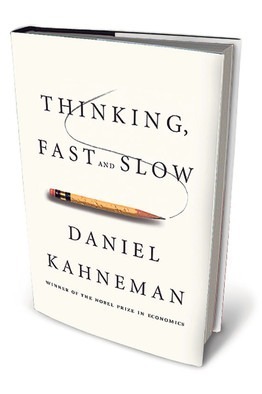
So Much for Snap Deci­sions (The Wall Street Jour­nal):
– “How is it that so many peo­ple make deci­sions that, from their per­spec­tive, seem so right—and turn out so wrong? Blame it, in part, on think­ing “fast.”

- “On some occa­sions, when the stakes are high, exam­in­ing the evi­dence more systematically—especially the evi­dence that makes you uncomfortable—is likely to be worthwhile.”

- “This is how sci­en­tists often oper­ate in eval­u­at­ing their own ideas. They imag­ine a severe reviewer who will be search­ing for weak­nesses in their argument.”

To Learn More:

How cognitive illusions blind us to reason
Fun arti­cle by Daniel Kah­ne­man based on his new book,Think­ing, Fast and Slow.

How cog­ni­tive illu­sions blind us to rea­son (The Guardian):

Why do Wall Street traders have such faith in their pow­ers of pre­dic­tion, when their suc­cess is largely down to chance? Daniel Kah­ne­man explains.

- “Look­ing back, the most strik­ing part of the story is that our knowl­edge of the gen­eral rule that we could not pre­dict had no effect on our con­fi­dence in indi­vid­ual cases. We were reluc­tant to infer the par­tic­u­lar from the gen­eral. Sub­jec­tive con­fi­dence in a judg­ment is not a rea­soned eval­u­a­tion of the prob­a­bil­ity that this judg­ment is cor­rect. Con­fi­dence is a feel­ing, which reflects the coher­ence of the infor­ma­tion and the cog­ni­tive ease of pro­cess­ing it. It is wise to take admis­sions of uncer­tainty seri­ously, but dec­la­ra­tions of high con­fi­dence mainly tell you that an indi­vid­ual has con­structed a coher­ent story in his mind, not nec­es­sar­ily that the story is true.” …

- “The sub­jec­tive expe­ri­ence of traders is that they are mak­ing sen­si­ble edu­cated guesses in a sit­u­a­tion of great uncer­tainty. In highly effi­cient mar­kets, how­ever, edu­cated guesses are no more accu­rate than blind guesses.”

Related arti­cles:

Mind Teaser: Consider Linda

Con­sider Linda, a 31-year-old woman, sin­gle and bright. As a stu­dent, she was deeply con­cerned with dis­crim­i­na­tion and social jus­tice and also par­tic­i­pated in anti-nuclear protests.

Which is more prob­a­ble? (a) Linda is today a bank teller; (b) Linda is a bank teller and active in the fem­i­nist movement.

Quick, what’s your answer?

Read the rest of this entry »

Brain Fitness @ Education, Training, Health events

Brain Fitness eventsIn what cat­e­gory does Brain Fit­ness fit? Edu­ca­tion, Pro­duc­tiv­ity and Train­ing, Health? Most of the inter­est so far has come from a Healthy Aging angle, but we are start­ing to see broader inter­est, as in the events below. After all, isn’t work­ing on our brains rel­e­vant to all those markets?.

2 busy weeks: I am attending/ speak­ing at a vari­ety of events. I will make sure to blog at least the take-aways from the main events daily, and Car­o­line will also add her per­spec­tive as much as possible.

A) Octo­ber 3-6th: The Aspen Health Forum at the Aspen Institute

B) Octo­ber 9th: First ses­sion of my class The Sci­ence of Brain Health and Brain Fit­ness at the UC-Berkeley Osher Life­long Learn­ing Insti­tute (OLLI)

C) Octo­ber 10th: Teach­ing Brain Fit­ness in Your Com­mu­nity, work­shop at an Amer­i­can Soci­ety on Aging (ASA) con­fer­ence for health professionals

D) Octo­ber 10th: Sci­ence at Work, Inter­view at the event The Future of Work: Ampli­fied Indi­vid­u­als, Ampli­fied Orga­ni­za­tions, orga­nized by the Insti­tute for the Future

—————————–

A) Octo­ber 3-6th: The Aspen Health Forum at the Aspen Insti­tute. This promises to be a fas­ci­nat­ing event. See below the pan­els I am attending-I will make sure to write some notes every day to keep you in the discussion.

Wednes­day Octo­ber 3rd:

Great Expec­ta­tions: Amer­i­can Atti­tudes toward Per­sonal Respon­si­bil­ity and Medicine

Health­care Re-Imagined: Learn­ing from Olympic Athletes

Thurs­day 4th:

The Dam­aged Brain: The Fight Against Neurodegeneration

The Human Ele­ment: A Can­did Con­ver­sa­tion about Pio­neers of Mod­ern Medicine

The Last Fron­tier: The Mind

Global Sci­en­tific Investment

Sci­ence Ver­sus the Bio­log­i­cal Clock Read the rest of this entry »

Top Articles on Brain Health and Neuroplasticity

  1. Debunk­ing 10 com­mon brain fit­ness myths, by Alvaro Fernandez
  2. Brain plas­tic­ity: How learn­ing changes your brain, by Pas­cale Michelon
  3. 8 Tips To Remem­ber What You Read, by Bill Klemm
  4. Why do You Turn Down the Radio When You’re Lost?, by Car­o­line Latham
  5. Retool­ing Brain Care With Low-Cost, Data-Driven Tech­nolo­gies, by Alvaro Fernandez
  6. Do you believe these neu­romyths?, by SharpBrains
  7. Six tips to build resilience and pre­vent brain-damaging stress, by SharpBrains
  8. Does cog­ni­tive train­ing work? (For Whom? For What?), by Pas­cale Michelon
  9. The Emo­tional Life of Your Brain, by by Richard David­son, Sharon Begley
  10. To Be (Your Con­nec­tome), or Not to Be (Your Genome), by Sebas­t­ian Seung
  11. Top 10 Brain Fit­ness Future Trends, by Alvaro Fernandez
  12. Biofeed­back now a “Level 1 — Best Sup­port” Inter­ven­tion for ADHD, by SharpBrains
  13. When 1 + 1 = 5: Dyscal­cu­lia and Work­ing Mem­ory, by Tracy Alloway
  14. Train­ing Atten­tion and Emo­tional Self-Regulation — Inter­view with Michael Pos­ner, by Alvaro Fernandez
  15. The Ten Habits of Highly Effec­tive Brains, by Alvaro Fernandez
  16. Does brain train­ing work? Yes, if it meets these 5 con­di­tions, by SharpBrains
  17. Cog­ni­tive ther­apy or med­ica­tion? Brain scans may help per­son­al­ize treat­ments, by SharpBrains
  18. New Study shows Teens with ADHD helped by Cog­ni­tive Behav­ioral Ther­apy, by David Rabiner
  19. How Do Words Change Our Brains and Lives?, by Andrew New­berg, Mark Waldman
  20. BBC “Brain Train­ing” Exper­i­ment: the Good, the Bad, the Ugly, by Alvaro Fernandez
  21. From Anti-Alzheimer’s “Magic Bul­lets” to True Brain Health, by Alvaro Fer­nan­dez, Peter Whitehouse
  22. Why Agile Minds Deploy Both Ratio­nal and Intu­itive Problem-Solving, by Judith Tingley
  23. Why I Wrote The Woman Who Changed Her Brain, by Bar­bara Arrowsmith-Young
  24. The Busi­ness and Ethics of the Brain Fit­ness Boom, by Alvaro Fernandez
  25. Break­ing Down the Cog­ni­tion & Alzheimer’s Dis­ease Alpha­bet Soup, by Dharma Singh Khalsa
  26. Top 10 Quotes on Life­long Neu­ro­plas­tic­ity, by Alvaro Fernandez
  27. To Har­ness Neu­ro­plas­tic­ity, Start with Enthu­si­asm, by Helena Popovic
  28. Q&A with Yaakov Stern on Brain Reserve, Exer­cise, Cog­ni­tive Train­ing, Angry Birds, by Alvaro Fernandez
  29. Eval­u­a­tion Check­list for Brain Fit­ness prod­ucts and games, by Alvaro Fernandez
  30. Mind­ful­ness and Med­i­ta­tion in Schools for Stress Man­age­ment, by Jill Sutie
  31. Stress and Neural Wreck­age: Part of the Brain Plas­tic­ity Puz­zle, by Gre­gory Kellet
  32. Cog­ni­tive and Emo­tional Devel­op­ment Through Play, by David Elkind
  33. AARP’s Brain Fit­ness Best Books List, by SharpBrains
  34. Judith Beck: Train Your Brain to Think Like a Thin Per­son, by Alvaro Fernandez
  35. Improve Mem­ory with Sleep, Prac­tice, and Test­ing, by Bill Klemm
  36. 10 Brain Tips To Teach and Learn, by Lau­rie Bartels
  37. Dr. Elkhonon Gold­berg on Cog­ni­tive Train­ing and Brain Fit­ness, by Alvaro Fernandez
  38. Mind­ful­ness Med­i­ta­tion for Adults & Teens with ADHD, by David Rabiner
  39. Phys­i­cal Exer­cise and Brain Health, by Pas­cale Michelon
  40. Sleep, Tetris, Mem­ory and the Brain, by Shan­non Moffet

Welcome to SharpBrains.com

As seen in The New York Times, The Wall Street Jour­nal, CNN and more, Sharp­Brains is an inde­pen­dent mar­ket research and think tank track­ing health and well-being appli­ca­tions of brain science.

Watch 2013 SharpBrains Summit Tutorial (3 minutes)

Summit_videocover

Register Now at Discounted Rates

2013 SharpBrains Summit
Enter Your Email and Sub­scribe to our free Monthly eNewslet­ter:
Join more than 40,000 Sub­scribers and stay informed and engaged.

Follow Us Via…

twitter_logo_header