

Posts Tagged ‘brain-myths’
Helping bridge neuroscience and education: 30+ experts debunk the theory of fixed, rigid “learning styles”
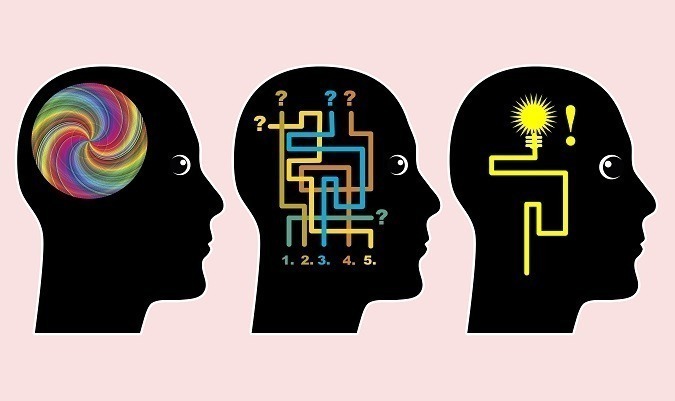
No evidence to back idea of learning styles (OpEd in The Guardian co-authored by 30+ neuroscientists and psychologists): “There is widespread interest among teachers in the use of neuroscientific research findings in educational practice. However, there are also misconceptions and myths that are supposedly based on sound neuroscience that are prevalent in our schools. We…
Read MoreUpdate: Ten Common Myths About Brain Health, Debunked
—– Time for a new edition of SharpBrains’ eNewsletter, full of stimulating articles and teasers. Happy Reading :-) New thinking: Let’s debunk ten brain myths that remain surprisingly popular DARPA launches Targeted Neuroplasticity Training program to accelerate cognitive skills training Under new CEO, Lumosity to expand brain training platform with focus on applied skills and broader social, wellness…
Read MoreLet’s debunk these ten brain and brain health myths

. In honor of Brain Awareness Week 2016, let’s debunk ten myths about the brain and brain health that remain surprisingly popular. Top 10 brain and brain health myths, debunked: Myth 1. Genes determine the fate of our brains. Fact: Lifelong brain plasticity means that our lifestyles and behaviors play a significant role in how our brains…
Read MoreDebunking popular brain myths

Three Myths About the Brain (The New York Times): “Myths about the brain typically arise in this fashion: An intriguing experimental result generates a plausible if speculative interpretation…that is later overextended or distorted (we use only 10% of our brain). The caricature ultimately infiltrates pop culture and takes on a life of its own, quite independent from…
Read MoreDebunking 10 Brain Fitness and Brain Health Myths during Brain Awareness Week
In honor of Brain Awareness Week, let’s debunk ten myths about brain fitness and brain health that remain surprisingly popular. Top 10 brain fitness and brain health myths, debunked: Myth 1. Genes determine the fate of our brains. Fact: Lifelong brain plasticity means that our lifestyles and behaviors play a significant role in how our brains (and therefore…
Read MoreDo you believe these neuromyths? Do we only use 10% of our brain?

Courtesy of the recent study Neuromyths in education: Prevalence and predictors of misconceptions among teachers, by Sanne Dekker et al, here you have 32 brain-related statements. Are they correct or incorrect? We use our brains 24 h a day (C ). Children must acquire their native language before a second language is learned. If they do…
Read More