Sharp Brains: Brain Fitness and Cognitive Health News

Neuroplasticity, Brain Fitness and Cognitive Health News

Upcoming Webinar: The Digital Brain Health Market 2012–2020

Just a quick note: next Wednes­day, Feb­ru­ary 27th, we’ll host the sec­ond and last webi­nar  to dis­cuss key mar­ket and com­pet­i­tive analy­ses based on “The Dig­i­tal Brain Health Mar­ket 2012–2020: Web-based, mobile and biometrics-based tech­nol­ogy to assess, mon­i­tor and enhance cog­ni­tion and brain func­tion­ing”, our new mar­ket report. Read the rest of this entry »

Webinar: The Digital Brain Health Market 2012–2020

Just a quick note: we’ll host a webi­nar this Wednes­day, Feb­ru­ary 6th, to dis­cuss key analy­ses and fore­casts based on “The Dig­i­tal Brain Health Mar­ket 2012–2020: Web-based, mobile and biometrics-based tech­nol­ogy to assess, mon­i­tor and enhance cog­ni­tion and brain func­tion­ing”, our new mar­ket report. Read the rest of this entry »

Update: From smart homes to smart people — where digital health meets brain fitness

Who said, “So for me the most excit­ing take­away from this year’s CES (Con­sumer Elec­tron­ics Show)  isn’t the smart car or the smart home, it’s the smart per­son…” You can find the answer, and many insights on brain health inno­va­tion, by read­ing Sharp­Brains’ Jan­u­ary 2013 eNewslet­ter. Enjoy!

Note: We’ll host a 90– minute webi­nar on Wednes­day, Feb­ru­ary 6th, to dis­cuss the main analy­sis and fore­casts from Sharp­Brains’ new mar­ket report “The Dig­i­tal Brain Health Mar­ket 2012–2020: Web-based, mobile and biometrics-based tech­nol­ogy to assess, mon­i­tor and enhance cog­ni­tion and brain func­tion­ing,” and to con­nect them with main take aways from CES 2013 and the just fin­ished World Eco­nomic Forum.

–> To learn how to access the webi­nar and the report,  click HERE

Upcoming webinar: The State of the Dig­i­tal Brain Health Mar­ket (Jan­u­ary 30th, 2013)

We will dis­cuss the main find­ings and inno­va­tion opportunities/ chal­lenges iden­ti­fied in Sharp­Brains’ new mar­ket report The Dig­i­tal Brain Health Mar­ket 2012–2020: Web-based, mobile and biometrics-based tech­nol­ogy to assess, mon­i­tor and enhance cog­ni­tion and brain func­tion­ing.

When: Wednes­day, Jan­u­ary 30th, 2013, 1–2.30pm US East­ern Time (live webi­nar will be recorded for later view­ing by reg­is­trants) Read the rest of this entry »

New market report analyzing the growing Digital Brain Health market 2012–2020

We are proud to release today what we believe is our best mar­ket intel­li­gence report so far, track­ing how fully auto­mated appli­ca­tions designed to assess, mon­i­tor and/ or enhance cog­ni­tion and brain func­tion­ing are trans­form­ing brain health, and health overall.

Here are a few exam­ples of what we mean by Dig­i­tal Brain Health, selected from among the 5 Mar­ket Lead­ers and 10 Com­pa­nies to Watch in 2013/2014 iden­ti­fied through our com­pre­hen­sive analysis.

  • A 30-minute online brain health assess­ment and per­son­al­ized brain fit­ness pro­gram used by large com­pa­nies like Nation­wide Insur­ance and Accen­ture to improve employee’s pro­duc­tiv­ity and men­tal wellness
  • An online cog­ni­tive train­ing pro­gram offered by sev­eral large AAA chap­ters to mem­bers age 50+ to improve dri­ving safety
  • A com­put­er­ized cog­ni­tive behav­ioral ther­apy offered by the NHS in the UK as a first-line inter­ven­tion for anx­i­ety and depression
  • A fully dig­i­tal head­set and plat­form that mea­sures basic brain states (such as level of atten­tion) and is being used to help peo­ple med­i­tate bet­ter and reduce ADHD symptoms
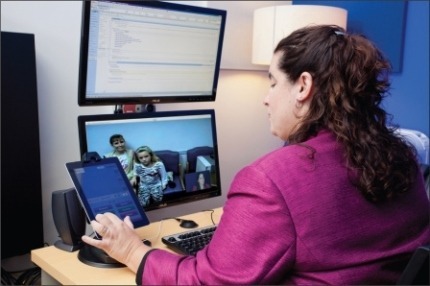
  • An iPad-based assess­ment that tracks cog­ni­tive per­for­mance over time to help detect con­cus­sions among football/ hockey play­ers and mil­i­tary per­son­nel Read the rest of this entry »

Transcendental Meditation and Working Memory Training To Enhance Executive Functions

New study shows Tran­scen­den­tal Med­i­ta­tion improves brain func­tion­ing in ADHD stu­dents (press release):

- “Prior research shows ADHD chil­dren have slower brain devel­op­ment and a reduced abil­ity to cope with stress,” said Dr. Stixrud. “Vir­tu­ally every­one finds it dif­fi­cult to pay atten­tion, orga­nize them­selves and get things done when they’re under stress,” he explained. “Stress inter­feres with Read the rest of this entry »

Michael Merzenich on Brain Training, Assessments, and Personal Brain Trainers

Dr. Michael Merzenich Dr. Michael Merzenich, Emer­i­tus Pro­fes­sor at UCSF, is a lead­ing pio­neer in brain plas­tic­ity research. In the late 1980s, Dr. Merzenich was on the team that invented the cochlear implant. In 1996, he was the found­ing CEO of Sci­en­tific Learn­ing Cor­po­ra­tion (Nas­daq: SCIL), and in 2004 became co-founder and Chief Sci­en­tific Offi­cer of Posit Sci­ence. He was elected to the National Acad­emy of Sci­ences in 1999 and to the Insti­tute of Med­i­cine this year. He retired as Fran­cis A. Sooy Pro­fes­sor and Co-Director of the Keck Cen­ter for Inte­gra­tive Neu­ro­science at the Uni­ver­sity of Cal­i­for­nia at San Fran­cisco in 2007. You may have learned about his work in one of PBS TV spe­cials, mul­ti­ple media appear­ances, or neuroplasticity-related books.

(Alvaro Fer­nan­dez) Dear Michael, thank you very much for agree­ing to par­tic­i­pate in the inau­gural Sharp­Brains Sum­mit in Jan­u­ary, and for your time today. sharpbrains_summit_logo_webIn order to con­tex­tu­al­ize the Summit’s main themes, I would like to focus this inter­view on the likely big-picture impli­ca­tions dur­ing the next 5 years of your work and that of other neu­ro­plas­tic­ity research and indus­try pioneers.

Thank you for invit­ing me. I believe the Sharp­Brains Sum­mit will be very use­ful and stim­u­lat­ing, you are gath­er­ing an impres­sive group together. I am look­ing for­ward to January.

Neuroplasticity-based Tools: The New Health & Well­ness Frontier

There are many dif­fer­ent technology-free approaches to har­ness­ing –enabling, dri­ving– neu­ro­plas­tic­ity. What is the unique value that tech­nol­ogy brings to the cog­ni­tive health table?

It’s all about effi­ciency, scal­a­bil­ity, per­son­al­iza­tion, and assured effec­tive­ness. Tech­nol­ogy sup­ports the imple­men­ta­tion of near-optimally-efficient brain-training strate­gies. Through the Inter­net, it enables the low-cost dis­tri­b­u­tion of these new tools, any­where out in the world. Tech­nol­ogy also enables the per­son­al­iza­tion of brain health train­ing, by pro­vid­ing sim­ple ways to mea­sure and address indi­vid­ual needs in each person’s brain-health train­ing expe­ri­ence. It enables assess­ments of your abil­i­ties that can affirm that your own brain health issues have been effec­tively addressed.

Of course sub­stan­tial gains could also be achieved by orga­niz­ing your every­day activ­i­ties that grow your neu­ro­log­i­cal abil­i­ties and sus­tain your brain health. Still, if the ordi­nary cit­i­zen is to have any real chance of main­tain­ing their brain fit­ness, they’re going to have to spend con­sid­er­able time at the brain gym!

One espe­cially impor­tant con­tri­bu­tion of tech­nol­ogy is the scal­a­bil­ity that it pro­vides for deliv­er­ing brain fit­ness help out into the world. Think about how effi­cient the drug deliv­ery sys­tem is today. Doc­tors pre­scribe drugs, insur­ance cov­ers them, and there is a drug store in every neigh­bor­hood in almost every city in the world so that every patient has access to them. Once neuroplasticity-based tools and out­comes and stan­dard­ized, we can envi­sion a sim­i­lar sce­nario. And we don’t need all those drug stores, because we have the Internet!

Hav­ing said this, there are obvi­ous obsta­cles. One main one, in my mind, is the lack of under­stand­ing of what these new tools can do. Cog­ni­tive train­ing pro­grams, for exam­ple, seem counter-intuitive to con­sumers and many pro­fes­sion­als “ why would one try to improve speed-of-processing if all one cares about is œmem­ory? A sec­ond obvi­ous prob­lem is to get indi­vid­u­als to buy into the effort required to really change their brains for the bet­ter. That buy-in has been achieved for many indi­vid­u­als as it applies to their phys­i­cal health, but we haven’t got­ten that far yet in edu­cat­ing the aver­age older per­son that brain fit­ness train­ing is an equally effort­ful business!

Tools for Safer Dri­ving: Teens and Adults

Safe dri­ving seems to be one area where the ben­e­fits are more intu­itive, which may explain the sig­nif­i­cant traction.

Yes, we see great poten­tial and inter­est among insur­ers for improv­ing dri­ving safety, both for seniors and teens. Appro­pri­ate cog­ni­tive train­ing can lower at-fault acci­dent rates. You can mea­sure clear ben­e­fits in rel­a­tively short time frames, so it won’t take long for insur­ers to see an eco­nomic ratio­nale to not only offer pro­grams at low cost or for free but to incen­tivize dri­vers to com­plete them. All­state, AAA, State Farm and other insur­ers are begin­ning to real­ize this poten­tial. It is impor­tant to note that typ­i­cal acci­dents among teens and seniors are dif­fer­ent, so that train­ing method­olo­gies will need to be dif­fer­ent for dif­fer­ent high-risk populations.

Yet, most dri­ving safety ini­tia­tives today still focus on edu­cat­ing dri­vers, rather that train­ing them neu­ro­log­i­cally. We mea­sure vision, for exam­ple, but com­pletely ignore atten­tional con­trol abil­i­ties, or a driver’s use­ful field of view. I expect this to change sig­nif­i­cantly over the next few years.

Long-term care and health insur­ance com­pa­nies will ulti­mately see sim­i­lar ben­e­fits, and we believe that they will fol­low a sim­i­lar course of action to reduce gen­eral med­ical and neu­rode­gen­er­a­tive dis­ease– (Mild Cog­ni­tive Impair­ment and Alzheimer’s– and Parkinsons-) related costs. In fact, many senior liv­ing com­mu­ni­ties are among the pio­neers in this field.

Boomers & Beyond: Main­tain­ing Cog­ni­tive Vitality

Main­stream media is cov­er­ing this emerg­ing cat­e­gory with thou­sands of sto­ries. But most cov­er­age seems still focused on does it work? more than “how do we define It”, what does work mean? or work for whom, and for what? Can you sum­ma­rize what recent research suggests?

We have seen clear pat­terns in the appli­ca­tion of our train­ing pro­grams, some pub­lished (like IMPACT), some unpub­lished, some with healthy adults, and some with peo­ple with mild cog­ni­tive impair­ment or early Alzheimers Dis­ease (AD). What we see in every case: Read the rest of this entry »

Top Articles on Brain, Cognition and Neuroplasticity

  1. Do you believe these neu­romyths?, by SharpBrains
  2. Brain Plas­tic­ity: How learn­ing changes your brain, by Pas­cale Michelon
  3. In the Age of Google, Should Schools Teach Mem­o­riza­tion Skills?, by Bill Klemm
  4. Does cog­ni­tive train­ing work? (For Whom? For What?), by Pas­cale Michelon
  5. The Emo­tional Life of Your Brain, by by Richard David­son, Sharon Begley
  6. Cur­rent State of the Sci­ence behind Neu­ro­feed­back Treat­ment for ADHD, by David Rabiner
  7. To Be (Your Con­nec­tome), or Not to Be (Your Genome), by Sebas­t­ian Seung
  8. Top 10 Brain Fit­ness Future Trends, by Alvaro Fernandez
  9. Biofeed­back now a “Level 1 — Best Sup­port” Inter­ven­tion for ADHD, by SharpBrains
  10. When 1 + 1 = 5: Dyscal­cu­lia and Work­ing Mem­ory, by Tracy Alloway
  11. Train­ing Atten­tion and Emo­tional Self-Regulation — Inter­view with Michael Pos­ner, by Alvaro Fernandez
  12. The Ten Habits of Highly Effec­tive Brains, by Alvaro Fernandez
  13. Why do You Turn Down the Radio When You’re Lost?, by Car­o­line Latham
  14. Brain fit­ness Q&A: Mem­ory, stress, emo­tions, by Alvaro Fernandez
  15. Cog­ni­tive ther­apy or med­ica­tion? Brain scans may help per­son­al­ize treat­ments, by SharpBrains
  16. New Study shows Teens with ADHD helped by Cog­ni­tive Behav­ioral Ther­apy, by David Rabiner
  17. How Do Words Change Our Brains and Lives?, by Andrew New­berg, Mark Waldman
  18. BBC “Brain Train­ing” Exper­i­ment: the Good, the Bad, the Ugly, by Alvaro Fernandez
  19. Sci­en­tific cri­tique of BBC/ Nature Brain Train­ing Exper­i­ment, by Liz Zelinski
  20. From Anti-Alzheimer’s “Magic Bul­lets” to True Brain Health, by Alvaro Fer­nan­dez, Peter Whitehouse
  21. Why Agile Minds Deploy Both Ratio­nal and Intu­itive Problem-Solving, by Judith Tingley
  22. Why I Wrote The Woman Who Changed Her Brain, by Bar­bara Arrowsmith-Young
  23. The Busi­ness and Ethics of the Brain Fit­ness Boom, by Alvaro Fernandez
  24. Break­ing Down the Cog­ni­tion & Alzheimer’s Dis­ease Alpha­bet Soup, by Dharma Singh Khalsa
  25. Top 10 Quotes on Life­long Neu­ro­plas­tic­ity, by Alvaro Fernandez
  26. To Har­ness Neu­ro­plas­tic­ity, Start with Enthu­si­asm, by Helena Popovic
  27. Q&A with Yaakov Stern on Brain Reserve, Exer­cise, Cog­ni­tive Train­ing, Angry Birds, by Alvaro Fernandez
  28. It is Not Only Cars That Deserve Good Main­te­nance: Brain Care 101, by Alvaro Fernandez
  29. Eval­u­a­tion Check­list for Brain Fit­ness prod­ucts and games, by Alvaro Fernandez
  30. Mind­ful­ness and Med­i­ta­tion in Schools for Stress Man­age­ment, by Jill Sutie
  31. Stress and Neural Wreck­age: Part of the Brain Plas­tic­ity Puz­zle, by Gre­gory Kellet
  32. Cog­ni­tive and Emo­tional Devel­op­ment Through Play, by David Elkind
  33. AARP’s Brain Fit­ness Best Books List, by SharpBrains
  34. Judith Beck: Train Your Brain to Think Like a Thin Per­son, by Alvaro Fernandez
  35. Improve Mem­ory with Sleep, Prac­tice, and Test­ing, by Bill Klemm
  36. 10 Brain Tips To Teach and Learn, by Lau­rie Bartels
  37. Dr. Elkhonon Gold­berg on Cog­ni­tive Train­ing and Brain Fit­ness, by Alvaro Fernandez
  38. Mind­ful­ness Med­i­ta­tion for Adults & Teens with ADHD, by David Rabiner
  39. Phys­i­cal Exer­cise and Brain Health, by Pas­cale Michelon
  40. Sleep, Tetris, Mem­ory and the Brain, by Shan­non Moffet

Welcome to SharpBrains.com

As seen in The New York Times, The Wall Street Jour­nal, CNN and more, Sharp­Brains is an inde­pen­dent mar­ket research and think tank track­ing health, edu­ca­tion, and pro­duc­tiv­ity appli­ca­tions of neuroscience.

Register Now at Discounted Rates

2013 SharpBrains Summit

Watch 10 Predictions on Digital Brain Health in 2013 (3 minutes)

Cover_video
Enter Your Email and Sub­scribe to our free Monthly eNewslet­ter:
Join more than 40,000 Sub­scribers and stay informed and engaged.

Follow Us Via…

twitter_logo_header