Sharp Brains: Brain Fitness and Cognitive Health News

Neuroplasticity, Brain Fitness and Cognitive Health News

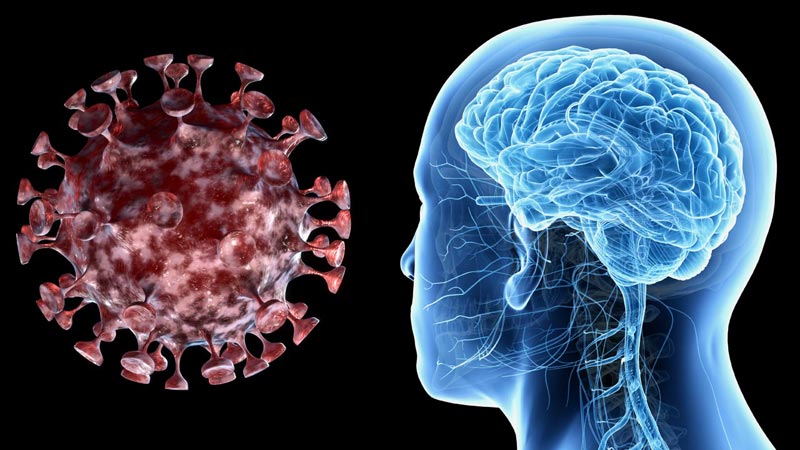
Brain Damage, Therapeutics and the Blood-Brain Barrier
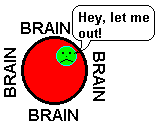
Blood-Brain Bar­rier Less Per­me­able in New­borns than Adults after Acute Stroke (press release):

The blood-brain bar­rier is selec­tively per­me­able and blocks unwanted mol­e­cules from enter­ing into the brain. The selec­tiv­ity is achieved Read the rest of this entry »

Stress and Neural Wreckage: Part of the Brain Plasticity Puzzle

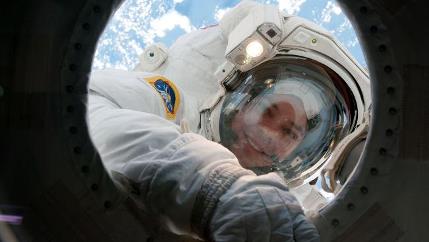
Victoria Crater MarsBelow you have a very insight­ful arti­cle on stress by one of our new Expert Con­trib­u­tors, Gre­gory Kel­let, a researcher at UCSF. Enjoy! (Credit for Pic of Vic­to­ria Crater in Mars: Mars Recon­nais­sance Orbiter, via Wikipedia).

———————————————-

My brain is fried, toast, fraz­zled, burnt out. How many times have you said or heard one ver­sion or another of these state­ments. Most of us think we are being fig­u­ra­tive when we utter such phrases, but research shows that the bio­log­i­cal con­se­quences of sus­tained high lev­els of stress may have us being more accu­rate than we would like to think.

Crash Course on Stress

Our bod­ies are a com­plex bal­anc­ing act between sys­tems work­ing full time to keep us alive and well. This bal­anc­ing act is con­stantly adapt­ing to the myr­iad of changes occur­ring every sec­ond within our­selves and our envi­ron­ments. When it gets dark our pupils dilate, when we get hot we sweat, when we smell food we sali­vate, and so forth. This con­stant bal­anc­ing act main­tains a range of sta­bil­ity in the body via change; and is often referred to as allosta­sis. Any change which threat­ens this bal­ance can be referred to as allo­sta­tic load or stress.

Allo­sta­tic load/stress is part of being alive. For exam­ple just by get­ting up in the morn­ing, we all expe­ri­ence a very impor­tant need to increase our heart rate and blood pres­sure in order to feed our newly ele­vated brain. Although usu­ally man­age­able, this is a change which the body needs to adapt to and, by our def­i­n­i­tion, a stressor.

Stress is only a prob­lem when this allo­sta­tic load becomes over­load. When change is exces­sive or Read the rest of this entry »

Looking inside the Brain: is my Brain Fit?

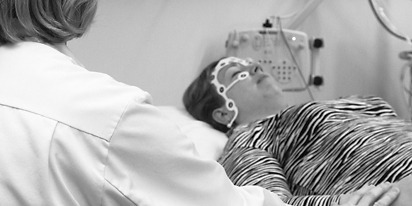
MRI scanner neuroimaging

Today we have the plea­sure to have Dr. Pas­cale Mich­e­lon, one of our new Expert Con­trib­u­tors, write her first arti­cle here. Enjoy, and please com­ment so we hear your thoughts and engage in a nice conversation.

(Btw, if you notice some sim­i­lar­ity between the col­ors in the fMRI scan below and the look & feel of this site…well, the rea­son is that those orange-grey fMRI col­ors were our inspi­ra­tion! the orange color denotes the most brain activation).

- Alvaro

————————————–

You have prob­a­bly heard about CAT and MRI scans (pro­duced thanks to machines like the one to the top right). So you know that these are tech­niques that doc­tors and sci­en­tists use to look inside the brain.

You have prob­a­bly also heard about brain fit­ness and how impor­tant it is to keep a healthy brain to be pro­tected against age-related and disease-related brain damages.

The ques­tion we ask here is the fol­low­ing: Can we use brain scans to eval­u­ate how fit the brain is? Before we try to answer this ques­tion let’s start with the basics and try to under­stand how brain scans work.

Brain imag­ing, also called neu­roimag­ing, allows one to Read the rest of this entry »

MindFit, Posit Science, Happy Neuron

The Seat­tle Times has a good brief arti­cle today on Posit Sci­ence, Happy Neu­ron Games and us (they men­tion Mind­Fit Brain Work­out to “work on short-term mem­ory, nam­ing, divided atten­tion, plan­ning, hand-eye coor­di­na­tion and other cog­ni­tive measures.”).

Check Is your brain ready for the challenge?

———

For the record (given a reader’s com­ment below I changed the word “focus” with “men­tion”), we think Posit Sci­ence offers a great and inten­sive pro­gram mostly focused on audi­tory pro­cess­ing, that Hap­pyNeu­ron offers a wider vari­ety of games online so it is a less struc­tured “pro­gram”, and Mind­Fit is a com­bi­na­tion of both approaches (struc­tured pro­gram, wide vari­ety). Each of them are use­ful tools-it depends on what you may want to accom­plish. Sharp­Brains does not pro­duce any of them.

Cogmed, Freeze-Framer, IntelliGym, MindFit, Posit Science

We are spend­ing more time talk­ing to jour­nal­ists these days. A fre­quent ques­tion we receive is, “OK, which computer-based pro­grams do you con­sider to be Brain Fit­ness Pro­grams, not just “games” for pure fun”?.

Our answer: the rate of devel­op­ment of new pro­grams by neu­ro­sci­en­tists world­wide is really increas­ing, and there are already a few out there that com­bine good under­ly­ing sci­ence with embed­ded qual­ity assess­ments and user-friendly guide­lines and exercises from a fit­ness and pre­ven­tion (vs. med­ical “pre­scrip­tion”) per­spec­tive. Some of these are:

Cogmed Work­ing Mem­ory Train­ing pro­gram (RoboMemo), helps chil­dren with atten­tion deficits to over­come the work­ing mem­ory gap. and is dis­trib­uted exclu­sively through selected clin­i­cal providers.

Freeze-Framer is a biometric-based sys­tem that helps peo­ple of all ages and occu­pa­tions (from stu­dents to nurses and traders) get into The Zone of opti­mal learn­ing and per­for­mance by man­ag­ing the neg­a­tive effects of stress and anx­i­ety. Our part­ner is the Insti­tute of HeartMath.

Intel­li­Gym  pro­vides a men­tal work­out to improve core bas­ket­ball abil­i­ties, such as coor­di­na­tion, atten­tion con­trol, periph­eral vision, and perception.  Yes, this can be trained. It is bas­ket­ball spe­cific, so we don’t rec­om­mend it for other sports. Our part­ner is ACE.

Mind­Fit helps train 14 dif­fer­ent cog­ni­tive func­tions that are impor­tant for healthy aging. Even if the activ­i­ties are help­ful for peo­ple of all ages (I per­son­ally use it as my “brain gym” dur­ing flights, being in my mid-30s), the look & feel is more appro­pri­ate for peo­ple over 50, so we rec­om­mend it mainly for that group. Our part­ner is Vig­or­ous Mind.

Posit Sci­ence offers an inten­sive pro­gram for train­ing core audi­tory pro­cess­ing abil­i­ties. Audi­tory pro­cess­ing is one of the areas that typ­i­cally decline with age, so this would be a great start­ing point for any­one, usu­ally above 60 given the mar­ket­ing we see in their web­site, who may be expe­ri­enc­ing prob­lems with his/ her hear­ing and under­stand­ing capa­bil­i­ties. We do not offer this pro­gram through our web­site, but cer­tainly respect their sci­en­tists and research.

We are con­stantly look­ing for new ones, so keep tuned.


Top Articles on Brain, Cognition and Neuroplasticity

  1. Do you believe these neu­romyths?, by SharpBrains
  2. Brain Plas­tic­ity: How learn­ing changes your brain, by Pas­cale Michelon
  3. In the Age of Google, Should Schools Teach Mem­o­riza­tion Skills?, by Bill Klemm
  4. Does cog­ni­tive train­ing work? (For Whom? For What?), by Pas­cale Michelon
  5. The Emo­tional Life of Your Brain, by by Richard David­son, Sharon Begley
  6. Cur­rent State of the Sci­ence behind Neu­ro­feed­back Treat­ment for ADHD, by David Rabiner
  7. To Be (Your Con­nec­tome), or Not to Be (Your Genome), by Sebas­t­ian Seung
  8. Top 10 Brain Fit­ness Future Trends, by Alvaro Fernandez
  9. Biofeed­back now a “Level 1 — Best Sup­port” Inter­ven­tion for ADHD, by SharpBrains
  10. When 1 + 1 = 5: Dyscal­cu­lia and Work­ing Mem­ory, by Tracy Alloway
  11. Train­ing Atten­tion and Emo­tional Self-Regulation — Inter­view with Michael Pos­ner, by Alvaro Fernandez
  12. The Ten Habits of Highly Effec­tive Brains, by Alvaro Fernandez
  13. Why do You Turn Down the Radio When You’re Lost?, by Car­o­line Latham
  14. Brain fit­ness Q&A: Mem­ory, stress, emo­tions, by Alvaro Fernandez
  15. Cog­ni­tive ther­apy or med­ica­tion? Brain scans may help per­son­al­ize treat­ments, by SharpBrains
  16. New Study shows Teens with ADHD helped by Cog­ni­tive Behav­ioral Ther­apy, by David Rabiner
  17. How Do Words Change Our Brains and Lives?, by Andrew New­berg, Mark Waldman
  18. BBC “Brain Train­ing” Exper­i­ment: the Good, the Bad, the Ugly, by Alvaro Fernandez
  19. Sci­en­tific cri­tique of BBC/ Nature Brain Train­ing Exper­i­ment, by Liz Zelinski
  20. From Anti-Alzheimer’s “Magic Bul­lets” to True Brain Health, by Alvaro Fer­nan­dez, Peter Whitehouse
  21. Why Agile Minds Deploy Both Ratio­nal and Intu­itive Problem-Solving, by Judith Tingley
  22. Why I Wrote The Woman Who Changed Her Brain, by Bar­bara Arrowsmith-Young
  23. The Busi­ness and Ethics of the Brain Fit­ness Boom, by Alvaro Fernandez
  24. Break­ing Down the Cog­ni­tion & Alzheimer’s Dis­ease Alpha­bet Soup, by Dharma Singh Khalsa
  25. Top 10 Quotes on Life­long Neu­ro­plas­tic­ity, by Alvaro Fernandez
  26. To Har­ness Neu­ro­plas­tic­ity, Start with Enthu­si­asm, by Helena Popovic
  27. Q&A with Yaakov Stern on Brain Reserve, Exer­cise, Cog­ni­tive Train­ing, Angry Birds, by Alvaro Fernandez
  28. It is Not Only Cars That Deserve Good Main­te­nance: Brain Care 101, by Alvaro Fernandez
  29. Eval­u­a­tion Check­list for Brain Fit­ness prod­ucts and games, by Alvaro Fernandez
  30. Mind­ful­ness and Med­i­ta­tion in Schools for Stress Man­age­ment, by Jill Sutie
  31. Stress and Neural Wreck­age: Part of the Brain Plas­tic­ity Puz­zle, by Gre­gory Kellet
  32. Cog­ni­tive and Emo­tional Devel­op­ment Through Play, by David Elkind
  33. AARP’s Brain Fit­ness Best Books List, by SharpBrains
  34. Judith Beck: Train Your Brain to Think Like a Thin Per­son, by Alvaro Fernandez
  35. Improve Mem­ory with Sleep, Prac­tice, and Test­ing, by Bill Klemm
  36. 10 Brain Tips To Teach and Learn, by Lau­rie Bartels
  37. Dr. Elkhonon Gold­berg on Cog­ni­tive Train­ing and Brain Fit­ness, by Alvaro Fernandez
  38. Mind­ful­ness Med­i­ta­tion for Adults & Teens with ADHD, by David Rabiner
  39. Phys­i­cal Exer­cise and Brain Health, by Pas­cale Michelon
  40. Sleep, Tetris, Mem­ory and the Brain, by Shan­non Moffet

Welcome to SharpBrains.com

As seen in The New York Times, The Wall Street Jour­nal, CNN and more, Sharp­Brains is an inde­pen­dent mar­ket research and think tank track­ing health, edu­ca­tion, and pro­duc­tiv­ity appli­ca­tions of neuroscience.

Register Now at Discounted Rates

2013 SharpBrains Summit

Watch 10 Predictions on Digital Brain Health in 2013 (3 minutes)

Cover_video
Enter Your Email and Sub­scribe to our free Monthly eNewslet­ter:
Join more than 40,000 Sub­scribers and stay informed and engaged.

Follow Us Via…

twitter_logo_header