Sharp Brains: Brain Fitness and Cognitive Health News

Neuroplasticity, Brain Fitness and Cognitive Health News

Update: From smart homes to smart people — where digital health meets brain fitness

Who said, “So for me the most excit­ing take­away from this year’s CES (Con­sumer Elec­tron­ics Show)  isn’t the smart car or the smart home, it’s the smart per­son…” You can find the answer, and many insights on brain health inno­va­tion, by read­ing Sharp­Brains’ Jan­u­ary 2013 eNewslet­ter. Enjoy!

Note: We’ll host a 90– minute webi­nar on Wednes­day, Feb­ru­ary 6th, to dis­cuss the main analy­sis and fore­casts from Sharp­Brains’ new mar­ket report “The Dig­i­tal Brain Health Mar­ket 2012–2020: Web-based, mobile and biometrics-based tech­nol­ogy to assess, mon­i­tor and enhance cog­ni­tion and brain func­tion­ing,” and to con­nect them with main take aways from CES 2013 and the just fin­ished World Eco­nomic Forum.

–> To learn how to access the webi­nar and the report,  click HERE

TEDWeekends: Retooling Brain Care With Low-Cost, Data-Driven Technologies
I was asked to con­tribute to this weekend’s TED­Week­end on how “Sim­ple Solu­tions Can Heal the Masses,” by com­ment­ing on a great TEDTalk by Max Lit­tle, “A Test For Parkinson’s With A Phone Call.”

Enjoy, share, and please add your two cents to my arti­cle: Retool­ing Brain Care With Low-Cost, Data-Driven Tech­nolo­gies (The Huff­in­g­ton Post)

Brain Injury Care: Treatment and Reimbursement Challenges
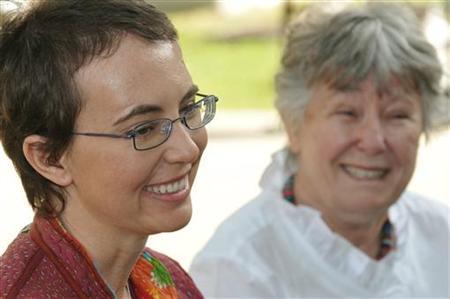
Gif­fords May Get Bet­ter Brain-Injury Care Than Most of Her Con­stituents (ProPublica):

Despite the need for more research, Gif­fords’ story shows the poten­tial of the treat­ments now avail­able. But accord­ing to Susan Con­nors, the pres­i­dent of the Brain Injury Asso­ci­a­tion of Amer­ica, what treat­ment you receive depends heav­ily on your state, insur­ance plan (or lack of one), hos­pi­tal and the peo­ple advo­cat­ing for you.” Read the rest of this entry »

Update: Innovation to Upgrade Brain Care

Here you have the July107px-gray1197thumbnail edi­tion of our monthly eNewslet ter cov­er­ing cog­ni­tive health and brain fit­ness top­ics. Please remem ber that you can sub­scribe to receive this free Brain Fit­ness eNewslet­ter by email, using the box in the right column.

Tech­nol­ogy to upgrade brain care: In this exten­sive inter­view, Dr. John Docherty helps con­nect the dots on why new frame­works and tools are a must to put recent brain research to good use. A must read for all pro­fes­sion­als in the field.

Research

Find­ings from NIH Expert Panel: The Amer­i­can Soci­ety on Aging asked Alvaro Fer­nan­dez to com­ment on the find­ings from a major cog­ni­tive health research review by the National Insti­tutes of Health. Lifestyle still mat­ters, and pro­tec­tive fac­tors against cog­ni­tive decline are led by cog­ni­tive train­ing, phys­i­cal activ­ity and cog­ni­tive engagement.

Sci­en­tific cri­tique of BBC brain train­ing exper­i­ment: Dr. Eliz­a­beth Zelin­ski shares her con­cerns about the April 2010 BBC study, which included sub­stan­tial and unex­plained dropout rates, and ques­tion­able out­come mea­sure­ment and interpretation.

The value of being bilin­gual and build­ing a Cog­ni­tive Reserve to pre­serve learn­ing and mem­ory even in the face of brain dam­age are explored in recent studies.

San Fran­cisco Bay Area study seeks par­tic­i­pants: The Gaz­za­ley Lab at UCSF is look­ing for par­tic­i­pants aged 20–59 to explore the impact of dis­trac­tion and mul­ti­task­ing on per­for­mance across the lifespan.


Inno­va­tion

What impressed Inno­va­tion Awards Judg­ing Panel: Get some insight into what most impressed the Judg­ing Panel about each Win­ner and Final­ist of the 2010 Brain Fit­ness Inno­va­tion Awards.

New — Sharp­Brains’ 2010 Mar­ket Report:  Sharp­Brains’ flag­ship, 207-page, third annual mar­ket report finds con­tin­ued growth for dig­i­tal tech­nolo­gies to assess, enhance and treat cognition.

To man­age brain fit­ness through life, we need to put puz­zle pieces together: inno­v­a­tive tools to help us bet­ter mon­i­tor our cog­ni­tive health and take informed action are badly needed.…and already emerging.

The inter­net will fry your brain. Sure: In his lat­est book, Nicholas Carr does a great job high­light­ing the impli­ca­tions of life­long neuro­plasticity, but picks the wrong enemy.

“Seri­ous Games”:  Can video games inspire peo­ple to per­form acts of altru­ism? Kyle Smith reports.

Teasers

Yahoo Opti­cal Illu­sions and teasers: Yahoo! has cre­ated an expanded sec­tion of illu­sions and teasers, and we were glad to con­tribute to it. Enjoy…and have a great summer!

Technology as the missing link to enable a brain-based model of brain care: interview with Dr. John Docherty

Dr. John Docherty is an Adjunct Pro­fes­sor of Psy­chi­a­try at the Weill Med­ical Col­lege, Cor­nell Uni­ver­sity, Direc­tor of Post Grad­u­ate Edu­ca­tion there, and Chief Med­ical Offi­cer of Brain Resource. Trained as a clin­i­cal research fel­low in neu­ropsy­chophar­ma­col­ogy at NIMH, he later returned as Chief of the Psy­choso­cial Treat­ments Research Branch, respon­si­ble for all fed­er­ally sup­ported psy­choso­cial treat­ment research in men­tal health nation­wide. He over­saw the land­mark National Col­lab­o­ra­tive Study of the Treat­ment of Depres­sion and served as a mem­ber and Chair­man for over 10 years on the NIMH and then NIDA Treat­ment Research IRGs. Dr. Docherty has wide expe­ri­ence in suc­cess­fully imple­ment­ing inno­va­tion in both clin­i­cal oper­a­tions and man­aged health care. He founded North­east Psy­chi­atric Asso­ciates in 1985. As National Med­ical Direc­tor for National Med­ical Enter­prises, he over­saw med­ical con­trol and qual­ity improve­ment in 74 hos­pi­tals in 34 states. He was the Exec­u­tive Vice-President and Chief Med­ical Offi­cer for Merit Behav­ioral Care, which then cov­ered 30 mil­lion peo­ple. In 1998, he founded Com­pre­hen­sive Neu­ro­Science (CNS). Its Care Man­age­ment Tech­nolo­gies are cur­rently imple­mented in 17 state Med­ic­aid plans. Dr Docherty has received numer­ous hon­ors and awards and has authored over 100 sci­en­tific publications.

(Editor’s note: this inter­view with Dr. John Docherty was orig­i­nally pub­lished in Sharp­Brains’ mar­ket report Trans­form­ing Brain Health with Dig­i­tal Tools to Assess, Enhance and Treat Cog­ni­tion across the Lifes­pan, pub­lished in July 2010)

Alvaro Fer­nan­dez: Dr. Docherty, it is a plea­sure to be with you today to dis­cuss the main theme of Sharp­Brains’ 2010 mar­ket report – how the con­ver­gence of sci­en­tific find­ings and tech­nol­ogy plat­forms and tools is reshap­ing how as a soci­ety and as indi­vid­u­als we will take care of cog­ni­tion and men­tal well­ness along the life­course, giv­ing birth to the emerg­ing dig­i­tal brain health and fit­ness mar­ket. Can you first briefly dis­cuss your career tra­jec­tory and your cur­rent role at Brain Resource?

Dr. John Docherty: Sure. The main theme of my work since the 1960s has remained the same, “How do we put knowl­edge into effec­tive use to improve men­tal health?” Over the last cen­tury, med­i­cine made tremen­dous progress in gen­er­at­ing sci­en­tific and clin­i­cal knowl­edge. Basic research dis­cov­ery sci­ence and clin­i­cal treat­ment devel­op­ment sci­ence have made great progress. Within Psy­chi­a­try there was stan­dard set­ting advance in the 1960’s through the NIMH-VA coop­er­a­tive stud­ies to the method­ol­ogy of assess­ing the effi­cacy of psy­chophar­ma­co­log­i­cal drugs. This work estab­lished prin­ci­ples adopted for the study of med­ica­tions in the other areas of med­i­cine. The study of psy­chother­apy, how­ever, lagged in devel­op­ment. In my role of Chief of the Psy­choso­cial Treat­ments Branch of the NIMH , I helped con­tribute to the advance of that work by sup­port­ing the efforts of an extra­or­di­nary group of indi­vid­u­als led by Irene Waskow who car­ried out the TDCRP. This study estab­lished the method­olo­gies that made pos­si­ble the effec­tive sci­en­tific study of the effi­cacy of psy­chother­a­pies. The evi­dence base and of such treat­ments as CBT, DBT, Moti­va­tional Enhance­ment Treat­ment and other evidence-based psy­chother­a­pies derives directly from this study and its sem­i­nal influ­ence. This was a con­tri­bu­tion to the sci­ence of Clin­i­cal Treat­ment Devel­op­ment research.

I would say that my major inter­est, how­ever, has been in the next step, the sci­ence of knowl­edge trans­fer. There has been and remains a long and costly (in terms par­tic­u­larly of unnec­es­sary suf­fer­ing) lag between the devel­op­ment of new knowl­edge and its com­mon and effec­tive use in practice.

In order the help the field moved for­ward, I have worked for the last 20 years in the devel­op­ment and imple­men­ta­tion of meth­ods to effec­tively trans­fer knowl­edge into prac­tice. Read the rest of this entry »

Update: Reinventing Brain Care In Light of Lifelong Neuroplasticity

Here you have the March107px-gray1197thumbnail edi­tion of our monthly eNewslet­ter cov­er­ing cog­ni­tive health and brain fit­ness top­ics. Please remem­ber that you can sub­scribe to receive this free Brain Fit­ness eNewslet­ter by email, using the box in the right column.

Designed to fos­ter inno­va­tion and best prac­tice shar­ing by cel­e­brat­ing out­stand­ing pio­neers who apply neuroplasticity-based research and tools in the “real world”, the new Brain Fit­ness Inno­va­tion Awards are accept­ing entries until April 15th. You can sub­mit an entry, and learn about the Judges, Prizes and Fre­quently Asked Ques­tions, by click­ing on 2010 Brain Fit­ness Inno­va­tion Awards. Win­ners will be announced on May 24th dur­ing the Sharp­Brains Sum­mit on the State of The Brain Fit­ness Market.

The Big Picture

A Decade After the Decade of the Brain:  “Dur­ing the past two decades, neu­ro­sci­en­tists have steadily built the case that the human brain, even when fully mature, is far more plastic—changing and malleable—than we orig­i­nally thought. It turns out that the brain (at all ages) is highly respon­sive to envi­ron­men­tal stim­uli and that con­nec­tions between neu­rons are dynamic and can rapidly change within min­utes of stim­u­la­tion”, says Dr. Nora Volkow, Direc­tor of one of the National Insti­tutes of Health (NIH), while dis­cussing the med­ical and edu­ca­tional impli­ca­tions of neu­ro­plas­tic­ity in this arti­cle pre­pared for Dana Foundation’s Cere­brum.

Improv­ing Care through Pol­icy, Stan­dards, and Tech­nol­ogy: Patrick Dono­hue, founder of the Sarah Jane Brain Project, granted Sharp­Brains an extended inter­view to dis­cuss the PABI Plan in front of Con­gress, which may pass soon and help develop a model sys­tem for Pedi­atric Acquired Brain Injuries (PABI) which is the lead­ing cause of death and dis­abil­ity for chil­dren and young adults from birth through 25 years of age in the United States. This plan has the poten­tial to fun­da­men­tally trans­form brain care through the use of neu­roin­for­mat­ics and stan­darized sys­tems of care. As Patrick points out, “tech­nol­ogy is a very strong com­po­nent to ensure scal­a­bil­ity and fos­ter inno­va­tion. Our expec­ta­tion is that some genius stu­dent at MIT will find a way to ana­lyze all the med­ical records, find pat­terns and pre­dict poten­tial solu­tions that can help spe­cific patients.”

News

Cog­ni­tive therapy’s grow­ing adop­tion in the UK: Since the UK’s National Insti­tute for Health and Clin­i­cal Excel­lence (NICE) said that cog­ni­tive behav­ioral ther­apy (CBT) should be the first-line treat­ment for mild to mod­er­ate depres­sion –fol­lowed by drugs only if it proves unsuc­cess­ful– this type of men­tal train­ing is gain­ing wider pro­mo­tion by the National Health Ser­vice. We see US-based insur­ance com­pa­nies tak­ing good note.

Research Part­ner­ship on Cog­ni­tive Aging: The National Insti­tute on Aging and McK­night Foun­da­tion part­ner to invest $28m in research given that “emerg­ing evi­dence sug­gests that cer­tain inter­ven­tions — such as exer­cise, envi­ron­men­tal enrich­ment, diet, social engage­ment, cog­ni­tive train­ing and stress reduc­tion — should be stud­ied more inten­sively to deter­mine if they might pre­vent or reduce declines in cog­ni­tive health”. We laud the ini­tia­tive, and fur­ther ask: Why $28 mil­lion and not, say, $300m (one dol­lar per liv­ing Amer­i­can who tomor­row will be one day older than he or she is today)?, Why the empha­sis on “pre­vent, reduce or reverse decline” and not on “develop, improve, main­tain brain func­tion­al­ity for qual­ity of life and productivity”?

Mind Stretch­ing

10 Mitos sobre el Cere­bro y el Entre­namiento Men­tal: By pop­u­lar demand, we trans­lated the arti­cle Debunk­ing 10 Brain and Brain Fit­ness Myths to Span­ish. Can you give it a try in Span­ish first and see how it goes? If you are look­ing for added men­tal exer­cise and want to help us trans­late it to other lan­guages, please let us know!

Brain Fit­ness Sur­vey: please spare 5–10 min­utes with us, answer­ing a few stim­u­lat­ing ques­tions such as “How impor­tant do you believe are the fol­low­ing brain func­tions to thrive per­son­ally and pro­fes­sion­ally in the XXI century”?

Finally, a quick note. I am going to travel exten­sively in Europe between June and Novem­ber 2010. If you want to pro­pose speak­ing or con­sult­ing engage­ments there, please Con­tact Us.

Have a stim­u­lat­ing Spring!

PABI Plan: Reinventing Brain Care Through Policy, Standards, Tech, Neuroinformatics

Today, in honor of both Brain Aware­ness Week (March 15–21) and Brain Injury Aware­ness Month (March), it is my plea­sure to inter­view Patrick Dono­hue, founder of the Sarah Jane Brain Project, a foun­da­tion launched in 2007 with the explicit aim to cre­ate a model sys­tem for chil­dren suf­fer­ing from all Pedi­atric Acquired Brain Injuries, and an implicit poten­tial, in my view, to fun­da­men­tally trans­form med­ical research through the use of neu­roin­for­mat­ics and stan­darized sys­tems of care.

The Foun­da­tion: Story and Objectives

Alvaro Fer­nan­dez: Patrick, thank you very much for your time today. Can you please pro­vide an over­all per­spec­tive into what you are doing and why?

Patrick: Of course. The Sarah Jane Brain Project, tdy_robach_shakenbaby_081114.300w named after my daugh­ter Sarah Jane, started when she was shaken by her baby nurse when she was 5 days of age, which resulted in a severe brain injury. Through my con­tin­ued efforts to help her, I couldn’t help but notice that the whole field of brain injury needs to make huge progress in a short time frame if it is to really help Sarah Jane — and thou­sands of chil­dren like her — with pro­vid­ing evidence-based, stan­dard­ized sys­tems of care. Prob­a­bly 85% of patient needs are com­mon, yet each case seems to require rein­vent­ing the wheel. Worse, lit­tle research has been done on children’s rehabilitation.

We prob­a­bly know about 5% of what we will even­tu­ally know about the brain. The sys­tems of research and care remind me of the com­puter sci­ence field in the 1950s: very promis­ing, but frac­tured and incon­sis­tent. In con­sult­ing with many experts on ways to accel­er­ate progress, we real­ized we need to bring both sig­nif­i­cantly more resources and open source prin­ci­ples to the field of pedi­atric neu­rol­ogy. We launched the Sarah Jane Brain Project to trans­form the field to help Sarah Jane and thou­sands of kids like her.

Before you launched the Foun­da­tion, you worked as a lawyer and polit­i­cal con­sul­tant. How did that back­ground help, or hin­der, those very ambi­tious goals?

I believe my back­ground was a great help, to bring an out­side per­spec­tive to the prob­lems that many sci­en­tists and doc­tors were already work­ing on, and to know how to work with politi­cians and policy-makers to obtain needed atten­tion and resources.

Pedi­atric Trau­matic Brain Injury (PTBI) is the lead­ing cause of death and dis­abil­ity for chil­dren and young adults from birth through 25 years of age in the United States, with more new cases in any given year than HIV/AIDS and Autism com­bined, yet it only receives a paultry por­tion of fed­eral research money (we are talk­ing a few mil­lion for brain injury vs, lit­er­ally, bil­lions toward other dis­ease states that have less cases), and it was basi­cally ignored dur­ing the ongo­ing health reform process.

Talk­ing to dozens of experts, I met mul­ti­ple net­works and indi­vid­u­als in the TBI care com­mu­nity who had already iden­ti­fied the need to develop a solid pedi­atric model sys­tem, but needed sup­port and resources. We brain­stormed poten­tial strate­gies, and came to see that we would need to cover all Acquired Brain Injury (includ­ing both trau­matic and not trau­matic causes), to increase learn­ing, and to truly be, as I often say, “on the side of the angels” (I have wit­nessed before how move­ments fail when they start to become myopic and arbi­trary). We also decided to cover birth to 25 years of age, given the slow mat­u­ra­tion of the frontal lobes. We wanted to develop best plan pos­si­ble, irre­spec­tive of sta­tus quo con­sid­er­a­tions. For exam­ple, we con­sciously decided not to tai­lor our plan to the idio­syn­cratic pref­er­ences of dif­fer­ent fund­ing sources, but to present the National PABI Plan, a large, and unso­licited, multi-department grant that crossed 7 departments.

Polit­i­cal ears respond to vic­tims’ sto­ries, and to budget-neutral plans. Our con­cur­rent res­o­lu­tion of Con­gress (H.Con.Res.198) has over 100 co-sponsors in the U.S. House. This mea­sure has the United States Con­gress endors­ing this National PABI Plan as the plan to pre­vent, iden­tify and treat all brain injuries from birth through 25 years of age while encour­ag­ing fed­eral, state and local gov­ern­ments to begin imple­ment­ing it. We expect it to pass very soon.

Pol­icy Inno­va­tion at Fed­eral and State Lev­els

Please explain the ori­gins and core ele­ments of the PABI Plan (opens 500+ PDF document)

Our National Advi­sory imagesBoard gath­ered in New York City for a three-day con­fer­ence on Jan­u­ary 8–10, 2009, to fin­ish draft­ing the PABI Plan. On Jan­u­ary 20, 2009, we sent the first let­ter to Pres­i­dent Barack Obama at 12:01 p.m. intro­duc­ing the PABI Plan to him.

At its core, the PABI plan wants to fund and imple­ment a new model sys­tem, using open source infor­mat­ics for the first time in med­ical his­tory, to assist in the study and reha­bil­i­ta­tion of chil­dren suf­fer­ing from Pedi­atric Acquired Brain Injury (PABI). Fam­i­lies will be able to make avail­able, on an anony­mous basis, the com­plete med­ical and ther­apy records and infor­ma­tion of chil­dren suf­fer­ing from PABI to doc­tors, researchers, other par­ents and care­givers, ther­a­pists, stu­dents and the gen­eral public.

Our part­ners in this are 52 State Lead Cen­ters that will focus on devel­op­ing evidence-based stan­darized sys­tem of care across 7 cat­e­gories of care. They will develop Read the rest of this entry »

Top Articles on Brain, Cognition and Neuroplasticity

  1. Do you believe these neu­romyths?, by SharpBrains
  2. Brain Plas­tic­ity: How learn­ing changes your brain, by Pas­cale Michelon
  3. In the Age of Google, Should Schools Teach Mem­o­riza­tion Skills?, by Bill Klemm
  4. Does cog­ni­tive train­ing work? (For Whom? For What?), by Pas­cale Michelon
  5. The Emo­tional Life of Your Brain, by by Richard David­son, Sharon Begley
  6. Cur­rent State of the Sci­ence behind Neu­ro­feed­back Treat­ment for ADHD, by David Rabiner
  7. To Be (Your Con­nec­tome), or Not to Be (Your Genome), by Sebas­t­ian Seung
  8. Top 10 Brain Fit­ness Future Trends, by Alvaro Fernandez
  9. Biofeed­back now a “Level 1 — Best Sup­port” Inter­ven­tion for ADHD, by SharpBrains
  10. When 1 + 1 = 5: Dyscal­cu­lia and Work­ing Mem­ory, by Tracy Alloway
  11. Train­ing Atten­tion and Emo­tional Self-Regulation — Inter­view with Michael Pos­ner, by Alvaro Fernandez
  12. The Ten Habits of Highly Effec­tive Brains, by Alvaro Fernandez
  13. Why do You Turn Down the Radio When You’re Lost?, by Car­o­line Latham
  14. Brain fit­ness Q&A: Mem­ory, stress, emo­tions, by Alvaro Fernandez
  15. Cog­ni­tive ther­apy or med­ica­tion? Brain scans may help per­son­al­ize treat­ments, by SharpBrains
  16. New Study shows Teens with ADHD helped by Cog­ni­tive Behav­ioral Ther­apy, by David Rabiner
  17. How Do Words Change Our Brains and Lives?, by Andrew New­berg, Mark Waldman
  18. BBC “Brain Train­ing” Exper­i­ment: the Good, the Bad, the Ugly, by Alvaro Fernandez
  19. Sci­en­tific cri­tique of BBC/ Nature Brain Train­ing Exper­i­ment, by Liz Zelinski
  20. From Anti-Alzheimer’s “Magic Bul­lets” to True Brain Health, by Alvaro Fer­nan­dez, Peter Whitehouse
  21. Why Agile Minds Deploy Both Ratio­nal and Intu­itive Problem-Solving, by Judith Tingley
  22. Why I Wrote The Woman Who Changed Her Brain, by Bar­bara Arrowsmith-Young
  23. The Busi­ness and Ethics of the Brain Fit­ness Boom, by Alvaro Fernandez
  24. Break­ing Down the Cog­ni­tion & Alzheimer’s Dis­ease Alpha­bet Soup, by Dharma Singh Khalsa
  25. Top 10 Quotes on Life­long Neu­ro­plas­tic­ity, by Alvaro Fernandez
  26. To Har­ness Neu­ro­plas­tic­ity, Start with Enthu­si­asm, by Helena Popovic
  27. Q&A with Yaakov Stern on Brain Reserve, Exer­cise, Cog­ni­tive Train­ing, Angry Birds, by Alvaro Fernandez
  28. It is Not Only Cars That Deserve Good Main­te­nance: Brain Care 101, by Alvaro Fernandez
  29. Eval­u­a­tion Check­list for Brain Fit­ness prod­ucts and games, by Alvaro Fernandez
  30. Mind­ful­ness and Med­i­ta­tion in Schools for Stress Man­age­ment, by Jill Sutie
  31. Stress and Neural Wreck­age: Part of the Brain Plas­tic­ity Puz­zle, by Gre­gory Kellet
  32. Cog­ni­tive and Emo­tional Devel­op­ment Through Play, by David Elkind
  33. AARP’s Brain Fit­ness Best Books List, by SharpBrains
  34. Judith Beck: Train Your Brain to Think Like a Thin Per­son, by Alvaro Fernandez
  35. Improve Mem­ory with Sleep, Prac­tice, and Test­ing, by Bill Klemm
  36. 10 Brain Tips To Teach and Learn, by Lau­rie Bartels
  37. Dr. Elkhonon Gold­berg on Cog­ni­tive Train­ing and Brain Fit­ness, by Alvaro Fernandez
  38. Mind­ful­ness Med­i­ta­tion for Adults & Teens with ADHD, by David Rabiner
  39. Phys­i­cal Exer­cise and Brain Health, by Pas­cale Michelon
  40. Sleep, Tetris, Mem­ory and the Brain, by Shan­non Moffet

Welcome to SharpBrains.com

As seen in The New York Times, The Wall Street Jour­nal, CNN and more, Sharp­Brains is an inde­pen­dent mar­ket research and think tank track­ing health, edu­ca­tion, and pro­duc­tiv­ity appli­ca­tions of neuroscience.

Register Now at Discounted Rates

2013 SharpBrains Summit

Watch 10 Predictions on Digital Brain Health in 2013 (3 minutes)

Cover_video
Enter Your Email and Sub­scribe to our free Monthly eNewslet­ter:
Join more than 40,000 Sub­scribers and stay informed and engaged.

Follow Us Via…

twitter_logo_header