

Posts Tagged ‘Brain-atrophy’
Ballroom dancing can reduce aging-related brain atrophy in the hippocampus (and, more than treadmill walking!)

Social ballroom dancing can improve cognitive functions and reduce brain atrophy in older adults who are at increased risk for Alzheimer’s disease and other forms of dementia. That’s the key finding of my team’s recently published study in the Journal of Aging and Physical Activity. In our study, we enrolled 25 adults over 65 years…
Read MoreThe Mediterranean Diet seen to substantially reduce brain shrinkage among older adults
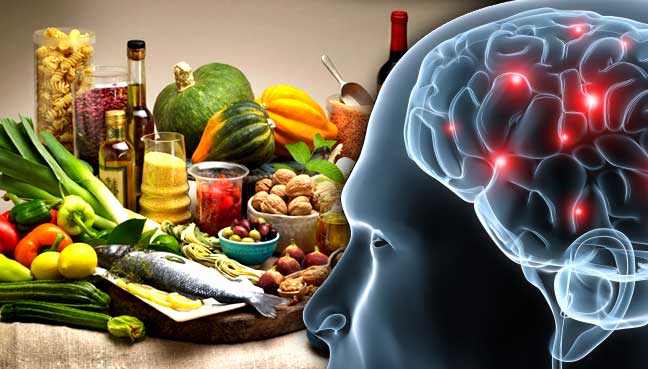
—– Less shrinkage: This is your aging brain on the Mediterranean diet (Los Angeles Times): “The aging brain is a shrinking brain, and a shrinking brain is, generally speaking, a brain whose performance and reaction time are declining: That is a harsh reality of growing older. But new research shows that brain shrinkage is less pronounced in…
Read MoreTop 10 Quotes on Lifelong Neuroplasticity and Neurogenesis (and a Call to eBook Readers)

You may have noticed that Amazon.com is sharing aggregated data on how ebook readers interact with the books they are reading. For example, the “Popular Highlights” section (towards the bottom of our Kindle book page) ranks the Top 10 sentences that Kindle readers have highlighted and shared while reading The SharpBrains Guide to Brain Fitness: 18…
Read MoreDecember Update: Wishing You and Yours a Very Brain-Fit Decade

Here is a December update on brain newsletter, which discussed everything about brain health and brain fitness across all sectors.
Read MoreMemory Training Reduces Brain Atrophy
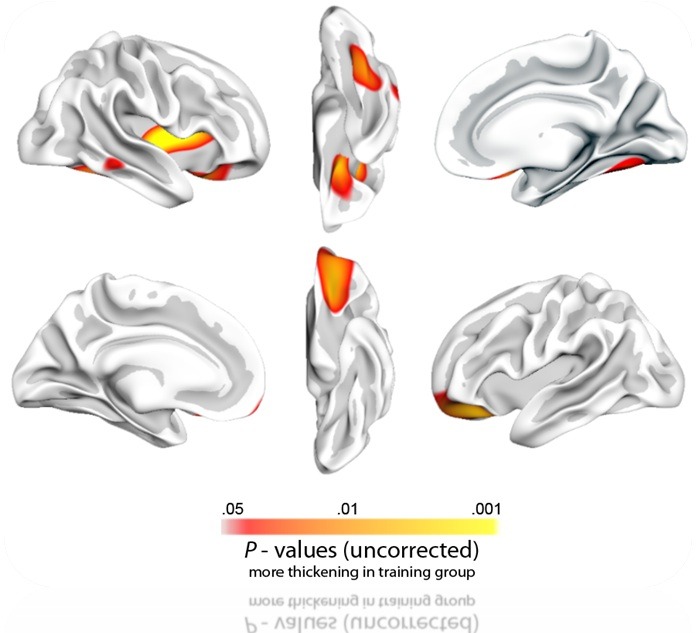
Researchers currently believe that the atrophy is more likely to be driven by nerve cells shrinking and loss of connections between nerve cells. Memory training reduces brain atrophy.
Read MoreMinding the Aging Brain
Cognitive training (the basis for what we call “brain fitness” these days) has a wide array of applications. The most recent one, which is capturing public’s imagination, monopolizing media coverage, and creating certain confusion, is Healthy Brain Aging. We are fortunate to have Dr. Joshua Steinerman, one of our new Expert Contributors, offer today his…
Read More