

Posts Tagged ‘attention’
3 ways to manage smartphone use and improve quality of life
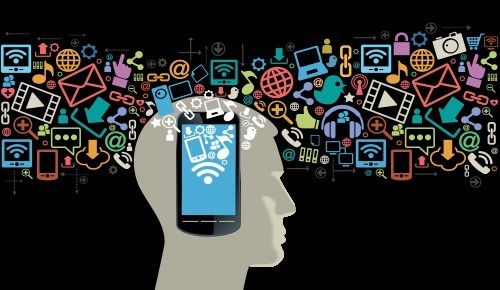
_____ As psychologist Chris Willard often says, our phones can be our greatest enemy or greatest friend. While they can save us time and energy, educate and entertain us, and keep us safe in emergencies, they can also distract us from the things we need in life to stay happy and healthy.
Read MoreStudy finds clear–yet surprisingly different–benefits in 3 types of meditation-based mental training

___ As citizens of the 21st century, we face many problems that come with an industrialized and globalized world. I’m not a lawyer or a politician, but a psychologist and neuroscientist. So research on how to train helpful mental and social capacities is my way to contribute to a more healthy, communal, and cooperative civilization. For…
Read MoreThe State of Mindfulness Science: 10 Key Research Findings to Encourage and Guide your Meditation Practice in 2018

___ During the past two decades, more and more scientists have studied mindfulness—a Buddhist-inspired collection of practices aimed at helping us to cultivate moment-to-moment awareness of ourselves and our environment. Their early findings triggered an enormous amount of enthusiasm for meditation. Sometimes, however, journalists and even scientists (who should know better) have overstated the physical…
Read MorePending FDA review and approval, research findings pave way for Akili’s EVO to become first brain training platform prescribed for ADHD
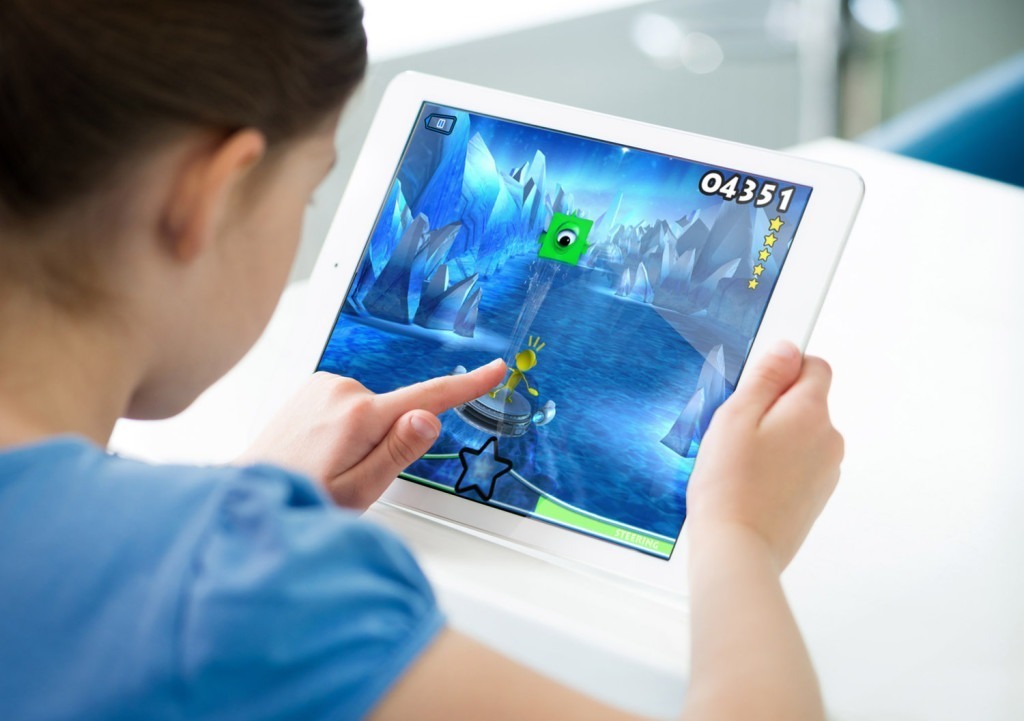
Akili Achieves Primary Efficacy Endpoint in ADHD Trial (MD magazine): “Boston-based Akili Interactive has announced top-line results from the STARS-ADHD pivotal study of its investigational digital therapeutic medicine AKL-T01, in treatment of pediatric attention-deficit/hyperactivity disorder (ADHD)…The digital medicine, AKL-T01, is a video game for patients to play on tablet devices. It uses the same storytelling…
Read More5 quick brain teasers to sharpen two key cognitive skills: attention and working memory
Looking for some fun–and free–cognitive stimulation over the weekend? Here you have a few quick brain teasers to challenge your attention and your working memory (working memory is the capacity to keep information in your mind while working on processing and integrating it) Please give them a try…they are not as easy as they may seem :-)
Read MoreTailoring computing experience based on user’s mental state and quality of attention: Key neurotechnology patent #30
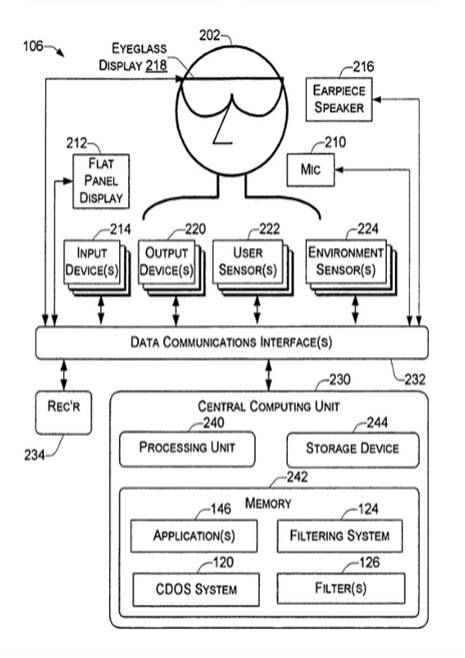
Today we highlight a fascinating 2008 patent assigned to Microsoft, discussing assessment techniques such as pupil tracking or head orientation sensors to identify where and what the user is focused on–and what types of information and/ or notifications to display accordingly. U.S. Patent No. 7,395,507: Automated selection of appropriate information based on a computer user’s context.…
Read More