Sharp Brains: Brain Fitness and Cognitive Health News

Neuroplasticity, Brain Fitness and Cognitive Health News

10–12 hours of meditation training can improve daily-life emotional regulation

Med­i­ta­tion Appears to Pro­duce Endur­ing Changes in Emo­tional Pro­cess­ing in the Brain (Sci­ence Daily):

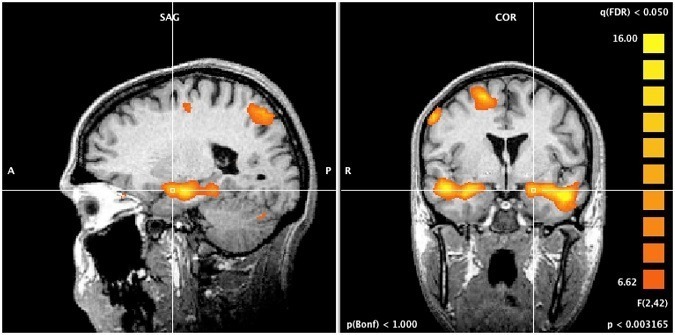
A new study has found that par­tic­i­pat­ing in an 8-week med­i­ta­tion train­ing pro­gram can have mea­sur­able effects on how the brain func­tions even when some­one is not actively meditating…While neu­roimag­ing stud­ies have found that med­i­ta­tion train­ing appeared to decrease acti­va­tion of the amyg­dala — a struc­ture at the base of the brain that is known to have a role in pro­cess­ing mem­ory and emo­tion — those changes were Read the rest of this entry »

On Music, Dopamine, and Making Sense of Sound

Daniel Lev­itin, in This Is Your Brain On Music, sug­gests the fol­low­ing sound exper­i­ment. Sit­u­ate your­self some­place where you can close your eyes and focus on the sounds around you. When you open your eyes, write down each sound you heard and the object that made that sound. If you are in a rel­a­tively quiet spot, try this exper­i­ment the next time you are in a more sound-rich environment.

I began this arti­cle while Read the rest of this entry »

Transcript: Paul Nussbaum on Meditation, Neuropsychology and Thanksgiving

Below you can find the full tran­script of our engag­ing Q&A ses­sion yes­ter­day on holis­tic brain health with clin­i­cal neu­ropsy­chol­o­gist Dr. Paul Nuss­baum, author of Save Your Brain. You can learn more about the full Brain Fit­ness Q&A Series Here.

Per­haps one of the best exchanges was: Read the rest of this entry »

More Friends, Bigger Brain

Editor’s Note: We are pleased to bring you this arti­cle by Sian Beilock, thanks to our col­lab­o­ra­tion with the Greater Good Mag­a­zine. (Pic by Leigh Wells)

Ever won­der why some peo­ple have more friends than oth­ers? Why some run in large and com­plex social cir­cles while oth­ers have a small group of acquain­tances? There are no doubt a vari­ety of fac­tors that influ­ence the extent of our social net­works. New research shows, how­ever, that one fac­tor we may not have con­sid­ered before is right inside our head.

In a paper pub­lished recently in Nature Neu­ro­science, researchers showed that the num­ber of friends we have could be pre­dicted by the size of our amygdala—a small, almond-shaped region located deep inside our brains. Read the rest of this entry »

10 Brain Tips To Teach and Learn — Ideas for New Year Resolutions

My inter­est in the brain stems from want­ing to bet­ter under­stand both how to make school more palat­able for stu­dents, and pro­fes­sional devel­op­ment more mean­ing­ful for fac­ulty. To that end, I began my Neu­rons Fir­ing blog in April, 2007, have been doing a lot of read­ing, and been attend­ing work­shops and con­fer­ences, includ­ing Learn­ing & the Brain.

If you agree that our brains are designed for learn­ing, then as edu­ca­tors it is incum­bent upon us to be look­ing for ways to max­i­mize the learn­ing process for each of our stu­dents, as well as for our­selves. Some of what fol­lows is sim­ply com­mon sense, but I’ve learned that all of it has a sci­en­tific basis in our brains. Read the rest of this entry »

Brain Quiz: Do You Have a Brain?

Have you already read The Sharp­Brains Guide to Brain Fit­ness?

Let’s see…brain health and brain fitness

1. Pick the only part of your body that does not con­tain fat:

a. Arm
b. Thigh
c. Brain
d. None

Answer: d) Fats are also present in the brain: in neu­rons’ mem­branes to keep them flex­i­ble. These fats are the omega 3 and omega 6 fatty acids mol­e­cules. (Page 32 of the book)

2. Pick the only food prod­uct that doesn’t con­tain Omega-3 fatty acids

a. Tuna
b. Wal­nut
c. Kiwi
d. Jelly Beans

Answer: d) Fatty acids can be found in cold-water fish (such as mack­erel, her­ring, salmon, and tuna), kiwi, and wal­nuts. (Page 33)

3. Pick the only food prod­uct that doesn’t con­tain antioxidants

a. Olive oil
b. Milk
c. Nuts
d. Berries

Answer: b) Antiox­i­dants can be found in veg­etable oils, nuts, green leafy veg­eta­bles (e.g., spinach), cit­rus fruit, and berries. (Page 33)

4. Chronic Stress cannot:

a. Pre­vent you from being cre­ative
b. Kill brain cells
c. Pre­vent you from sleep­ing
d. Kill liver cells

Answer: d) Pro­longed expo­sure to adrenal steroid hor­mones like cor­ti­sol, which is released into the blood stream when we are stressed, can lead to cell death and block the for­ma­tion of new neu­rons. (Page 35)

5. What type of phys­i­cal exer­cise is the best for your brain health?

a. Weight lift­ing
b. Aer­o­bic exer­cises
c. Flex­i­bil­ity exer­cises Read the rest of this entry »

10 Brain Tips To Teach and Learn

My nat­ural rhythms are in cycle with the school cal­en­dar. Jan­u­ary 1st takes a back seat to my new year, which gets ush­ered in with the month of Sep­tem­ber when there is crisp­ness in the air that grad­u­ally shakes off the slower, more relaxed pace of summer.Conveniently, my career in teach­ing meshes with my nat­ural cycli­cal year. And as this year draws to a close, I am re-energized by the pace of sum­mer, know­ing that any­thing may pop in to my mind as I engage in activ­i­ties not directly related to school. But before that hap­pens, I’d like to reflect on this past year, in par­tic­u­lar as it was my first year of blog­ging about the brain.

My inter­est in the brain stems from want­ing to bet­ter under­stand both how to make school more palat­able for stu­dents, and pro­fes­sional devel­op­ment more mean­ing­ful for fac­ulty. To that end, I began my Neu­rons Fir­ing blog in April, 2007, have been doing a lot of read­ing, and been attend­ing work­shops and con­fer­ences, includ­ing Learn­ing & the Brain.

If you agree that our brains are designed for learn­ing, then Read the rest of this entry »

Top Articles on Brain, Cognition and Neuroplasticity

  1. Do you believe these neu­romyths?, by SharpBrains
  2. Brain Plas­tic­ity: How learn­ing changes your brain, by Pas­cale Michelon
  3. In the Age of Google, Should Schools Teach Mem­o­riza­tion Skills?, by Bill Klemm
  4. Does cog­ni­tive train­ing work? (For Whom? For What?), by Pas­cale Michelon
  5. The Emo­tional Life of Your Brain, by by Richard David­son, Sharon Begley
  6. Cur­rent State of the Sci­ence behind Neu­ro­feed­back Treat­ment for ADHD, by David Rabiner
  7. To Be (Your Con­nec­tome), or Not to Be (Your Genome), by Sebas­t­ian Seung
  8. Top 10 Brain Fit­ness Future Trends, by Alvaro Fernandez
  9. Biofeed­back now a “Level 1 — Best Sup­port” Inter­ven­tion for ADHD, by SharpBrains
  10. When 1 + 1 = 5: Dyscal­cu­lia and Work­ing Mem­ory, by Tracy Alloway
  11. Train­ing Atten­tion and Emo­tional Self-Regulation — Inter­view with Michael Pos­ner, by Alvaro Fernandez
  12. The Ten Habits of Highly Effec­tive Brains, by Alvaro Fernandez
  13. Why do You Turn Down the Radio When You’re Lost?, by Car­o­line Latham
  14. Brain fit­ness Q&A: Mem­ory, stress, emo­tions, by Alvaro Fernandez
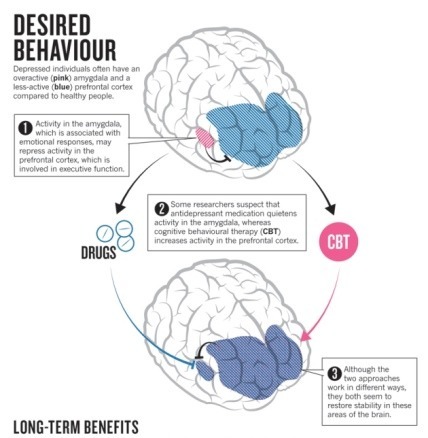
  15. Cog­ni­tive ther­apy or med­ica­tion? Brain scans may help per­son­al­ize treat­ments, by SharpBrains
  16. New Study shows Teens with ADHD helped by Cog­ni­tive Behav­ioral Ther­apy, by David Rabiner
  17. How Do Words Change Our Brains and Lives?, by Andrew New­berg, Mark Waldman
  18. BBC “Brain Train­ing” Exper­i­ment: the Good, the Bad, the Ugly, by Alvaro Fernandez
  19. Sci­en­tific cri­tique of BBC/ Nature Brain Train­ing Exper­i­ment, by Liz Zelinski
  20. From Anti-Alzheimer’s “Magic Bul­lets” to True Brain Health, by Alvaro Fer­nan­dez, Peter Whitehouse
  21. Why Agile Minds Deploy Both Ratio­nal and Intu­itive Problem-Solving, by Judith Tingley
  22. Why I Wrote The Woman Who Changed Her Brain, by Bar­bara Arrowsmith-Young
  23. The Busi­ness and Ethics of the Brain Fit­ness Boom, by Alvaro Fernandez
  24. Break­ing Down the Cog­ni­tion & Alzheimer’s Dis­ease Alpha­bet Soup, by Dharma Singh Khalsa
  25. Top 10 Quotes on Life­long Neu­ro­plas­tic­ity, by Alvaro Fernandez
  26. To Har­ness Neu­ro­plas­tic­ity, Start with Enthu­si­asm, by Helena Popovic
  27. Q&A with Yaakov Stern on Brain Reserve, Exer­cise, Cog­ni­tive Train­ing, Angry Birds, by Alvaro Fernandez
  28. It is Not Only Cars That Deserve Good Main­te­nance: Brain Care 101, by Alvaro Fernandez
  29. Eval­u­a­tion Check­list for Brain Fit­ness prod­ucts and games, by Alvaro Fernandez
  30. Mind­ful­ness and Med­i­ta­tion in Schools for Stress Man­age­ment, by Jill Sutie
  31. Stress and Neural Wreck­age: Part of the Brain Plas­tic­ity Puz­zle, by Gre­gory Kellet
  32. Cog­ni­tive and Emo­tional Devel­op­ment Through Play, by David Elkind
  33. AARP’s Brain Fit­ness Best Books List, by SharpBrains
  34. Judith Beck: Train Your Brain to Think Like a Thin Per­son, by Alvaro Fernandez
  35. Improve Mem­ory with Sleep, Prac­tice, and Test­ing, by Bill Klemm
  36. 10 Brain Tips To Teach and Learn, by Lau­rie Bartels
  37. Dr. Elkhonon Gold­berg on Cog­ni­tive Train­ing and Brain Fit­ness, by Alvaro Fernandez
  38. Mind­ful­ness Med­i­ta­tion for Adults & Teens with ADHD, by David Rabiner
  39. Phys­i­cal Exer­cise and Brain Health, by Pas­cale Michelon
  40. Sleep, Tetris, Mem­ory and the Brain, by Shan­non Moffet

Welcome to SharpBrains.com

As seen in The New York Times, The Wall Street Jour­nal, CNN and more, Sharp­Brains is an inde­pen­dent mar­ket research and think tank track­ing health, edu­ca­tion, and pro­duc­tiv­ity appli­ca­tions of neuroscience.

Register Now at Discounted Rates

2013 SharpBrains Summit

Watch 10 Predictions on Digital Brain Health in 2013 (3 minutes)

Cover_video
Enter Your Email and Sub­scribe to our free Monthly eNewslet­ter:
Join more than 40,000 Sub­scribers and stay informed and engaged.

Follow Us Via…

twitter_logo_header