Sharp Brains: Brain Fitness and Cognitive Health News

Neuroplasticity, Brain Fitness and Cognitive Health News

Misuse & Abuse of ADHD Meds among college students: Updated review of a growing concern

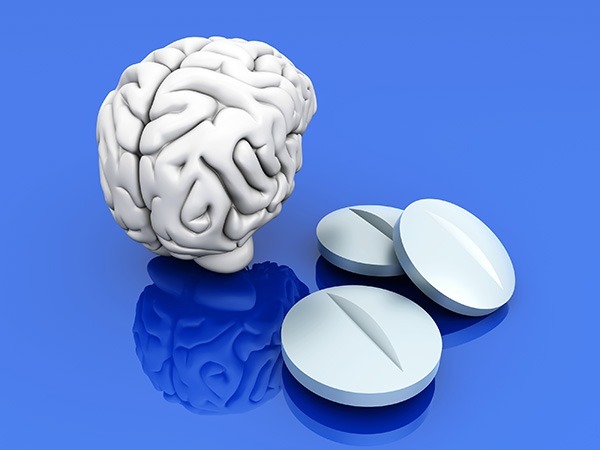
amphetamine-moleculeThe mis­use and abuse of pre­scrip­tion med­ica­tion is a grow­ing con­cern. I remem­ber speak­ing with col­leagues 15–20 years ago as reports about the non­med­ical use of stim­u­lant med­ica­tions used to treat ADHD (non­med­ical use is defined as use by indi­vid­u­als with­out a pre­scrip­tion) were first appear­ing in the media. At the time, these were gen­er­ally thought to be iso­lated inci­dents that were being over-dramatized in the press. Read the rest of this entry »

Who Says This is The Classroom of the Future?

The New York Times has recently pub­lished sev­eral very good and seem­ingly unre­lated articles…let’s try and con­nect some dots. What if we ques­tioned the very premise behind nam­ing some class­rooms the “class­rooms of the future” sim­ply because they have been adding tech­nol­ogy in lit­er­ally mind­less ways? What if the Edu­ca­tion of the Future (some­times also referred to as “21st Cen­tury Skills”) wasn’t so much about the How we edu­cate but about the What we want stu­dents to learn and develop, apply­ing what we know about mind and brain to the needs they are likely to face dur­ing the next 50–70 years of their lives? Read the rest of this entry »

Promoting Healthy, Meaningful Aging Through Social Involvement: Building an Experience Corps

(Editor’s note: Path­ways respon­si­ble for higher-order think­ing in the pre­frontal cor­tex (PFC), or exec­u­tive cen­ter of the brain, remain vul­ner­a­ble through­out life—during crit­i­cal early-life devel­op­men­tal win­dows, when the PFC fully matures in the early 20s, and finally from declines asso­ci­ated with old age. At all ages, phys­i­cal activ­ity and PFC-navigated social con­nec­tions are essen­tial com­po­nents to main­tain­ing brain health. The Expe­ri­ence Corps, a community-based social-engagement pro­gram, part­ners seniors with local schools to pro­mote purpose-driven involve­ment. Par­tic­i­pat­ing seniors have exhib­ited imme­di­ate short-term gains in brain regions vul­ner­a­ble to aging, such as the PFC, indi­cat­ing that peo­ple with the most to lose have the most to gain from envi­ron­men­tal enrichment.)

Over the last decade, sci­en­tists made two key dis­cov­er­ies that reframed our under­stand­ing of the adult brain’s poten­tial to ben­e­fit from life­long envi­ron­men­tal enrich­ment. First, they learned that the adult brain remains plas­tic; it can gen­er­ate new neu­rons in response to phys­i­cal activ­ity and new expe­ri­ences. Sec­ond, they con­firmed the impor­tance of social con­nect­ed­ness to late-life cog­ni­tive, psy­cho­log­i­cal, and phys­i­cal health. The inte­gra­tion of these find­ings with our under­stand­ing of indi­vid­u­als’ devel­op­men­tal needs through­out life under­scores the impor­tance of the “social brain.” The pre­frontal cor­tex (PFC) is par­tic­u­larly inte­gral to nav­i­gat­ing com­plex social behav­iors and hier­ar­chies over the life course. Read the rest of this entry »

Comparing Working Memory Training & Medication Treatment for ADHD

Work­ing mem­ory (WM) is the cog­ni­tive sys­tem respon­si­ble for the tem­po­rary stor­age and manip­u­la­tion of infor­ma­tion and plays an impor­tant role in both learn­ing and focus­ing atten­tion. Con­sid­er­able research has doc­u­mented that many chil­dren and adults with ADHD have WM deficits and that this con­tributes to dif­fi­cul­ties asso­ci­ated with the dis­or­der. For an excel­lent intro­duc­tion to the role of WM deficits in ADHD, click here.

A sim­ple exam­ple illus­trates the impor­tance of WM for par­tic­u­lar aca­d­e­mic tasks. Try adding 3 and 9 in your head. That was prob­a­bly easy for you. Now try­ing adding 33 and 99. That was prob­a­bly more dif­fi­cult. Finally, try adding 333 and 999. This is quite chal­leng­ing for most adults even though each cal­cu­la­tion required is triv­ially easy. The chal­lenge occurred because you need to store infor­ma­tion — the sum of 3+9 in the one’s col­umn and then ten’s col­umn — as you process the remain­ing part of the prob­lem, i.e., 3+9 in the hundred’s col­umn, and this taxed your WM. If your WM capac­ity was exceeded, you could not com­plete the prob­lem successfully.

This sim­ple prob­lem also illus­trates the dif­fer­ence between short-term mem­ory (STM) and WM. Short-term mem­ory sim­ply involves retain­ing infor­ma­tion in mind for short peri­ods of time, e.g., remem­ber­ing that the prob­lem you need to solve is 333+999. Work­ing mem­ory, in con­trast, involves men­tally manip­u­lat­ing — or ‘work­ing’ with — retained infor­ma­tion and comes into play in a wide range of learn­ing activ­i­ties. For exam­ple, to answer ques­tions about a sci­ence chap­ter, a child not only has to cor­rectly retain fac­tual infor­ma­tion but must men­tally work with that infor­ma­tion to answer ques­tions about it. Thus, when a child’s WM capac­ity is low rel­a­tive to peers, aca­d­e­mic per­for­mance is likely to be com­pro­mised in mul­ti­ple areas.

Because WM deficits play an impor­tant role in the strug­gles expe­ri­enced by many indi­vid­u­als with ADHD, it is impor­tant to con­sider how dif­fer­ent inter­ven­tions address this aspect of the dis­or­der. In this study, the authors were inter­ested in com­par­ing the impact of Work­ing Mem­ory Train­ing and stim­u­lant med­ica­tion treat­ment on the WM per­for­mance of chil­dren diag­nosed with ADHD.

Par­tic­i­pants were 25 8–11 year-old chil­dren with ADHD (21 boy and 4 girls) who were Placebo effect, mind hacksbeing treated with stim­u­lant med­ica­tion. Children’s mem­ory per­for­mance was assessed on 4 occa­sions using the Auto­mated Work­ing Mem­ory Assess­ment (AWMA), a com­put­er­ized test that mea­sures ver­bal short-term mem­ory, ver­bal work­ing mem­ory, visuo-spatial short-term mem­ory, and visuo-spatial work­ing memory.

At time 1, the assess­ment was con­ducted when chil­dren had been off med­ica­tion for at least 24 hours. The sec­ond assess­ment occurred an aver­age of 5 months later and when chil­dren were on med­ica­tion. The third assess­ment occurred after chil­dren had com­pleted 5 weeks of Cogmed Work­ing Mem­ory Train­ing using the stan­dard train­ing pro­to­col (see below). The final assess­ment occurred approx­i­mately 6 months after train­ing had ended. This design enabled the researchers to make the fol­low­ing comparisons:

- WM per­for­mance on med­ica­tion vs. off med­ica­tion (T1 vs T2)
– WM per­for­mance on med­ica­tion vs. after train­ing (T2 vs. T3)
– WM per­for­mance imme­di­ately after train­ing ended vs. 6 months fol­low­ing train­ing (T3 vs. T4)

This final com­par­i­son pro­vided infor­ma­tion on whether any ben­e­fits pro­vided by the train­ing had endured.

In addi­tion to mea­sur­ing STM and WM at each time point, mea­sures of IQ were col­lected at times 1, 2, and 3.

- Work­ing Mem­ory Train­ing -

WM train­ing was con­ducted using the stan­dard Cogmed train­ing pro­to­col with each child Cogmed working memory trainingcom­plet­ing 20–25 train­ing ses­sions within a 25 day period. The train­ing requires the stor­age and manip­u­la­tion of sequences of ver­bal, e.g., repeat­ing back a sequence of dig­its in reverse order, and/or visuo-spatial infor­ma­tion, e.g., recall­ing the loca­tion of objects on dif­fer­ent por­tions of the com­puter screen.

Dif­fi­culty level is cal­i­brated on a trial by trial basis so the child is always work­ing at a level that closely matches their per­for­mance. For exam­ple, if a child suc­cess­fully recalled three dig­its in reverse order, on the next trial he had to recall four. When a trial was failed, the next trial was made eas­ier by reduc­ing the num­ber of items to be recalled. This method of ‘adap­tive train­ing’ is thought to be a key ele­ment because it requires the child to ‘stretch’ their WM capac­ity to move through the program.

- Results -

- Impact of Short-Term Mem­ory and Work­ing Mem­ory -

Med­ica­tion vs. no med­ica­tion — When tested on med­ica­tion, Read the rest of this entry »

10% Students may have working memory problems: Why does it matter?

Work­ing mem­ory is our abil­ity to store and manip­u­late infor­ma­tion for a brief time. It is typ­i­cally mea­sured by dual-tasks, where the indi­vid­ual has to remem­ber an item while simul­ta­ne­ously pro­cess­ing a some­times unre­lated piece of infor­ma­tion. A widely used work­ing mem­ory task is the read­ing span task where the indi­vid­ual reads a sen­tence, ver­i­fies it, and then recalls the final word. Indi­vid­ual dif­fer­ences in work­ing mem­ory per­for­mance are closely related to a range of aca­d­e­mic skills such as read­ing, spelling, com­pre­hen­sion, and math­e­mat­ics. Cru­cially, there is emerg­ing research that work­ing mem­ory pre­dicts learn­ing out­comes inde­pen­dently of IQ. One expla­na­tion for the impor­tance of work­ing mem­ory in aca­d­e­mic attain­ment is that because it appears to be rel­a­tively unaf­fected by envi­ron­men­tal influ­ences, such as parental edu­ca­tional level and finan­cial back­ground, it mea­sures a student’s capac­ity to acquire knowl­edge rather than what they have already learned.

How­ever lit­tle is known about the con­se­quences of low work­ing mem­ory capac­ity per se, inde­pen­dent of other asso­ci­ated learn­ing dif­fi­cul­ties. In par­tic­u­lar, it is not known either what pro­por­tion of stu­dents with low work­ing mem­ory capac­i­ties has sig­nif­i­cant learn­ing dif­fi­cul­ties or what their behav­ioral char­ac­ter­is­tics are. The aim of a recent study pub­lished in Child Devel­op­ment (ref­er­ence below) was to pro­vide the first sys­tem­atic large-scale exam­i­na­tion of the cog­ni­tive and behav­ioral char­ac­ter­is­tics of school-aged stu­dents who have been iden­ti­fied solely on the basis of very low work­ing mem­ory scores.

In screen­ing of over 3000 school-aged stu­dents in main­stream schools, 1 in 10 was iden­ti­fied as hav­ing work­ing mem­ory dif­fi­cul­ties. There were sev­eral key find­ings regard­ing their cog­ni­tive skills. The first is that the major­ity of them per­formed below age-expected lev­els in read­ing and math­e­mat­ics. This sug­gests that Read the rest of this entry »

New Study Supports Neurofeedback Treatment for ADHD

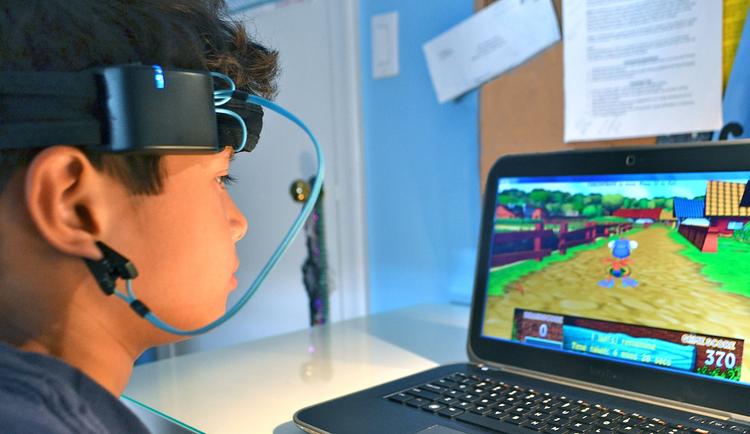
Neu­ro­feed­back — also known as EEG Biofeed­back — is an approach for treat­ing ADHD in which indi­vid­u­als are pro­vided real-time feed­back on their brain­wave pat­terns and taught to alter their typ­i­cal EEG pat­tern to one that is con­sis­tent with a focused, atten­tive state. This is typ­i­cally done by col­lect­ing EEG data from indi­vid­u­als as they focus on stim­uli pre­sented on a com­puter screen. Their abil­ity to con­trol the stim­uli, for exam­ple, keep­ing the smile on a smi­ley face, is con­tin­gent on main­tain­ing the par­tic­u­lar EEG state being trained. Accord­ing to neu­ro­feed­back pro­po­nents, learn­ing how to do this dur­ing train­ing gen­er­al­izes to real world sit­u­a­tions and this results in improved atten­tion and reduced hyperactive/impulsive behavior.

Neu­ro­feed­back treat­ment for ADHD has been con­tro­ver­sial in the field for many years and remains so today. Although a num­ber of pub­lished stud­ies have reported pos­i­tive results many promi­nent ADHD researchers believe that prob­lems with the design of these stud­ies pre­clude con­clud­ing that neu­ro­feed­back is an effec­tive treat­ment. These lim­i­ta­tions have included the absence of ran­dom assign­ment, the lack of appro­pri­ate con­trol groups, raters who are not ‘blind’ to children’s treat­ment sta­tus, and small sam­ples. For addi­tional back­ground, you can find a recent review I wrote on exist­ing research sup­port for neu­ro­feed­back treat­ment of ADHD — along with links to exten­sive reviews of sev­eral recently pub­lished stud­ies -: How Strong is the Research Sup­port for Neu­ro­feed­back in Atten­tion Deficits?

- Results from a New Study of Neurofeedback -

Recently, a study of neu­ro­feed­back treat­ment for ADHD was pub­lished that addresses sev­eral lim­i­ta­tions that have under­mined prior research [Gevensleben, et al., (2009). Is neu­ro­feed­back an effi­ca­cious treat­ment for ADHD? A ran­dom­ized con­trolled clin­i­cal trial. Jour­nal of Child Psy­chol­ogy and Psychiatry.]

The study was con­ducted in Ger­many and began with 102 chil­dren aged 8 to 12. All had been care­fully diag­nosed with ADHD and approx­i­mately over 90% had never received med­ica­tion treat­ment. About 80% were boys. Chil­dren were ran­domly assigned to Read the rest of this entry »

Cognitive and Emotional Development Through Play

We some­times neglect to men­tion a very basic yet pow­er­ful method of cog­ni­tive and emo­tional devel­op­ment, for chil­dren and adults alike: Play.

Dr. David Elkind, author of The Power of Play: Learn­ing That Comes Nat­u­rally, dis­cusses the need to build a more “play­ful cul­ture” in this great arti­cle The Power of Play And Learningbrought to you thanks to our col­lab­o­ra­tion with Greater Good Mag­a­zine.

- Alvaro

——————–

Can We Play?

– By Dr. David Elkind

Play is rapidly dis­ap­pear­ing from our homes, our schools, and our neigh­bor­hoods. Over the last two decades alone, chil­dren have lost eight hours of free, unstruc­tured, and spon­ta­neous play a week. More than 30,000 schools in the United States have elim­i­nated recess to make more time for aca­d­e­mics. From 1997 to 2003, children’s time spent out­doors fell 50 per­cent, accord­ing to a study by San­dra Hof­ferth at the Uni­ver­sity of Mary­land. Hof­ferth has also found that the amount of time chil­dren spend in orga­nized sports has dou­bled, and the num­ber of min­utes chil­dren devote each week to pas­sive leisure, not includ­ing watch­ing tele­vi­sion, has increased from 30 min­utes to more than three hours. It is no sur­prise, then, that child­hood obe­sity is now con­sid­ered an epidemic.

But the prob­lem goes well beyond obe­sity. Decades of research has shown that play is cru­cial to phys­i­cal, intel­lec­tual, and social-emotional devel­op­ment at all ages. This is espe­cially true of the purest form of play: the unstruc­tured, self-motivated, imag­i­na­tive, inde­pen­dent kind, where chil­dren ini­ti­ate their own games and even invent their own rules.

Read the rest of this entry »

Top Articles on Brain, Cognition and Neuroplasticity

  1. Do you believe these neu­romyths?, by SharpBrains
  2. Brain Plas­tic­ity: How learn­ing changes your brain, by Pas­cale Michelon
  3. In the Age of Google, Should Schools Teach Mem­o­riza­tion Skills?, by Bill Klemm
  4. Does cog­ni­tive train­ing work? (For Whom? For What?), by Pas­cale Michelon
  5. The Emo­tional Life of Your Brain, by by Richard David­son, Sharon Begley
  6. Cur­rent State of the Sci­ence behind Neu­ro­feed­back Treat­ment for ADHD, by David Rabiner
  7. To Be (Your Con­nec­tome), or Not to Be (Your Genome), by Sebas­t­ian Seung
  8. Top 10 Brain Fit­ness Future Trends, by Alvaro Fernandez
  9. Biofeed­back now a “Level 1 — Best Sup­port” Inter­ven­tion for ADHD, by SharpBrains
  10. When 1 + 1 = 5: Dyscal­cu­lia and Work­ing Mem­ory, by Tracy Alloway
  11. Train­ing Atten­tion and Emo­tional Self-Regulation — Inter­view with Michael Pos­ner, by Alvaro Fernandez
  12. The Ten Habits of Highly Effec­tive Brains, by Alvaro Fernandez
  13. Why do You Turn Down the Radio When You’re Lost?, by Car­o­line Latham
  14. Brain fit­ness Q&A: Mem­ory, stress, emo­tions, by Alvaro Fernandez
  15. Cog­ni­tive ther­apy or med­ica­tion? Brain scans may help per­son­al­ize treat­ments, by SharpBrains
  16. New Study shows Teens with ADHD helped by Cog­ni­tive Behav­ioral Ther­apy, by David Rabiner
  17. How Do Words Change Our Brains and Lives?, by Andrew New­berg, Mark Waldman
  18. BBC “Brain Train­ing” Exper­i­ment: the Good, the Bad, the Ugly, by Alvaro Fernandez
  19. Sci­en­tific cri­tique of BBC/ Nature Brain Train­ing Exper­i­ment, by Liz Zelinski
  20. From Anti-Alzheimer’s “Magic Bul­lets” to True Brain Health, by Alvaro Fer­nan­dez, Peter Whitehouse
  21. Why Agile Minds Deploy Both Ratio­nal and Intu­itive Problem-Solving, by Judith Tingley
  22. Why I Wrote The Woman Who Changed Her Brain, by Bar­bara Arrowsmith-Young
  23. The Busi­ness and Ethics of the Brain Fit­ness Boom, by Alvaro Fernandez
  24. Break­ing Down the Cog­ni­tion & Alzheimer’s Dis­ease Alpha­bet Soup, by Dharma Singh Khalsa
  25. Top 10 Quotes on Life­long Neu­ro­plas­tic­ity, by Alvaro Fernandez
  26. To Har­ness Neu­ro­plas­tic­ity, Start with Enthu­si­asm, by Helena Popovic
  27. Q&A with Yaakov Stern on Brain Reserve, Exer­cise, Cog­ni­tive Train­ing, Angry Birds, by Alvaro Fernandez
  28. It is Not Only Cars That Deserve Good Main­te­nance: Brain Care 101, by Alvaro Fernandez
  29. Eval­u­a­tion Check­list for Brain Fit­ness prod­ucts and games, by Alvaro Fernandez
  30. Mind­ful­ness and Med­i­ta­tion in Schools for Stress Man­age­ment, by Jill Sutie
  31. Stress and Neural Wreck­age: Part of the Brain Plas­tic­ity Puz­zle, by Gre­gory Kellet
  32. Cog­ni­tive and Emo­tional Devel­op­ment Through Play, by David Elkind
  33. AARP’s Brain Fit­ness Best Books List, by SharpBrains
  34. Judith Beck: Train Your Brain to Think Like a Thin Per­son, by Alvaro Fernandez
  35. Improve Mem­ory with Sleep, Prac­tice, and Test­ing, by Bill Klemm
  36. 10 Brain Tips To Teach and Learn, by Lau­rie Bartels
  37. Dr. Elkhonon Gold­berg on Cog­ni­tive Train­ing and Brain Fit­ness, by Alvaro Fernandez
  38. Mind­ful­ness Med­i­ta­tion for Adults & Teens with ADHD, by David Rabiner
  39. Phys­i­cal Exer­cise and Brain Health, by Pas­cale Michelon
  40. Sleep, Tetris, Mem­ory and the Brain, by Shan­non Moffet

Welcome to SharpBrains.com

As seen in The New York Times, The Wall Street Jour­nal, CNN and more, Sharp­Brains is an inde­pen­dent mar­ket research and think tank track­ing health, edu­ca­tion, and pro­duc­tiv­ity appli­ca­tions of neuroscience.

Register Now at Discounted Rates

2013 SharpBrains Summit

Watch 10 Predictions on Digital Brain Health in 2013 (3 minutes)

Cover_video
Enter Your Email and Sub­scribe to our free Monthly eNewslet­ter:
Join more than 40,000 Sub­scribers and stay informed and engaged.

Follow Us Via…

twitter_logo_header