

Brain/ Mental Health
Six favorite books of 2023 to help harness the stress response and boost curiosity, wonder, and brain health at work,
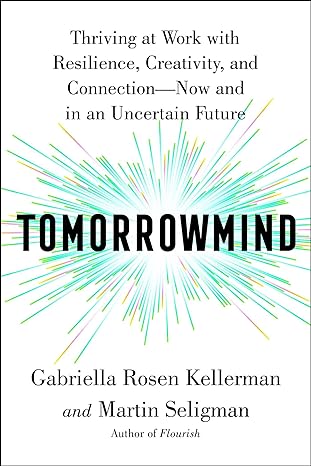
It’s hard to address important issues in our lives or in society if we are stressed, depleted, and isolated. Perhaps that’s why many of 2023’s favorite books offer approaches for real self-care. They focus on how to manage stress, find more happiness in life, seek wonder and inspiration, appreciate art, understand our personal strengths, or…
Read MoreTrend: Large US employers deploy apps, AI chatbots, other digital tools to boost brain & mental health at work
Employers Are Offering a New Worker Benefit: Wellness Chatbots (The Wall Street Journal): More workers feeling anxious, stressed or blue have a new place to go for mental-health help: a digital app. Chatbots that hold therapist-like conversations and wellness apps that deliver depression and other diagnoses or identify people at risk of self-harm are snowballing across…
Read MoreLifestyle Matters: Let’s optimize cognition, health and life in 2024

Welcome to a new edition of SharpBrains e‑newsletter, featuring fascinating research findings on lifestyle, protective brain structures, Internet access, mental health, brain imaging, and more. #1. Lifestyle matters: What we can do in 2024 to optimize cognition and life, delaying cognitive problems even dementia “Actor Chris Hemsworth…watched his grandfather live with Alzheimer’s and is making lifestyle…
Read MorePlease help us shape SharpBrains books, activities and services

Dear SharpBrains reader and friend, please take a few minutes to provide your feedback as we’re preparing a substantial update of The SharpBrains Guide to Brain Fitness and our overall activities. Take Survey Here
Read MoreLifestyle matters: What we can do in 2024 to optimize cognition and life, delaying cognitive problems even dementia

Walk 10,000 steps a day, cut back alcohol, get better sleep at night, stay socially active — we’re told that changes like these can prevent up to 40 per cent of dementia cases worldwide. Given that dementia is still one of the most feared diseases, why aren’t we pushing our doctors and governments to support…
Read MoreStudy doesn’t find evidence to link internet access with poorer psychological well-being and mental health
Is the internet bad for mental health? What the latest study really means. (Mashable): … Enter a study published Tuesday by researchers in the journal Clinical Psychological Science, which tried but did not succeed in finding a compelling link between internet access and poor mental health and well-being. Business Insider, for example, declared that the…
Read More