Raising awareness about the distracted mind (PBS special)
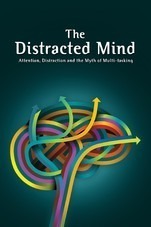 I feel it is critical that scientists make an effort to translate their research discoveries into a format that is understandable and meaningful to the general public. They should also, at least on occasion, step beyond detailed descriptions of laboratory results and speculate on how their findings inform the bigger picture and impact people’s lives. This has never been more important than it is it right now, in this time of dramatically reduced science funding. In the PBS-sponsored special, The Distracted Mind, I try to accomplish this by integrating material from dozens of public lectures I have given over the years to tell the story of how interference, both distraction and multitasking, impact our minds and our lives.
I begin by sharing my perspective on how fundamental limitations in our brain’s ability to process information result in a constant source of interference in us accomplishing our goals. The majority of evidence that I describe is based on research performed by my lab over the last decade on how interference degrades our memory abilities.
But, I go beyond this and discuss the provocative possibility that our modern technological world is intensifying interference and this has a broad impact on safety, education, work and relationships. To make the program even more real world, I leave the lecture hall and travel to the distraction capital of the world, Times Square NYC, to take a look around, I talk to school children about their perspectives and interview people on the street about this topic. In addition, I take time to share my own experiences and decisions, such as how I use nature for restoration, and practices I have implemented in my daily life to minimize interference effects. The production of this show has been a rewarding journey for me, and it is my hope that it offers viewers insight into the scientific process, the broad impact that interference has on us, and how we might make informed decisions based on data to guide us in leading healthier, happier and more effective lives.
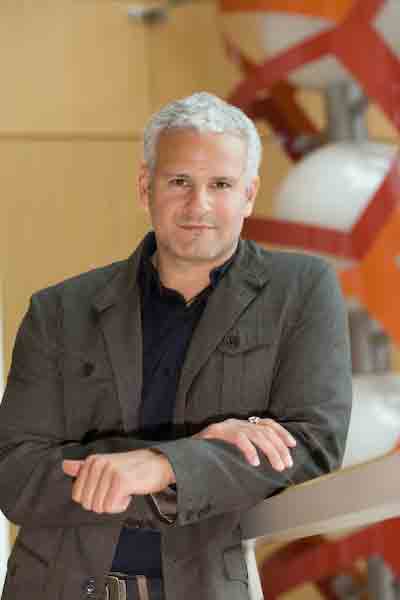
– Adam Gazzaley, MD PhD, is the Director of the Neuroscience Imaging Center at the University of California, San Francisco. He is a also faculty member in the Neurology, Physiology and Psychiatry departments, and principal investigator of a cognitive neuroscience laboratory that conducts research on the neural mechanisms of attention and memory.
The Distracted Mind with Dr. Adam Gazzaley
View in iTunes ($9.99)
Description: Hosted by renowned neuroscientist and M.D., Ph.D., Dr. Adam Gazzaley, THE DISTRACTED MIND delves deeply into attention, distraction, the myth of multi-tasking, and how to use the latest research to possibly improve our skills and abilities at any point during our lives. While the brain can seem almost boundless in its potential, it has limitations, such as processing speed, attentional limitations, working memory limitations, and sensitivity to interference, which can be both internal and external.
Dr. Gazzaley explores the impact that multi-tasking has on our safety, memory, education, careers and personal lives. Most importantly, THE DISTRACTED MIND tells us what we can do to improve our attentional abilities and our focus as we age, and as media continues to dominate our landscape. From changing our behaviors, to literally changing our brains, Dr. Gazzaley shares information you need to survive and thrive in the information age.
Related articles:
- Training Attention and Emotional Self-Regulation — Interview with Michael Posner
- Meditation on the Brain — Interview with Andrew Newberg
Share this:

About SharpBrains
Top Articles on Brain Health and Neuroplasticity
Top 10 Brain Teasers and Illusions
Got the book?