Sharp Brains: Brain Fitness and Cognitive Health News

Neuroplasticity, Brain Fitness and Cognitive Health News

Lifelong cognitive exercise may ward off Alzheimer’s protein beta amyloid
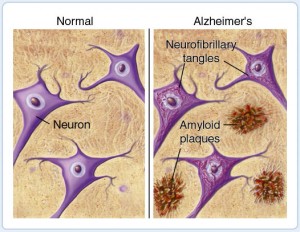
Very sig­nif­i­cant find­ings reported today. Keep­ing brain sharp may ward off Alzheimer’s pro­tein (Reuters):

Peo­ple who chal­lenge their brains through­out their life­times — through read­ing, writ­ing and play­ing games — are less likely to develop pro­tein deposits in the brain linked with Alzheimer’s, researchers said on Monday.”

Prior stud­ies have sug­gested that peo­ple who are well edu­cated and stay men­tally active build up brain reserves that allow them to stay sharp even if deposits of the destruc­tive pro­tein called beta amy­loid form in the brain.”

But the lat­est study, based on brain-imaging research, sug­gests that peo­ple who stay men­tally engaged begin­ning in child­hood and remain so through­out their lives actu­ally develop fewer amy­loid plaques.” (Editor’s note: empha­sis added)

She said amy­loid prob­a­bly starts accu­mu­lat­ing many years before symp­toms appear, so by the time mem­ory prob­lems start, there is lit­tle that can be done. “The time for inter­ven­tion may be much sooner,” she said in a statement.”

Pic source: Amer­i­can Health Assis­tance Foundation.

Study: Asso­ci­a­tion of Life­time Cog­ni­tive Engage­ment and Low β-Amyloid Depo­si­tion (Archives of Neurology)

  • Main Out­come Mea­sures  Cor­ti­cal [11C]PiB aver­age (frontal, pari­etal, lat­eral tem­po­ral, and cin­gu­late regions) and ret­ro­spec­tive, self-report scales assess­ing par­tic­i­pa­tion in cog­ni­tive activ­i­ties (eg, read­ing, writ­ing, and play­ing games) and phys­i­cal exercise.
  • Results  Greater par­tic­i­pa­tion in cog­ni­tively stim­u­lat­ing activ­i­ties across the lifes­pan, but par­tic­u­larly in early and mid­dle life, was asso­ci­ated with reduced [11C]PiB uptake (P < .001, account­ing for age, sex, and years of edu­ca­tion). Older par­tic­i­pants in the high­est cog­ni­tive activ­ity ter­tile had [11C]PiB uptake com­pa­ra­ble to young con­trols, whereas those in the low­est cog­ni­tive activ­ity ter­tile had [11C]PiB uptake com­pa­ra­ble to patients with AD. Although greater cog­ni­tive activ­ity was asso­ci­ated with greater phys­i­cal exer­cise, exer­cise was not asso­ci­ated with [11C]PiB uptake.
  • Con­clu­sions  Indi­vid­u­als with greater early– and mid­dle– life cog­ni­tive activ­ity had lower [11C]PiB uptake. The ten­dency to par­tic­i­pate in cog­ni­tively stim­u­lat­ing activ­i­ties is likely related to engage­ment in a vari­ety of lifestyle prac­tices that have been impli­cated in other stud­ies show­ing reduced risk of AD-related pathol­ogy. We report a direct asso­ci­a­tion between cog­ni­tive activ­ity and [11C]PiB uptake, sug­gest­ing that lifestyle fac­tors found in indi­vid­u­als with high cog­ni­tive engage­ment may pre­vent or slow depo­si­tion of β-amyloid, per­haps influ­enc­ing the onset and pro­gres­sion of AD.

Related resources to learn more:

Be Socia­ble, Share!
Print This Article Print This Article Email This Post Email This Post

Categories: Cognitive Neuroscience

Tags: , , , , ,

Top Articles on Brain Health and Neuroplasticity

  1. Debunk­ing 10 com­mon brain fit­ness myths, by Alvaro Fernandez
  2. Brain plas­tic­ity: How learn­ing changes your brain, by Pas­cale Michelon
  3. 8 Tips To Remem­ber What You Read, by Bill Klemm
  4. Why do You Turn Down the Radio When You’re Lost?, by Car­o­line Latham
  5. Retool­ing Brain Care With Low-Cost, Data-Driven Tech­nolo­gies, by Alvaro Fernandez
  6. Do you believe these neu­romyths?, by SharpBrains
  7. Six tips to build resilience and pre­vent brain-damaging stress, by SharpBrains
  8. Does cog­ni­tive train­ing work? (For Whom? For What?), by Pas­cale Michelon
  9. The Emo­tional Life of Your Brain, by by Richard David­son, Sharon Begley
  10. To Be (Your Con­nec­tome), or Not to Be (Your Genome), by Sebas­t­ian Seung
  11. Top 10 Brain Fit­ness Future Trends, by Alvaro Fernandez
  12. Biofeed­back now a “Level 1 — Best Sup­port” Inter­ven­tion for ADHD, by SharpBrains
  13. When 1 + 1 = 5: Dyscal­cu­lia and Work­ing Mem­ory, by Tracy Alloway
  14. Train­ing Atten­tion and Emo­tional Self-Regulation — Inter­view with Michael Pos­ner, by Alvaro Fernandez
  15. The Ten Habits of Highly Effec­tive Brains, by Alvaro Fernandez
  16. Does brain train­ing work? Yes, if it meets these 5 con­di­tions, by SharpBrains
  17. Cog­ni­tive ther­apy or med­ica­tion? Brain scans may help per­son­al­ize treat­ments, by SharpBrains
  18. New Study shows Teens with ADHD helped by Cog­ni­tive Behav­ioral Ther­apy, by David Rabiner
  19. How Do Words Change Our Brains and Lives?, by Andrew New­berg, Mark Waldman
  20. BBC “Brain Train­ing” Exper­i­ment: the Good, the Bad, the Ugly, by Alvaro Fernandez
  21. From Anti-Alzheimer’s “Magic Bul­lets” to True Brain Health, by Alvaro Fer­nan­dez, Peter Whitehouse
  22. Why Agile Minds Deploy Both Ratio­nal and Intu­itive Problem-Solving, by Judith Tingley
  23. Why I Wrote The Woman Who Changed Her Brain, by Bar­bara Arrowsmith-Young
  24. The Busi­ness and Ethics of the Brain Fit­ness Boom, by Alvaro Fernandez
  25. Break­ing Down the Cog­ni­tion & Alzheimer’s Dis­ease Alpha­bet Soup, by Dharma Singh Khalsa
  26. Top 10 Quotes on Life­long Neu­ro­plas­tic­ity, by Alvaro Fernandez
  27. To Har­ness Neu­ro­plas­tic­ity, Start with Enthu­si­asm, by Helena Popovic
  28. Q&A with Yaakov Stern on Brain Reserve, Exer­cise, Cog­ni­tive Train­ing, Angry Birds, by Alvaro Fernandez
  29. Eval­u­a­tion Check­list for Brain Fit­ness prod­ucts and games, by Alvaro Fernandez
  30. Mind­ful­ness and Med­i­ta­tion in Schools for Stress Man­age­ment, by Jill Sutie
  31. Stress and Neural Wreck­age: Part of the Brain Plas­tic­ity Puz­zle, by Gre­gory Kellet
  32. Cog­ni­tive and Emo­tional Devel­op­ment Through Play, by David Elkind
  33. AARP’s Brain Fit­ness Best Books List, by SharpBrains
  34. Judith Beck: Train Your Brain to Think Like a Thin Per­son, by Alvaro Fernandez
  35. Improve Mem­ory with Sleep, Prac­tice, and Test­ing, by Bill Klemm
  36. 10 Brain Tips To Teach and Learn, by Lau­rie Bartels
  37. Dr. Elkhonon Gold­berg on Cog­ni­tive Train­ing and Brain Fit­ness, by Alvaro Fernandez
  38. Mind­ful­ness Med­i­ta­tion for Adults & Teens with ADHD, by David Rabiner
  39. Phys­i­cal Exer­cise and Brain Health, by Pas­cale Michelon
  40. Sleep, Tetris, Mem­ory and the Brain, by Shan­non Moffet

Welcome to SharpBrains.com

As seen in The New York Times, The Wall Street Jour­nal, CNN and more, Sharp­Brains is an inde­pen­dent mar­ket research and think tank track­ing health and well-being appli­ca­tions of brain science.

Watch 2013 SharpBrains Summit Tutorial (3 minutes)

Summit_videocover

Register Now at Discounted Rates

2013 SharpBrains Summit
Enter Your Email and Sub­scribe to our free Monthly eNewslet­ter:
Join more than 40,000 Sub­scribers and stay informed and engaged.

Follow Us Via…

twitter_logo_header