Sharp Brains: Brain Fitness and Cognitive Health News

Neuroplasticity, Brain Fitness and Cognitive Health News

Use It or Lose It, and Cells that Fire together Wire together

Who has not heard “Use It or Lose It”. Now, what is “It”? Last week I gave a talk at the Ital­ian Con­sulate in San Fran­cisco, and one of the areas atten­dants seemed to enjoy the most was learn­ing about what our brains are and how they work, peak­ing into the “black box” of our minds. With­out under­stand­ing at least the basics, how can we make good deci­sions about our own brain health and fitness?

Let’s review at a glance:

.

The brain is com­posed of 3 main sub-systems

The brain is com­posed of 3 “brains” or main sub-systems, each named after the evo­lu­tion­ary moment in which the sub-system is believed to have appeared.Theropod
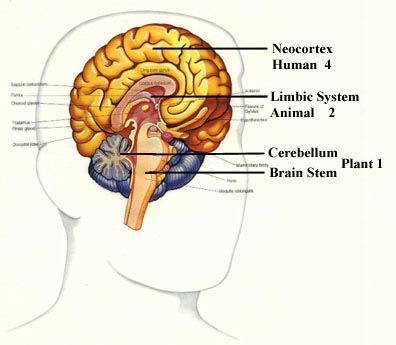
A) Neo­cor­tex, or Human Brain, is the most recent area, where we per­form high-level think­ing and com­plex inte­gra­tive tasks. Other mam­mals do have this part too, but in smaller pro­por­tion of the whole brain vol­ume. This is where we have our right and left hemispheres.

B) Lim­bic Sys­tem, or Mam­malian Brain, crit­i­cal for emo­tions and for memory,

C) Cere­bel­lum and Stem, or Rep­til­ian Brain, that reg­u­lates basic vital vari­ables such as breath­ing, heart­beat and motor coor­di­na­tion (Credit for pic: Arnold Key­ser­ling and R.C.L.)

.

More about the Lim­bic System

TheropodEmotions are gen­er­ated here, as well as the appetites and urges that help us survive.

For instance, the amyg­dala gets trig­gered to pre­pare us to deal with a threat­en­ing sit­u­a­tion, result­ing in our feel­ing of fear.

The hip­pocam­pus is key in the for­ma­tion of mem­ory. (Credit for pic.: Sand­hills College)

.

.

..

.

More about the Neocortex

The Neo­cor­tex is com­posed of:

  • Frontal Lobes: or the CEO of the Brain, for sophis­ti­cated brain func­tions such as plan­ning and conceptualizing.
  • Pari­etal lobes: Deal­ing with move­ment, the senses, and some forms of recog­ni­tionTheropod
  • Tem­po­ral lobes: Audi­tory processes and language
  • Occip­i­tal: Visual pro­cess­ing center

(credit for pic: Morphonix)

.

When we exer­cise our brains

When we exer­cise our brains, we put our neu­rons and con­nec­tions between neu­rons in action.

In action“Cells that fire together wire together” means that synapses-unions between neu­rons– get solid­i­fied the more often the respec­tive neu­rons “talk” to each other. (Credit for pic.: Peter Furstenberg)

Given the diver­sity of func­tions out­lined above, it is clear that dif­fer­ent activ­i­ties are going to acti­vate dif­fer­ent brain areas, which sci­en­tists now know thanks to neu­roimag­ing techniques.

There is no one magic bul­let that is best (either cross­words puz­zles, or computer-based pro­grams, or phys­i­cal exer­cise): We do need a vari­ety of men­tal stim­u­la­tion or “brain exer­cises” to main­tain the whole brain healthy.

———-

Read more about the brain and brain skills/cognitive abilities:

Read more about how to keep the brain sharp:

To stay informed and engaged con­sider sub­scrib­ing to our monthly e-newsletter.


Be Socia­ble, Share!
Print This Article Print This Article Email This Post Email This Post

Categories: Cognitive Neuroscience, Education & Lifelong Learning

Tags: , , , , , , , , , , , , , , , , , , ,

Top Articles on Brain, Cognition and Neuroplasticity

  1. Do you believe these neu­romyths?, by SharpBrains
  2. Brain Plas­tic­ity: How learn­ing changes your brain, by Pas­cale Michelon
  3. In the Age of Google, Should Schools Teach Mem­o­riza­tion Skills?, by Bill Klemm
  4. Does cog­ni­tive train­ing work? (For Whom? For What?), by Pas­cale Michelon
  5. The Emo­tional Life of Your Brain, by by Richard David­son, Sharon Begley
  6. Cur­rent State of the Sci­ence behind Neu­ro­feed­back Treat­ment for ADHD, by David Rabiner
  7. To Be (Your Con­nec­tome), or Not to Be (Your Genome), by Sebas­t­ian Seung
  8. Top 10 Brain Fit­ness Future Trends, by Alvaro Fernandez
  9. Biofeed­back now a “Level 1 — Best Sup­port” Inter­ven­tion for ADHD, by SharpBrains
  10. When 1 + 1 = 5: Dyscal­cu­lia and Work­ing Mem­ory, by Tracy Alloway
  11. Train­ing Atten­tion and Emo­tional Self-Regulation — Inter­view with Michael Pos­ner, by Alvaro Fernandez
  12. The Ten Habits of Highly Effec­tive Brains, by Alvaro Fernandez
  13. Why do You Turn Down the Radio When You’re Lost?, by Car­o­line Latham
  14. Brain fit­ness Q&A: Mem­ory, stress, emo­tions, by Alvaro Fernandez
  15. Cog­ni­tive ther­apy or med­ica­tion? Brain scans may help per­son­al­ize treat­ments, by SharpBrains
  16. New Study shows Teens with ADHD helped by Cog­ni­tive Behav­ioral Ther­apy, by David Rabiner
  17. How Do Words Change Our Brains and Lives?, by Andrew New­berg, Mark Waldman
  18. BBC “Brain Train­ing” Exper­i­ment: the Good, the Bad, the Ugly, by Alvaro Fernandez
  19. Sci­en­tific cri­tique of BBC/ Nature Brain Train­ing Exper­i­ment, by Liz Zelinski
  20. From Anti-Alzheimer’s “Magic Bul­lets” to True Brain Health, by Alvaro Fer­nan­dez, Peter Whitehouse
  21. Why Agile Minds Deploy Both Ratio­nal and Intu­itive Problem-Solving, by Judith Tingley
  22. Why I Wrote The Woman Who Changed Her Brain, by Bar­bara Arrowsmith-Young
  23. The Busi­ness and Ethics of the Brain Fit­ness Boom, by Alvaro Fernandez
  24. Break­ing Down the Cog­ni­tion & Alzheimer’s Dis­ease Alpha­bet Soup, by Dharma Singh Khalsa
  25. Top 10 Quotes on Life­long Neu­ro­plas­tic­ity, by Alvaro Fernandez
  26. To Har­ness Neu­ro­plas­tic­ity, Start with Enthu­si­asm, by Helena Popovic
  27. Q&A with Yaakov Stern on Brain Reserve, Exer­cise, Cog­ni­tive Train­ing, Angry Birds, by Alvaro Fernandez
  28. It is Not Only Cars That Deserve Good Main­te­nance: Brain Care 101, by Alvaro Fernandez
  29. Eval­u­a­tion Check­list for Brain Fit­ness prod­ucts and games, by Alvaro Fernandez
  30. Mind­ful­ness and Med­i­ta­tion in Schools for Stress Man­age­ment, by Jill Sutie
  31. Stress and Neural Wreck­age: Part of the Brain Plas­tic­ity Puz­zle, by Gre­gory Kellet
  32. Cog­ni­tive and Emo­tional Devel­op­ment Through Play, by David Elkind
  33. AARP’s Brain Fit­ness Best Books List, by SharpBrains
  34. Judith Beck: Train Your Brain to Think Like a Thin Per­son, by Alvaro Fernandez
  35. Improve Mem­ory with Sleep, Prac­tice, and Test­ing, by Bill Klemm
  36. 10 Brain Tips To Teach and Learn, by Lau­rie Bartels
  37. Dr. Elkhonon Gold­berg on Cog­ni­tive Train­ing and Brain Fit­ness, by Alvaro Fernandez
  38. Mind­ful­ness Med­i­ta­tion for Adults & Teens with ADHD, by David Rabiner
  39. Phys­i­cal Exer­cise and Brain Health, by Pas­cale Michelon
  40. Sleep, Tetris, Mem­ory and the Brain, by Shan­non Moffet

Welcome to SharpBrains.com

As seen in The New York Times, The Wall Street Jour­nal, CNN and more, Sharp­Brains is an inde­pen­dent mar­ket research and think tank track­ing health, edu­ca­tion, and pro­duc­tiv­ity appli­ca­tions of neuroscience.

Register Now at Discounted Rates

2013 SharpBrains Summit

Watch 10 Predictions on Digital Brain Health in 2013 (3 minutes)

Cover_video
Enter Your Email and Sub­scribe to our free Monthly eNewslet­ter:
Join more than 40,000 Sub­scribers and stay informed and engaged.

Follow Us Via…

twitter_logo_header